Newsletters


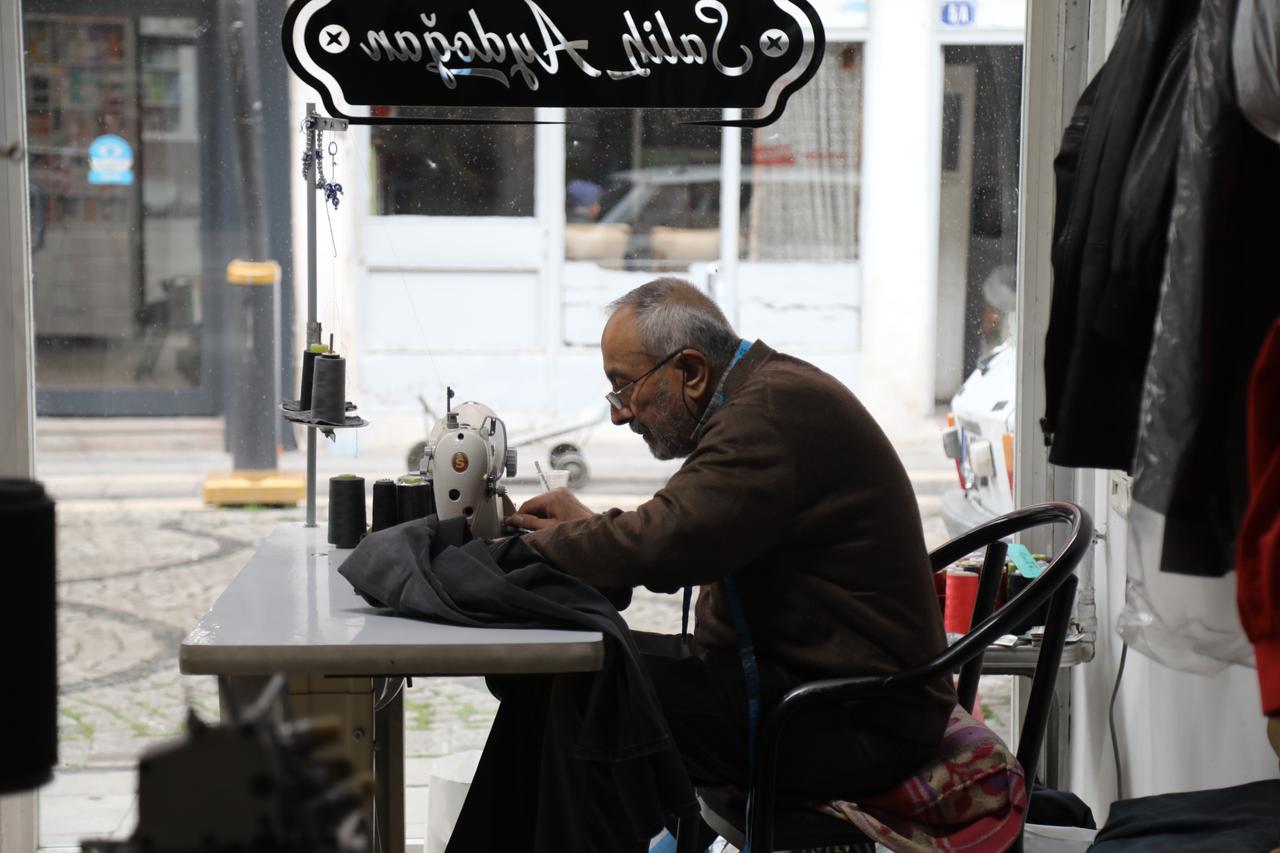


A needle and a spool of thread have paid one man’s bills for 61 years. At 74, a tailor near Ankara still works with both.
Salih Aydogan lives in Cubuk, a district about 40 kilometers (25 miles) northeast of Ankara's city center. He started as an apprentice after finishing primary school, when his father took him to a master tailor’s workshop.
He advanced through the journeyman and master stages before opening his own business. He has paid taxes as a self-employed tailor since 1979.
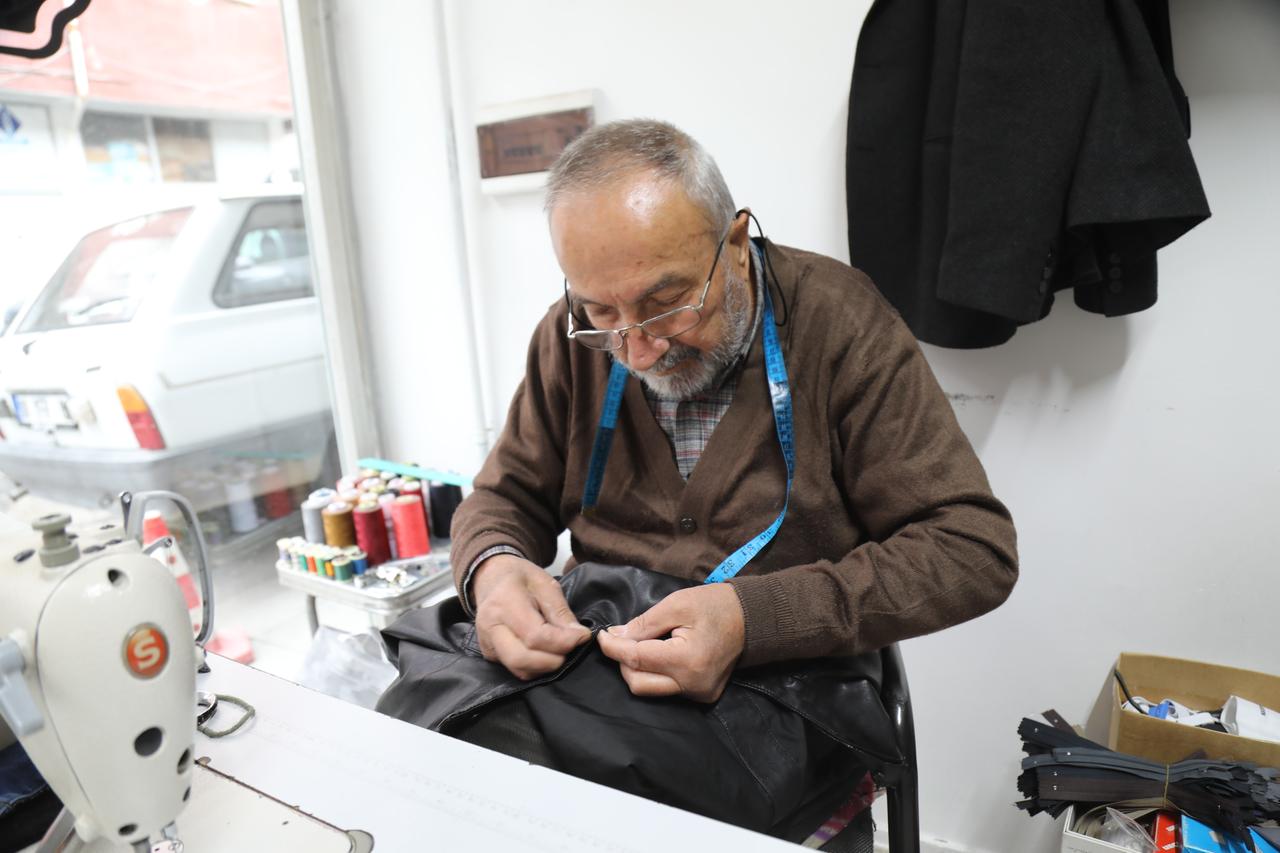
Aydogan once made suits and other garments. As ready-to-wear clothing became widespread, his work shifted mostly to repairs. Despite his age, he shortens trouser hems, replaces zippers, sews patches, and does other repairs for customers.
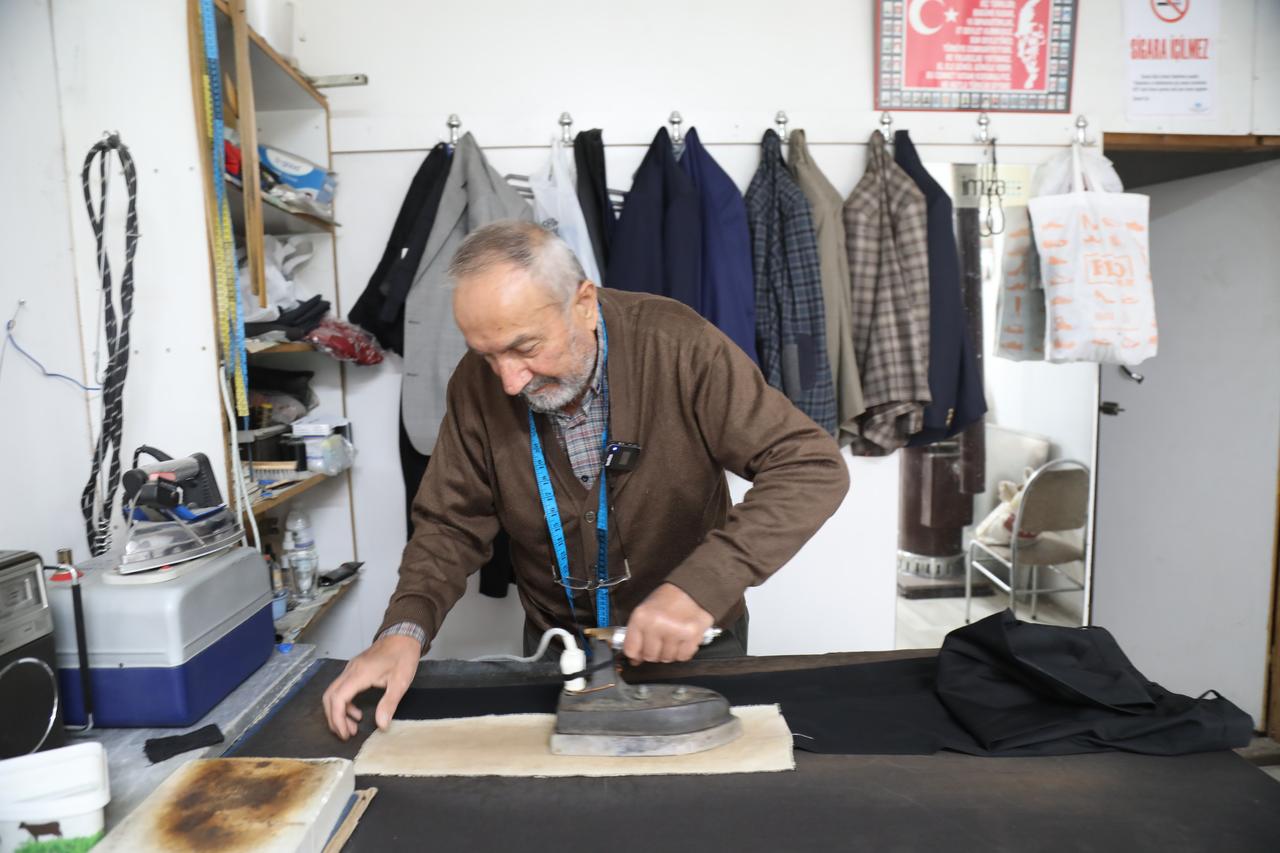

Aydogan told an Anadolu Agency (AA) reporter that he began the profession in 1965 on his father’s direction.
“I finished primary school, and my father took me to a master. He told my master, ‘Make this one a tailor.’ I have continued in this profession since that day,” Aydogan said.
He said he first became an apprentice, then a journeyman and later a master. Craft training in Türkiye has traditionally followed this three-step ladder of “cirak” (apprentice), “kalfa” (journeyman) and “usta” (master). Aydogan has worked for himself since 1979.
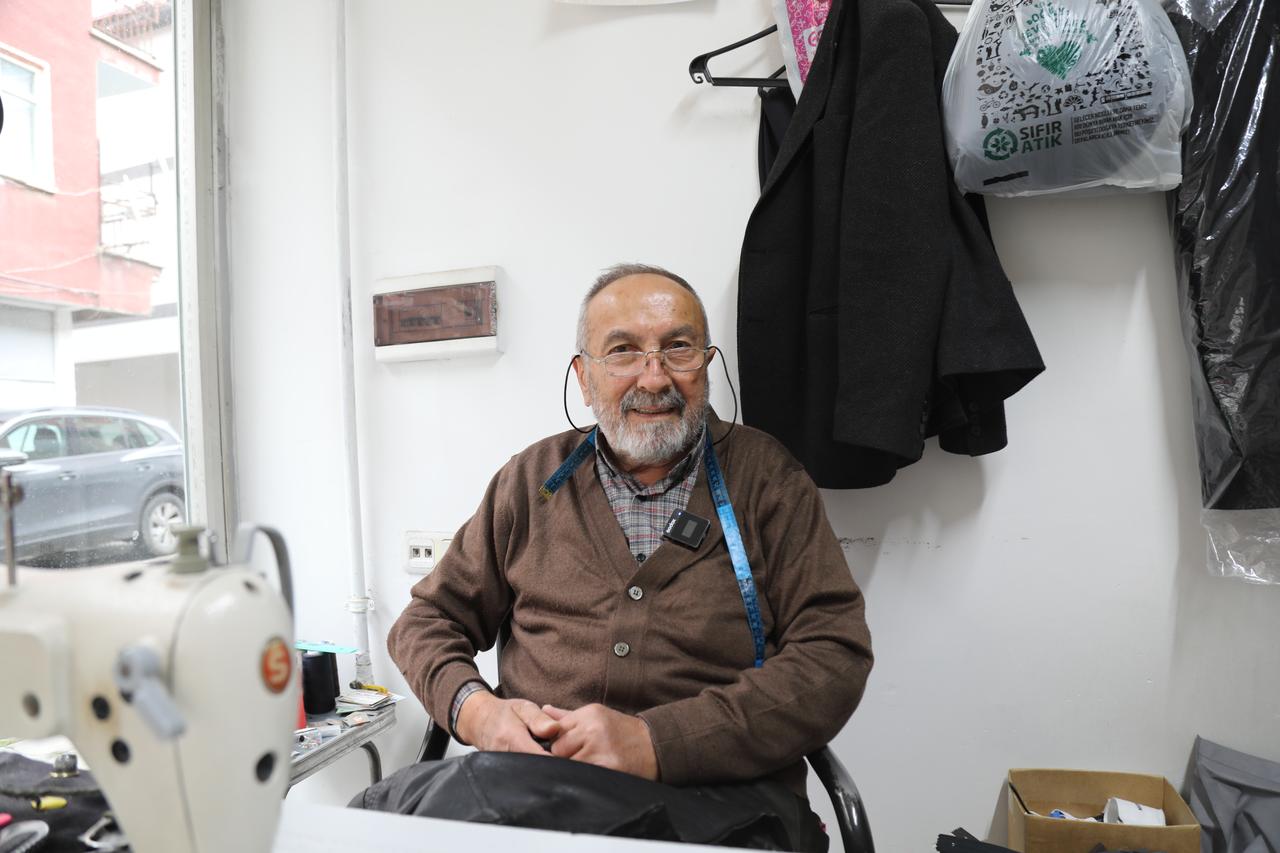
Aydogan said he sewed many garments in the past, but ready-to-wear clothing changed the nature of his work.
“I used to sew a lot of clothes. Now we have turned entirely to repairs. We shorten some people’s trouser hems, lengthen others, change zippers, sew patches. Ready-made clothing came out and our trade lost its old importance,” he said.
Aydogan said he is worried about the future of tailoring because young people show little interest in apprenticeships.
He noted that the number of masters still practicing the trade is steadily declining.
“Young people do not want to do this job anymore. Apprentices used to be trained. Now nobody says, ‘Let me learn this profession.’ A few of us friends remain, and we carry on. One day this profession will end. Then who will do these jobs?” Aydogan said.
“Many people get their clothes repaired and wear them again. Repairing and reusing is more economical. We keep doing these jobs as much as we can,” he said.


 Set as preferred source
 Set as preferred source



 2 min read