

 Newsletters


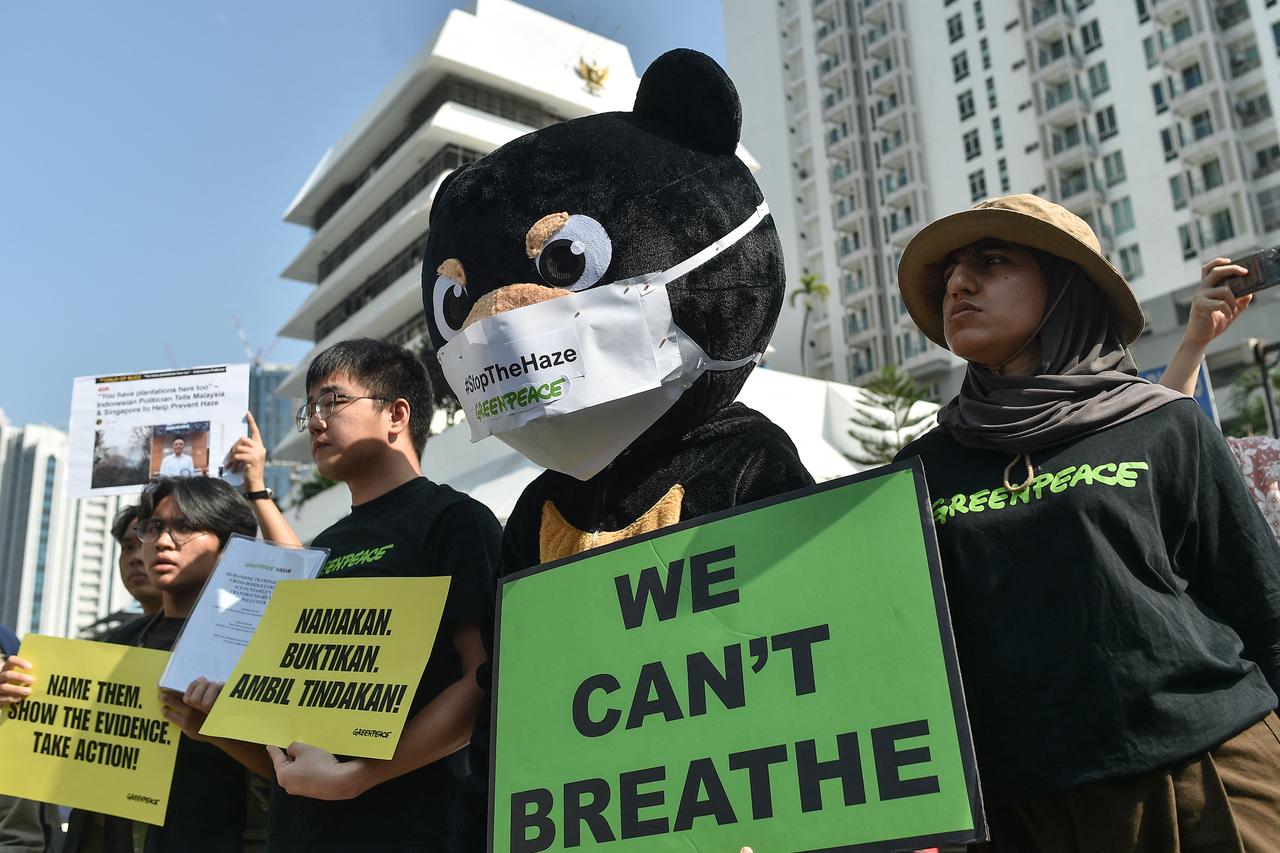


A dense haze has settled over parts of Indonesia as the sprawling nation struggles for a third straight week to bring under control fires that have scorched vast stretches of Borneo and Sumatra.
The hazardous smoke has led to an increase in respiratory problems, forced schools to close, and has been drifting to neighboring countries including Malaysia, Singapore and the Philippines.
The blazes are largely clustered on the island of Borneo, which hosts sprawling rainforest shared between Indonesia, Brunei and Malaysia, along with the island of Sumatra.
So far this year, nearly 300,000 hectares(741,000 acres) of land have burned in Indonesia, according to an independent estimate from the Nusantara Atlas portal, which tracks land use and forest changes in the region.
Indonesia saw an uptick in carbon emissions since late July, and by the end of last month the levels were comparable to previous El Nino years of 2015 and 2019, Copernicus Atmosphere Monitoring Service (CAMS) senior scientist Mark Parrington stated.
El Nino is a natural climate pattern that periodically warms parts of the Pacific Ocean, often triggering drier conditions in Southeast Asia.
"We're seeing already now... really extreme fire emissions comparable to those previous strong El Nino years, and also the extent of the smoke and the haze and the air quality impacts," Parrington said.
Fires in the archipelago have released more than 23 million metric tons of carbon emissions between Aug. 28 and Sept. 3, according to CAMS' Fire Emission Watch portal. That was higher than the 20.7 million metric tons of emissions from fires over the same period in 2015, which was also a strong El Nino year.
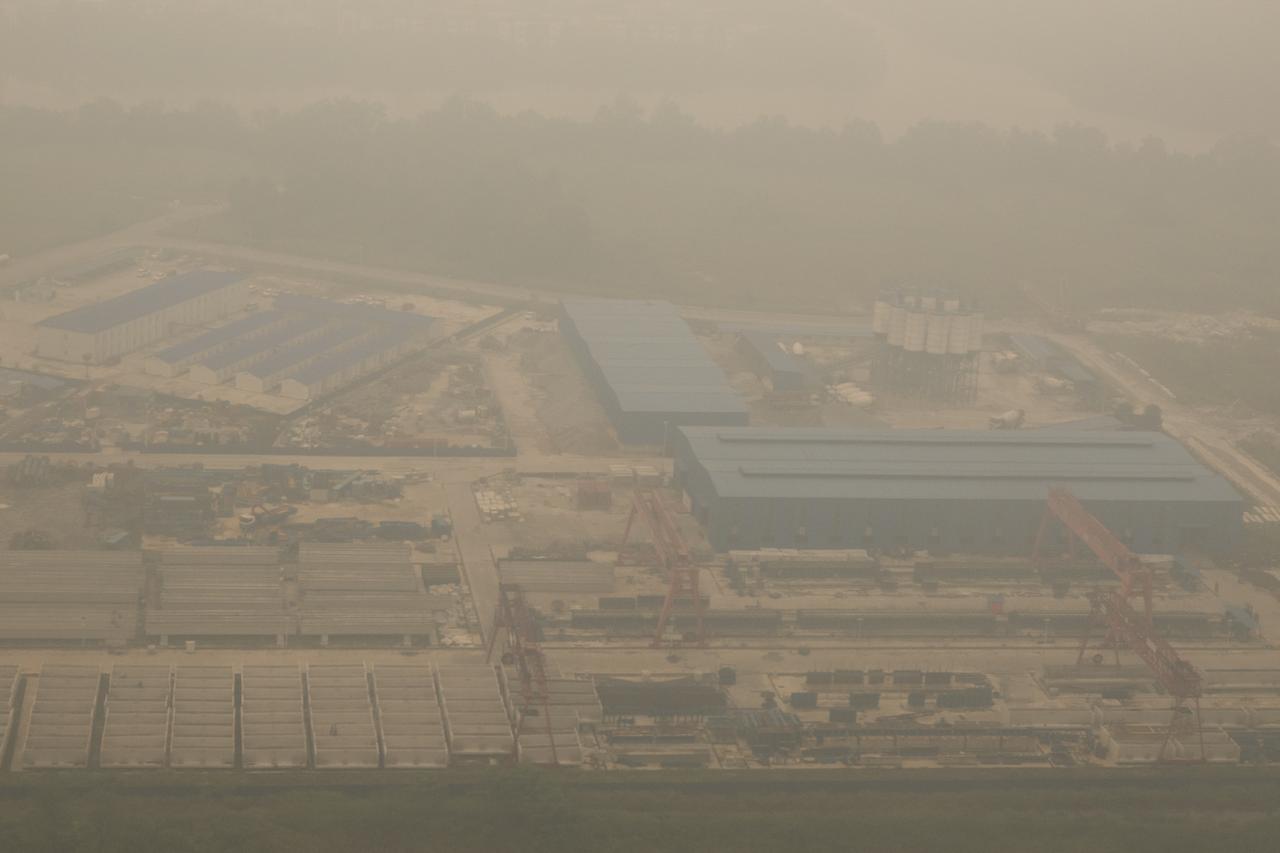

Experts point to the El Nino weather pattern, which the United Nations warned this week could become the strongest in four decades, as a key factor behind the dry conditions fueling the fires' spread across Indonesia.
But slash-and-burn land-clearing practices also contributed to the damage, said David Gaveau, founder of the Nusantara Atlas.
"El Nino does not ignite fires. It creates the dry conditions that allow human-started fires to escape and become very large," he told AFP.
The fires are difficult to extinguish because many occurred on peatlands, a wetland ecosystem with layers of partially decomposed organic material that becomes flammable when dry.
Between January and August this year, more than 210,000 hotspots were detected in peatland areas across the country, according to the NGO Pantau Gambut.
"Peat is a naturally wet ecosystem and stores large amounts of organic material. When peat is drained, this organic material is converted into fuel," Pantau Gambut spokesman Wahyu Perdana said.
The health of more than 5 million people across Borneo and Sumatra is being directly threatened by exposure to the haze, deputy health minister Dante Saksono Harbuwono said last month.
Over 1.4 million students were attending classes remotely, with many schools closed due to worsening air quality, an education ministry official said this week.
In Malaysia, soaring pollution levels prompted the government on Friday to declare an emergency in a region of Sarawak state in Borneo, with nearly 650 schools closed next week.
In the Philippines, air quality was slowly returning to normal after a week of reaching "very unhealthy" and "severely unhealthy" PM 2.5 levels that saw officials shutter schools in cities and provinces, citing the drifting haze. PM 2.5 refers to fine particulate matter in the air that can be harmful when inhaled.
The haze also drove air quality in Singapore's central region to an "unhealthy" level on Friday, according to the country's National Environment Agency.


 Set as preferred source
 Set as preferred source


 1 min read
 1 min read


