Newsletters





The United Nations World Food Program (WFP) warned Wednesday that the strengthening El Nino weather pattern could push at least 49 million more people into acute food insecurity by the end of 2027.
The agency said it is ramping up preparedness and response efforts in vulnerable countries.
In a statement, WFP said its latest analysis shows El Nino is expected to significantly worsen food insecurity in 45 countries already struggling with hunger.
The number of acutely food-insecure people in those countries could rise from about 225 million to 274 million, the agency said.
"El Nino is a massive threat to the food security of millions who are already vulnerable," WFP Acting Executive Director Carl Skau said.
He said severe floods, droughts and extreme temperatures could quickly push communities from coping to crisis.
Skau said WFP has already expanded early response efforts in eight countries.
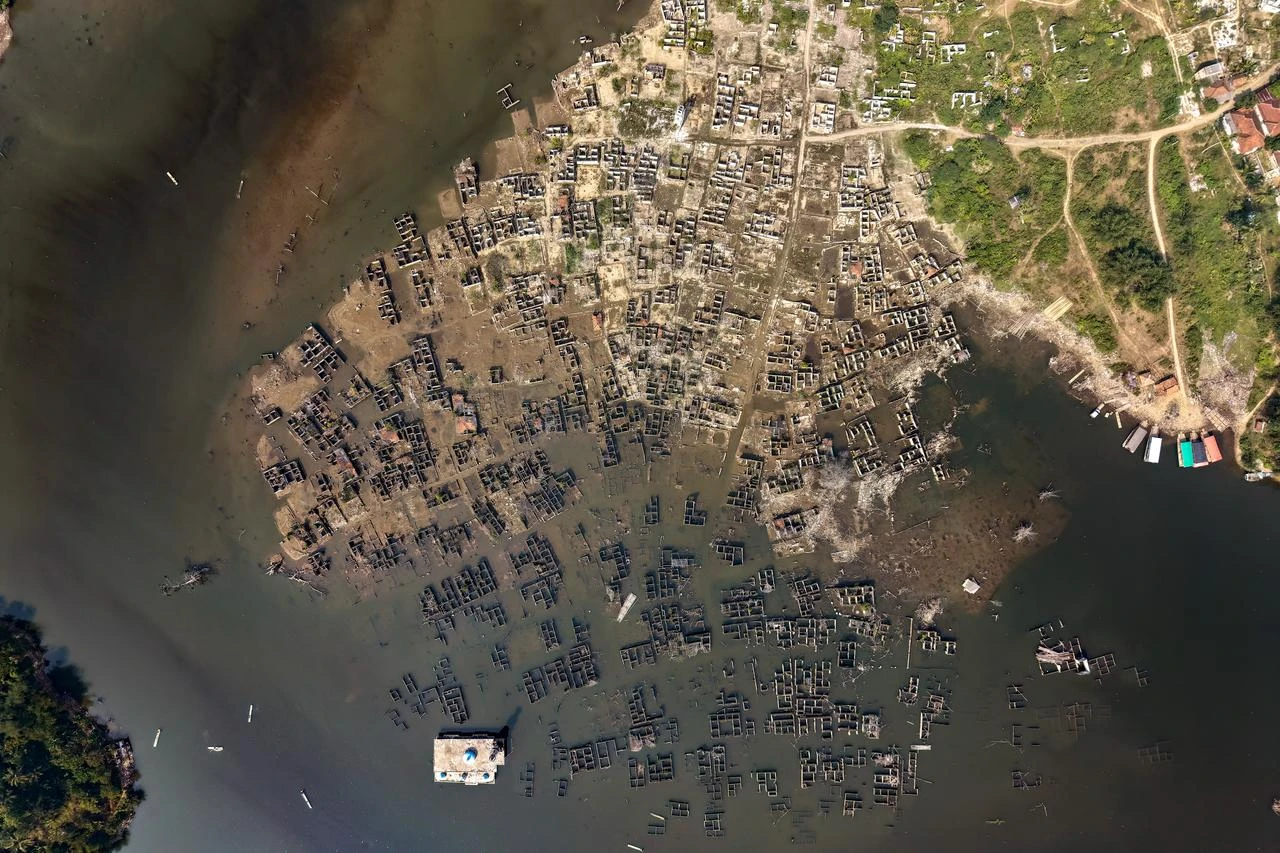

According to WFP, El Nino is expected to peak between September and December 2026, but its effects are likely to continue throughout 2027 by disrupting future harvests.
The agency said the largest impacts are expected in Central America and southern Africa.
Significant effects are also forecast in eastern Africa and South and Southeast Asia.
Latin America and the Caribbean could see "one of the sharpest rises" in food insecurity, with more than 16 million people affected.
East and Southern Africa could see food security deteriorate for more than 18 million people.
WFP projected that an additional 8.2 million people will face acute food insecurity in Asia and the Pacific.
West and Central Africa could see food insecurity rise by 12%, affecting nearly 6 million more people.
Since May, WFP has activated anticipatory action plans in six countries: South Sudan, Chad, Mauritania, Uganda, Guatemala and El Salvador.
The agency said it has provided more than $14 million in assistance to about 500,000 people.
WFP said investing in preparedness can save between $3 and $7 in future losses and response costs for every $1 spent.


 Set as preferred source
 Set as preferred source


 1 min read


 1 min read