Newsletters


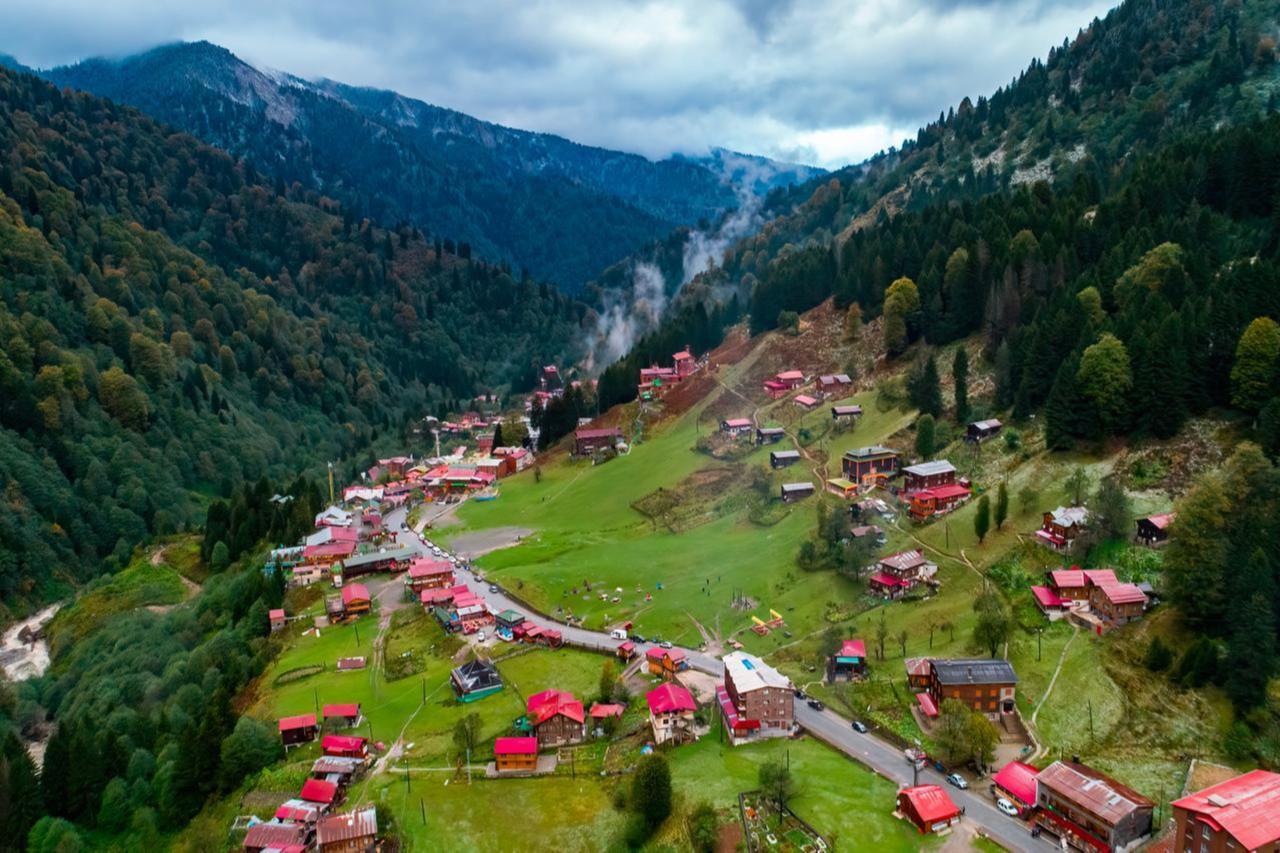


The countdown has begun for the third and final “cemre” of 2026, a date many in Türkiye follow as a traditional sign that winter is ending and spring is near.
According to widely shared folk calendar dates, the third cemre will fall on March 6, 2026, and is believed to warm the soil. After this final stage, people traditionally accept that spring has arrived.
The word “cemre” comes from Arabic and means “ember” or “burning coal.”
In Turkish folklore, cemres are described as invisible bursts of warmth that fall in sequence to the air, water, and finally the earth.
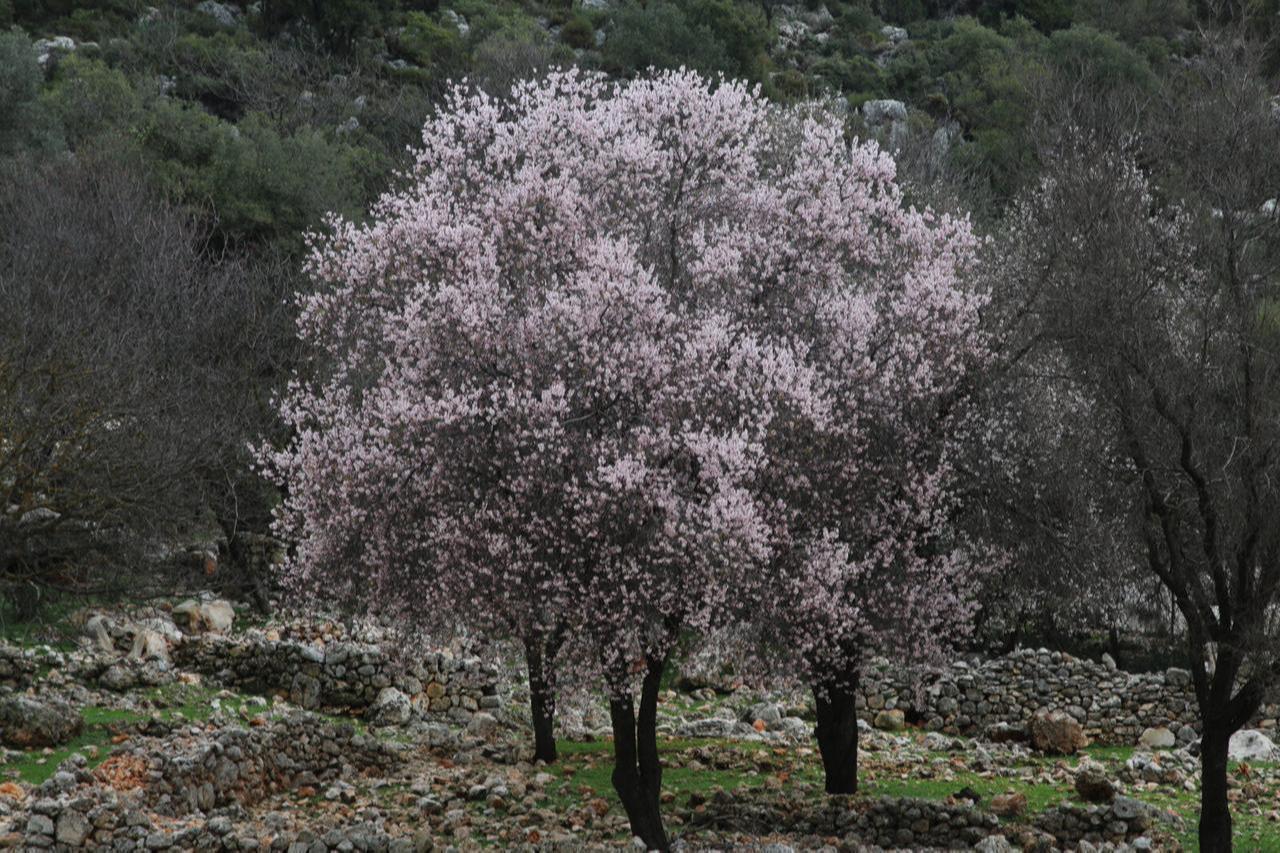

Each year, cemres are believed to fall at one-week intervals starting around Feb. 20.
The 2026 timeline is as follows:
This year, the first cemre fell into the air on Feb. 19 to 20. The second followed on Feb. 26 to 27, warming the water. The third and final cemre is expected on March 6, when it symbolically warms the earth.
After the third cemre, people traditionally say that winter has lost its strength and spring conditions begin to settle in.
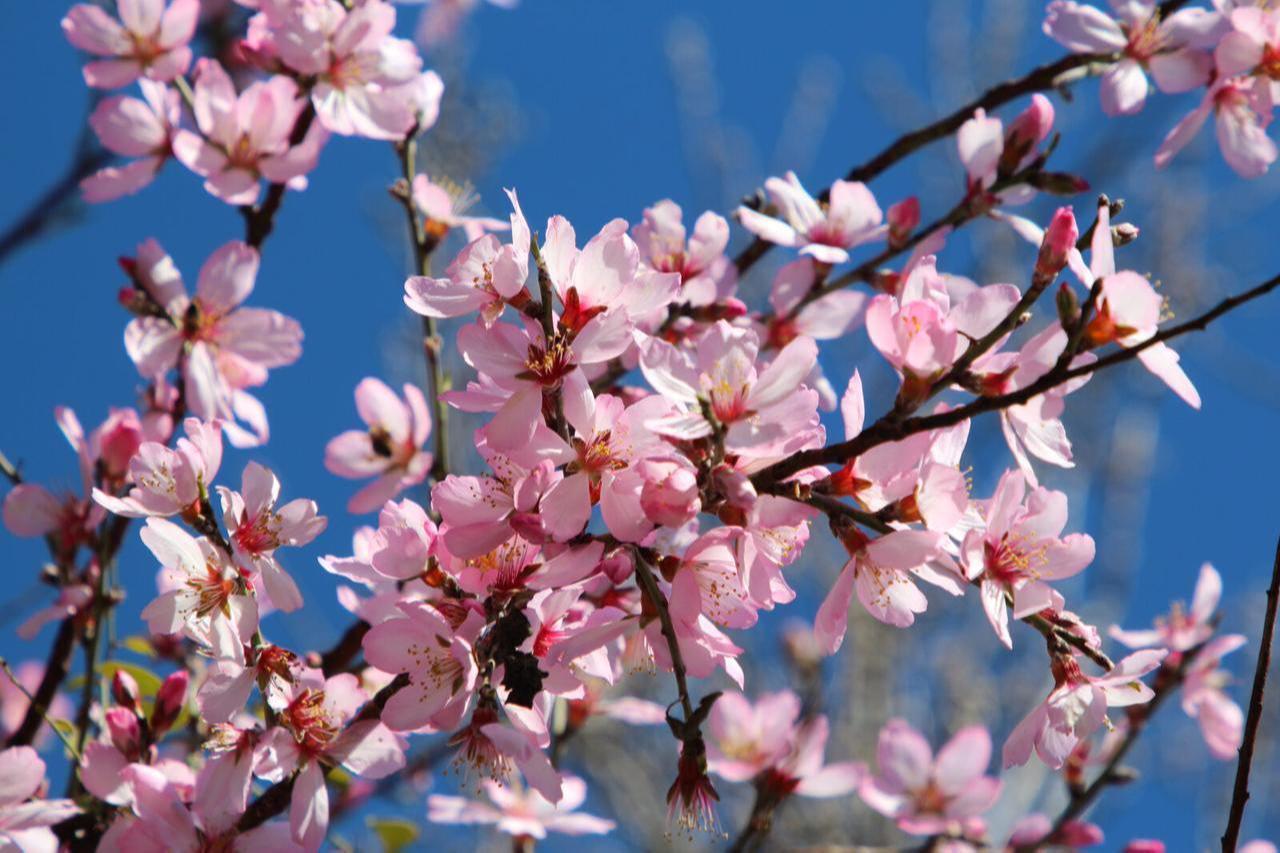
In the traditional folk calendar, cemre represents a gradual warming process.
First, the air softens, then water begins to warm, and finally, the soil heats up and becomes ready for cultivation.
The expression “cemre dusmesi” (the falling of cemres) refers to this staged transition. It also signals that Nevruz, the spring festival marked on March 21, is approaching.
For people engaged in agriculture and animal husbandry, cemre has practical meaning.
The warming of the soil after the third cemre indicates that fields can be prepared for planting. It also signals that livestock kept indoors during harsh winter conditions may soon return to pasture.
Although cemre is not a scientific term, it remains part of Türkiye’s cultural heritage. Each year, discussions about when the third cemre will fall trend across local media and social platforms, reflecting how strongly the belief persists.


 Set as preferred source
 Set as preferred source



 1 min read