Newsletters


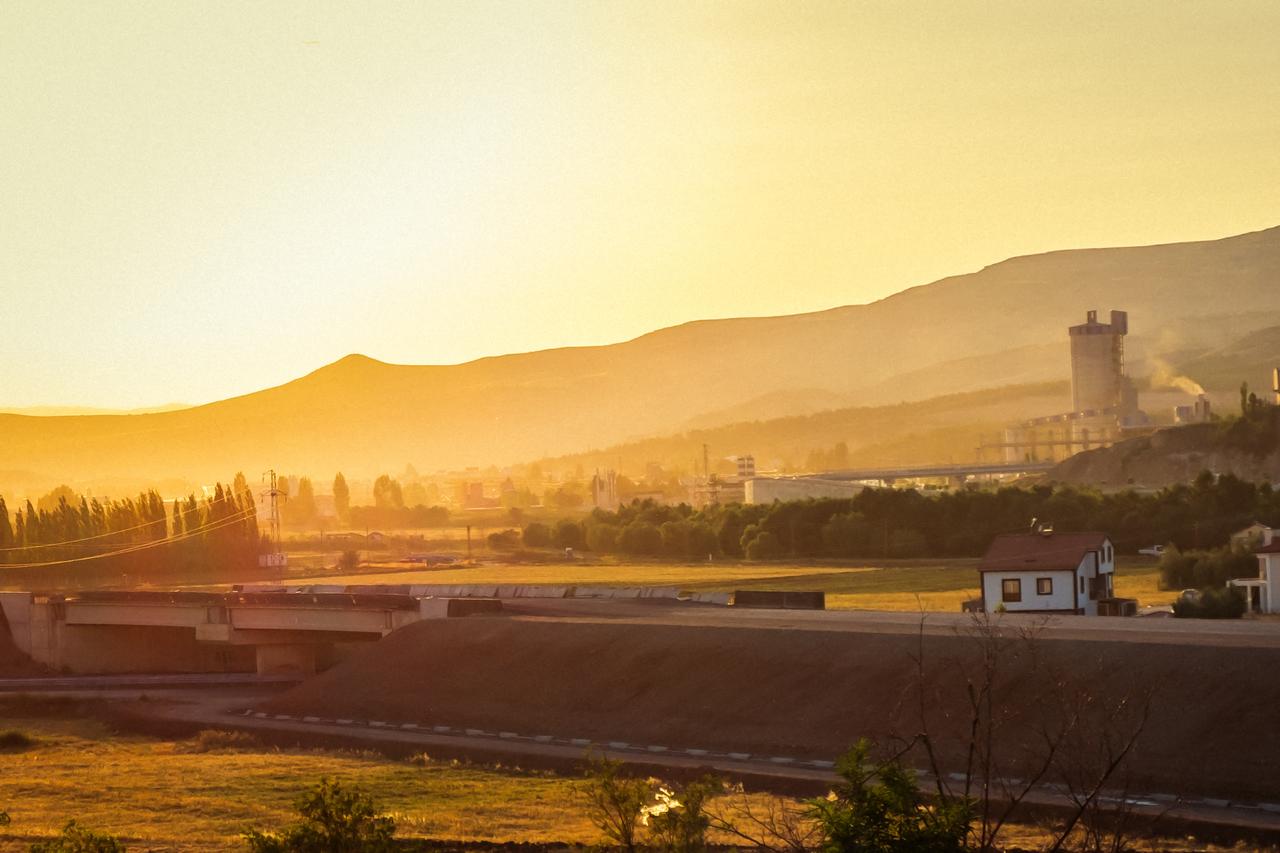


A geography professor at Izmir Bakircay University says the effects of a "Super El Nino" will continue to influence Türkiye's climate until 2027.
She expects new temperature records, more severe droughts, and increased forest fires and flooding.
Prof. Sermin Tagil told Anadolu Agency (AA) that El Nino is a natural climate event caused by unusually warm sea surface temperatures in the central and eastern Pacific Ocean.
She explained that it alters wind and rainfall patterns worldwide, leading to diverse weather effects.
Tagil explained that El Nino does not directly affect Türkiye, but it can still have major indirect impacts by changing atmospheric circulation.
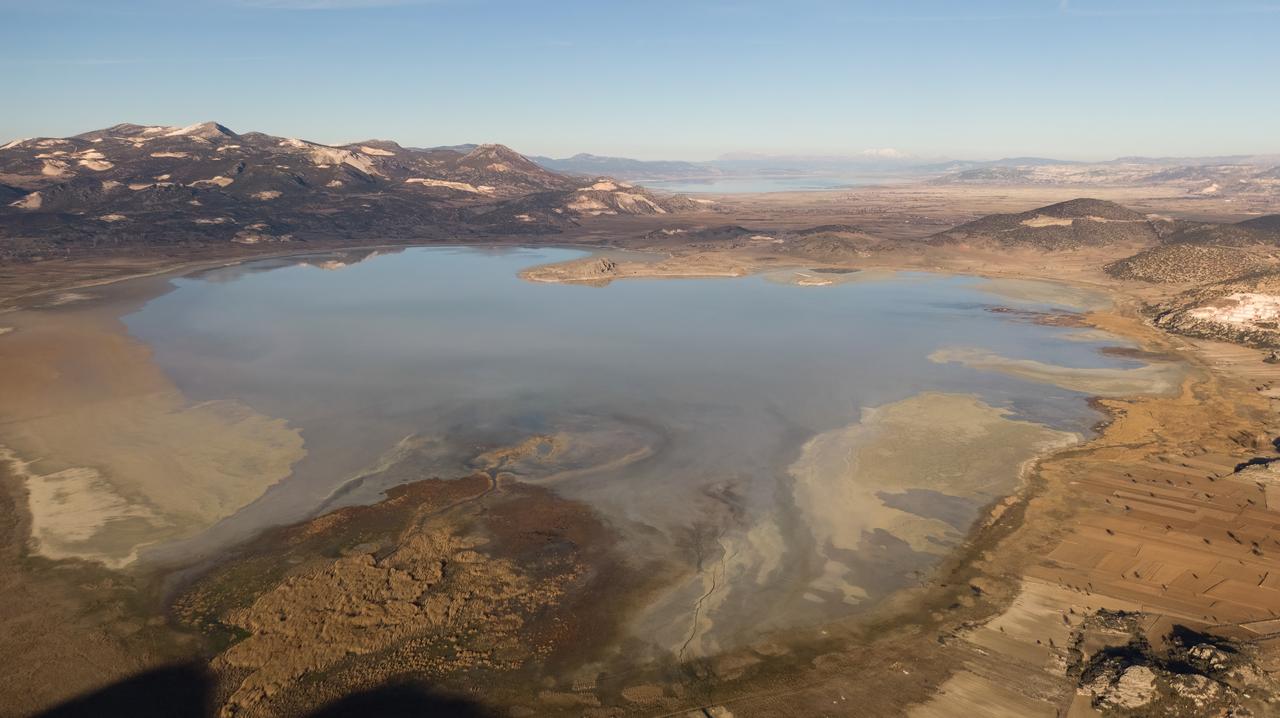

Tagil said this summer is unlikely to be calm or stable. She expects stretches of high temperatures, severe drought, and more wildfires, along with brief but intense weather events that could interrupt the hot and dry conditions.
"We expect this summer to be unstable. There will be times of high temperatures, severe drought, and frequent fires," Tagil said. "We also think short bursts of extreme weather will interrupt these hot and dry periods."
Looking ahead to autumn, Tagil noted that sea surface temperatures in the Mediterranean and Black seas are already above average following the summer.
When cold air moves in from the north during fall, this mix can lead to storms, heavy rain, and sometimes Mediterranean tropical-like cyclones, or medicanes. She said these effects will likely be strongest in the eastern Mediterranean.
Tagil said the effects of the Super El Nino are expected to last into 2027. She predicts that autumn 2026 and all of 2027 will be warmer than usual, with more extreme weather, including more forest fires and floods.
"We expect the autumn of 2026 and 2027 to be warmer than normal, and these higher temperatures will likely come with more extreme weather," she said.
"We think forest fires and flooding will happen more often, and new temperature records will likely be set in the summer of 2026 and throughout 2027."
Tagil said drought risk will rise sharply in the Aegean, Mediterranean, and southeastern Anatolia regions. In contrast, the Black Sea region is more likely to see heavy rain and flooding.
Tagil emphasized that this situation is not just about the weather. She said the coming period is a key time for sectors like energy, agriculture, and water management to prepare and to improve disaster plans for drought and wildfires.
She highlighted the need to protect water resources and strengthen measures against drought and fire. She said these should be national priorities, not just part of climate monitoring.
These warnings follow past El Nino events in 1997–1998, 2015–2016, and 2023–2024, which were all linked to more droughts and fires. Tagil said this pattern helps explain the risks we face now.


 Set as preferred source
 Set as preferred source


 1 min read
 1 min read