Newsletters


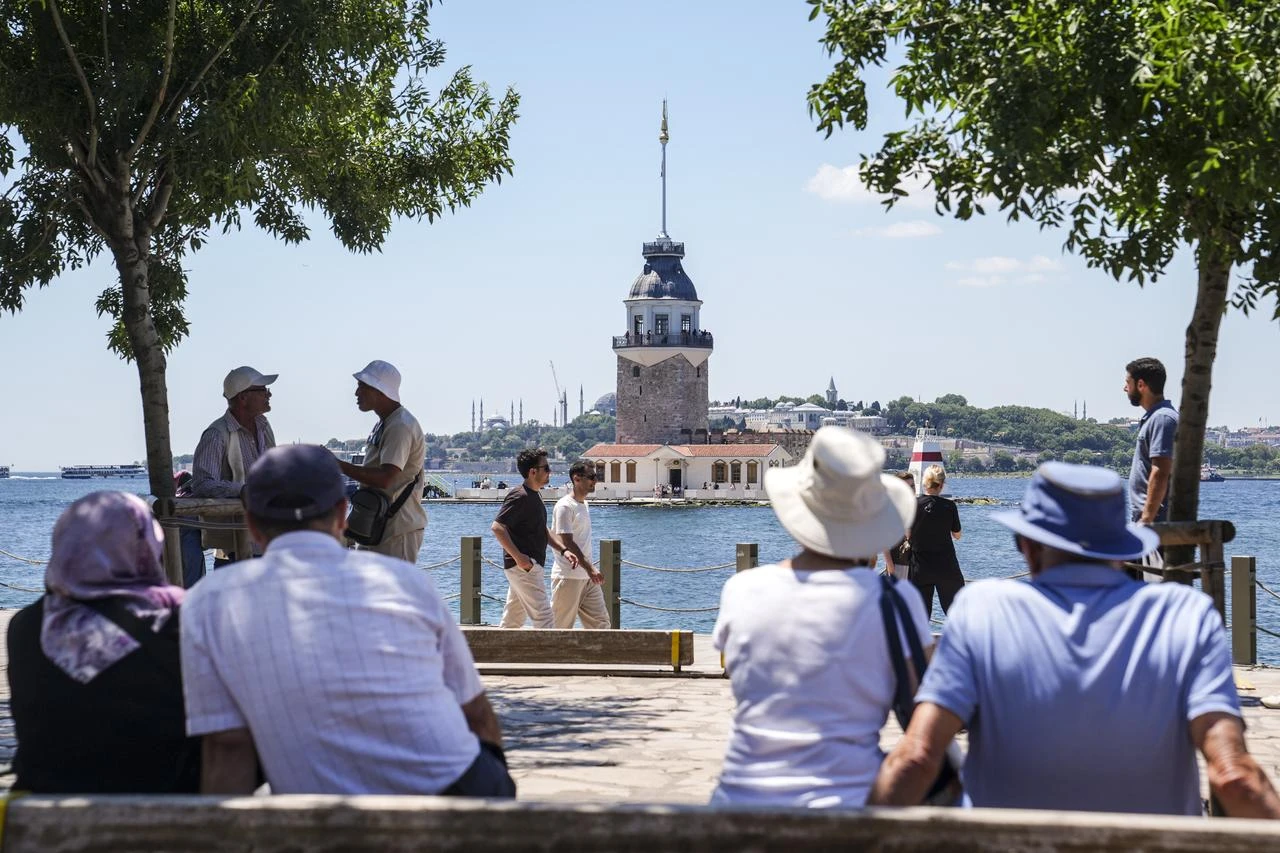


Heat waves in Türkiye have intensified sharply over the past 75 years, with the summers of 2023 and 2025 producing the most severe events on record, according to a study by researchers at Istanbul Technical University (ITU), based in Istanbul, Türkiye's largest city.
The study, presented at the European Geosciences Union (EGU) conference, examined heat wave patterns across Türkiye between 1950 and 2025 using the Heat Wave Magnitude Index daily (HWMId), a metric that measures the intensity of extreme heat events based on daily maximum temperatures.
Researchers identified a consistent upward trend in both the frequency and severity of heat waves. Average summer temperatures, which stood between 22 and 23 degrees Celsius (72 and 73 degrees Fahrenheit) from 1970 to 1990, rose to 24-25 degrees Celsius (75-77 degrees Fahrenheit) as warming accelerated in the early 2000s.
The average summer temperature reached a record 26.1 degrees Celsius (79 degrees Fahrenheit) in 2024.
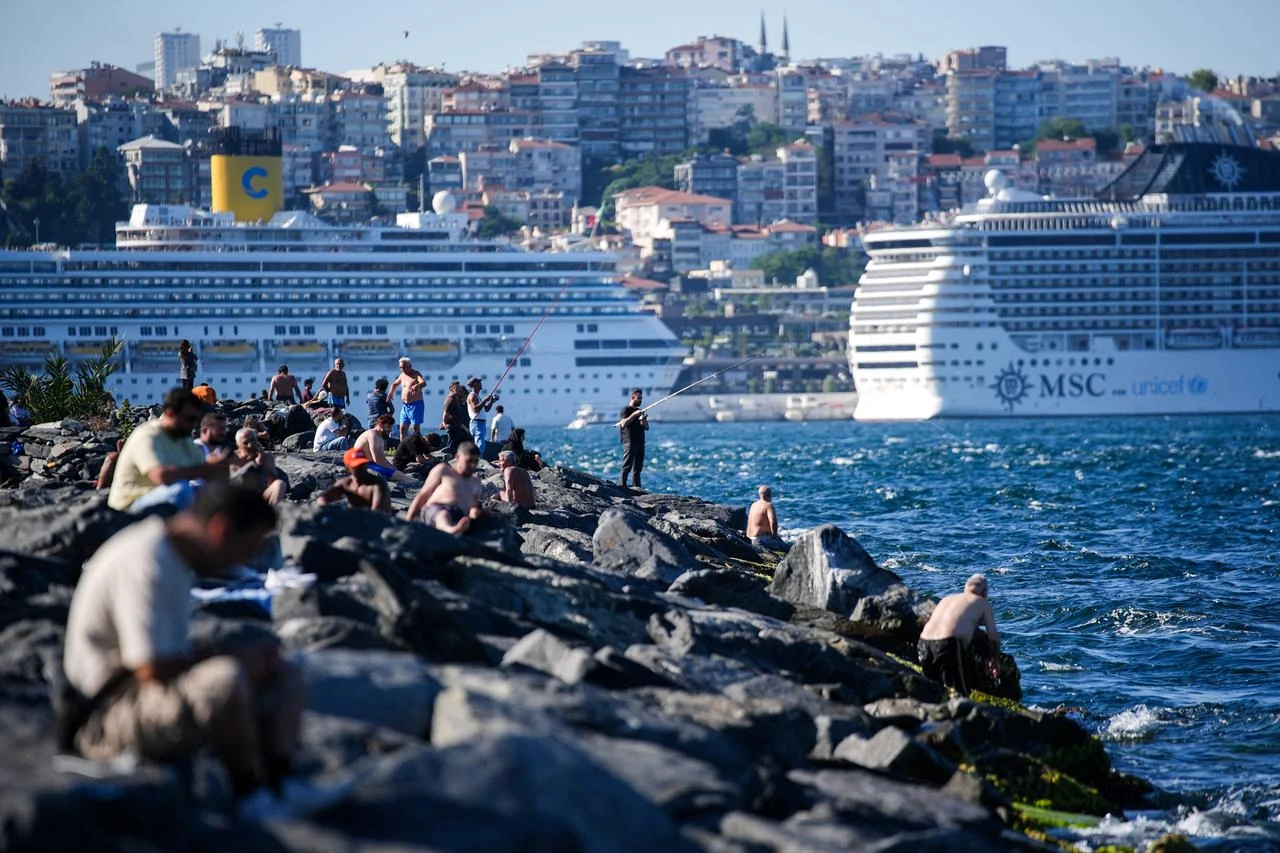

The study found that heat wave intensity has climbed even faster than average temperatures. Compared with the 1980-2009 reference period, the average magnitude of heat waves in 2023 was more than seven times higher, while the 2025 figure was nearly 11 times higher, making the two summers the most intense on record since 1950.
By contrast, 2024 was the hottest summer on record by average temperature, yet its heat waves were less intense than those of 2023 and 2025.
Researchers said the gap shows that record seasonal temperatures do not necessarily align with the most intense heat wave events.
The study attributed heat waves to a combination of factors, including atmospheric blocking patterns, warm air advection, elevated sea surface temperatures, drought and soil moisture conditions.
The research was carried out by climate scientist Baris Onol and meteorological engineer Tolga Karakaya at ITU's Department of Climate Science and Meteorological Engineering.

A separate study by the same researchers projected further increases in heat wave frequency under the UN Intergovernmental Panel on Climate Change's high-emissions scenario.
Between 2021 and 2050, the annual number of heat wave days is projected to rise to about 16 a year in the capital Ankara and the central Türkiye city of Konya, in addition to Istanbul, 18 in the Mediterranean coastal city of Antalya and 23 in Izmir, on Türkiye's Aegean coast, up from an average of three to five days a year between 1976 and 2005.
For 2051-2080, projected heat wave days climb further, to about 38 a year in Istanbul and Ankara, 40 in Antalya and Konya, and 53 in Izmir.


 Set as preferred source
 Set as preferred source




 6 min read