

 Newsletters


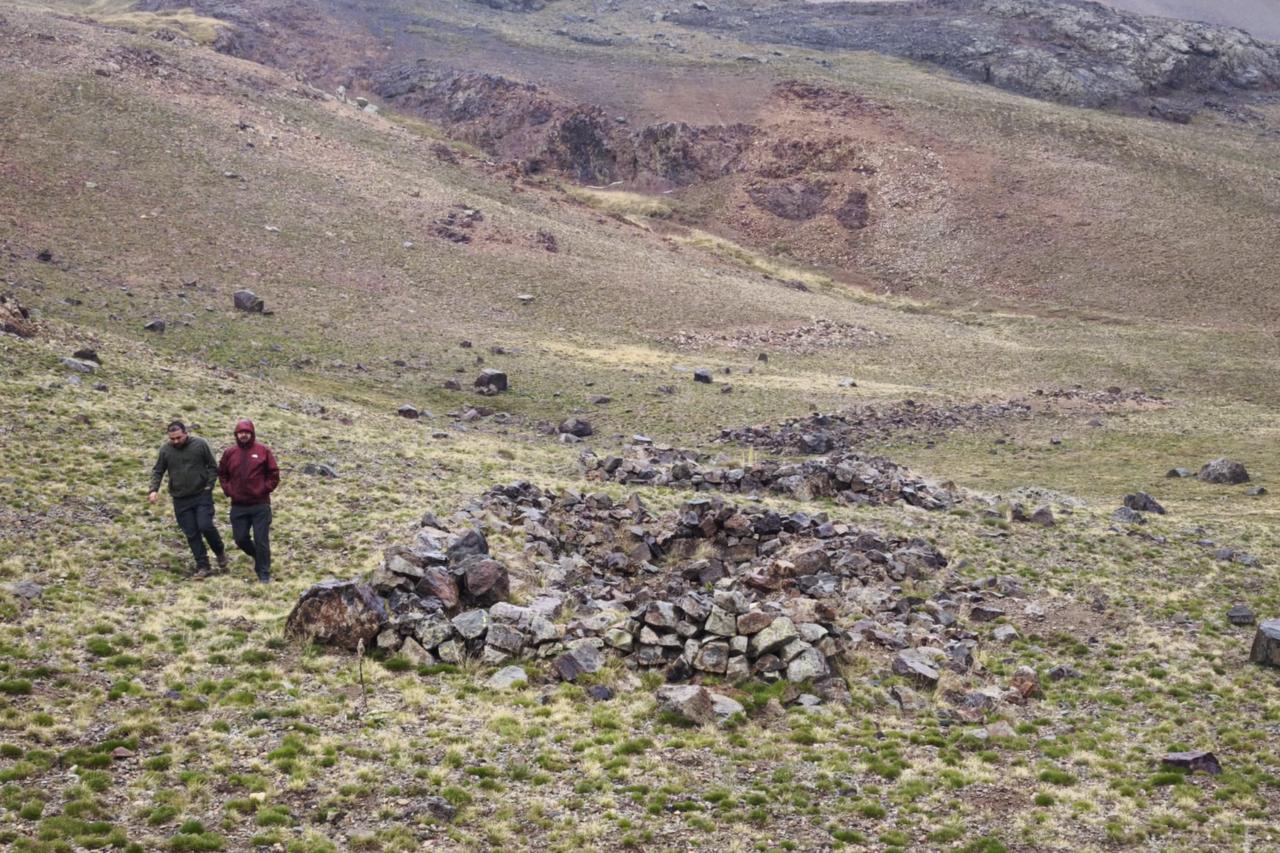


Survey work is underway in Giresun and Gumushane, two provinces in Türkiye’s Black Sea region, to determine whether the Harsit Valley Defense Line, a key point of resistance against Russian forces in World War I, could become a national park.
According to a statement from the Giresun Directorate of Nature Conservation and National Parks, a regional office of the national agency responsible for protected areas, preliminary survey work is continuing to protect the historical heritage and assess the region’s national park potential.
A preliminary survey is an initial study carried out before a decision is made on whether an area should receive formal protected status.
The work is being conducted by the General Directorate of Nature Conservation and National Parks in Giresun and Gumushane.
Teams are examining trenches, military headquarters, defensive positions, and martyrs’ cemeteries, which are burial sites for soldiers killed in the war, that have survived from the war period.
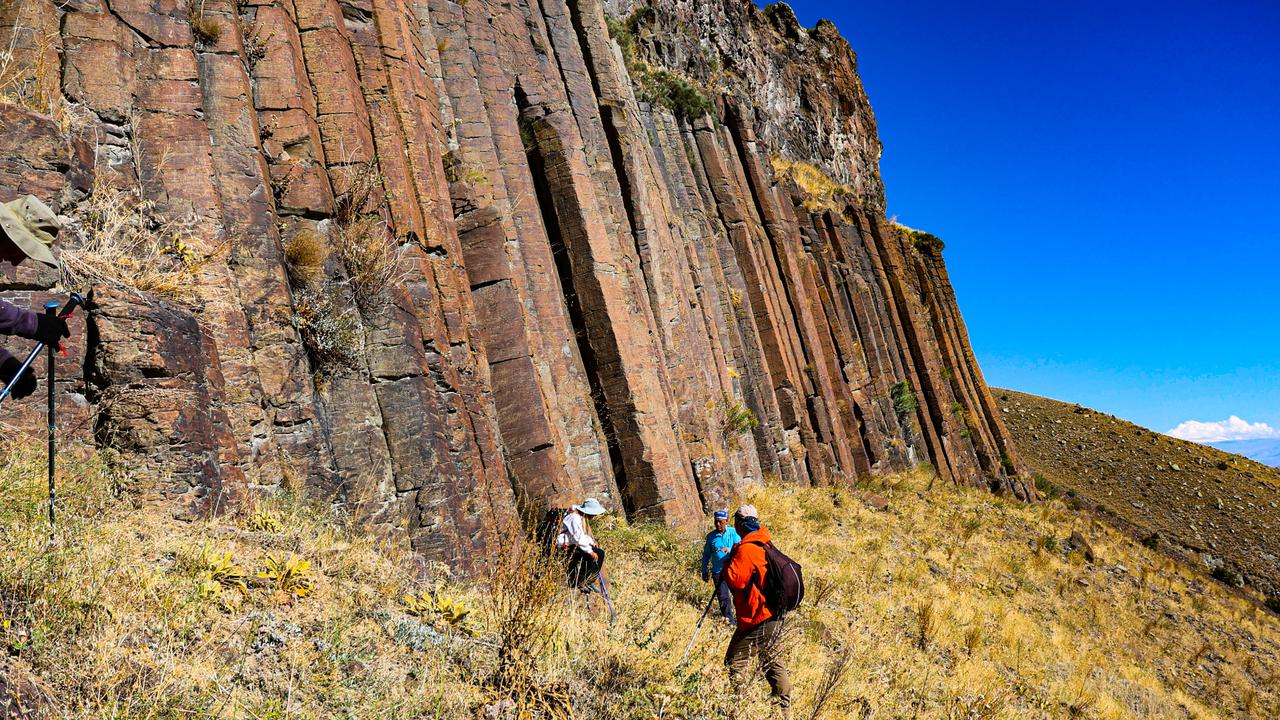
As part of the effort, field studies were carried out at the foothills of the Gavur Mountains in Giresun’s Alucra district.
Researchers examined trench and headquarters remains believed to belong to the Ottoman 2nd Caucasus Corps, a unit of the Ottoman army, and carried out work to document the historical elements found there.
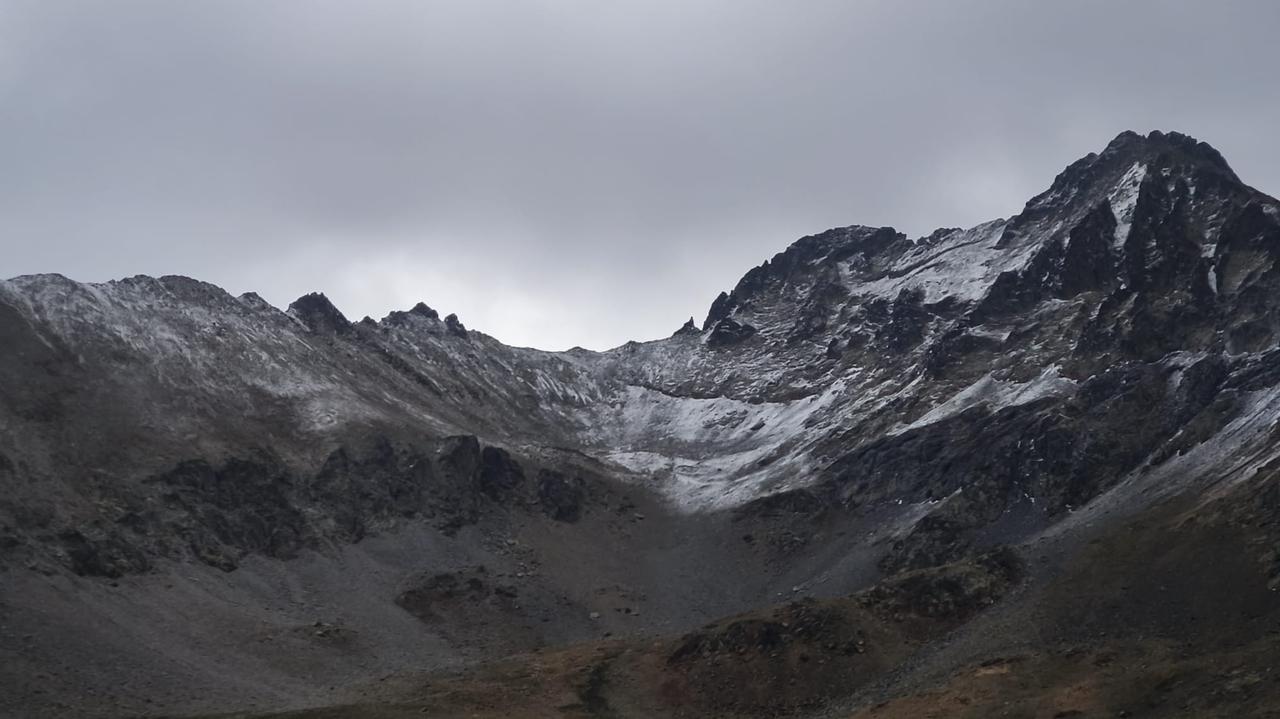

The Kazikbeli and Guvende plateaus in Gumushane’s Kurtun district are among the important points of the defense line.
The area contains numerous trenches, military positions, and martyrs’ cemeteries.
During the Caucasus Campaign, the part of World War I fought between Ottoman and Russian forces in eastern Anatolia and the Caucasus, Russian troops advanced along the Black Sea coast, and Ottoman units organized defensive lines in the mountainous interior to slow their movement.
The research covers Gumushane’s Kurtun district and Giresun’s Alucra, Dogankent, and Guce districts. In these areas, specialists are determining the locations, current condition, and protection needs of the historical remains.
The work aims to obtain data for evaluating and protecting the region’s historical and cultural values as a whole.


 Set as preferred source
 Set as preferred source


 1 min read
 1 min read


