

 Sign in
 Newsletters


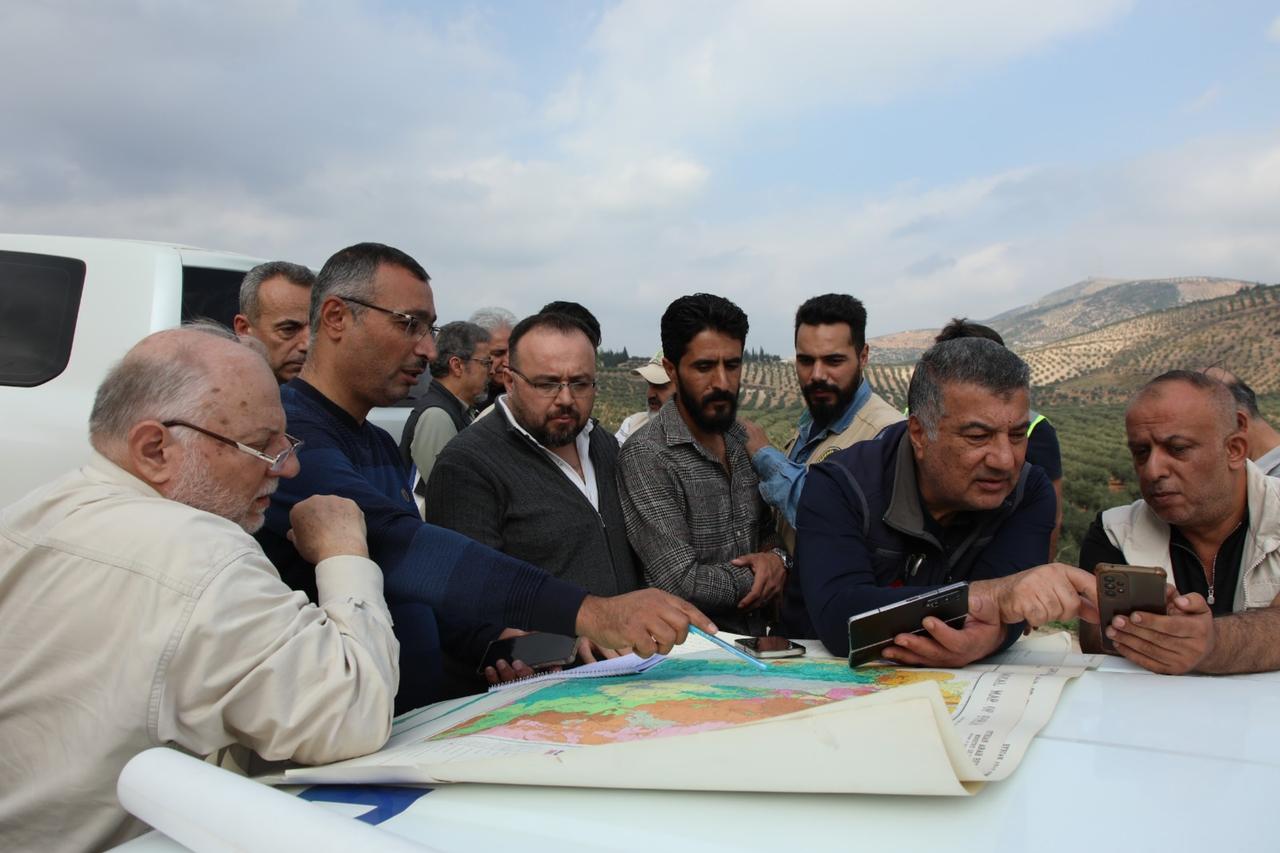


A team of 20 earthquake specialists from Türkiye and Syria has begun investigating cross-border fault lines that did not rupture during the devastating Feb. 6, 2023, earthquakes, seeking to uncover their prehistoric seismic history and assess the risks they could pose to both countries.
Coordinated by Türkiye's Disaster and Emergency Management Authority (AFAD), the joint research brings together scientists from universities in both countries, along with officials from the General Directorate of Mineral Research and Exploration (MTA) and AFAD's Earthquake and Risk Reduction Directorate.
The team has examined the Yesemek, Hacipasa and Reyhanli faults, which extend partly through Türkiye, alongside the Afrin, Sarmada and Armanaz faults in Syria. These structures are associated with the Dead Sea Fault system, a major geological fault zone stretching approximately 1,000 kilometers from Kahramanmaras toward the Red Sea.
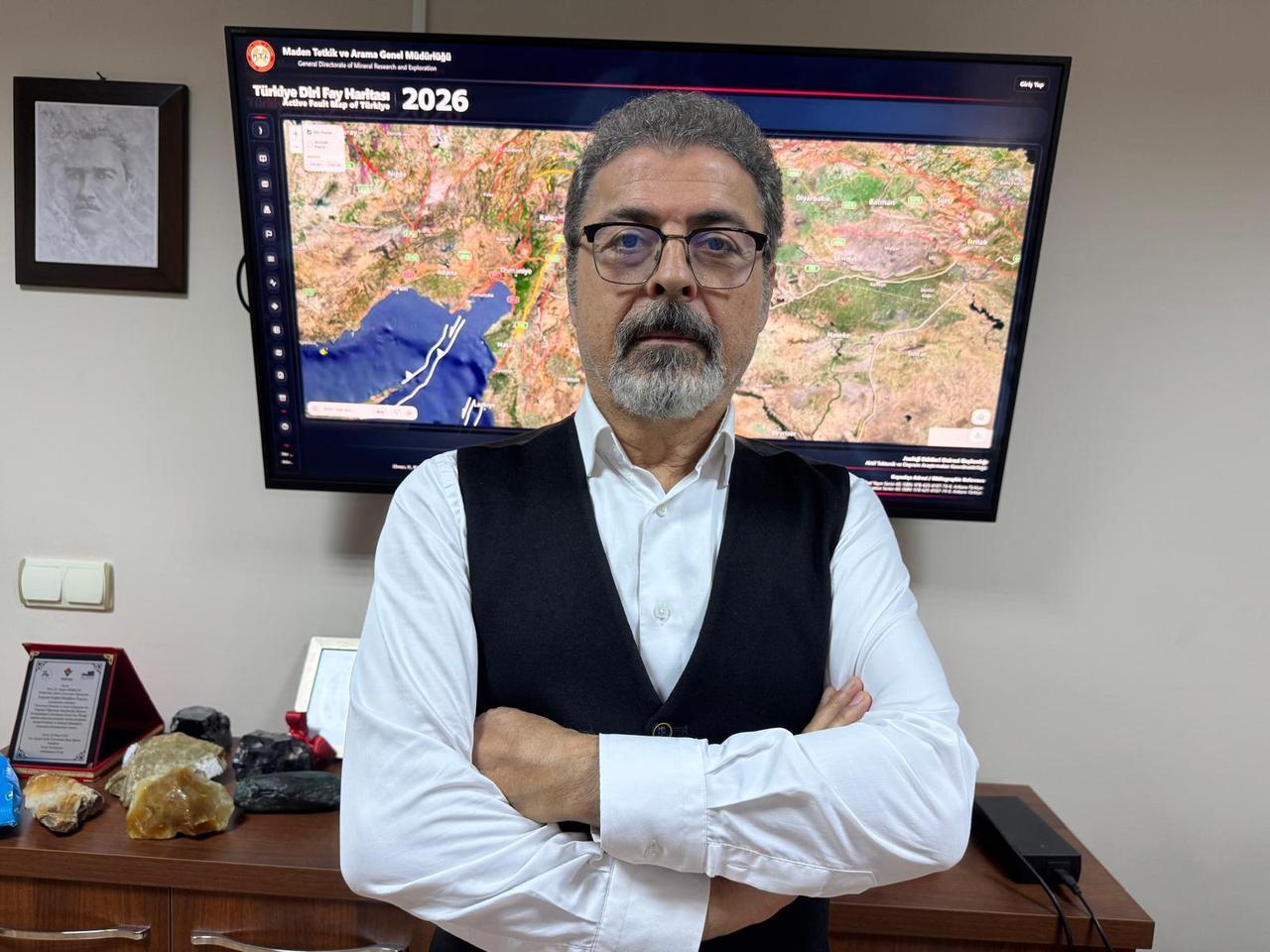

Professor Hasan Sozbilir, director of Dokuz Eylul University's Earthquake Research and Application Center and a member of AFAD's Earthquake Science Board, said the research aims to establish when the faults last produced earthquakes and determine which sections could pose risks in the future.
Although significant portions of the fault systems on the Turkish side ruptured during the 2023 earthquakes, the cross-border faults being investigated in Syria did not experience similar ruptures, according to Sozbilir.
He explained that some of these fault segments appear to have remained unruptured for between 500 and 2,000 years, making their earthquake history an important focus of the investigation.
The scientists spent five days examining fault structures in Syria, including the Afrin, Armanaz and Sarmada faults, and identifying suitable locations for further archaeological-style geological excavations.
Sozbilir said the joint investigation marked the first time fault systems extending between Türkiye and Syria had been examined through this type of coordinated scientific fieldwork.
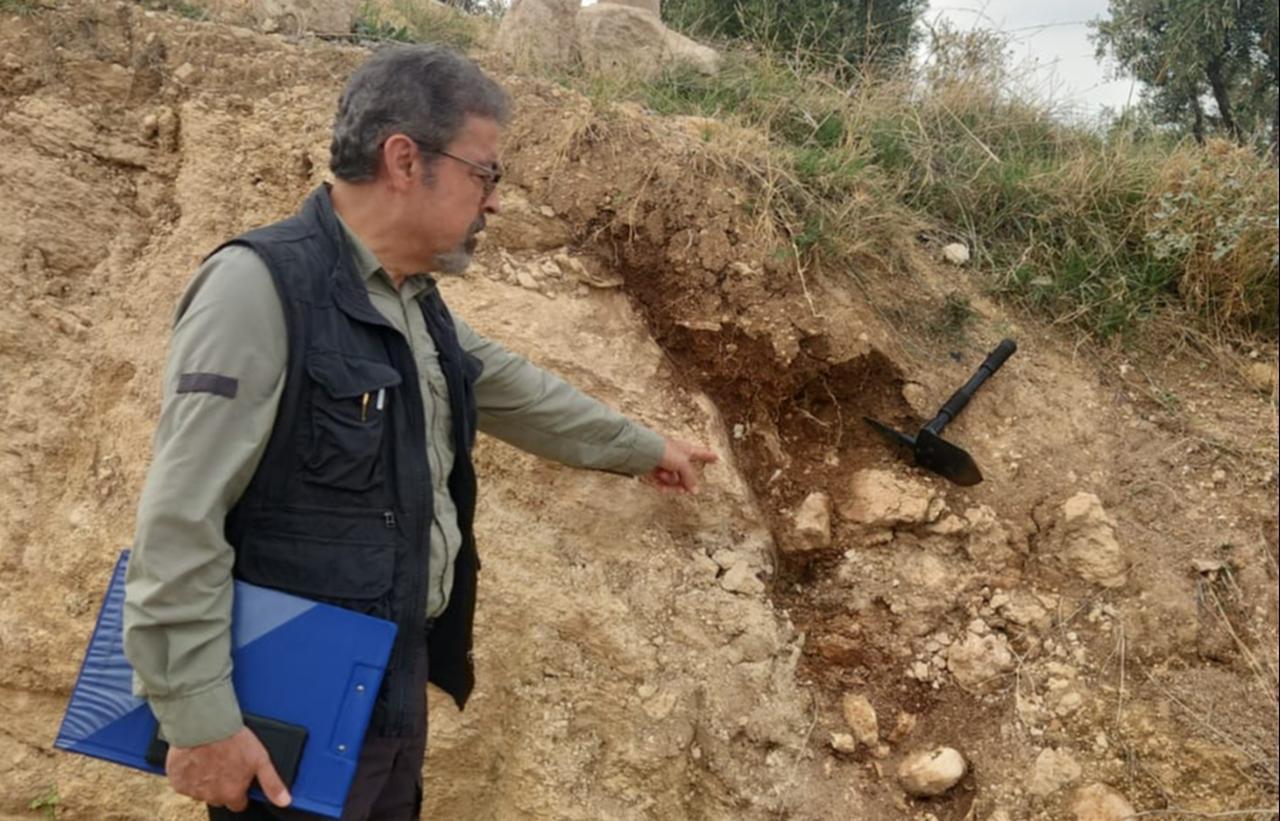
The next phase will involve opening geological trenches along the fault lines to uncover evidence of earlier earthquakes preserved beneath the ground.
Researchers have identified at least two potential trench locations on each fault examined during the initial fieldwork.
The planned trenches will measure approximately 20 to 30 meters in width and reach depths of 3 to 4 meters, allowing scientists to examine underground geological layers and collect samples for laboratory analysis.
According to Sozbilir, the findings will help researchers reconstruct past earthquake activity and evaluate the potential seismic threats associated with individual fault segments.
The Turkish research team also includes AFAD Earthquake and Risk Reduction Director General Professor Orhan Tatar, who coordinates the project, Professor Volkan Karabacak of Eskisehir Osmangazi University and Hasan Elmaci from MTA.
 1 min read

The research team plans to return to Syria according to a schedule to be determined by AFAD, when trench excavations and sample collection will move forward.
By establishing the timing of previous ruptures and examining the geological characteristics of individual faults, scientists aim to better understand which segments could generate earthquakes in the future.
Sozbilir said the completed investigations would help clarify the level of danger posed by the cross-border fault systems to both Türkiye and Syria, although the findings will depend on the results of the planned excavations and laboratory analyses.


 Set as preferred source
 Set as preferred source




 1 min read


