Newsletters


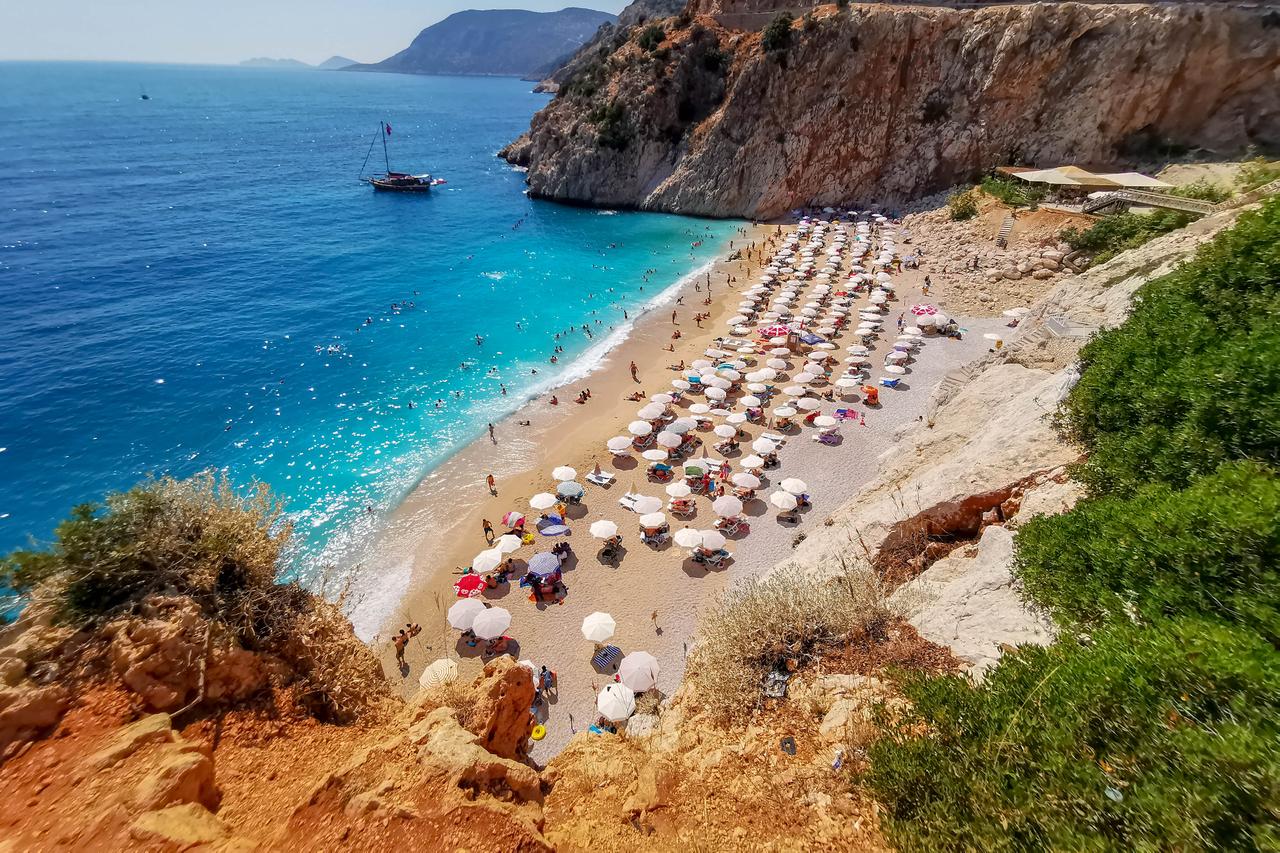


Kaputas Beach, located on Türkiye’s southwestern Mediterranean coast between the towns of Kas and Kalkan, has once again been highlighted in international tourism rankings for 2026.
The beach has been featured in multiple curated selections, including the “World’s 50 Best Beaches” global ranking, where it placed among the top coastal destinations worldwide, and the European Best Destinations “Best Beaches in Europe 2026” list, published by European Best Destinations.
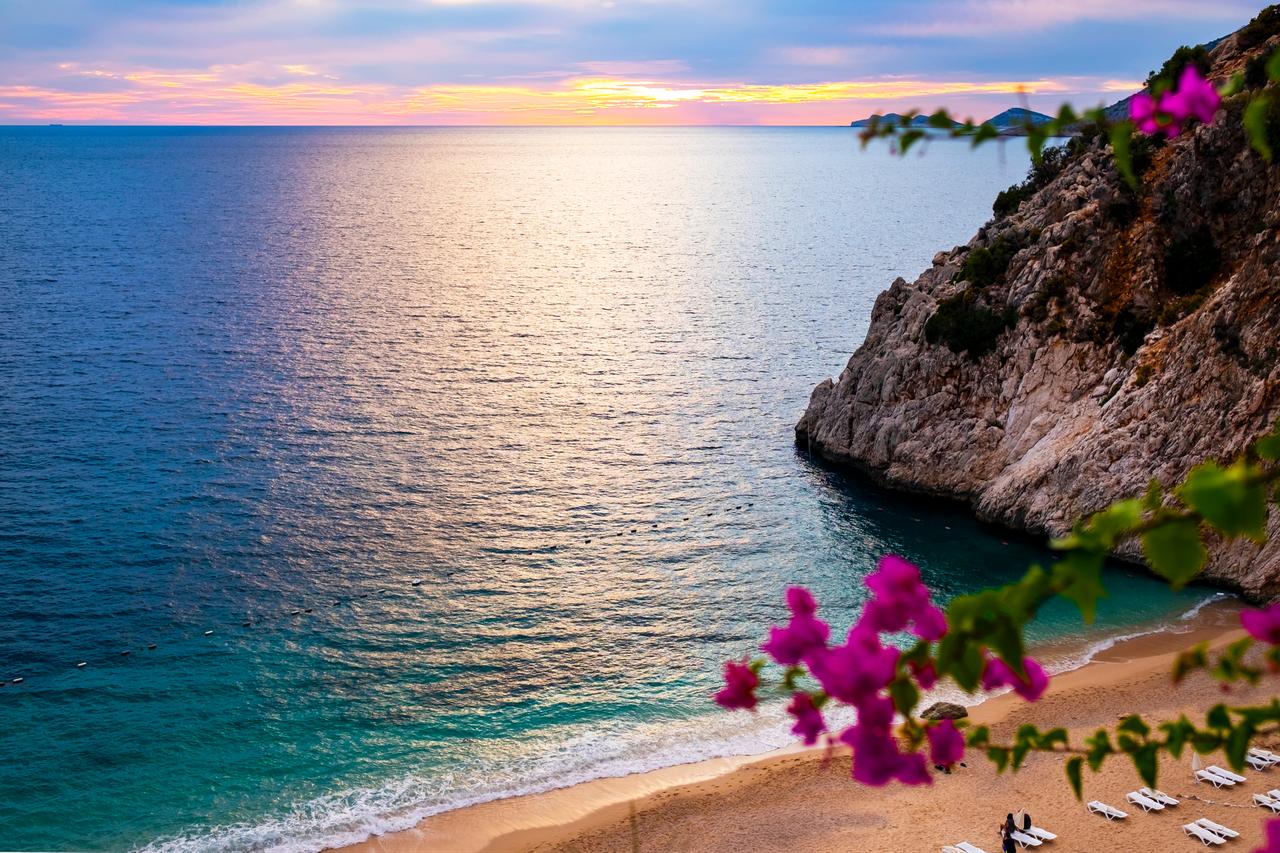

Kaputas Beach is widely recognized for its dramatic geographical formation. It sits at the mouth of a narrow canyon where steep limestone cliffs descend sharply toward the Mediterranean Sea.
This natural structure not only creates a visually striking amphitheater-like setting but also contributes to the beach’s characteristic turquoise color.
The shoreline itself is relatively small and consists of a mix of fine sand and pebbles. Behind it, steep rock walls frame the cove, giving the beach a secluded and almost enclosed appearance.
One of Kaputas Beach’s defining features is its access route: visitors reach the shore by descending approximately 170–180 steps carved into the cliffside from the D400 coastal highway.
This natural “barrier” limits excessive crowds on the beach at any one time, helping preserve its relatively unspoiled character.
Despite its popularity, the area remains largely protected, with limited development compared to other Mediterranean coastal destinations.
Basic facilities such as seasonal showers, changing areas, and a small cafe are available, but large-scale commercialization is intentionally minimal to maintain the beach’s natural appeal.
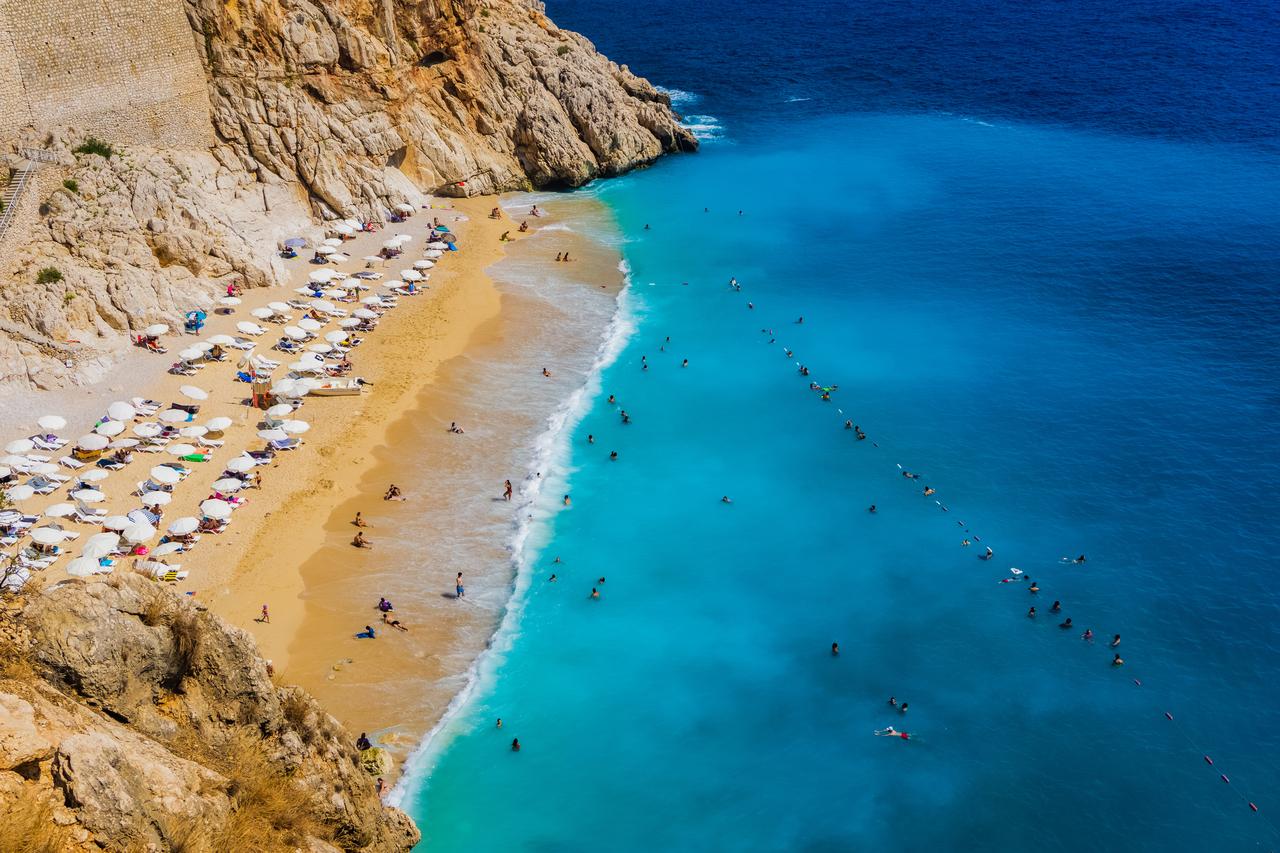
Kaputas is especially known for its clear, deep-blue waters. The sea becomes deep quite close to the shoreline, making it particularly suitable for confident swimmers.
The water clarity is influenced by the canyon’s freshwater flow mixing with seawater, which enhances the beach’s vivid color tones.
Calm sea conditions are common during the summer months, although currents can vary depending on weather patterns. The beach is also occasionally used as a stop point for yacht routes along the Turkish Riviera.
Nearby attractions further enhance its appeal, including ancient Lycian cities, coastal hiking routes such as the Lycian Way, and natural landmarks like Saklikent Canyon and Patara Beach.


 Set as preferred source
 Set as preferred source


 1 min read

 1 min read