Newsletters


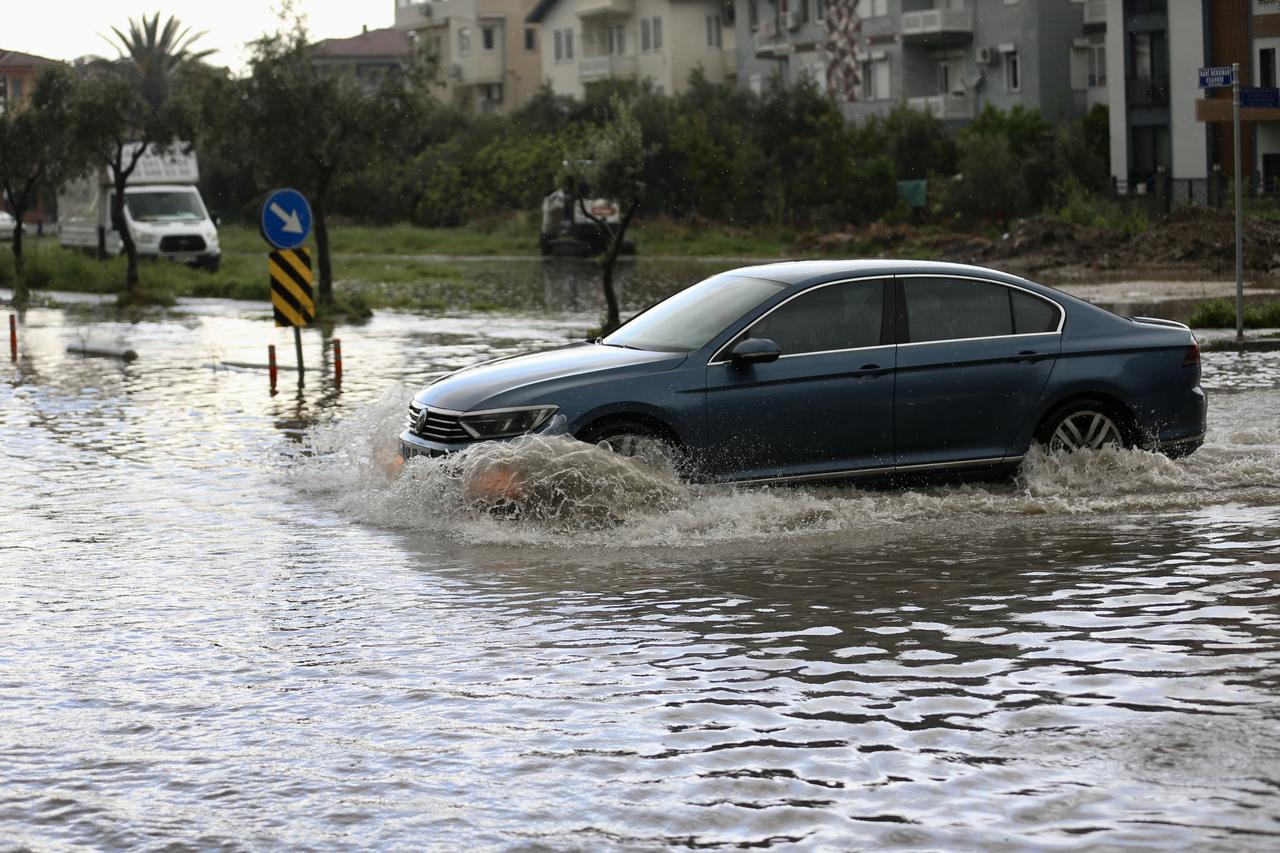


Türkiye's rainfall in March 2026 rose sharply from a year earlier, with the country receiving nearly three times more precipitation than in March 2025, according to data compiled from the Turkish State Meteorological Service's monthly areal precipitation report.
The key shift came as nationwide rainfall climbed well above both the long-term seasonal average and the level recorded in the same month last year. March 2026 brought 81.1 kilograms of rainfall per square meter across Türkiye, compared with 28.8 kilograms in March 2025. The long-term March average for the 1991-2020 period stands at 61.2 kilograms.
The data showed that rainfall increased by 33% compared with the seasonal norm and almost tripled year-on-year. While conditions varied by province, the broad national picture pointed to a much wetter March, especially across southern and southeastern parts of the country.
Rainfall fell far below normal in parts of northwestern, northern, and eastern Türkiye, including provinces such as Edirne, Canakkale, Bursa, Zonguldak, Samsun, Trabzon, and Erzurum, where declines exceeded 60% in some areas.
At the same time, rainfall rose by more than 100% above seasonal norms in and around Istanbul, Yalova, Aydin, Manisa, Konya, Mersin, Adana, Hatay, Ardahan, Kars, and Hakkari, as well as in eastern Afyonkarahisar, western Antalya, and across the whole of Southeastern Anatolia.
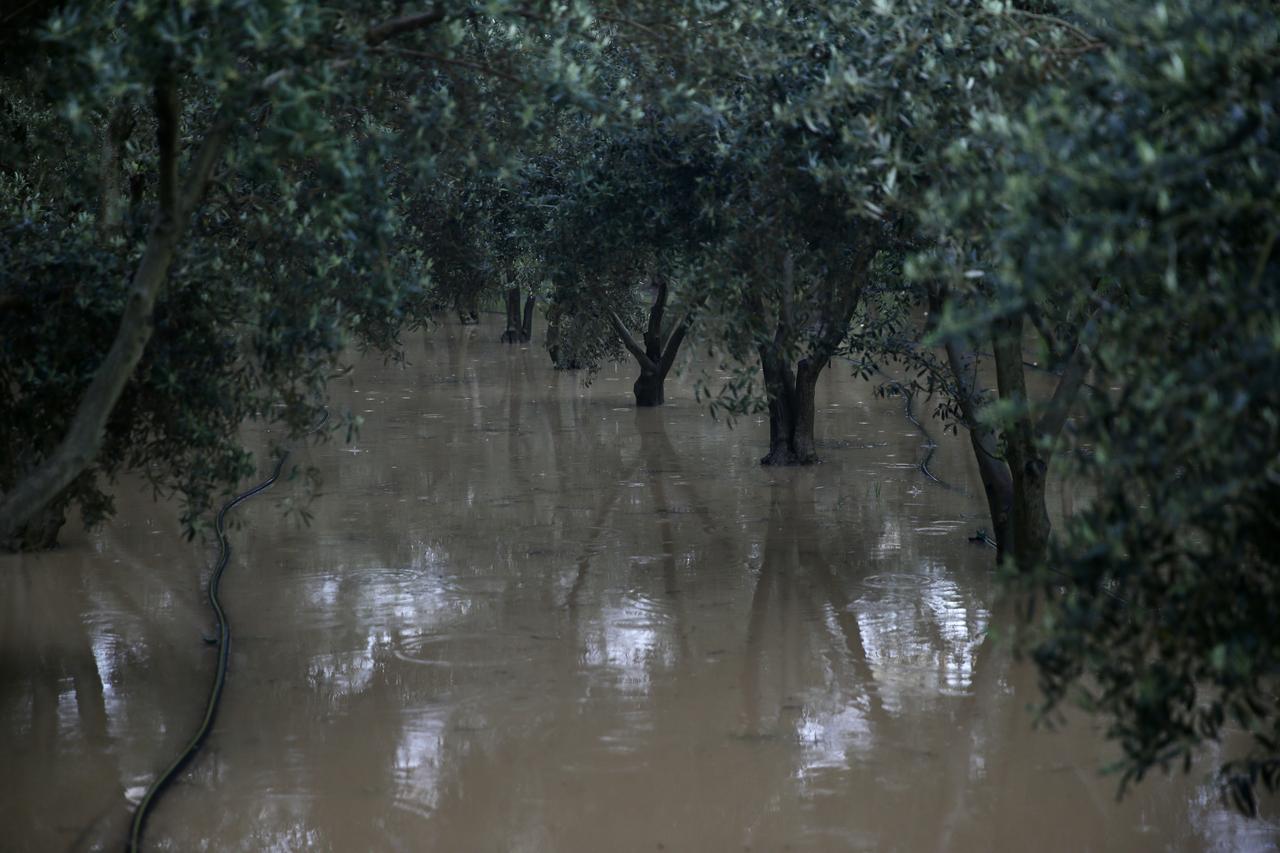

Regional data showed the strongest increase in Southeastern Anatolia, where rainfall more than doubled compared with both the long-term average and the same month last year. The region recorded 186.1 kilograms per square meter, marking its highest March rainfall in the last 30 years.
The Mediterranean region also stood out. It received 116.1 kilograms of rainfall per square meter in March, up 69% from normal levels and more than double the amount recorded a year earlier. This made it the wettest March for the region in 11 years.
Elsewhere, rainfall also rose above normal in the Aegean, Eastern Anatolia, and parts of the south, while Marmara remained close to average. Central Anatolia and the Black Sea region, by contrast, stayed below normal despite some year-on-year gains.
At the provincial level, Sirnak recorded the highest total rainfall in March, with 281.3 kilograms per square meter, while Amasya saw the lowest level at 21.5 kilograms. Bartin posted the sharpest drop compared with its normal, with rainfall down 61%.
Several provinces, including Siirt, Mersin, Adana, Diyarbakir, Gaziantep, Kilis, and Mardin, reached their highest March rainfall in 30 years. On the other end of the scale, Sinop recorded its lowest March rainfall in 40 years, while Bartin, Tokat, Gumushane, and Samsun also saw multi-decade lows.
Türkiye recorded an average of 11.5 rainy days in March. In the Aegean region, western parts of Marmara and the Mediterranean, the central Black Sea and central Anatolia, rainy days generally ranged between five and 10.
In Hakkari and Sirnak, however, the number of rainy days climbed above 25, underlining how unevenly the month's precipitation was distributed across the country.


 Set as preferred source
 Set as preferred source




 6 min read