Newsletters


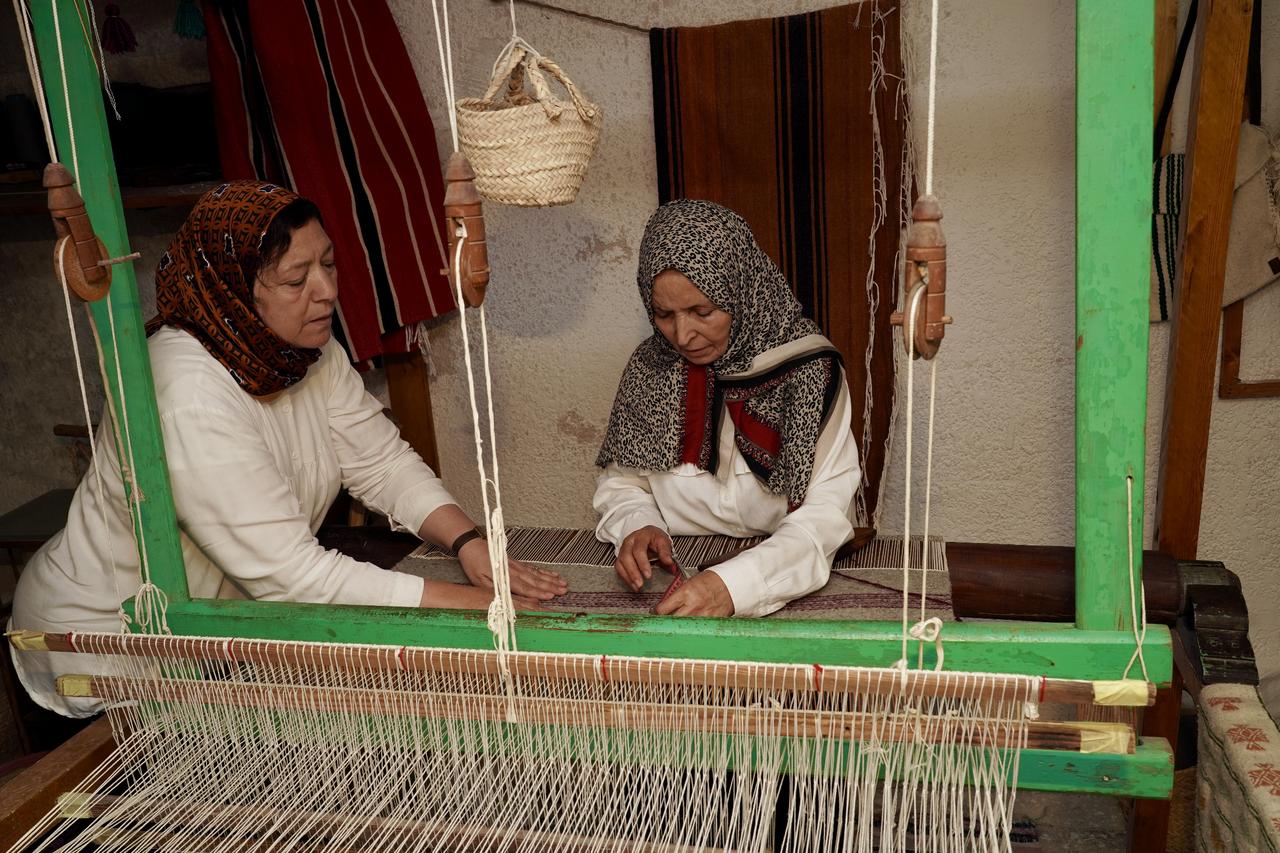


In a workshop in the heart of Tripoli's old city, the steady clack of a century-old wooden loom is a sound few Libyans hear anymore. Cousins Zeynep Madi and Ayse Madi are working to make sure it doesn't disappear.
The two women are among only a handful of artisans still weaving by hand in the Libyan capital, carrying on a craft that has been passed down through generations since the Ottoman era.
Rugs, kilims, silk and wool garments, ferace robes, and blankets were once woven in Libyan homes and workshops as everyday essentials. Today, only a few workshops keep the tradition going.
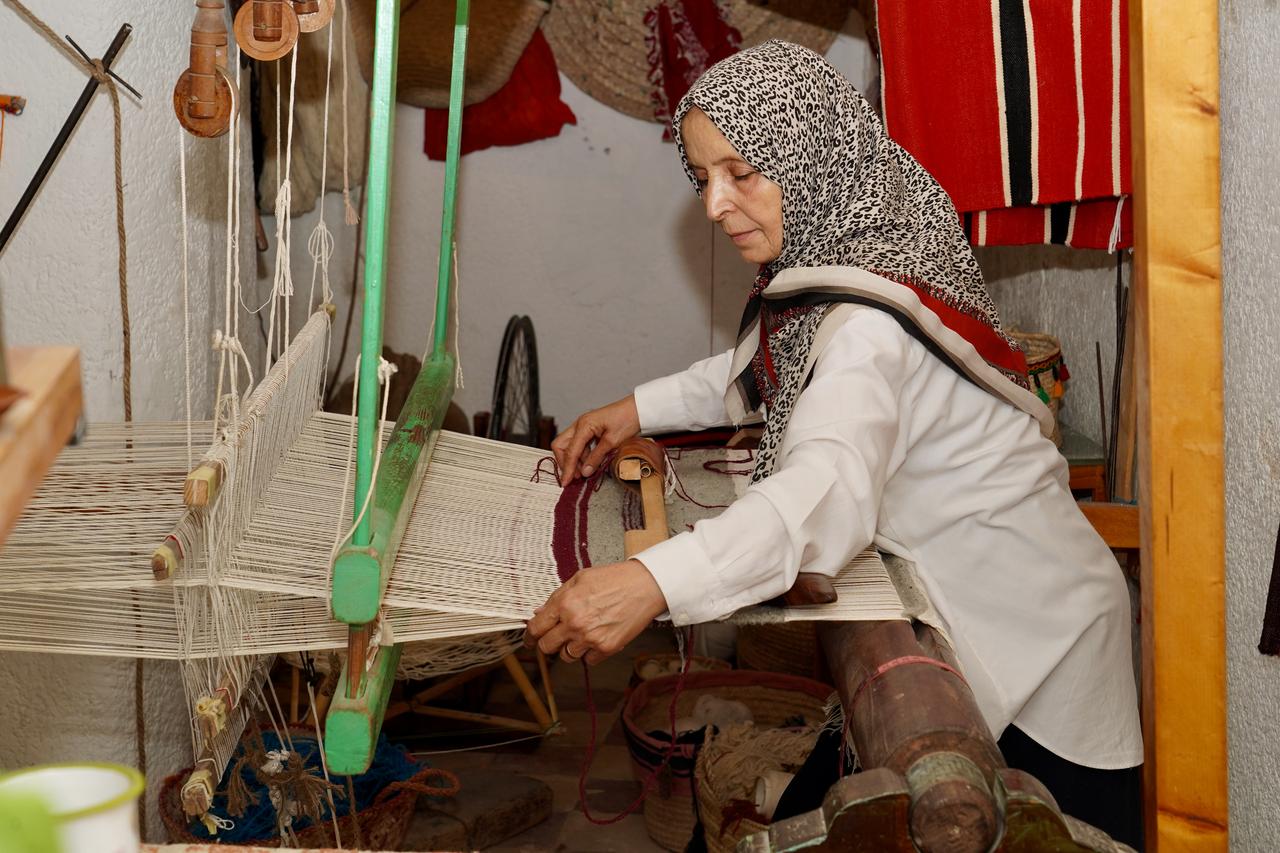

For Zeynep Madi, weaving was part of life long before it became a profession. As a child, she helped the women of her family wash, comb and spin wool.
"My mother, my grandmother, my aunts, all the women in the family worked with wool," she said. "We helped them with washing, carding and spinning."
She trained under Abdulbasit al-Tajuri, whom she describes as the last master working at a weaving loom in Libya. The trade had traditionally been run by men, and the cousins became the first women to work in it alongside him.
"In the past there were no clothing factories, and weaving was a vital need," Madi said. Families wove their own blankets, and women made traditional garments known as "jerd" and "huly." In the Nafusa Mountains, famous for their bitter winters, wool was what kept people warm.
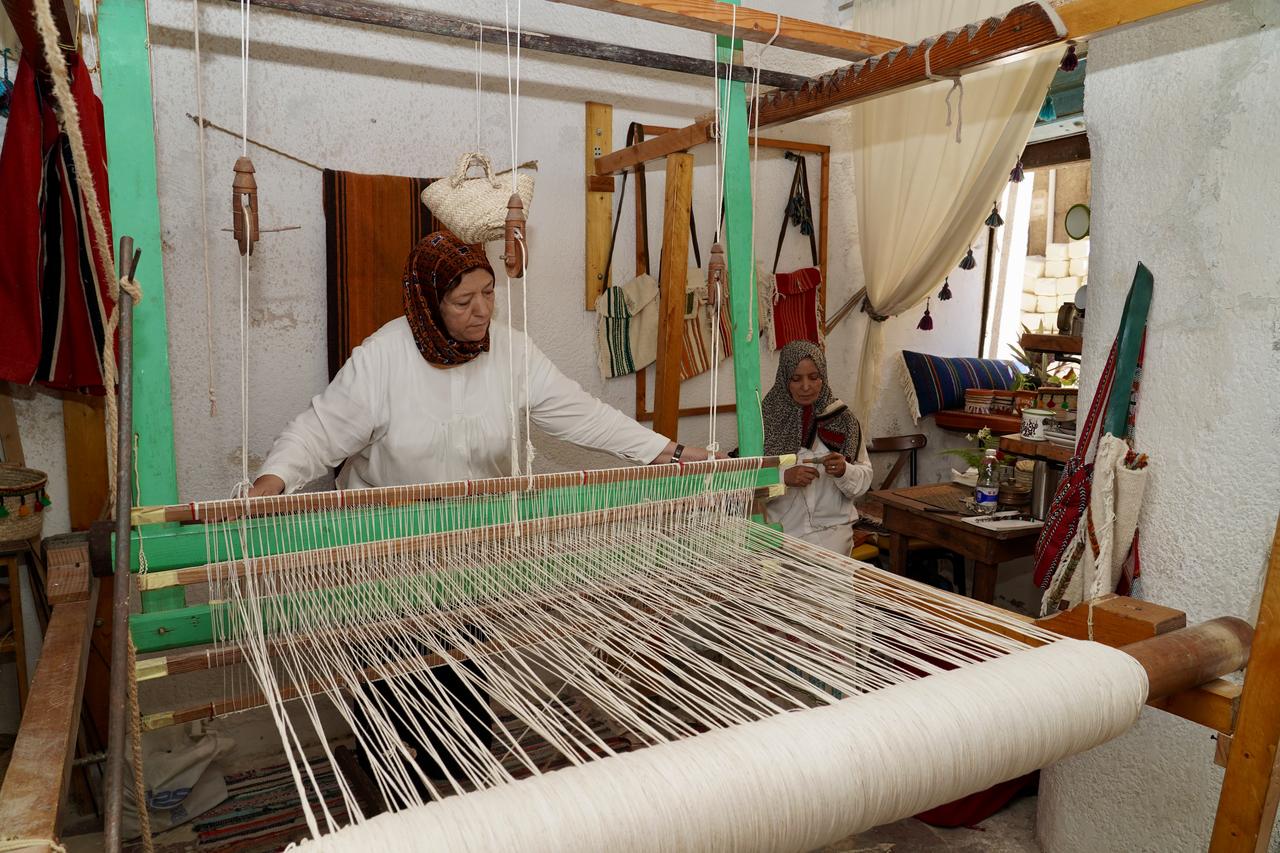
Sourcing materials is the hardest part. Ayse Madi said Libya has enough raw wool in principle, but little is produced because demand has been low.
To get quality materials, the cousins travel to Djerba Island in Tunisia, where they choose the wool and colors in person before bringing them back.
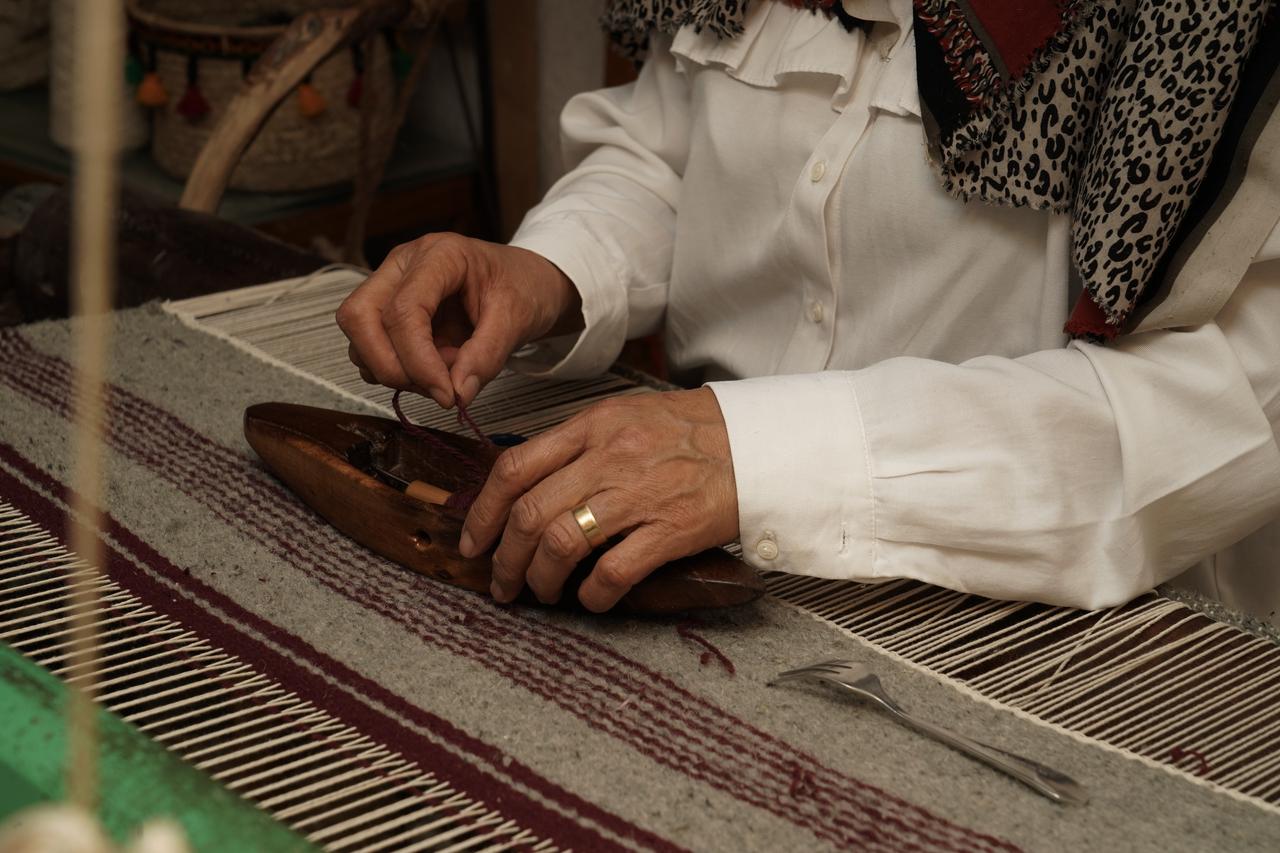
To win over younger customers, the cousins have broadened their range. Alongside rugs and kilims, they now make handbags, backpacks, laptop sleeves and cushions, and they develop new designs on request.
"We adapted production to the modern age to attract young people," Ayse Madi said.
"The number of masters weaving on a loom in Tripoli has dwindled to a handful, but people are slowly returning to this deeply rooted culture. As training expands and more young people turn to it, our traditional weaving will be saved from extinction."


 Set as preferred source
 Set as preferred source



 1 min read