Newsletters


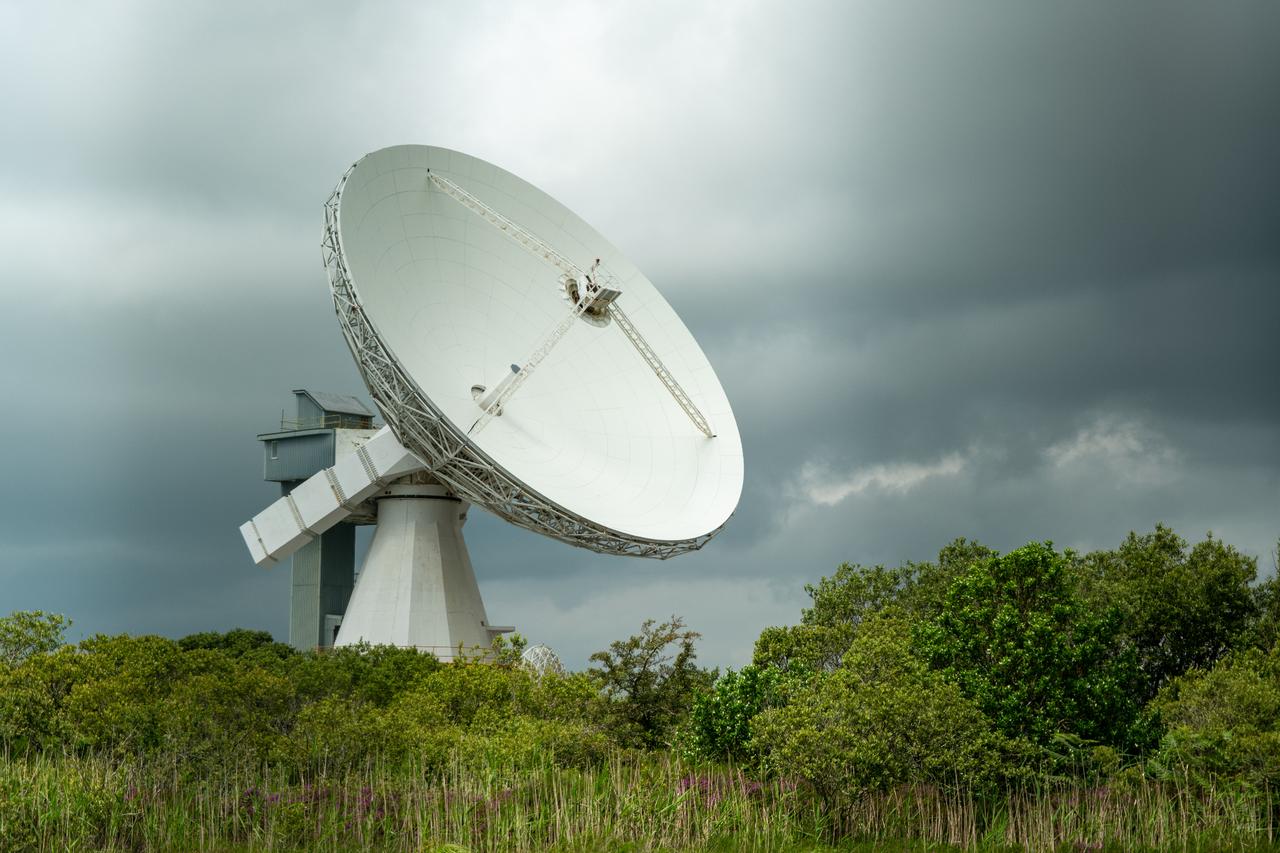


The United Nations said on Monday that radio frequencies needed for weather forecasts, early warning systems, climate monitoring and water management must be safeguarded against growing interference from emerging technologies.
The International Telecommunication Union (ITU) and the World Meteorological Organization (WMO) will meet in Geneva this week for an expert seminar. The two agencies are calling on governments and regulatory authorities to protect access to frequencies vital for meteorology.

The agencies warned that increasing use of frequencies by other radio communications services, including wireless and satellite services, is raising the risk of interference in the bands required for Earth observation.
Some sensors measure very weak, naturally occurring signals at specific frequencies, which makes protection from harmful interference particularly important.
These systems enable observations of the atmosphere, oceans and land, and transmit data that supports early warnings, weather forecasting and long-term climate monitoring.
Weather radar, lightning location systems, aircraft and marine observation, hydrological monitoring and other systems rely on these frequency bands to collect and exchange data.
According to the agencies, radio frequency interference could disrupt measurements and reduce data quality or availability. This could compromise the reliability of forecasts and alerts and affect authorities' ability to prepare for and respond to environmental hazards.
ITU head Doreen Bogdan-Martin said satellites are measuring changes in the oceans and atmosphere, while radars track storms as they develop.
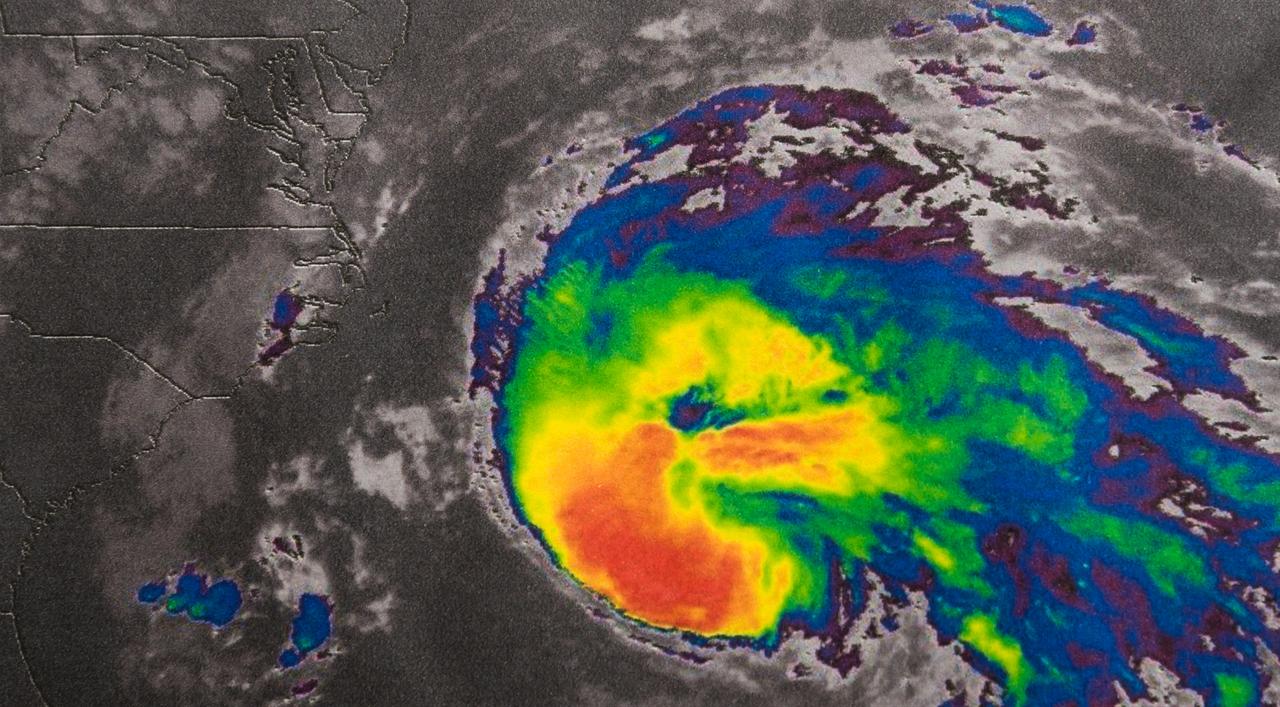
She referred to the nor'easter storm that hit the densely populated U.S. Northeast corridor at the weekend, knocking out power for thousands of people and killing at least one person.
Bogdan-Martin said interference-free spectrum keeps forecasts accurate, emergency alerts timely and climate data reliable, allowing communities to prepare, respond and build resilience.
"Preventing harmful radio interference is a matter of public safety and can save lives," she said.
WMO chief Celeste Saulo described how the systems work. She said a storm reveals itself through the faint natural signals it emits and through the echoes returned by signals sent to detect it.
Saulo said a physical relation exists between the size of droplets and ice crystals in clouds and the frequency spectrum.
According to Saulo, the frequencies enable observations that no other frequencies can provide.
"These bands must be protected," she said.


 Set as preferred source
 Set as preferred source



 1 min read