Newsletters


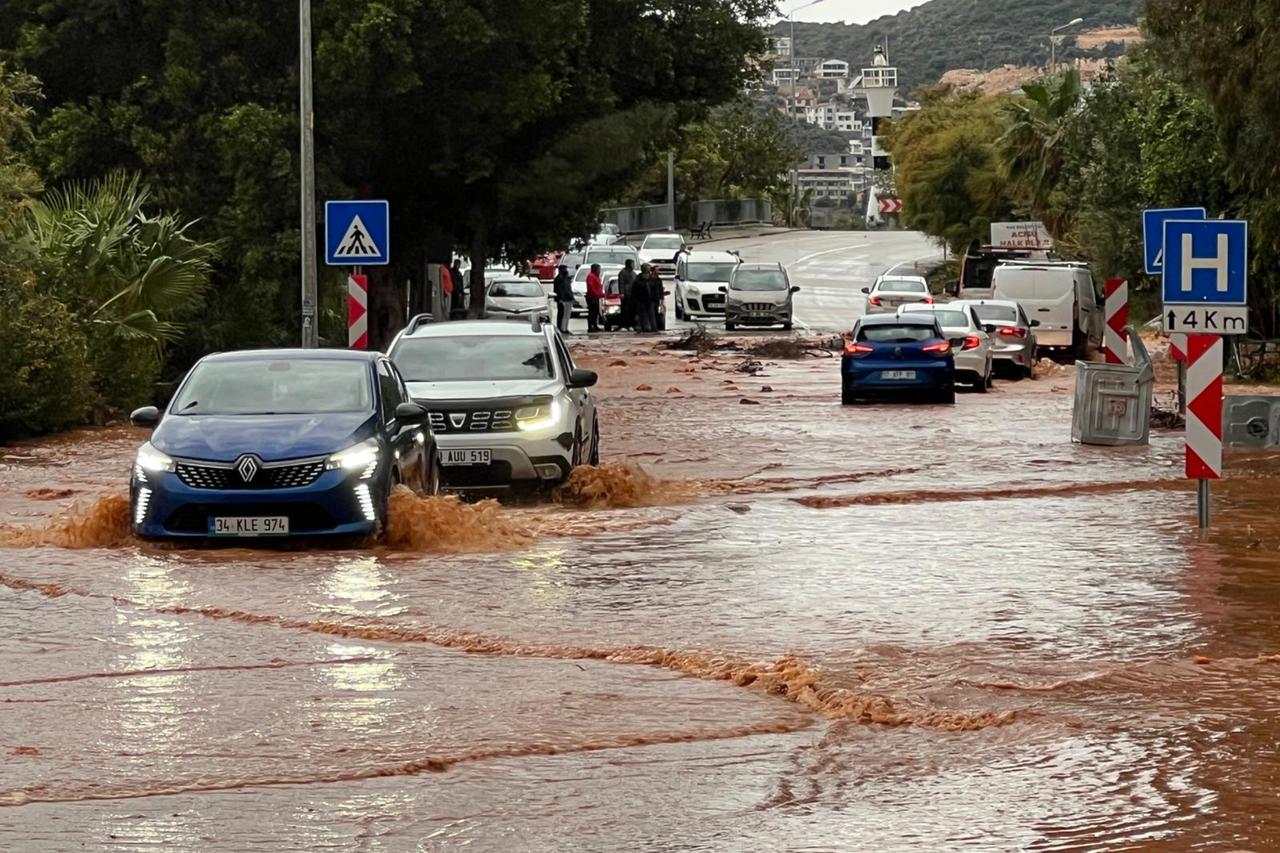


In Türkiye, awareness of meteorological warning codes is crucial in reducing damage and casualties during extreme weather events. Professor Mikdat Kadioglu, a faculty member at Istanbul Technical University’s (ITU) Department of Climate Science and Meteorology, emphasized that correctly interpreting the color-coded alerts issued by the Turkish State Meteorological Service (MGM) can significantly enhance public safety.
“People who understand the warning codes are better prepared for disasters. This reduces both human losses and recovery time,” Kadioglu explained in a recent interview.
Meteorological color codes are more than just weather information; they act as a direct guide for risk management. Türkiye uses a system called MeteoUYARI, based on Europe’s MeteoAlarm platform, which covers 34 countries. Alerts are classified according to severity, duration, geographical reach, and frequency of weather events.
“Each color represents a different level of risk, and it tells people exactly how to respond. However, the meaning of these colors is not always well understood,” Kadioglu noted.
Authorities mark regions on maps by risk level, making it essential for residents to follow MGM’s official sources and mobile applications regularly.
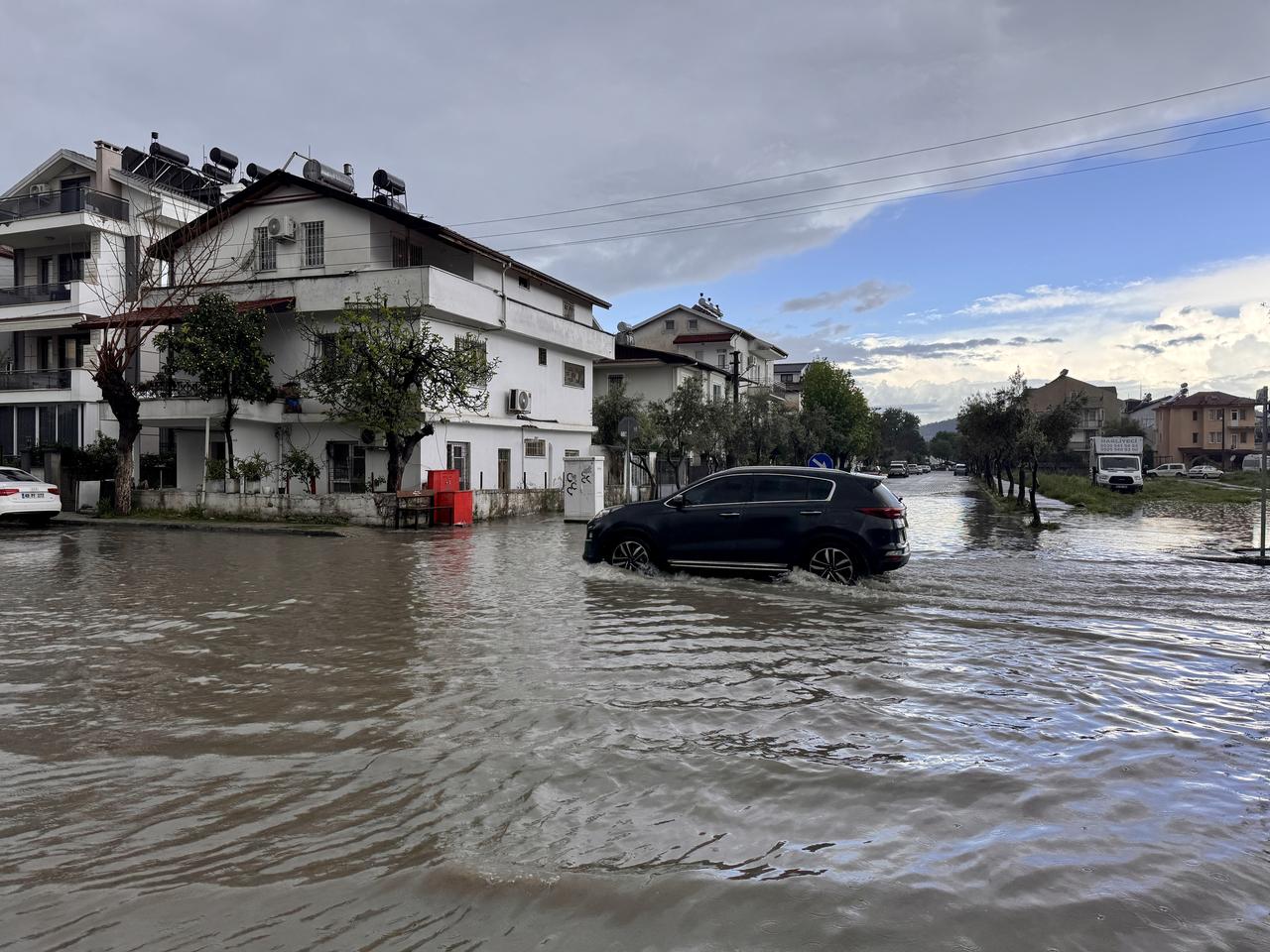

MeteoUYARI tracks twelve types of extreme weather events, including heatwaves, cold spells, heavy rainfall, strong winds, snow, ice, avalanches, and dust transport. Kadioglu advised simple precautions such as avoiding riverbeds during sudden floods, staying clear of trees or poles in strong winds, and reducing speed in dense fog, measures that can save lives.
Kadioglu also pointed out challenges in public understanding. Media reports often describe storms generally without specifying the alert level, which can lead to confusion. Social media has seen false interpretations, such as equating yellow alerts with school closures. “The color code is a meteorological risk indicator, not an administrative decision,” he clarified.
Beyond individual safety, public understanding of warning codes reduces economic damage, speeds recovery, and lessens the burden on disaster response agencies like AFAD. Kadioglu recommended incorporating the system into educational curricula, improving media communication, and increasing use of digital applications.
| Color | Risk Level | Impact | Occurrence (%) | Recommended Action |
|---|---|---|---|---|
| Green | Low | 1 | 30 | Normal life |
| Yellow | Moderate | 4 | 55 | Stay alert |
| Orange | High | 7 | 12 | Take precautions |
| Red | Very high | 10 | 3 | Stay indoors, act urgently |


 Set as preferred source
 Set as preferred source



 3 min read