Newsletters


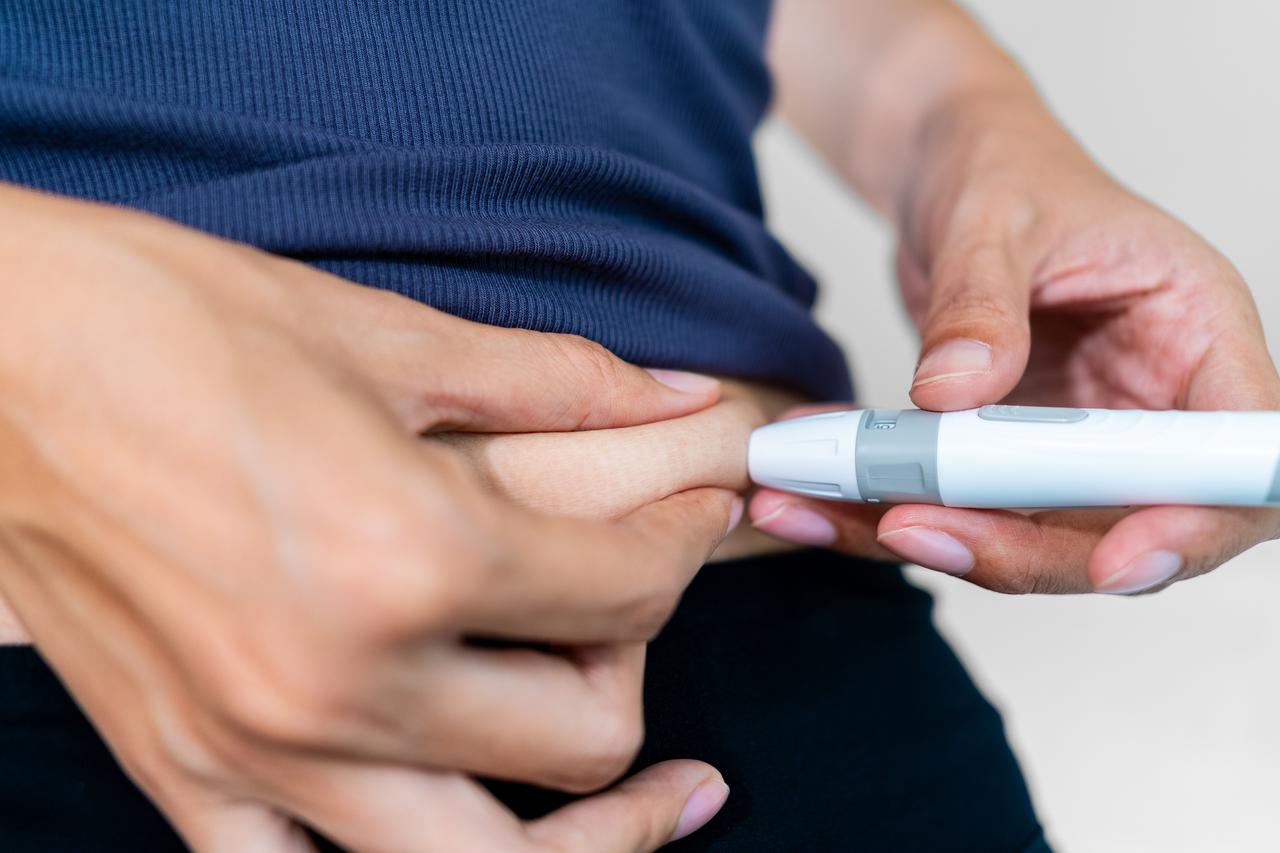


People who lose weight rapidly with weight-loss injections should consume 1 to 1.5 grams of protein per kilogram of body weight daily to preserve muscle mass and reduce skin changes, according to Prof. Dr. Ozlem Su Kucuk, head of the Dermatology Department at the Bezmialem Vakif University Faculty of Medicine.
Kucuk spoke to Anadolu Agency in Antalya, a Mediterranean coastal city in southern Türkiye, where she attended the 34th National Dermatology Congress organized by the Turkish Dermatology Association.
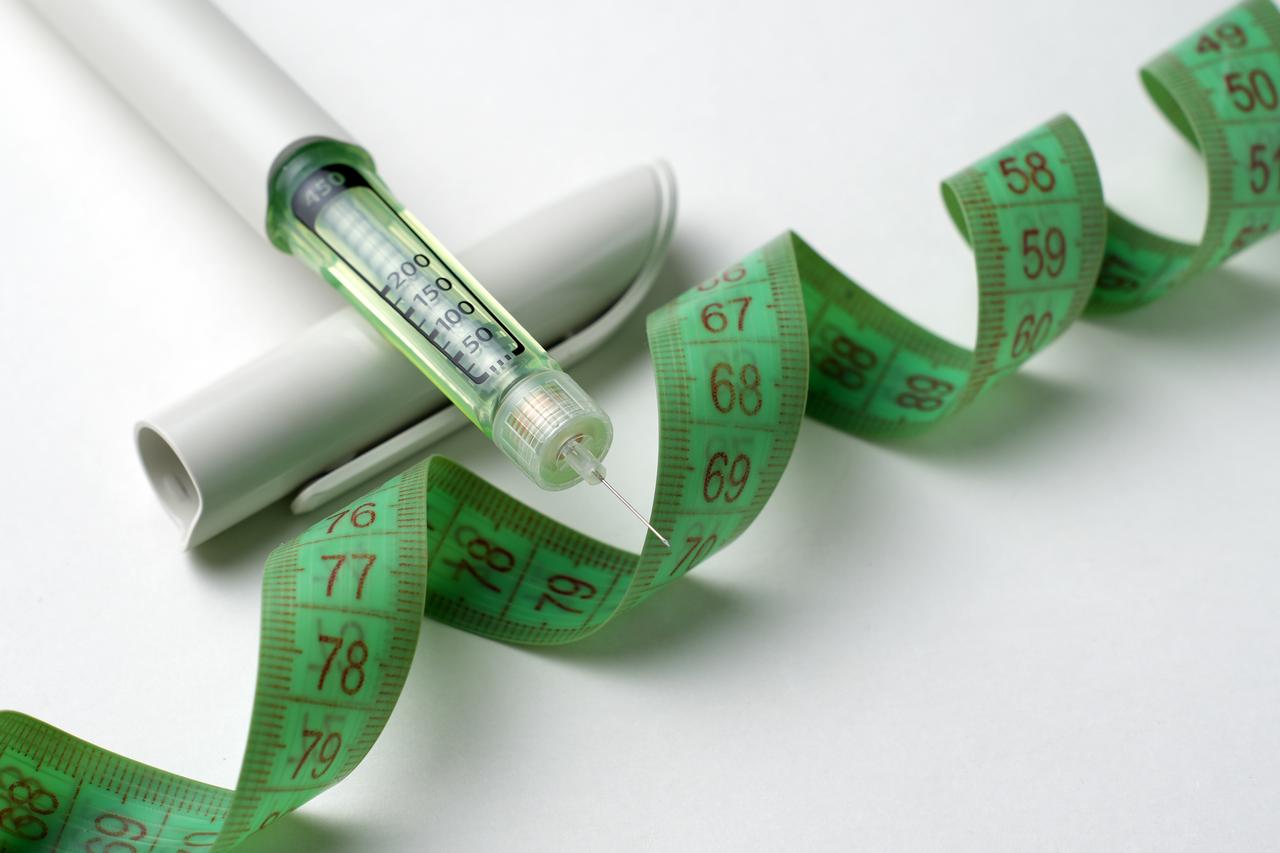

Injectable weight-loss medications, many of them GLP-1 receptor agonists, have gained popularity worldwide in recent years. Kucuk said these treatments have become widespread and must be used under a physician’s supervision. She noted that rapid weight loss can reduce muscle mass as well as fat tissue.

According to Kucuk, losing facial fat can lead to sunken cheeks, hollowing under the eyes, dark circles, wrinkles, and sagging in the face and neck. This appearance is commonly referred to as “Ozempic face,” after Ozempic, the brand name for the drug semaglutide.
Kucuk pointed to healthy eating and exercise as the main ways to prevent it. “During the rapid weight loss process, 1 to 1.5 grams of protein per kilogram needs to be consumed daily,” she said.
Kucuk added that resistance exercises and adequate water intake also help preserve muscle mass, and that dietary supplements should be taken only on a specialist’s recommendation.

If pronounced sagging and wrinkles appear on the face after rapid weight loss, Kucuk said, a dermatologist can be consulted. When necessary, treatments such as platelet-rich plasma (PRP), a procedure that uses a concentrate of the patient’s own blood platelets, and dermal fillers may be considered.
She stressed that specialist physicians should plan aesthetic procedures based on each person’s needs, warning that turning to unqualified practitioners can cause serious health problems.
Kucuk also said uncontrolled use of herbal products and vitamin supplements can lead to skin reactions, drug interactions and harmful effects on the liver and kidneys.


 Set as preferred source
 Set as preferred source



 3 min read