Newsletters





Türkiye’s private healthcare sector attracts patients from around the world for its affordability and quality. What happens when one of the country’s leading historians becomes a patient himself?
Historian Ilber Ortayli recently found himself confronting that question firsthand after a sudden medical emergency in Türkiye. He later described the experience in a column that quickly drew public attention.
In a Hurriyet column published on Feb. 15, Ortayli recounted his experience at Koc University Hospital, where he underwent surgery and later required urgent medical intervention following a sudden complication.
He described the response of medical staff and used the experience to reflect on professional responsibility, merit, and the importance of competent institutions.
Ortayli is one of Türkiye’s most prominent historians and public intellectuals. His work focuses on Ottoman history, world history, and cultural heritage, and many of his books have been translated into several languages.
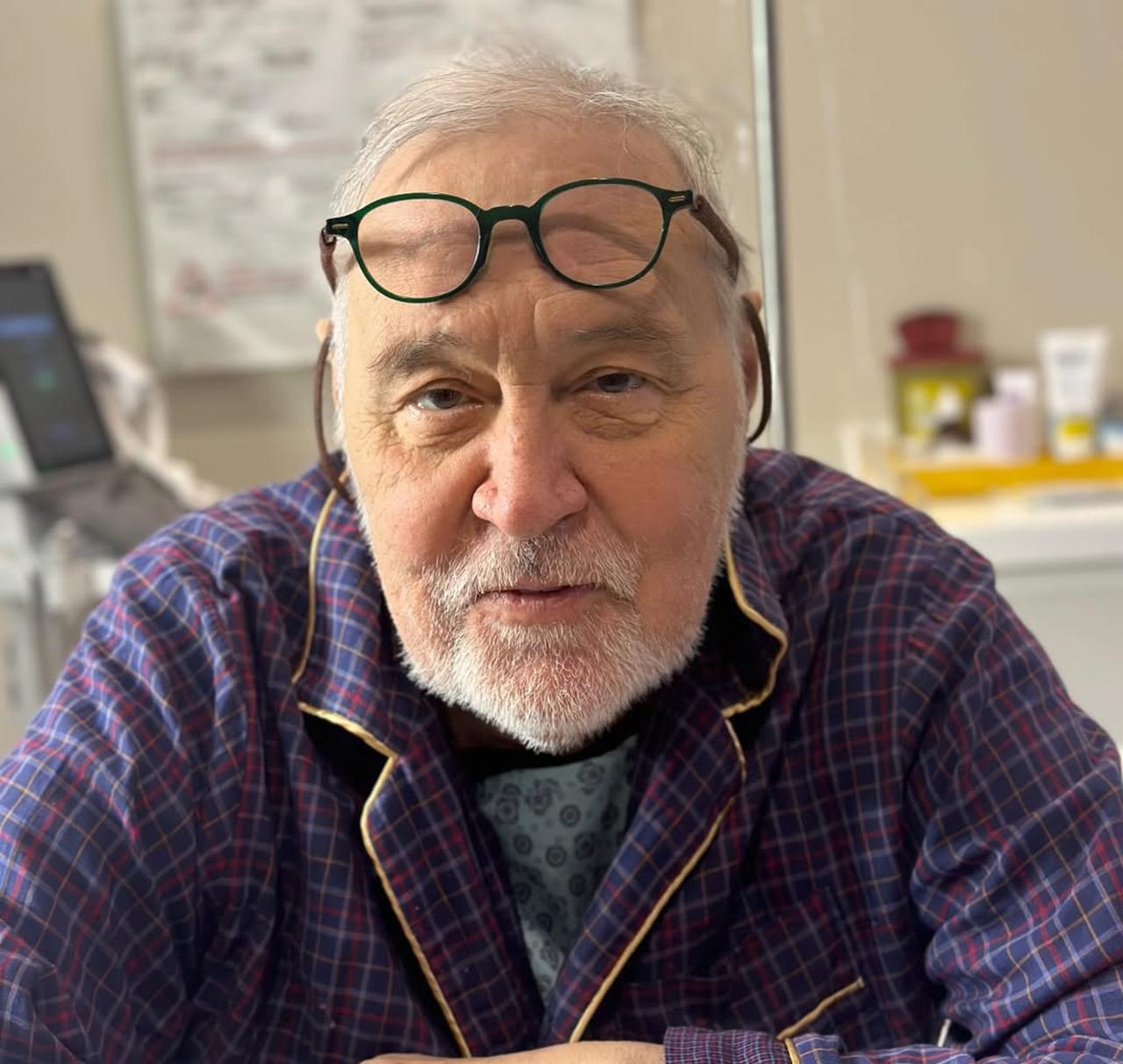

Ortayli said he first underwent surgery earlier in the week after entering the operating room, accompanied by Professor Dr. Yakup Kordan at Koc University Hospital.
He described the hospital environment as disciplined and orderly, noting the seriousness of modern medical practice and the scale of organization required in healthcare.
According to Ortayli, the initial operation lasted several hours, and doctors later carried out additional medical procedures, which were completed successfully.
However, his condition worsened days later.
“On Sunday night, I suddenly became ill. The caregivers and nurses mobilized. They took me into a new operation. The sudden bleeding stopped,” he wrote.
He said medical staff quickly intervened after he experienced sudden internal bleeding. The emergency procedure stabilized his condition and relieved his suffering.
Ortayli named several healthcare workers who assisted him during the crisis, including caregiver Miss Sevim, Dr. Sevval Kanli, and nurses Tugba and Cagla. He described how the medical team worked together to respond rapidly and restore his health.
He wrote that such moments remind people that professionals who take their work seriously and act with conscience continue to serve in the country’s institutions. He expressed particular appreciation for the composure and practical skill of the women healthcare workers involved in his care, describing their response as calm and effective during a critical situation.
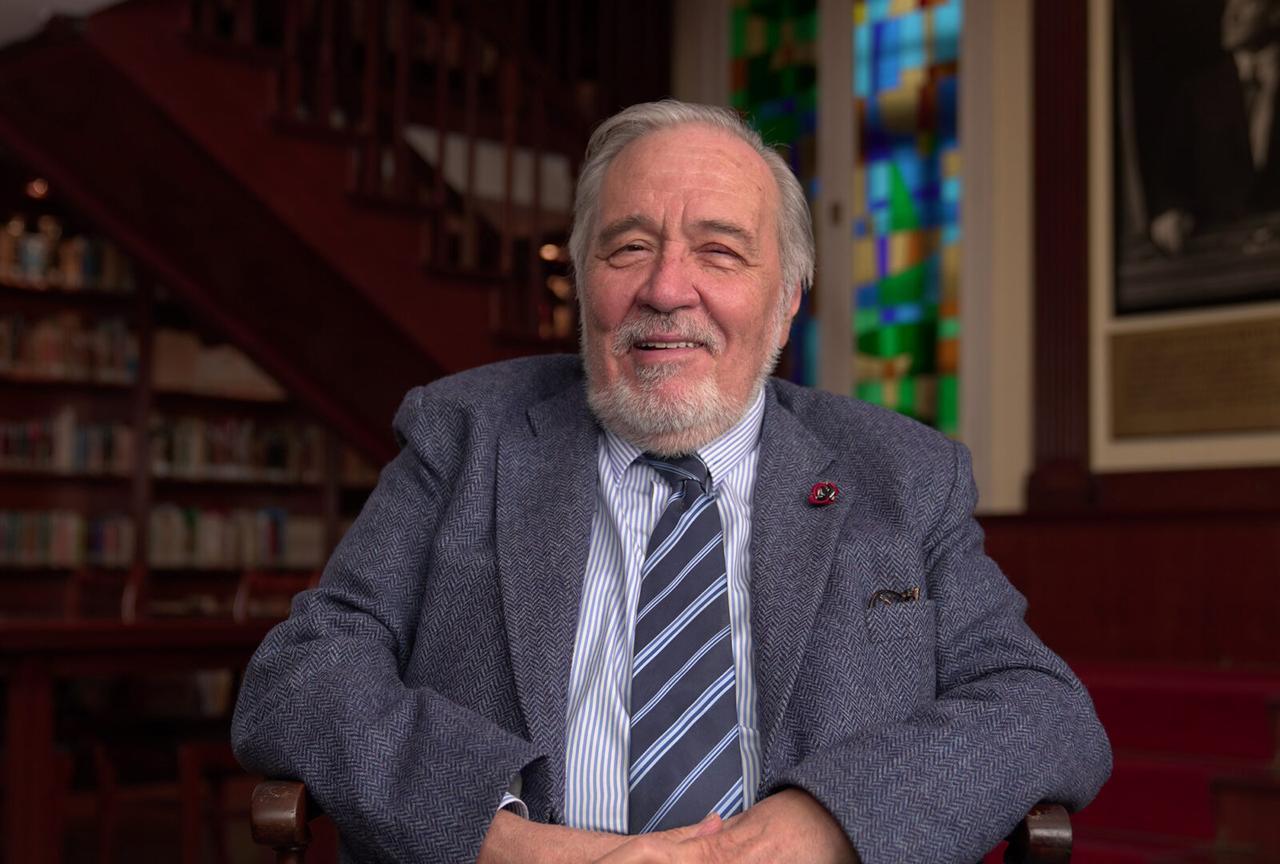
Beyond his personal experience, Ortayli used the incident to emphasize the importance of merit and competence in essential sectors such as healthcare and education.
He argued that certain fields must be managed by qualified professionals and warned that institutions cannot function properly without merit-based systems.
According to Ortayli, societies must recognize capable individuals and place them in appropriate roles to ensure the sustainability of public services.
He stressed that both healthcare and education require careful management by skilled professionals and that public institutions depend on expertise, discipline and professional ethics.
Ortayli framed his medical experience as more than a personal event.
He presented it as an example of the importance of institutional competence and collective responsibility, arguing that moments of crisis reveal the value of discipline, cooperation, and professional dedication in sectors that directly affect public welfare.


 Set as preferred source
 Set as preferred source



 3 min read