Newsletters


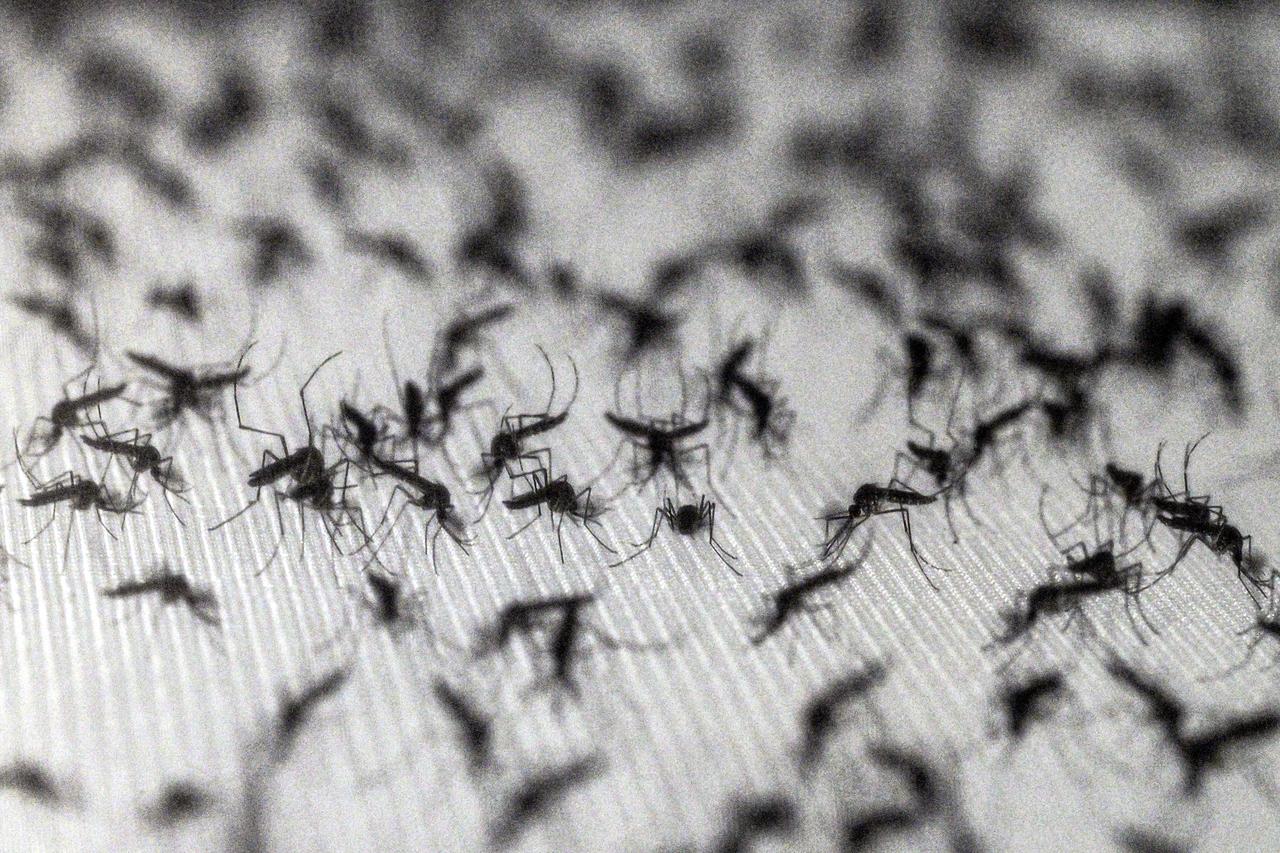


Mosquitoes kill around 760,000 people every year, making them the deadliest animals on Earth, more than lions, spiders or snakes.
Responsible for 17% of all infectious diseases worldwide, including malaria, dengue, yellow fever, chikungunya and Zika, the insects are drawing renewed scientific attention as rising global temperatures push them into new regions and extend transmission seasons.
Yet researchers are divided on the best response—and on whether eradication is even the right goal.
Of roughly 3,500 mosquito species, only around 100 bite humans. Just five species account for approximately 95% of human infections, according to Hilary Ranson, a vector biologist at the Liverpool School of Tropical Medicine.
Ranson told Agence France-Presse (AFP) that losing those five species "could be tolerated given the huge devastation" they inflict—from mass death to severe economic damage.
Dan Peach, a mosquito entomologist at the University of Georgia, broadly agreed, but said more comparative data on eradication versus alternative strategies is needed before firm conclusions can be drawn.
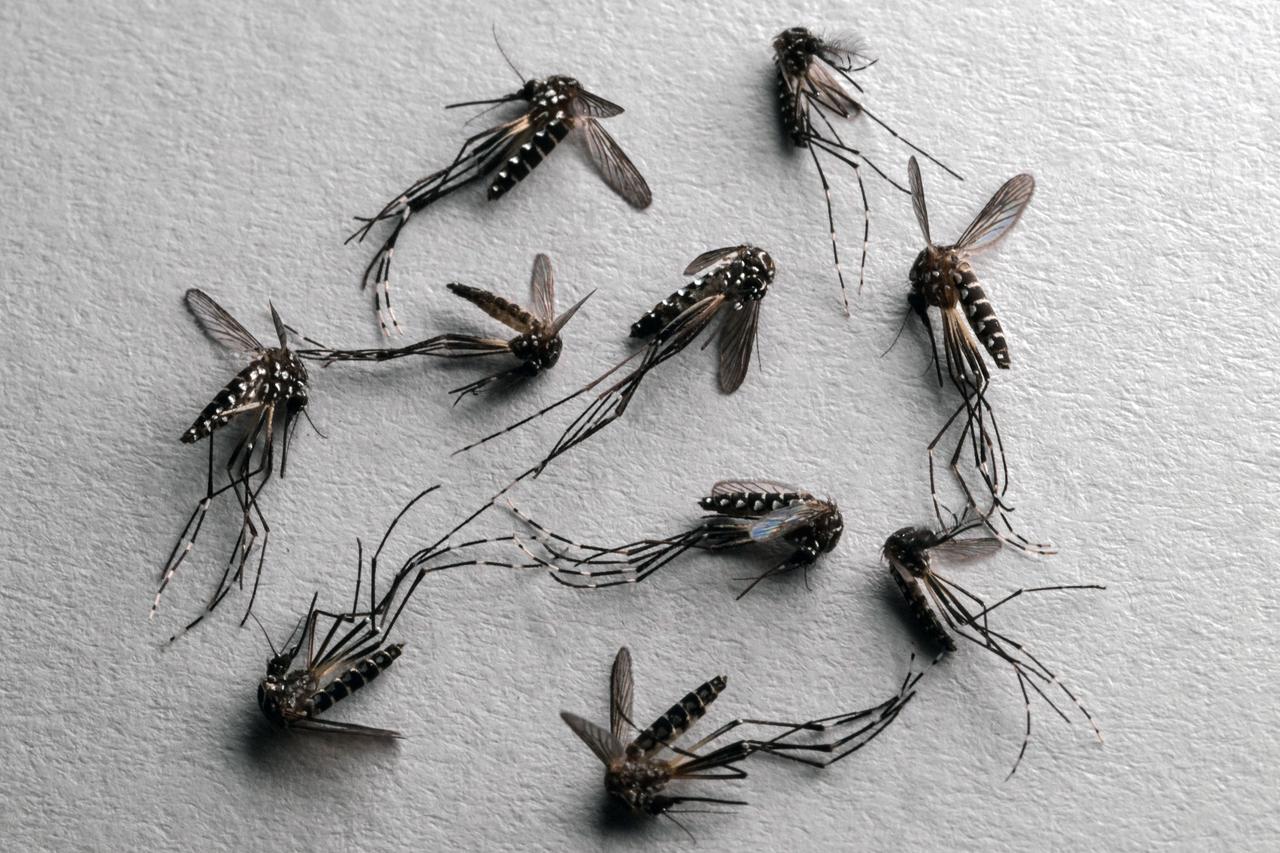

One of the most discussed technologies is gene drive, which genetically modifies animals so that specific traits are passed down through generations. In laboratory conditions, scientists made female Anopheles gambiae mosquitoes—the primary carrier of malaria—infertile, wiping out a test population within a few generations.
Target Malaria, funded by the Bill and Melinda Gates Foundation, has not yet tested gene-drive technology in Africa but plans an in-country trial by 2030.
The project suffered a setback when Burkina Faso's military-led government ended separate testing involving genetically modified mosquitoes, following criticism from civil society groups and disinformation campaigns targeting the research.
A separate approach involves infecting Aedes aegypti mosquitoes with Wolbachia bacteria, which can reduce or eliminate their capacity to transmit dengue.
When Wolbachia-infected sterile mosquitoes were released in the Brazilian city of Niteroi, dengue cases dropped by 89 percent.
More than 16 million people across 15 countries have since been reached by the program, with no reported negative consequences, according to Scott O'Neill, founder of the World Mosquito Program.
Ranson cautioned against relying solely on a technological fix. A more comprehensive response, she said, would require expanding access to treatment and diagnostics, improving housing, and developing stronger vaccines in disease-affected countries.
That broader effort has faced setbacks: sweeping foreign aid cuts by Western governments over the past year have threatened progress against most mosquito-borne diseases, according to humanitarian organizations.
The push to eradicate certain species is complicated by an underexplored dimension of mosquito biology: pollination. Both male and female mosquitoes feed on nectar and plant sugars, though their role in flower reproduction remains far less studied than that of bees or butterflies.
Chloe Lahondere, a mosquito expert and associate professor at Virginia Tech, told AFP that the scientific community is split. One camp holds that mosquitoes play a meaningful role in pollination; the other considers them primarily nectar thieves that rarely benefit plants.
Lahondere's own research found that Aedes mosquitoes are attracted to a type of orchid in Washington state, transferring pollen between flowers.
After a decade of study, she said she is convinced mosquitoes participate in the pollination of more plant species than currently recognized—including invasive species in the United States and Europe that pollinate native plants with which they did not co-evolve.
David Inouye, professor emeritus at the University of Maryland, has compiled a list of 76 mosquito species recorded visiting flowers.
He described their pollination role as "relatively minor" compared to bees or butterflies, but said it warrants further study—particularly before mass eradication programs are pursued.


 Set as preferred source
 Set as preferred source



 3 min read