Newsletters




Draped in a thousand shades of green, the Black Sea region offers a rich culinary culture shaped by resourceful, creative, and famously hospitable people who know how to create bold flavors from modest ingredients.
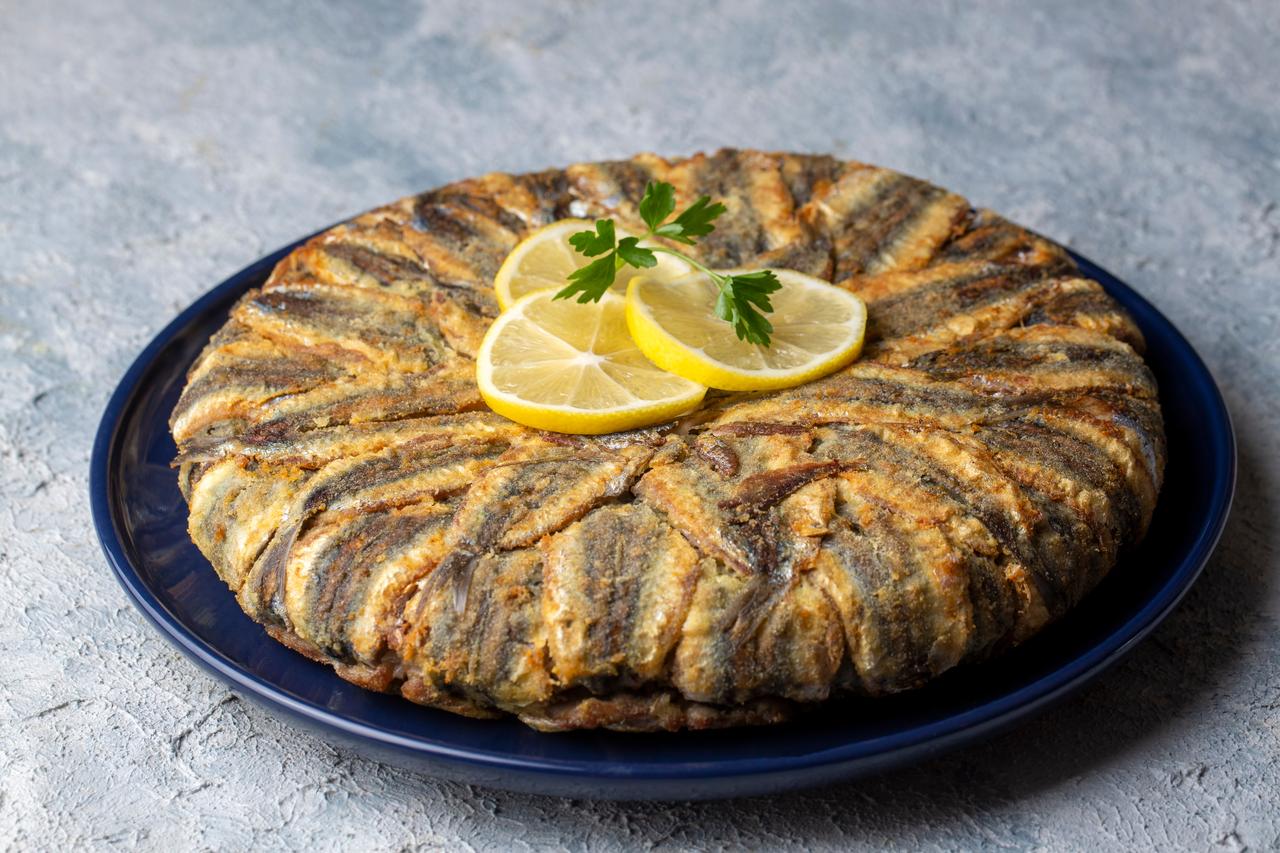
From anchovies to Laz pastry, from goose tirit to walnut dumplings, every bite reflects the spirit of the region.

Energetic, welcoming, and endlessly inspiring, the people of the Black Sea have never been discouraged by the region’s limited arable land. Instead, they have mastered the art of transforming every product grown on their soil into distinctive dishes.
Between steep slopes and narrow coastal plains, one quickly sees how skillfully every square meter of land is used. Along the coast, anchovies have become legendary, while cornbread is a defining staple from one end of the region to the other. Bileki bread feels almost mythical here.
Move inland, however, and an entirely different culinary world emerges. Influenced strongly by Central Anatolia, these fertile interior lands place grains and rice center stage.
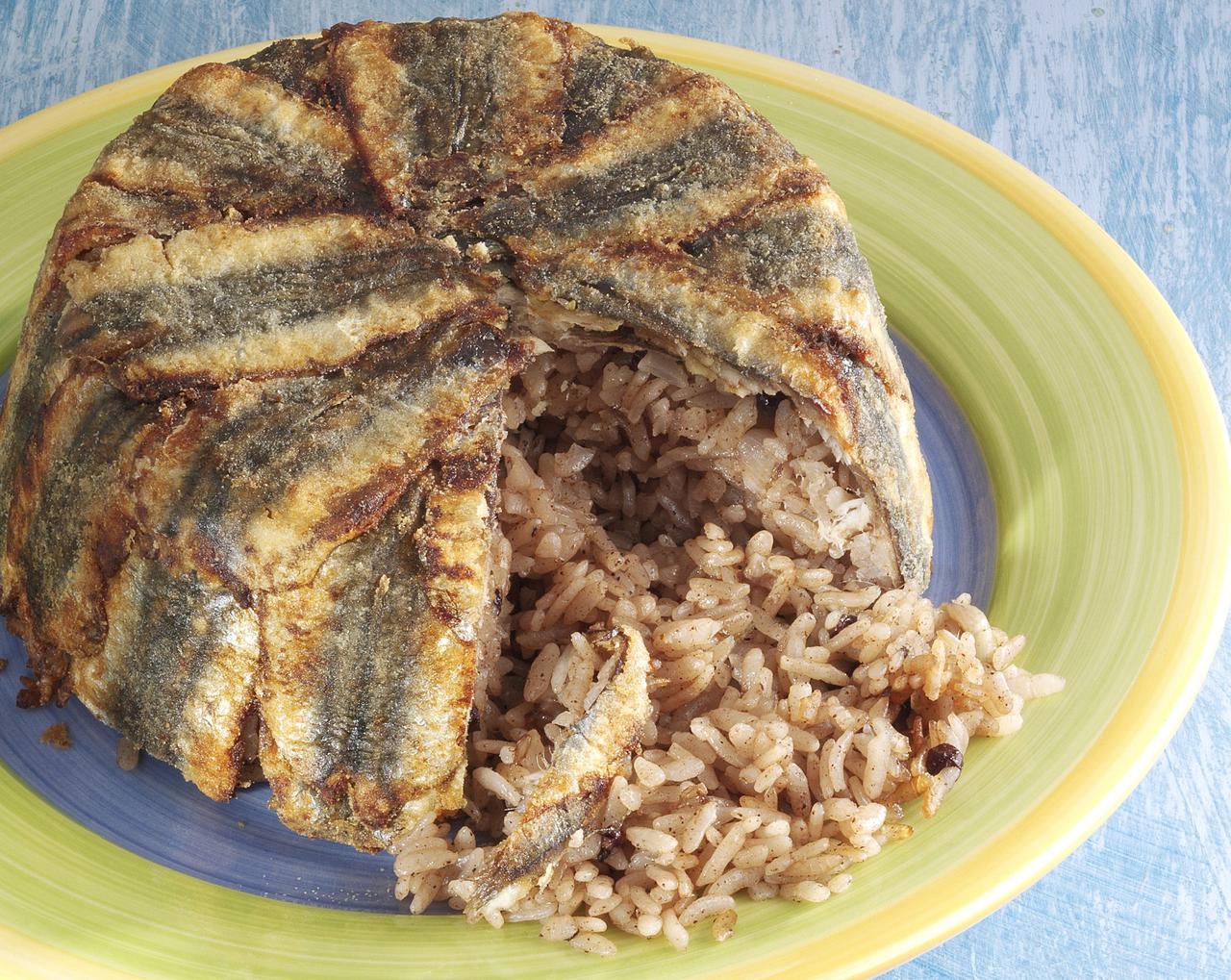
With anchovy pilaf, pide with roasted meat, pickled vegetable sautés, a shared muhlama tradition with Trabzon, rice pudding from Hamsikoy, and the famous dry beans of Cayeli, Rize cuisine is understated yet remarkably strong.
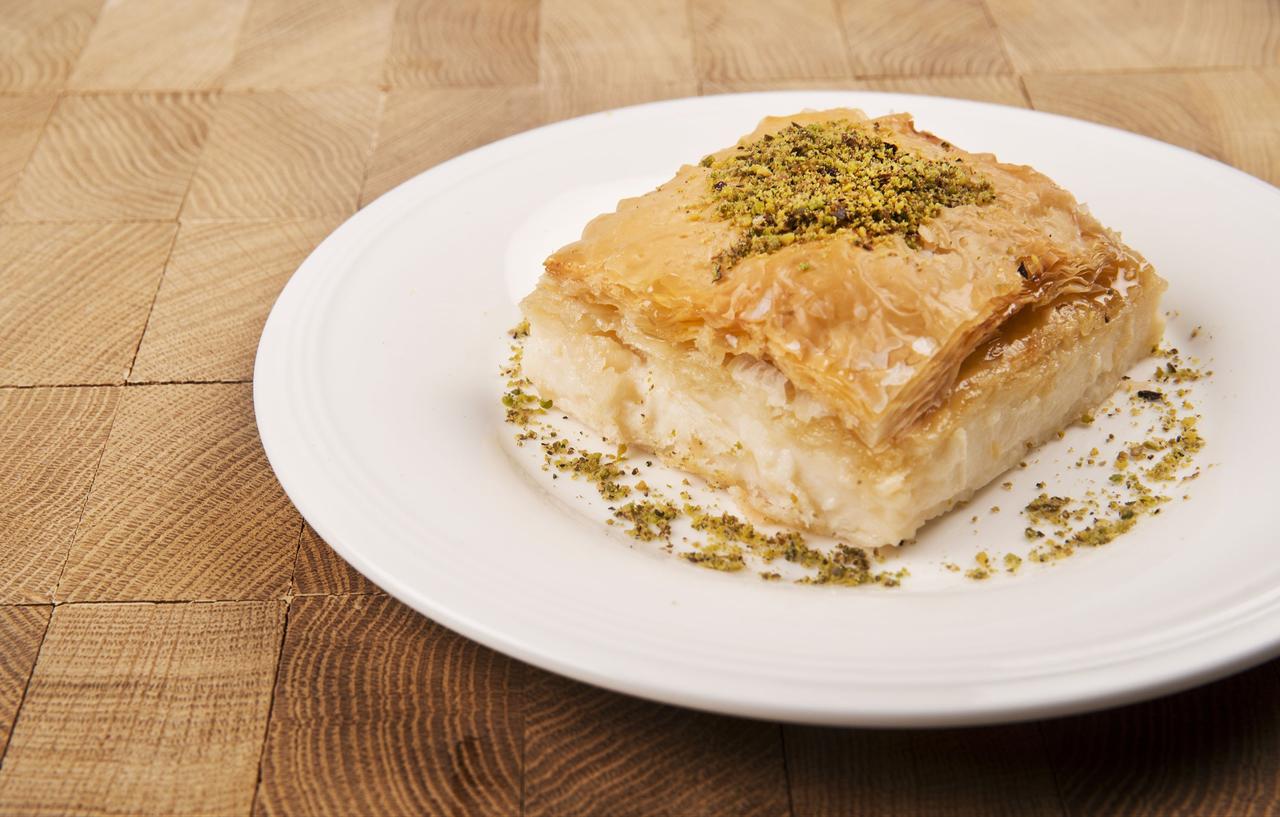
When it comes to pastries, Rize-style Laz pastry (Laz boregi) is an absolute must-try. And let us not forget: Rize is the city behind the phrase “Turkish tea.” If you have heard that many of Türkiye’s most famous pastry chefs are from Rize, believe it—it is true.

Trabzon is a city where anchovies are hardly even considered fish. It is also renowned nationwide for its meatballs, especially Akcaabat kofte (meatball), long associated with Komaroglu.
Kaygana, though a regional dish, is widely consumed here. Vakfikebir butter and kuymak made with oven-roasted corn flour are simple yet unforgettable. Pides from Rustun Firini and Kalkanoglu pilav should never be skipped.
Add to this the region’s famous bread, black cabbage, and kidney beans. For dessert, kocakari gerdani completes the picture. This is Trabzon in essence: limited ingredients, extraordinary diversity.
A special mention must go to Trabzon Metropolitan Municipality Social Facilities, a model of social municipal services in Türkiye. Their food and beverage units offer exceptional value for money and run with a truly professional mindset.
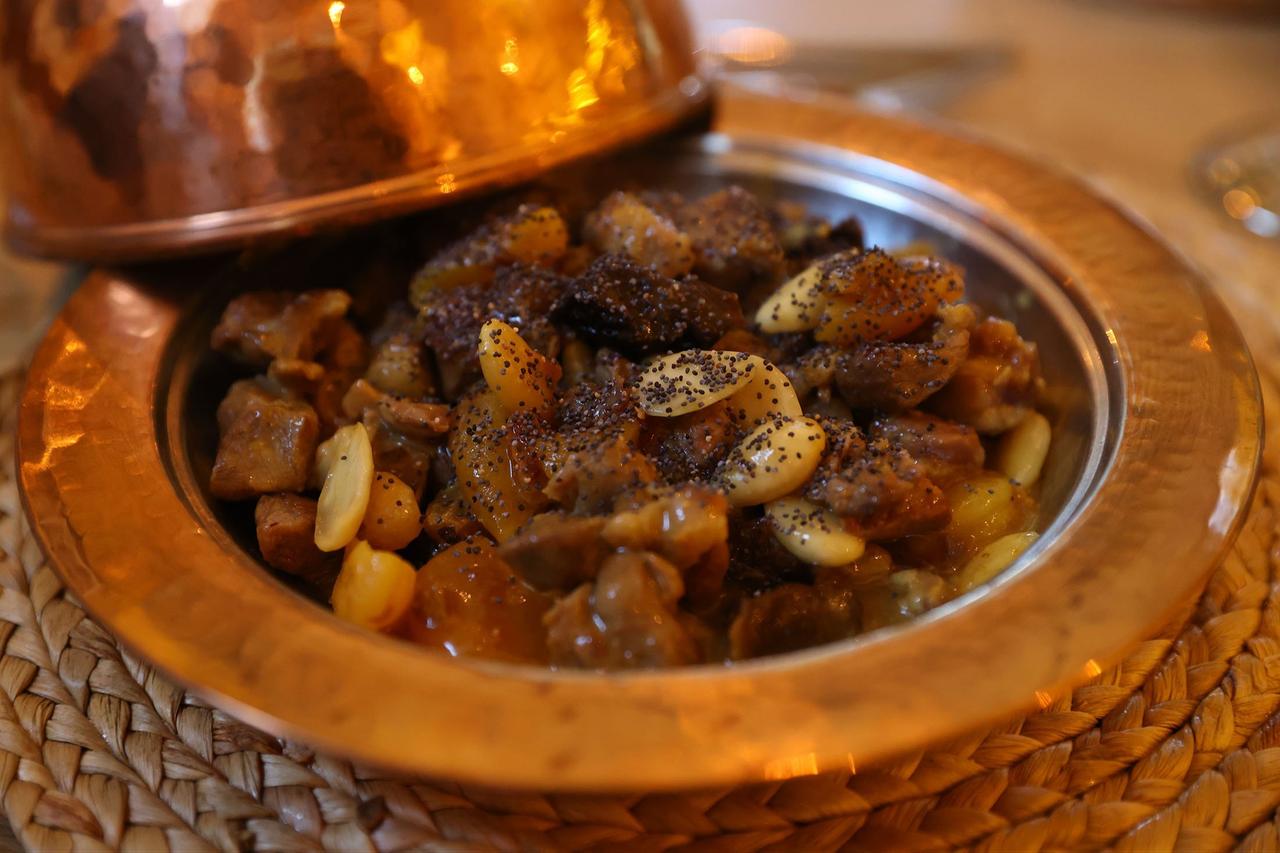
When discussing Black Sea cuisine, Bolu stands out as a city not located on the coast. Influenced by both the Black Sea and the Marmara regions, Bolu is home to Mengen, the district that trained palace chefs for centuries.
Surprisingly, despite producing many of Türkiye’s most important chefs, local dishes are not widely visible in the city center.
Yet Bolu’s culinary heritage is astonishing: goose tirit, apricot neck stew, stuffed duck, rabbit rolls with kaygana, tirit stew, plum stew, meat dumplings with curd and walnuts, yogurt broad bean soup, ovmac soup, sour cherry leaf wraps, stuffed onions, chickpea tripe stew, black pumpkin dessert, and countless others—many forgotten, many on the verge of disappearing. Unfortunately, these dishes are not easily found everywhere in Bolu.
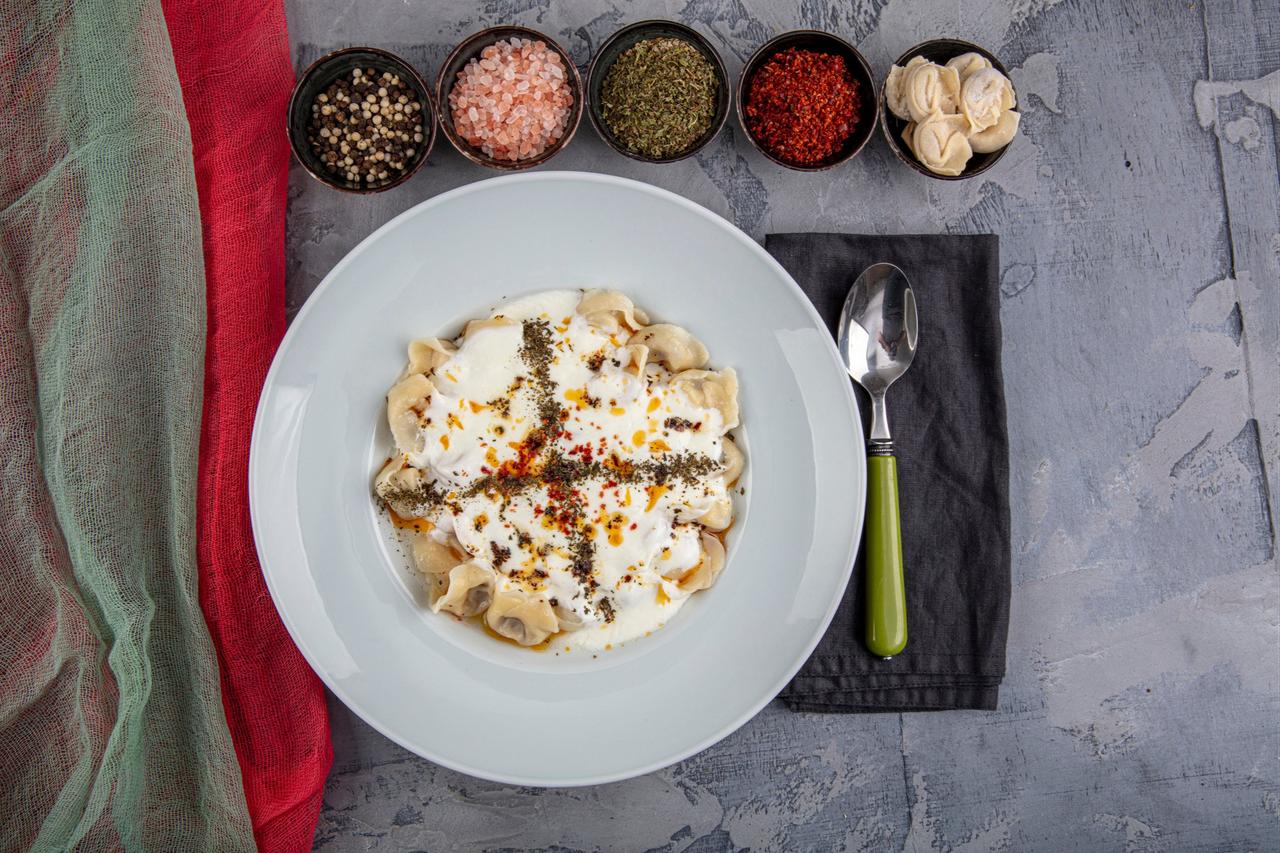
The Black Sea flavor tour continues with Sinop. If you arrive in the morning, the first thing to eat must be nokul, either with walnuts or minced meat, available almost everywhere.
For lunch or dinner, the best option is seasonal fish at the harbor restaurants. Among them, turbot is the most prized. For dessert, the famous revani at Sen Patisserie on Kibris Street is a must.
Sinop sits at the heart of the Black Sea: a city of turbot, stuffed bonito, walnut dumplings, chestnut pilaf, authentic revani, and the Seljuk-era morning tradition of nokul. The Black Sea never truly ends, but for now, this is where the journey pauses. One thing is certain: the Black Sea deserves a permanent place on every travel itinerary.

Ingredients
For the rolls:
For boiling:
For topping:
For the sauce:
Preparation
Boil water with rock salt, add washed cabbage leaves with stems removed, and boil for about three minutes. Drain and rinse with cold water. Mix finely chopped onions, minced meat, washed rice, olive oil, salt, tomato paste, parsley, and spices. Remove thick veins from the cabbage leaves and fill with the mixture, rolling carefully.
Line the bottom of a pot with cabbage leaves and arrange the rolls neatly. Drizzle with olive oil, cover with a plate, and add hot water until it reaches the level of the rolls. Cook on high heat until boiling, then simmer for about 30 minutes.
For the topping, melt butter and fry tomato paste. Crush garlic and mix with yogurt. Serve the rolls topped with garlic yogurt and tomato butter sauce.
Ingredients
Preparation
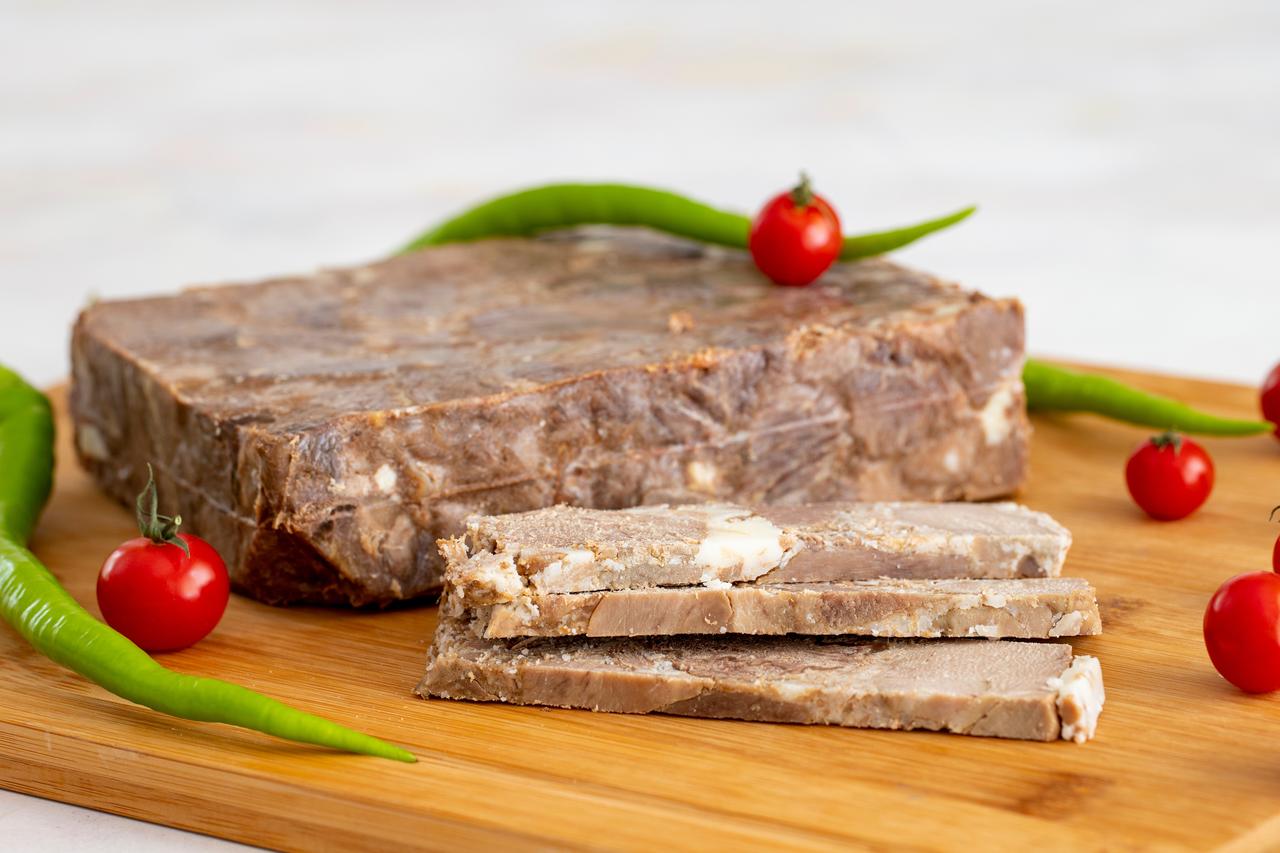
Cut the beef into cubes after removing sinew and excess fat. Melt chopped caul fat and butter in a pot, add chopped onions, and saute over low heat. In a separate pot, brown the beef in corn oil. Add the beef to the onions and continue cooking for 10–15 minutes. Add water and cook until tender, about 1.5 hours. Serve hot.


 Set as preferred source
 Set as preferred source


 1 min read
 1 min read