Newsletters





The World Health Organization (WHO) has stated that containment efforts remain ongoing following a hantavirus outbreak aboard the cruise vessel MV Hondius, which has resulted in three confirmed deaths and prompted an international evacuation operation.
WHO Director-General Tedros Adhanom Ghebreyesus said on Tuesday that “our work is not over,” warning that additional cases may still emerge due to the virus’s extended incubation period, which can last up to six weeks. He noted that the situation continues to require close surveillance despite the completion of large-scale evacuations.
Health authorities have confirmed at least seven infections and one probable case among passengers and crew. Affected individuals include nationals from the United States, United Kingdom, France, Spain, Switzerland and the Netherlands.
While the outbreak has caused serious illness among those exposed on board, international health officials have emphasized that the overall global risk remains low. The WHO has also rejected comparisons to the early stages of the COVID-19 pandemic, stating that there is currently no indication of wider community transmission.


The virus involved is identified as the Andes strain of hantavirus, a rare variant that can, in limited circumstances, spread between humans. Most hantavirus infections are typically transmitted through exposure to infected rodents or their waste.
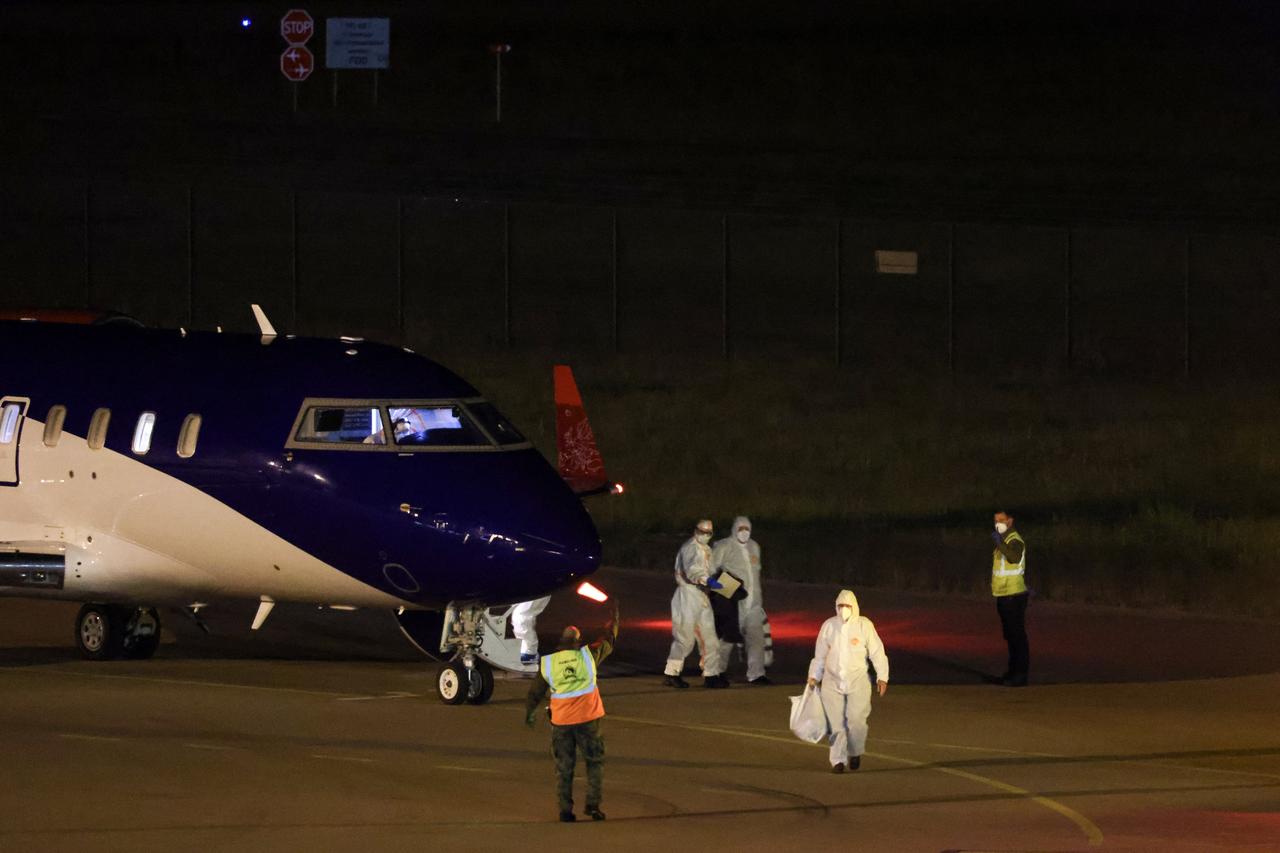
More than 120 passengers and crew were evacuated from the vessel after it was anchored near Spain’s Canary Islands. Repatriation flights have transported evacuees to multiple countries, including the Netherlands, France, the United Kingdom, and the United States.
In line with WHO recommendations, several countries have implemented strict monitoring and quarantine measures for returning passengers, with observation periods of up to 42 days due to the virus’s incubation timeline.
The outbreak prompted complex diplomatic and logistical coordination regarding the disembarkation and treatment of passengers. Spain permitted the vessel to anchor off Tenerife to facilitate evacuations, while other countries arranged specialized medical flights and isolation facilities.
Cape Verde previously declined to allow the ship to dock, leaving it temporarily stranded offshore before evacuation arrangements were finalized.


 Set as preferred source
 Set as preferred source


 1 min read

 1 min read