Newsletters


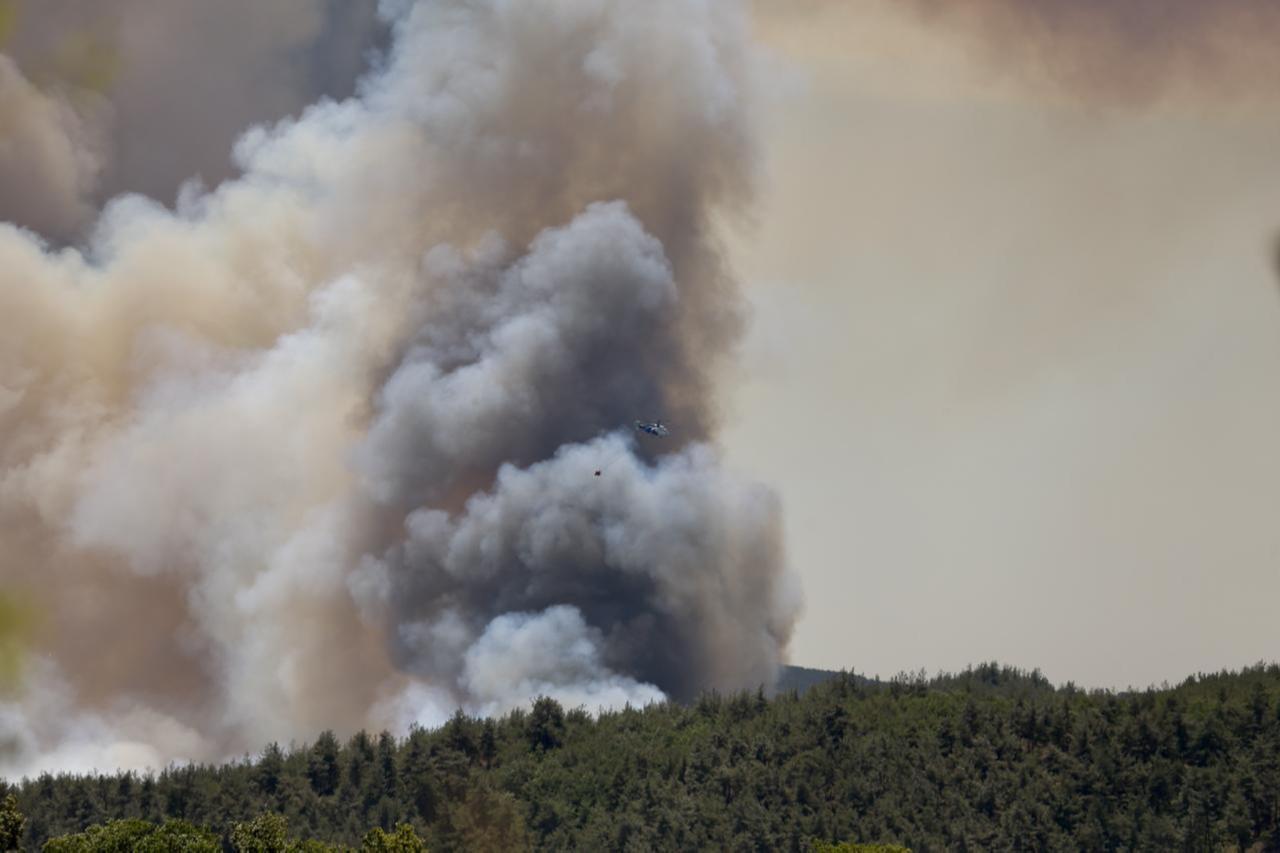


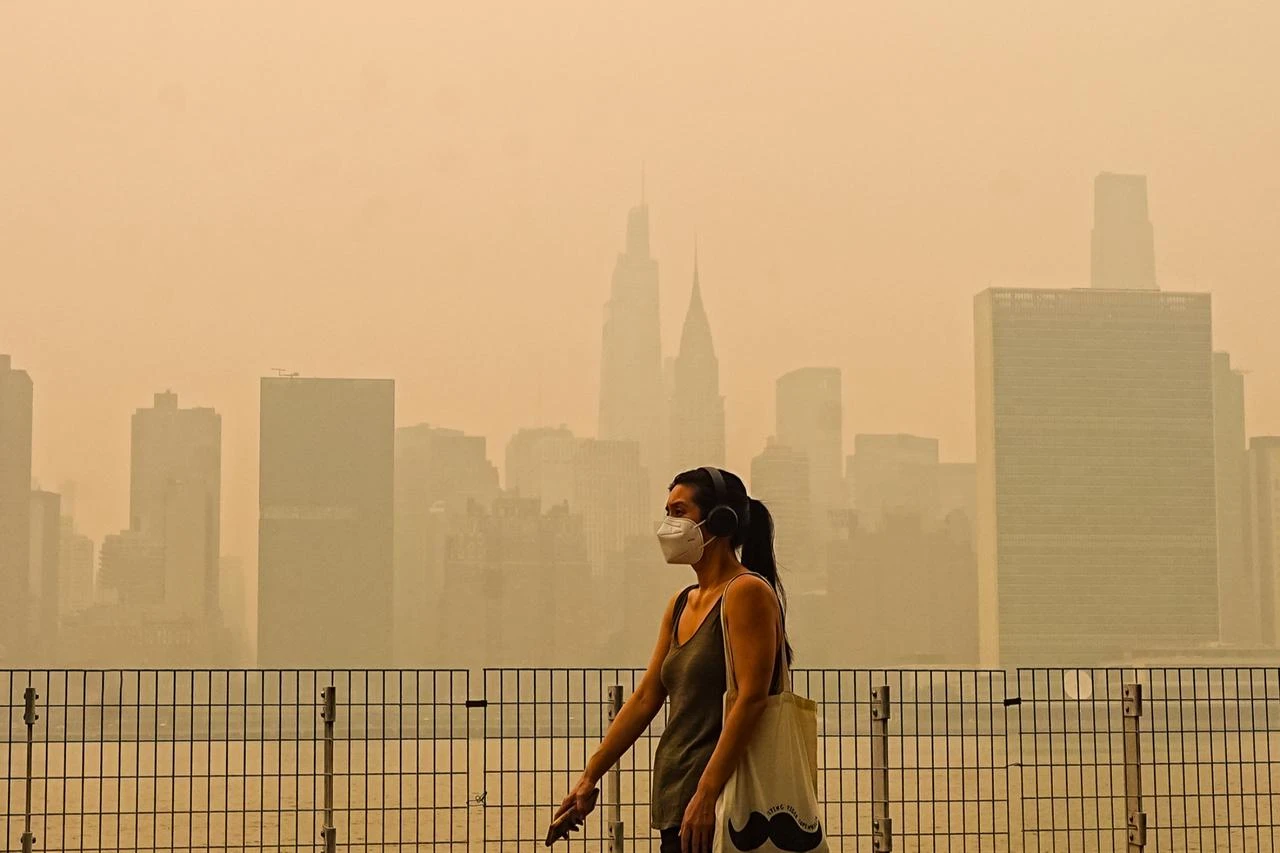
Extreme fire-smoke events have tripled worldwide since the 1990s, while rising temperatures are making ground-level ozone pollution harder to control, according to the World Meteorological Organization (WMO).
Wildfires and heat waves are increasingly threatening efforts to improve air quality around the world, with climate change driving up pollution risks for both human health and ecosystems, the WMO warned Monday.
In its annual Air Quality and Climate Bulletin, the U.N. agency drew attention to the close relationship between climate change and air pollution, calling for coordinated policies that address both problems together.
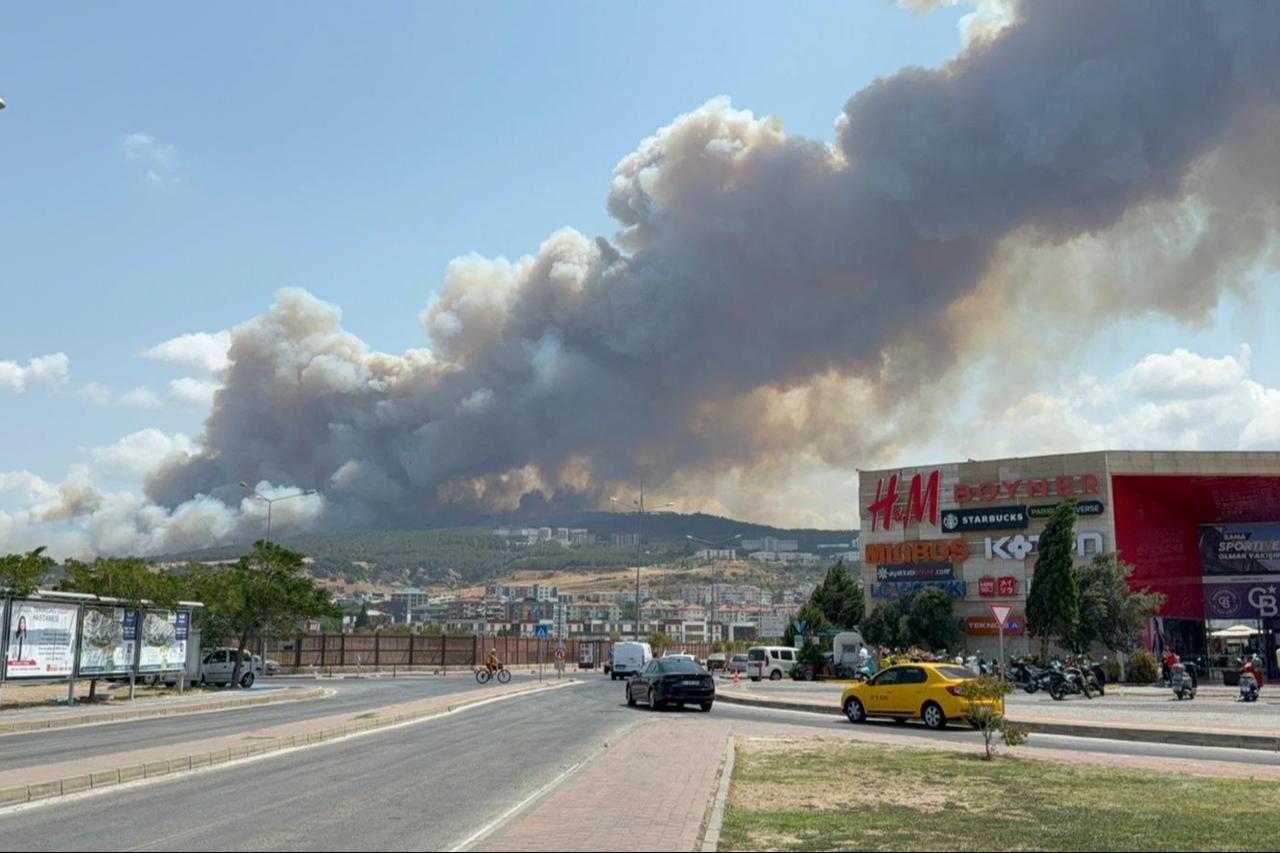

Extreme fire-smoke events have tripled globally since the 1990s, according to the bulletin, which cited a study estimating that wildfire smoke contributed to nearly 100,000 additional deaths each year between 2010 and 2018.
The WMO also warned that conventional risk models may significantly underestimate deaths linked to wildfires because they do not fully take into account the greater toxicity of fine particulate matter produced by fires.
Known as PM2.5, these particles are extremely small airborne pollutants with a diameter of 2.5 micrometers or less.
The agency said wildfire-related mortality could be underestimated by as much as 93% under existing approaches.
"Meeting the World Health Organization air quality guidelines will become progressively more difficult, since extreme fire weather is expected to increase in the future," the bulletin said.
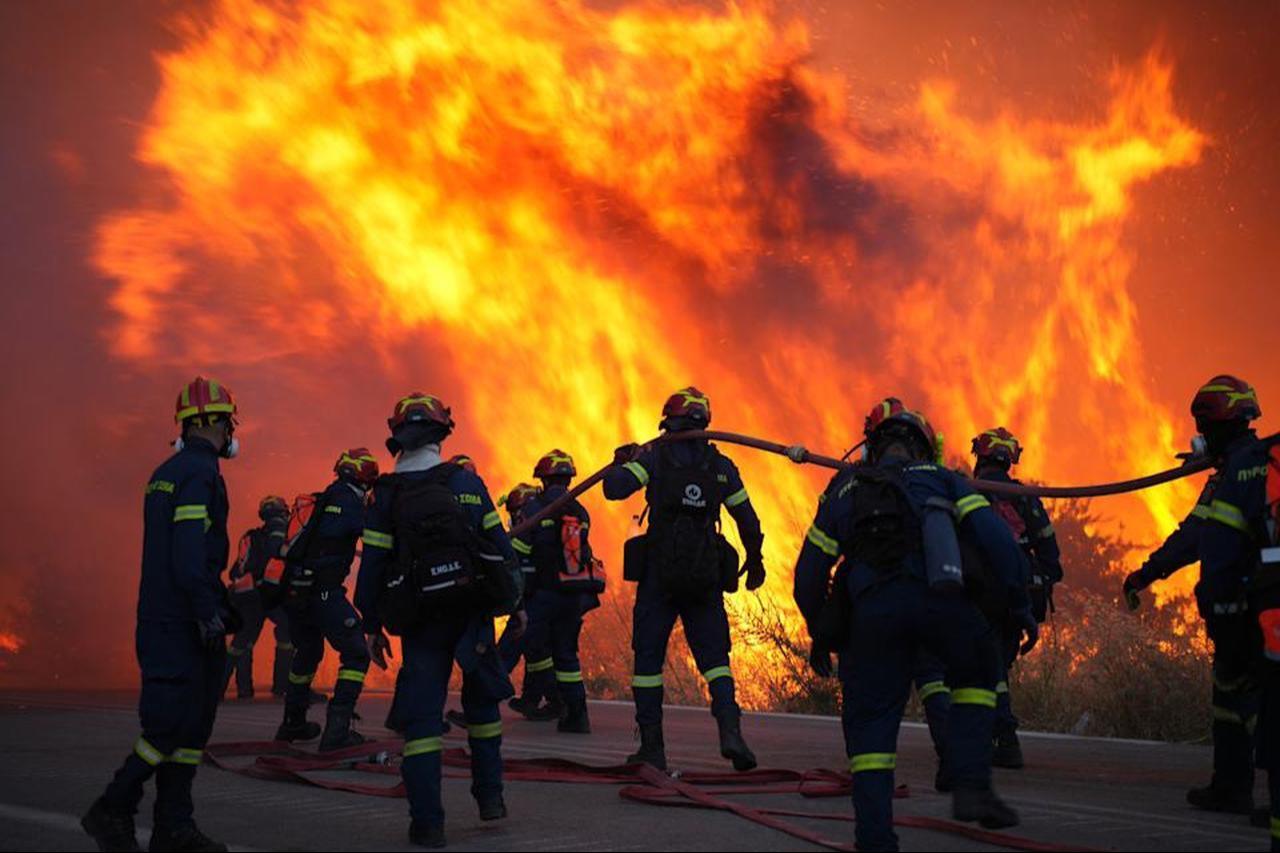
Rising temperatures are creating another challenge by worsening ground-level ozone pollution.
According to the WMO, high temperatures, stagnant air and intense sunlight can promote ozone formation, increasing exposure during periods of extreme heat.
The agency warned that ozone-related health risks are expected to intensify and could contribute to tens of thousands of additional premature deaths.
Against this backdrop, the bulletin called for stronger monitoring of pollutants, including black carbon and atmospheric microplastics, as climate-related pressures make efforts to improve air quality increasingly difficult.


 Set as preferred source
 Set as preferred source


 1 min read
 1 min read