Sign in
 Newsletters


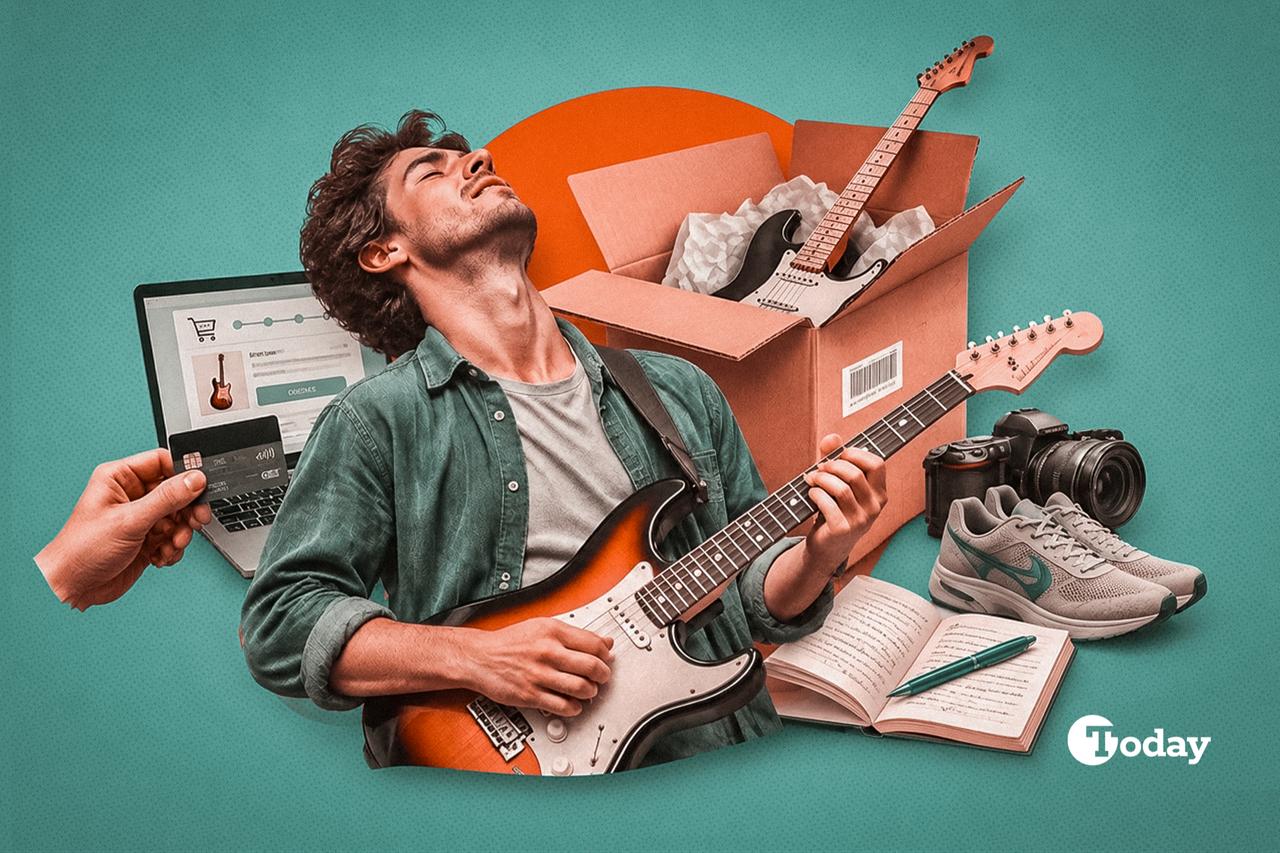


Glance around the room you are in. Odds are, something nearby once promised to help you reinvent yourself. Maybe it is a guitar quietly collecting dust, a notebook with only a few hopeful pages and a pen that glides smoothly, or running shoes that have barely touched the pavement. You can probably recall the moment each of these things arrived: the crinkle of packaging, the anticipation and that fleeting spark that your life was about to change.
But you likely cannot pinpoint when you stopped reaching for them. There was no dramatic ending. It is as if you and the object quietly decided to look the other way.
This is the gentle paradox of hobby shopping. The act of buying feels like a new beginning, complete with its own rituals: researching, comparing, clicking checkout, tracking the delivery and finally unboxing. Something shifts, but not in the way we imagined. Shopping becomes a way to begin without ever truly beginning.
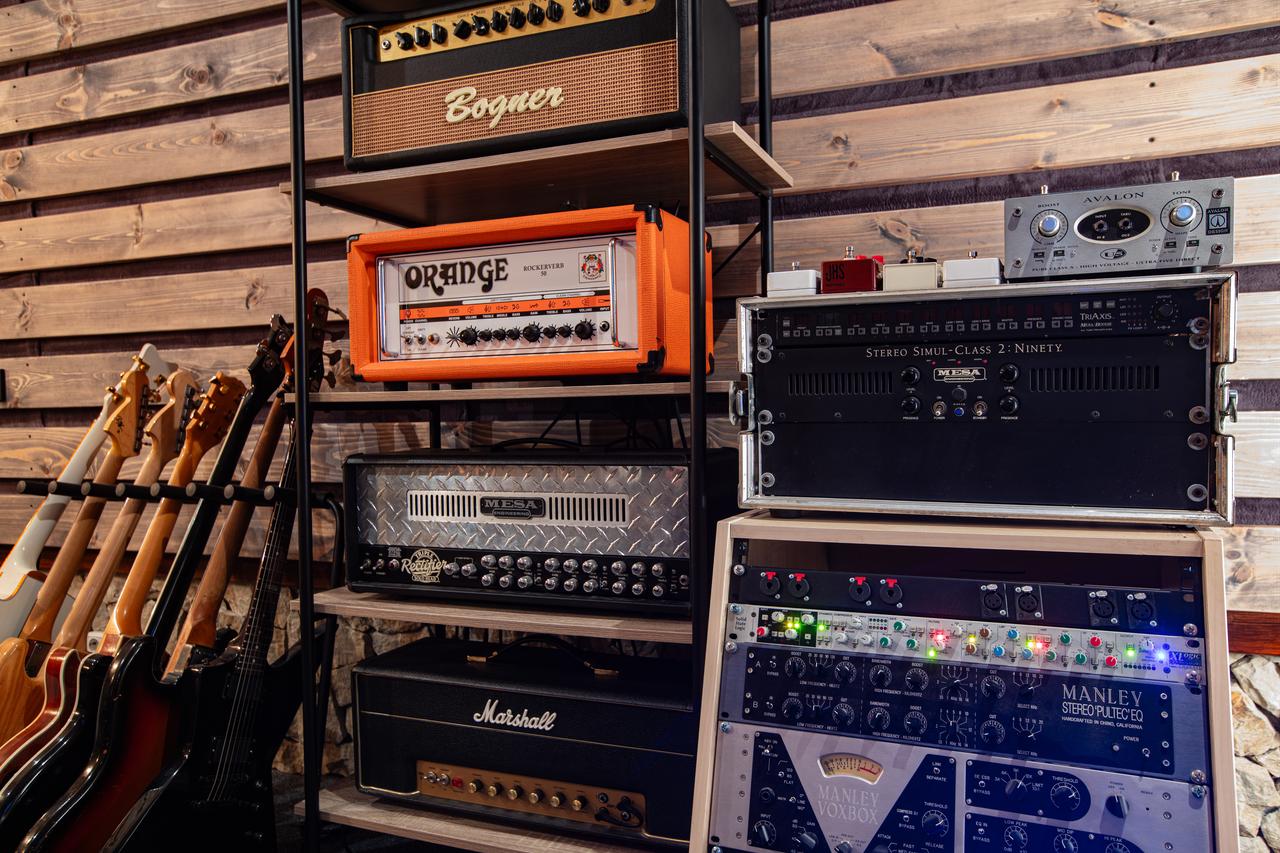

Musicians even have a name for this. In the mid-1990s, Steely Dan guitarist Walter Becker wrote a playful editorial for Guitar Player magazine about session musicians whose homes were crowded with instruments they hardly ever played.
He called it G.A.S., or Guitar Acquisition Syndrome, and asked readers a sharp question: Would you rather be remembered "as a guitar player or as a guitar owner"?
Other musicians saw themselves in this, and soon the G in G.A.S. stood for Gear instead of just Guitar.
Musicologists Jan-Peter Herbst and Jonas Menze, in a 2021 book about this topic, describe every new purchase as "an anticipated catalyst of creative energy."
But this syndrome has spread far beyond musicians. Photographers stack up lenses that rarely leave their cases. Runners buy the latest watch before mapping a single route. Writers amass notebooks, apps and ever-quieter keyboards. Home cooks might own a pasta machine that has only spun out noodles once.
In Psychology Today, Jeremy Sherman admitted he has always been drawn to "the tools of mastery," a habit he shares with many weekend musicians who spend more time shopping than playing.

Why is buying so much easier than practicing? One reason is the instant reward. Shopping offers a string of small, satisfying decisions, each one restoring a sense of control. Studies on retail therapy show that purchases can genuinely boost your mood, partly because they hand you back the reins.
Practice, in contrast, is slow, repetitive and full of uncertainty. You might stumble through the same four bars for a week or snap 200 photos and cherish only two. Progress creeps in quietly and unevenly, and never comes with a tracking number.
Research on impulsive buying suggests it is both a mood fix and a lapse in self-control when it comes to our bigger ambitions.
In short, we trade what we want most for what we want right now. Buying gear disguises this swap, since it feels like an investment in our dreams. Who could regret a better tripod? It is for the art, after all.
There is an even sharper twist. Studies on compensatory consumption, the shopping we do to soothe ourselves, show that we often regret the purchases tied most closely to our insecurities. If you feel awkward at the piano and buy a fancier keyboard, it might just become a more expensive place to feel awkward.
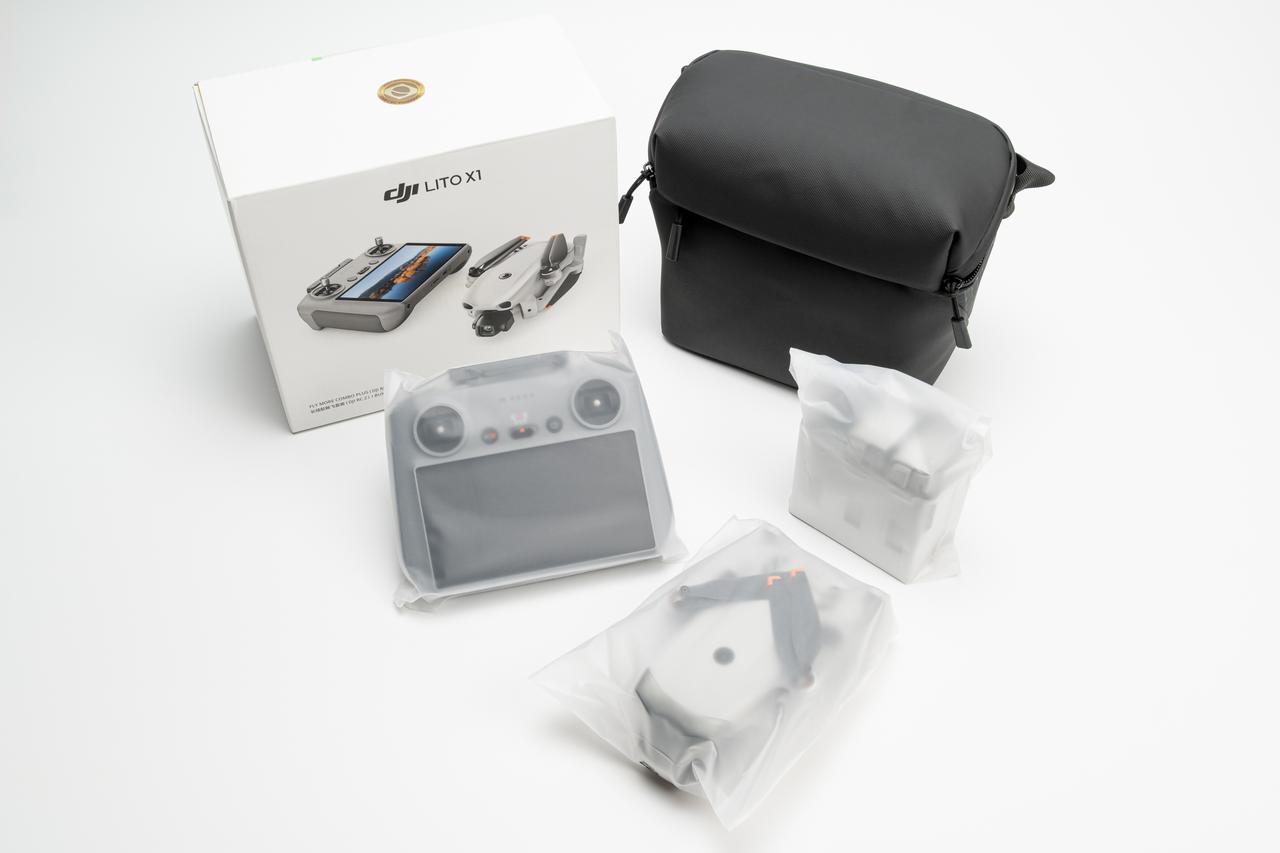
At the heart of all this is identity. Consumer researchers call it the "extended self": the idea that our things become part of who we are.
Herbst put it plainly in a 2021 interview with Guitar World: "We as humans define ourselves by our possessions."
A camera can make anyone feel like a photographer. A guitar propped on its stand can transform a living room into a musician's studio. A pristine laptop can make you feel like a writer before a single word appears.
The problem is, you can purchase the feeling of identity before you have earned the skill. We can slip into the costume of a hobby long before we have learned the lines, and wearing the costume is always simpler.
Being a beginner is a little embarrassing, and it is a feeling that returns again and again. Ownership demands nothing from us. You can buy the uniform, but you cannot buy the hours it takes to improve.

None of this makes equipment the villain. Good tools really do help in the long run. A guitar that will not stay in tune teaches nothing but frustration, and a laptop that crashes every afternoon is not a test of character.
Herbst does not worry much about this syndrome as long as it brings happiness and not financial trouble. He points out that a new instrument might not make you a better player, but it can still inspire new songs. Even research on retail therapy is forgiving. Occasional treats usually do not lead to regret.
The real problem begins when the purchase does the emotional heavy lifting of practice, giving us the illusion of progress without any real progress.
So before the next checkout, ask yourself one honest question: What can you truly do with this that you cannot already do with what you have?
If your answer is clear and specific, go ahead and buy it without guilt. If it is just a feeling, pause, and keep using what you have until it truly holds you back.
Becker's question goes way beyond the guitar shop. Are you a player or just an owner? A writer or just someone with a nice laptop?
The most valuable equipment most of us will ever own never comes in a box. It is the willingness to pick up what we already have on an ordinary evening, even when nothing feels fresh or thrilling.
Take another look around your room. The guitar, the notebook, the shoes. They are all still there, waiting patiently in the way only objects can. None of them needs an upgrade. Each one just asks for an hour of your time and the courage to make a rough first attempt.
They will wait for as long as you ask them to.


 Set as preferred source
 Set as preferred source


 1 min read