Newsletters


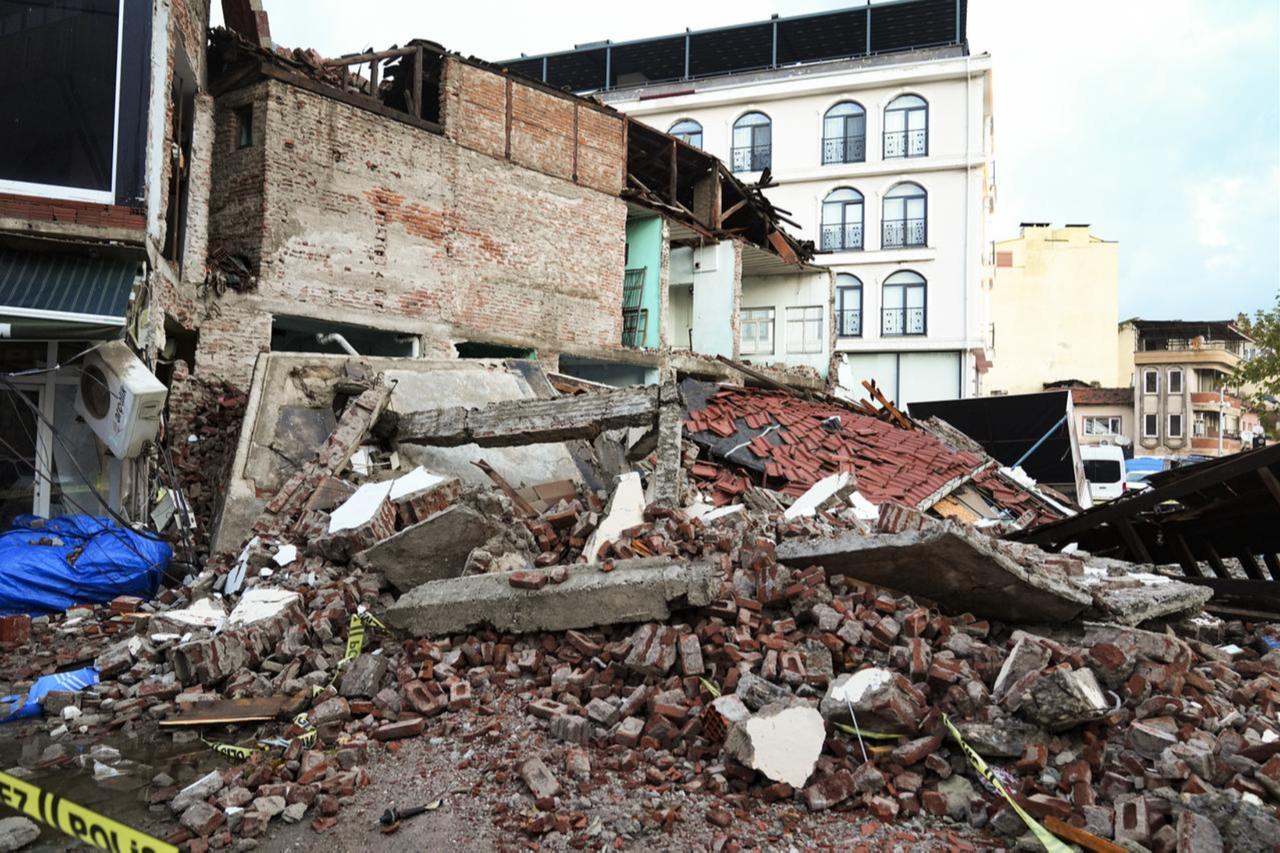


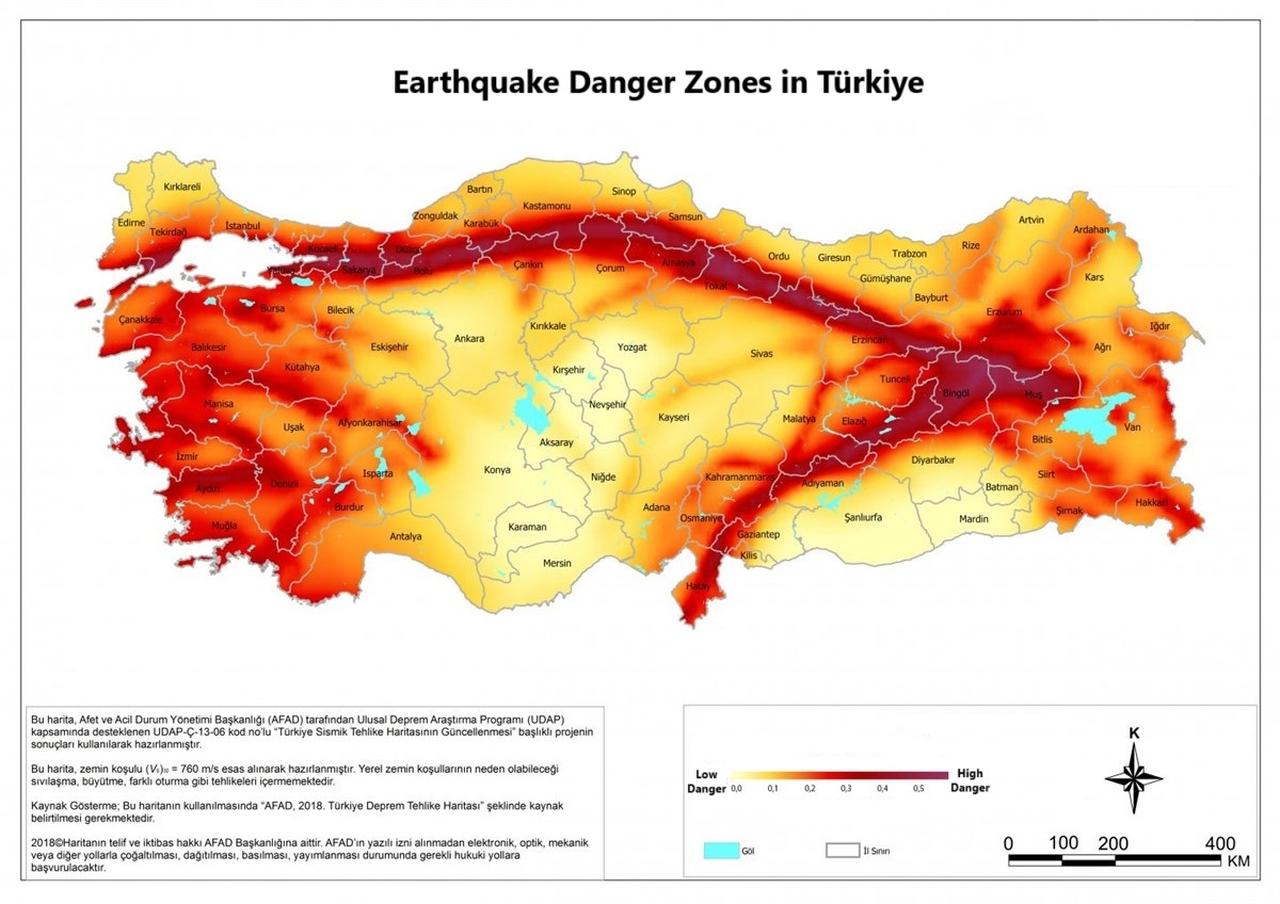
A recent study has laid bare a stark reality: 71% of Türkiye’s population, roughly 61 million people, live in medium- to high-risk earthquake zones. The findings underline how deeply seismic risk is woven into daily life across the country, even as preparedness levels continue to fall short.
The research, titled “Awareness of Living Under Earthquake Risk,” was released by the Turkish Construction Material Producers Association (Türkiye IMSAD), a leading industry body representing construction materials manufacturers.
Association chairman Tayfun Kucukoglu emphasized that the data reveals a clear contradiction, stating that “Türkiye knows about earthquakes, fears earthquakes, but does not prepare adequately for them.”
The figures suggest that seismic exposure is not limited to isolated regions but stretches across the most densely populated parts of the country, placing millions in potentially vulnerable urban environments.

The study shows that anxiety about earthquakes is deeply rooted in society. Nearly six out of ten respondents say they feel concerned about a possible quake, and a similar proportion admit they carry a lingering “what if” fear in their daily lives. Among women, this sense of concern rises even further.
At the same time, 59.8% of participants report having experienced an earthquake that seriously affected their lives. Despite this, preparedness remains limited. Around 40 percent consider it likely that a destructive earthquake could strike within the next five years, yet nearly half say they do not feel ready for such an event.
In practical terms, this means one in two people believes they have not fully planned how to respond, protect themselves or act in the aftermath of a major tremor.
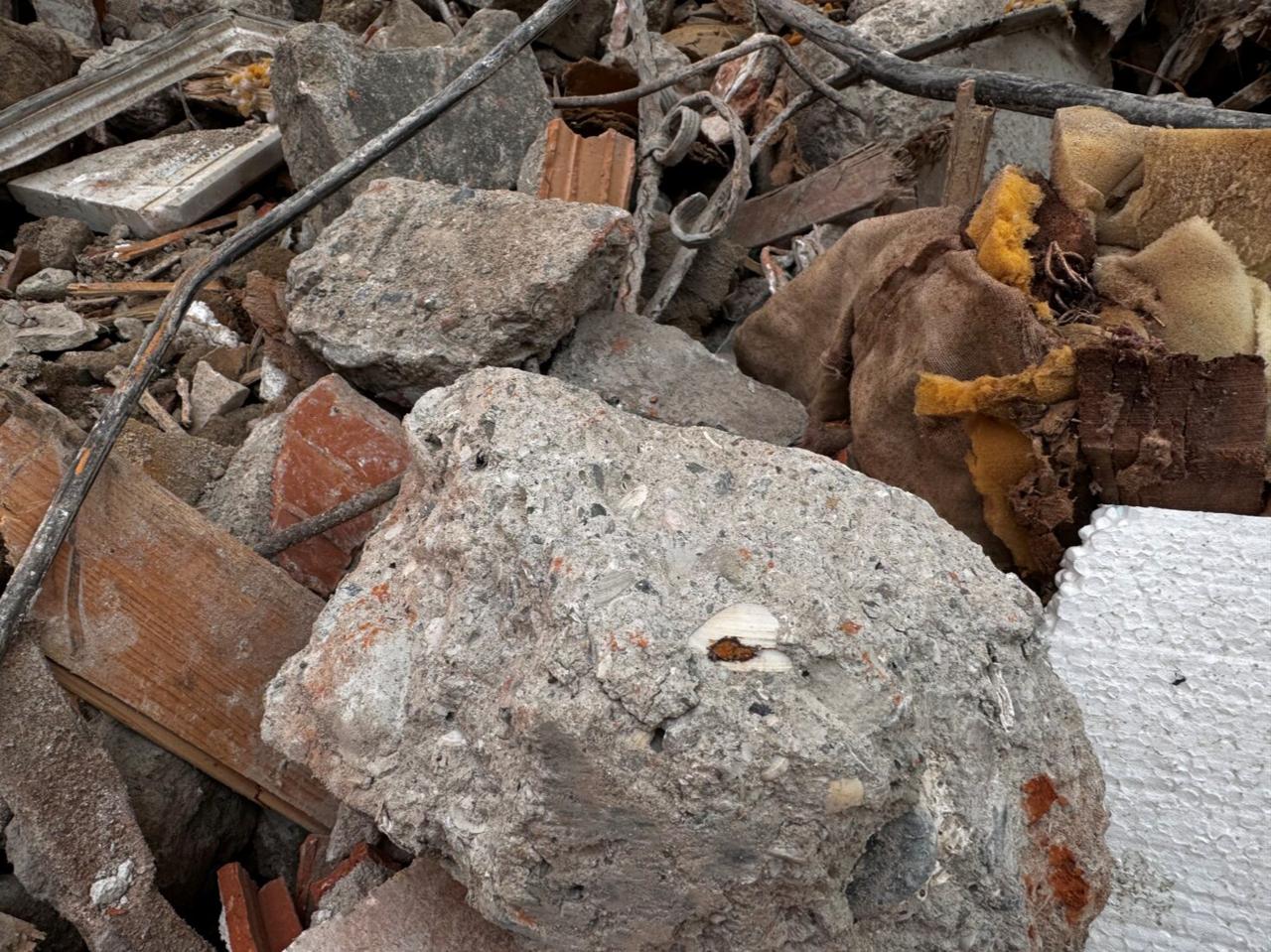
Risk perception is not abstract for many residents. According to the findings, 54% of participants describe the area they live in as “very risky” in terms of earthquake exposure.
This perception reaches its highest levels in Istanbul and along the eastern Marmara corridor, regions widely regarded as seismically sensitive. Residents there largely characterize their environment as fragile and vulnerable.
| Category | Data | Explanation |
|---|---|---|
| Population in medium & high-risk zones | 71% (approx. 61 million people) | Share of population living in officially classified seismic risk areas |
| Land in medium & high-risk zones | 66% | Portion of Türkiye’s territory under significant earthquake risk |
| Population in broader risk definition | Up to 90% | When expanded risk areas are included |
| People experiencing earthquake anxiety | 58.3% | Respondents who report concern about earthquakes |
| Women reporting anxiety | 67.7% | Higher anxiety rate among female participants |
| People previously affected by a serious earthquake | 59.8% | Those who experienced a life-impacting quake |
| Expect destructive earthquake in next 5 years | 40.6% | Believe a major quake is likely soon |
| Do not feel prepared for an earthquake | 45.5% | Nearly half say they are unprepared |
| Consider their area “very risky” | 54% | Residents who see their location as highly vulnerable |
| Living in pre-1999 buildings | Approx. 33% | Built before major building regulation reforms |
| Compulsory Earthquake Insurance (DASK) coverage | 41.6% | Homes covered by mandatory earthquake insurance |
| Do not know emergency assembly area | 55.2% | Lack knowledge of official gathering points |
| No earthquake emergency kit at home | 73.1% | Majority lack basic emergency supplies |
| Do not secure furniture/appliances | 45% | Do not take basic in-home safety precautions |
Structural vulnerability adds another layer of concern. Roughly one-third of the population lives in buildings constructed before the 1999 earthquake, a milestone event that reshaped building regulations in Türkiye. In many cases, no formal risk assessment has been carried out for these properties.
Financial protection also appears limited, Compulsory Earthquake Insurance, known locally as DASK, covers only 41.6% of the population. The study indicates that more than half of society continues to live without this economic safeguard in place.
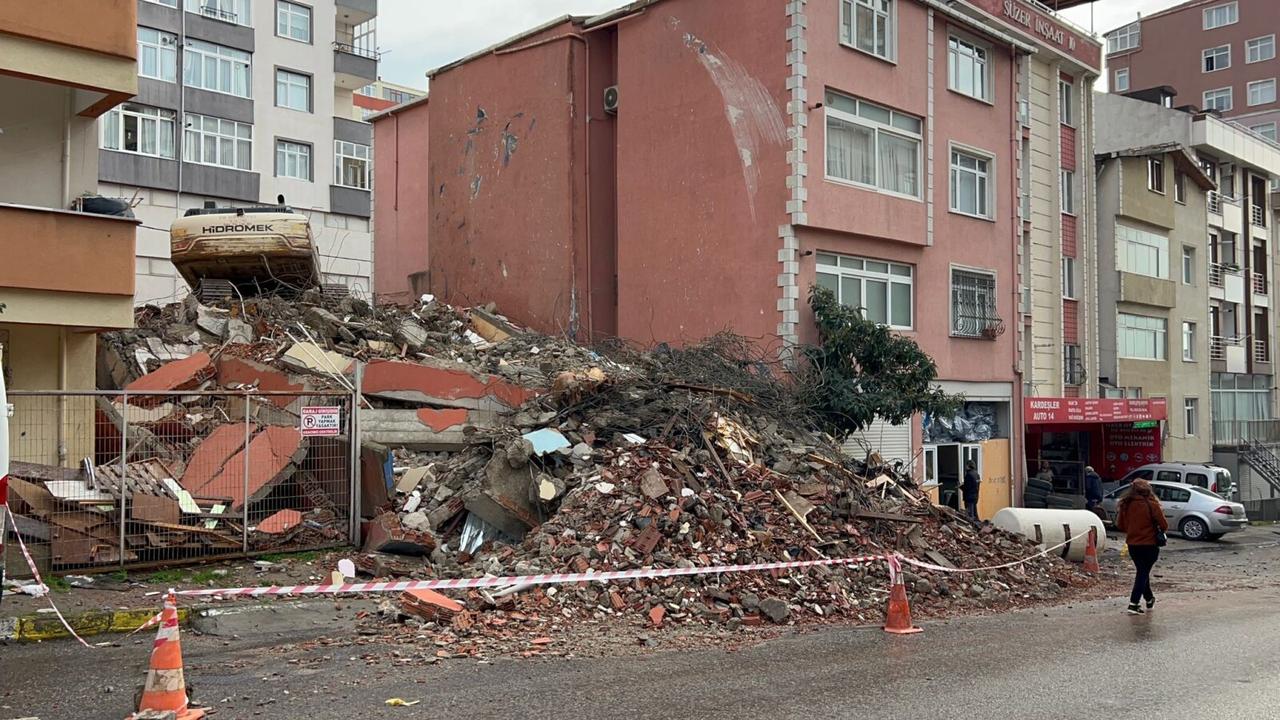
Preparedness gaps extend into everyday safety measures. More than half of respondents say they do not know the location of their designated emergency assembly area, which are official open spaces identified by authorities for people to gather safely after a disaster.
Even more strikingly, 73.1 percent report not having an emergency earthquake kit at home, and nearly half do not secure heavy furniture or household items to prevent them from toppling during strong shaking.
Taken together, the findings point to a country that recognizes the scale of its seismic exposure but has yet to fully translate awareness into consistent, practical action.


 Set as preferred source
 Set as preferred source



 6 min read