Newsletters


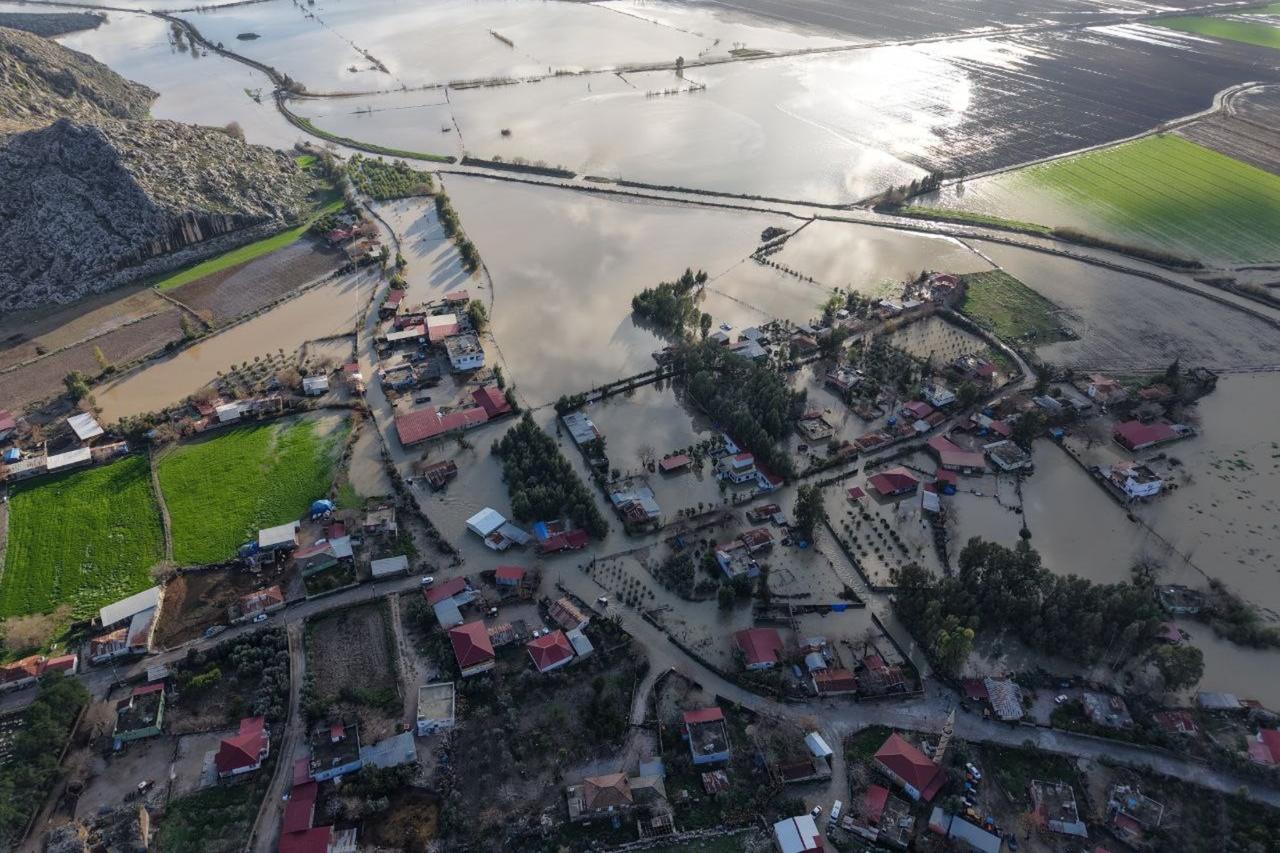


Heavy rainfall sweeping across the Mediterranean and Aegean regions of Türkiye disrupted daily life in seven provinces, triggering floods, landslides, evacuations, and widespread agricultural damage as rivers overflowed and reservoirs approached capacity.
Authorities carried out controlled water releases from dams while emergency teams worked to evacuate residents and reopen blocked roads.
The storms affected Antalya, Mugla, Aydin, Izmir, Hatay, Adana, and Mersin, where rising water levels flooded residential areas, greenhouses, and farmland, leaving many communities struggling to cope with rapidly changing conditions.
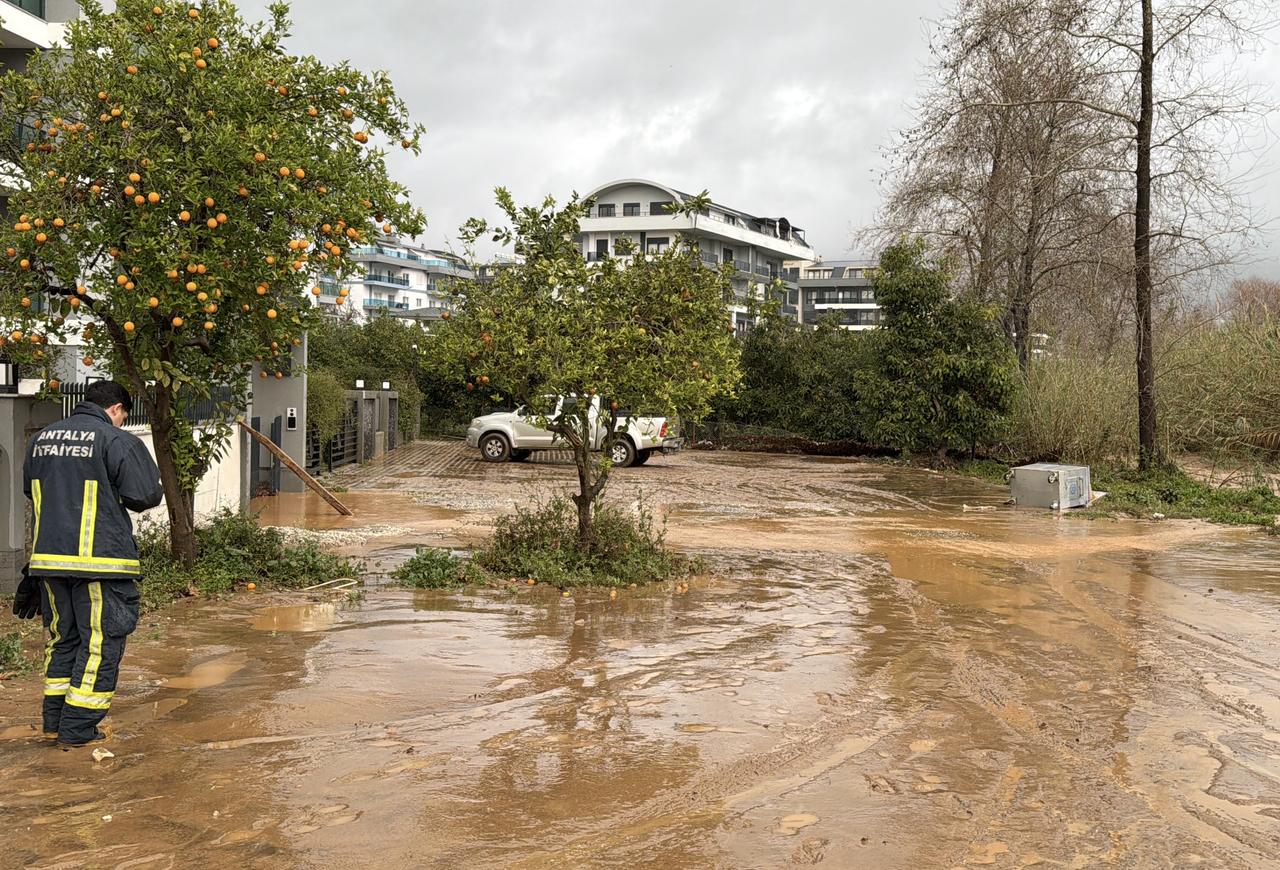

In the coastal district of Alanya in Antalya province, intense rainfall pushed the Dim Dam close to full capacity, prompting officials to begin a controlled water discharge, a safety measure used to prevent structural risk by gradually releasing excess water.
As water levels surged, nearby rivers overflowed, submerging picnic areas and agricultural fields growing avocado, banana and orange crops, as well as roads and ground floors of homes.
Emergency teams used boats to evacuate residents and rescue pets from flooded neighborhoods.
Flooding around the dam forced the evacuation of 132 homes and 73 workplaces. A total of 314 people were moved to safer locations, while dozens were temporarily accommodated in public guest facilities.
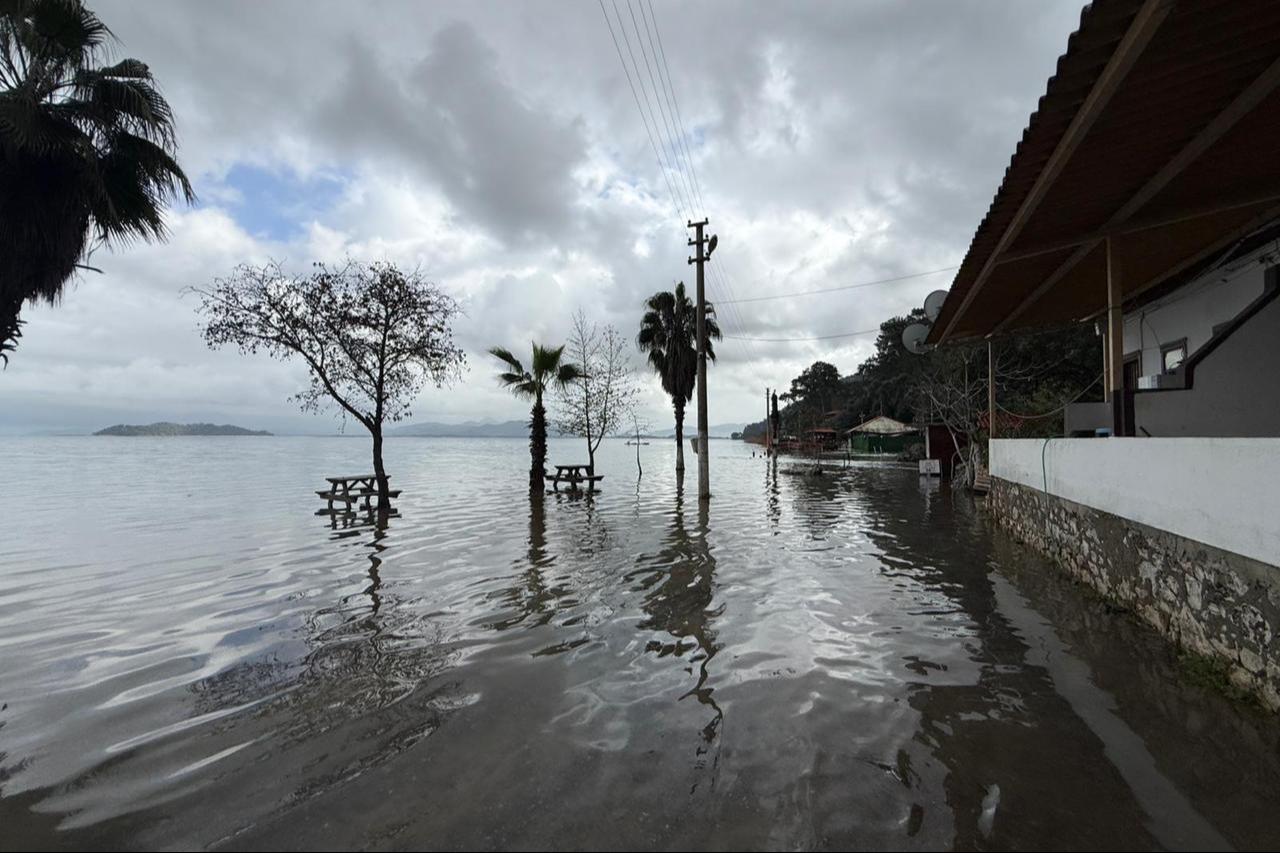
In Mugla’s Koycegiz district, rising waters blurred the boundary between lake and city streets, with residents navigating flooded roads by canoe. Areas near the lakefront, including major streets and commercial zones, were inundated as drainage systems overflowed.
Businesses and playgrounds along the shoreline were left underwater, while residents attempted to pump water out of their homes using their own equipment.
Agricultural land and greenhouses in both Mugla and Antalya suffered significant damage, and officials began assessing losses as concerns grew that crop damage could affect market prices.
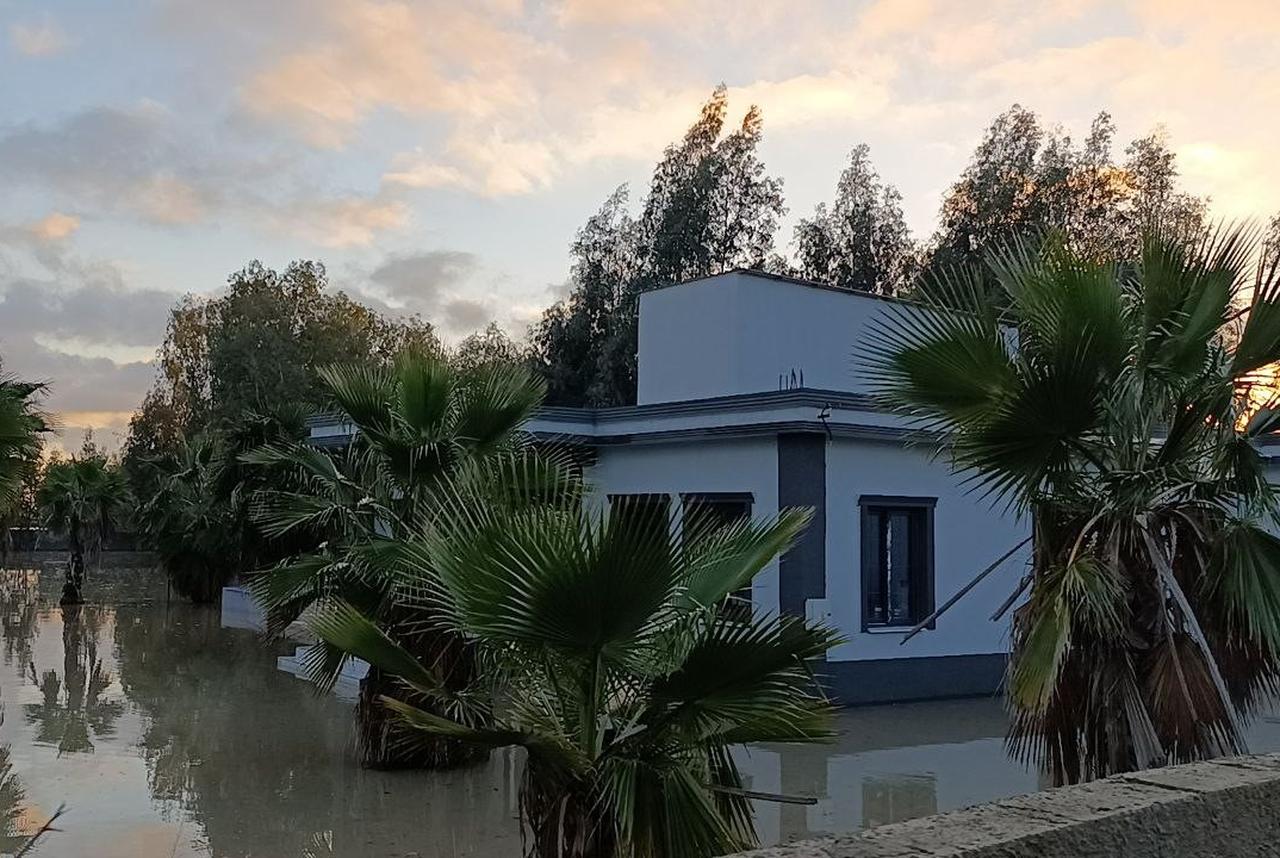
In the Kozan district of Adana province, farmland surrounding the ancient city of Anavarza was submerged after the Sumbas Stream overflowed following two days of heavy rainfall.
Authorities recorded rainfall reaching 119 kilograms (262.3 pounds) per square meter, a measurement equivalent to 119 millimeters of rain, indicating intense precipitation within a short period.
Floodwaters filled house courtyards and agricultural plots, while aerial images documented the scale of the disaster as drainage efforts continued.
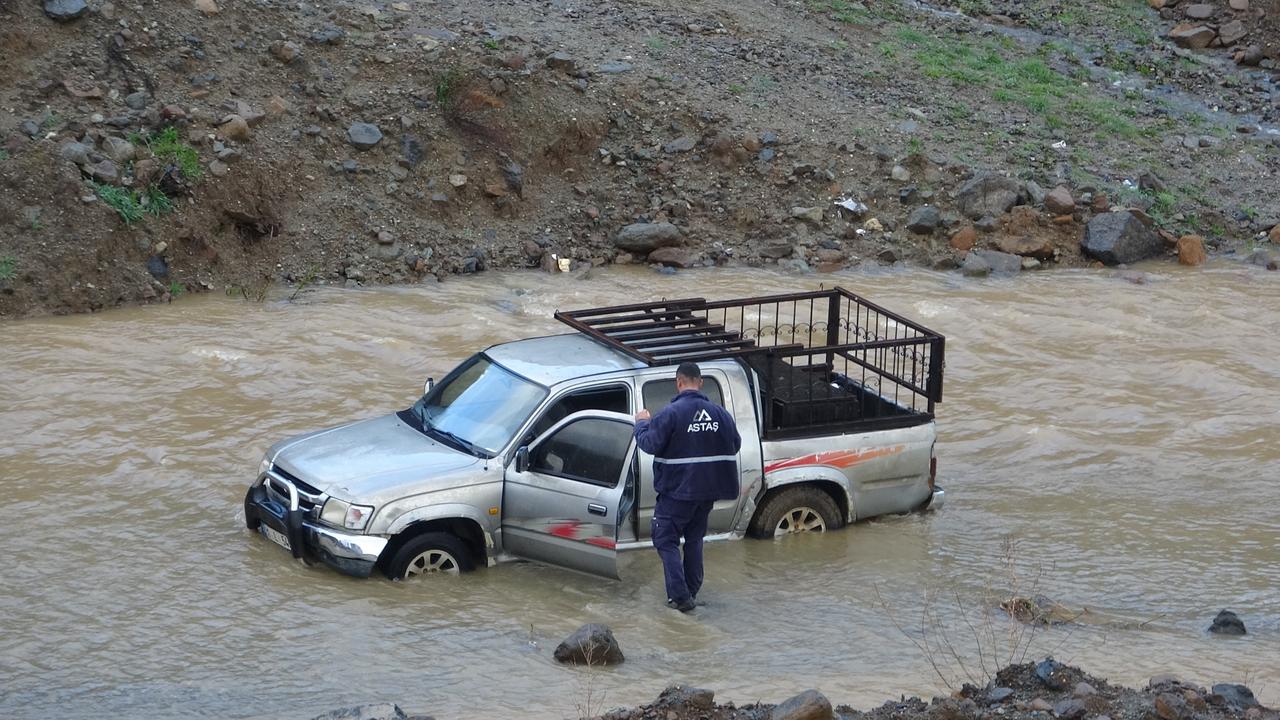
In Hatay, intermittent heavy rains lasting about a week caused flooding in several neighborhoods of the Antakya district. Agricultural fields, homes, and animal shelters in rural areas were affected as streets turned into temporary waterways.
Vehicles trapped on flooded roads were later rescued by firefighting teams as emergency crews worked across multiple locations.

In the Menemen district of Izmir, persistent rainfall triggered the collapse of a retaining wall within a residential complex.
Seven vehicles were buried under soil and debris, and nearby buildings sustained structural damage.
As a precaution, authorities evacuated 151 residents from four buildings while safety inspections continued.

Continuous rainfall in the Tarsus district of Mersin caused rivers and irrigation channels to overflow, flooding low-lying agricultural areas. Approximately 8,000 decares of cultivated land were reported damaged, including greenhouses and fruit orchards.
Floodwaters also affected tents set up by seasonal agricultural workers, highlighting the broader impact of the storm on rural communities.
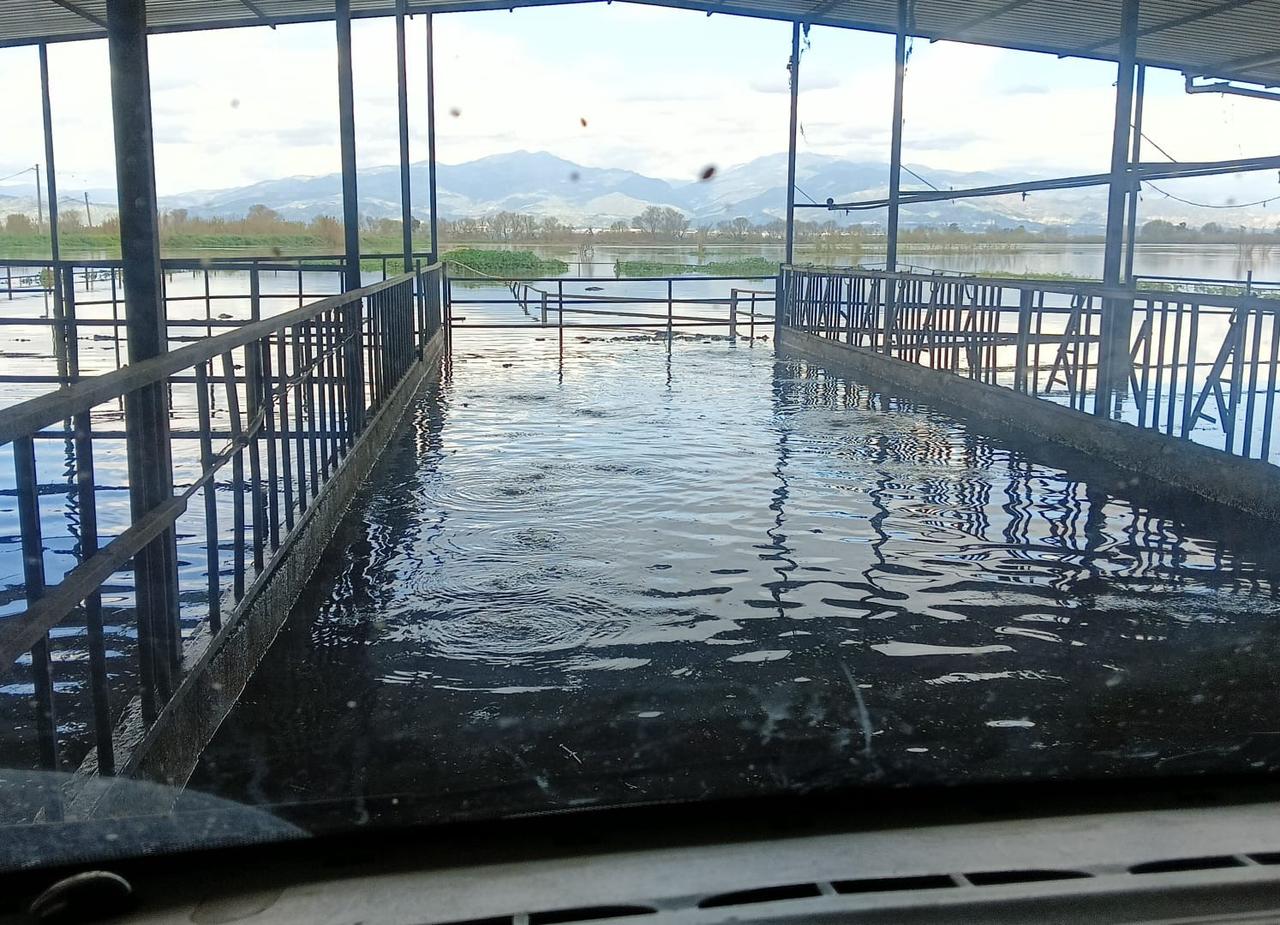
Across Aydin province, emergency teams responded to multiple landslides and flood incidents as overflowing streams blocked roads and isolated some areas.
Authorities evacuated nine households as a precaution while crews worked continuously to restore access in several districts.
Across the affected provinces, controlled dam releases, evacuations, and road closures were carried out to reduce risk while emergency teams assessed structural and agricultural damage.


 Set as preferred source
 Set as preferred source



 6 min read