

 Newsletters


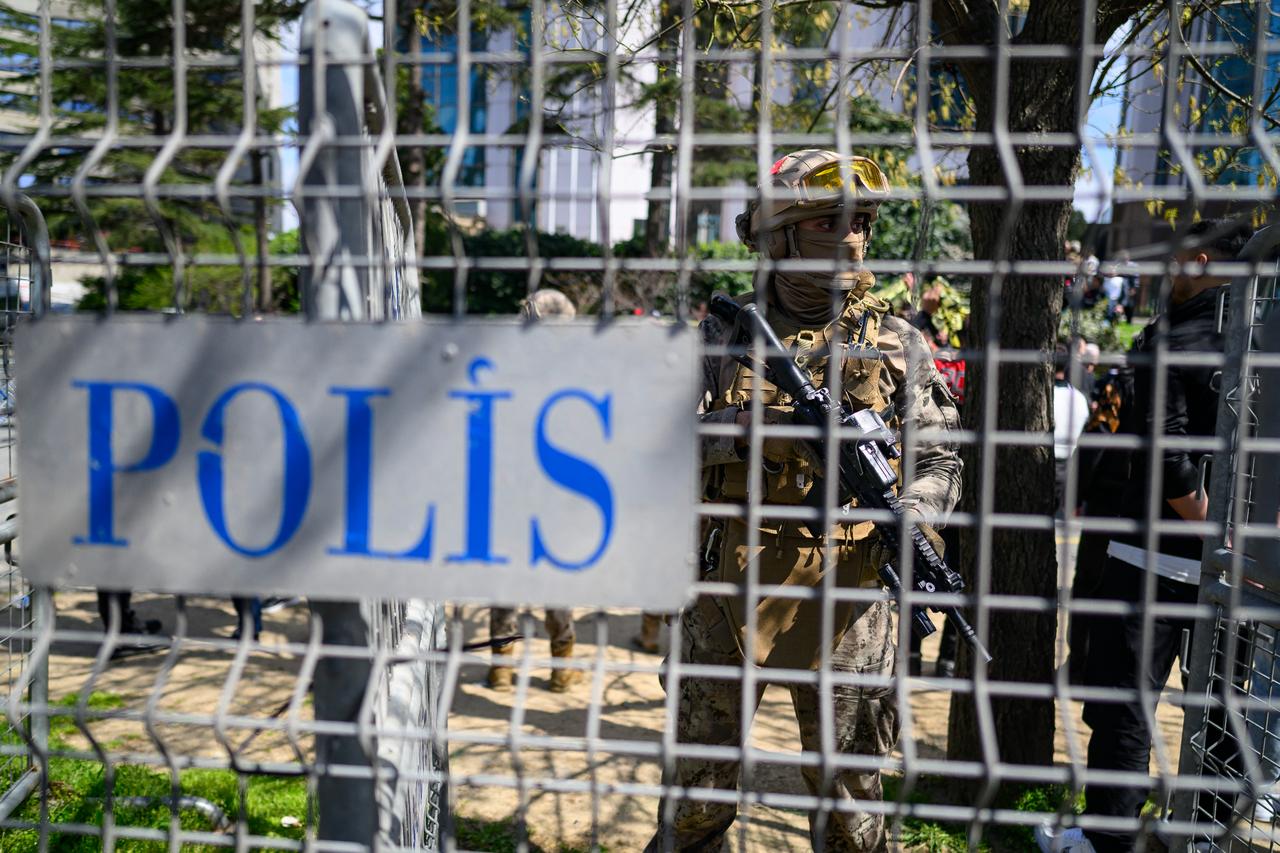


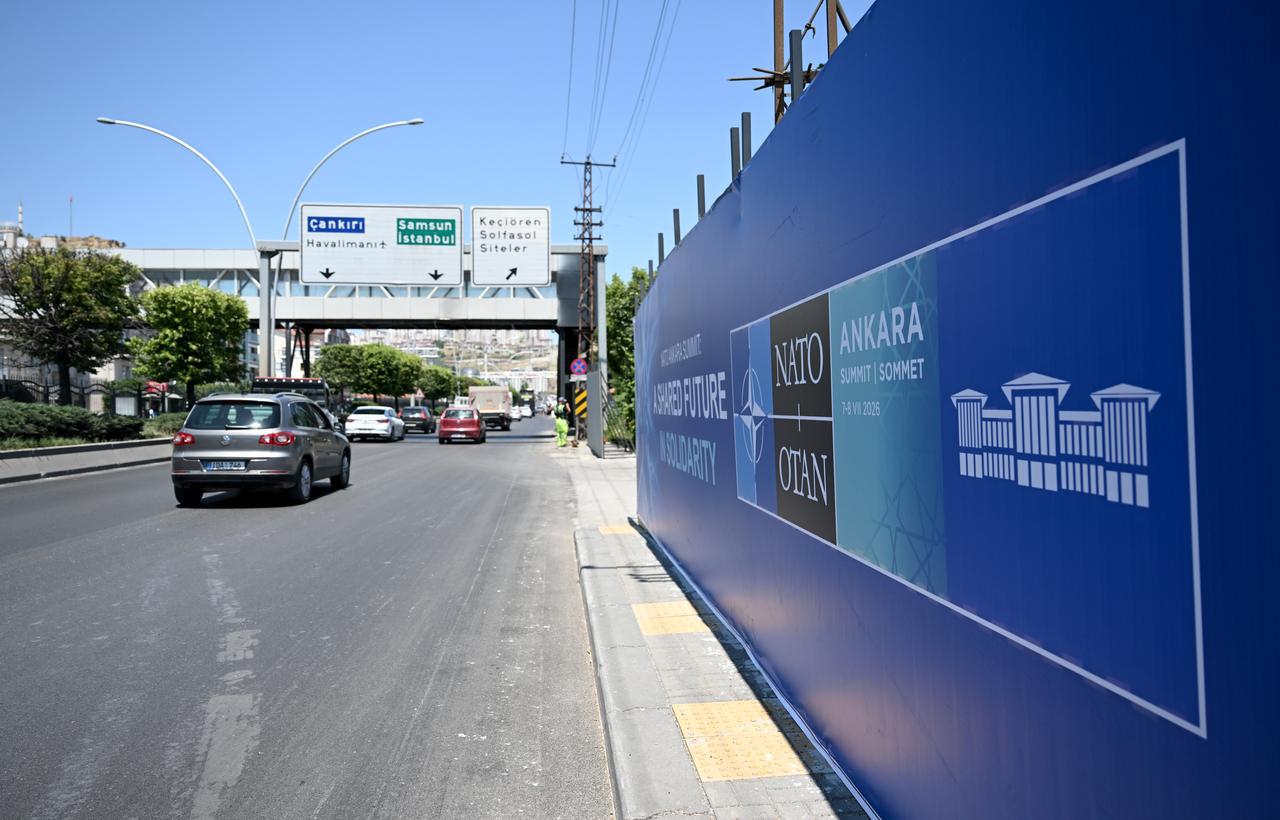
Türkiye will host the heads of state and government of 32 NATO member countries, invited leaders, nearly 100 ministers, senior diplomats, representatives of international organizations, and thousands of foreign guests during the 36th NATO Summit in Ankara on July 7-8.
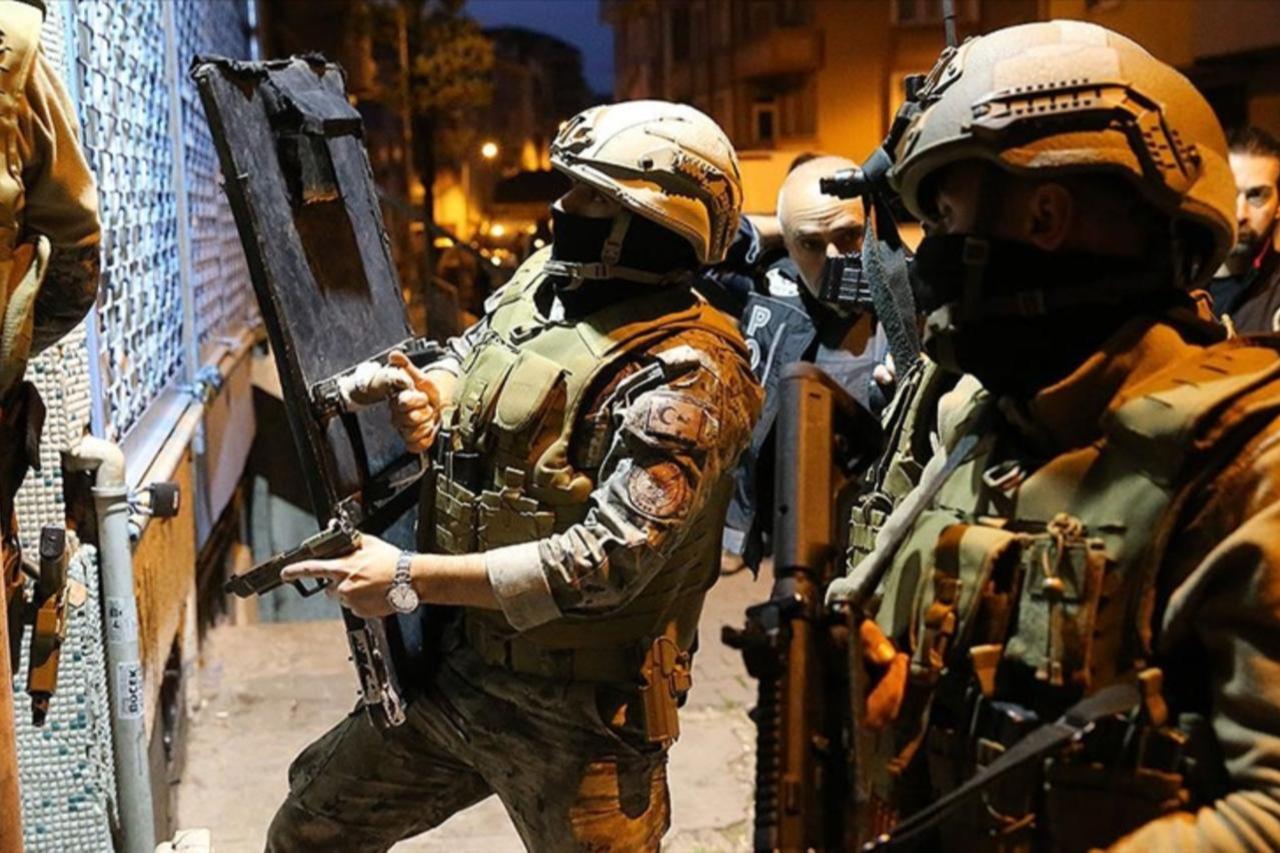
A total of 56,288 security personnel, including 48,841 police officers and 7,447 gendarmerie personnel, will be on duty during the summit, according to Anadolu Agency.
Nearly 3,000 journalists, television crews, photojournalists, digital media representatives, and international broadcasters from around the world have applied for accreditation.
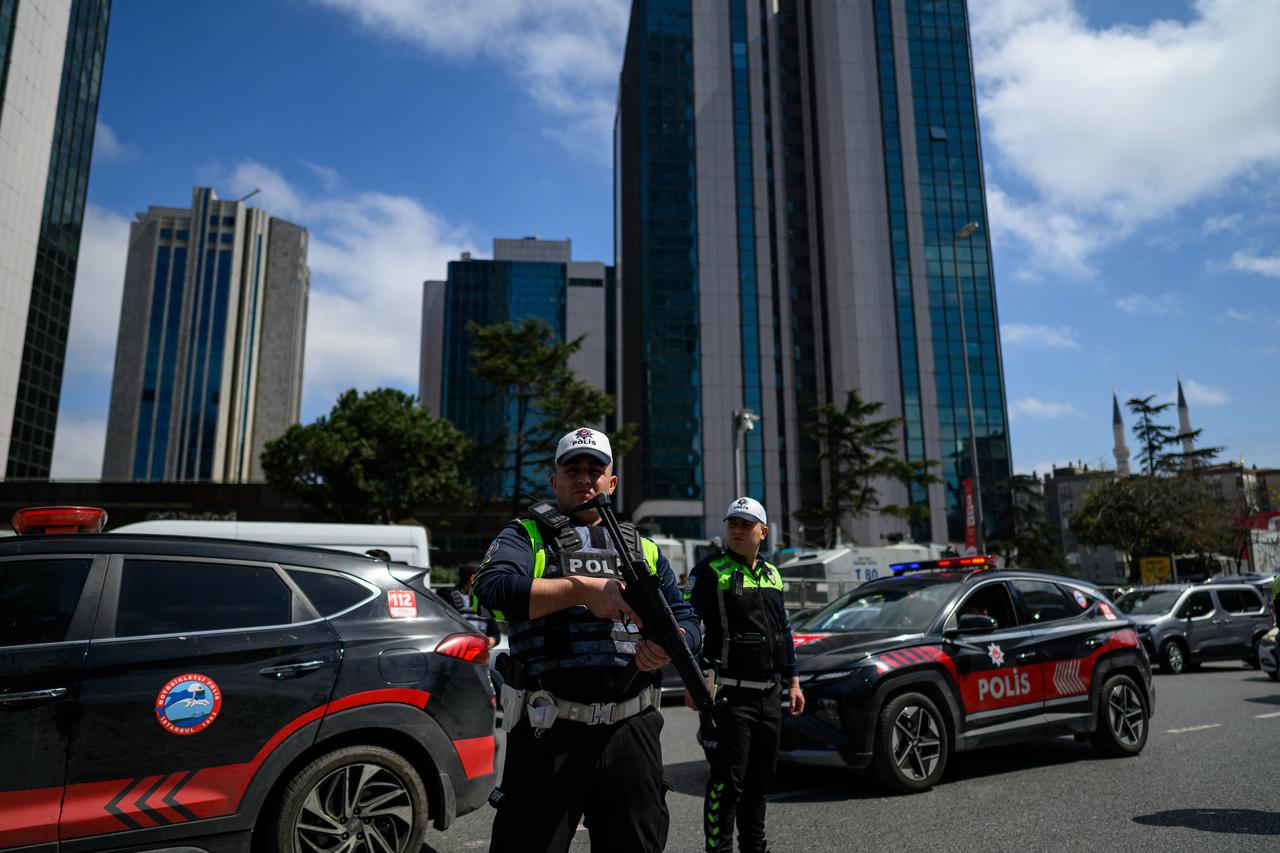

Ahead of the summit, Ankara has effectively been placed on red alert, while high-level measures are also being taken against cyberattacks.
A circular sent to all relevant institutions under the signature of Umit Onal, head of the Presidency's Cybersecurity Directorate, stated that institutions were told that operational preparedness against cyberthreats must be raised to the highest level during the summit and that critical infrastructure services must continue without interruption.
A total of 639 personnel will conduct virtual patrols in cyberspace on a 24/7 basis to combat crime and criminals.
Under the measures, institutions and organizations will review the security levels of critical information systems, digital infrastructure and services, internet access infrastructure, communication systems, data centers, cloud computing services, and all information technology assets directly or indirectly linked to the summit.
Vulnerability scans will be conducted on publicly accessible websites, online applications, and transaction platforms, mobile applications, remote access systems, email infrastructure, and all external-facing services.
Compensating controls for security vulnerabilities, particularly those identified as critical or high-level, will be implemented without delay. Disaster recovery scenarios and crisis management procedures will also be reviewed, and deficiencies will be addressed.
Before and during the summit, critical systems will be subject to heightened monitoring. Security monitoring, logging, alarm generation, incident correlation, threat intelligence tracking and anomaly detection processes will be operated effectively.
Technical and administrative measures will be taken against distributed denial-of-service attacks, phishing attempts, malware distribution, credential theft attempts, web application attacks, supply chain-related risks and social engineering activities.
SSL VPN, IPsec VPN and similar external access services used by institutions and organizations for remote access will be subjected to risk assessments. During the summit, nonessential remote access will be disabled or restricted as much as possible.
Authentication and authorization procedures will also be reviewed. Multifactor authentication, strong password policies, access restrictions, and logging mechanisms will be implemented effectively.
The contact information of Corporate Cyber Incident Response Teams, known as SOME, will be checked to ensure that teams are up-to-date and reachable on a 24/7 basis throughout the summit.
Technical and administrative personnel who will respond to possible cybersecurity incidents will be determined in advance.
All information systems will be configured to be monitored through a centralized security monitoring and incident management system to detect cybersecurity incidents and unauthorized attempts.
Automatic alarm mechanisms will instantly detect even the slightest suspicious movement on the network and notify security teams.
As part of the summit, participants will be served through three airports: Ankara, Esenboga and Murted.
The summit will be organized under a standard template determined by the NATO Secretariat.
The leaders' meeting will be held entirely behind closed doors and conducted in a format with NATO-level classification.
The press will be allowed to film only briefly at the start of the meeting. During that section, NATO Secretary-General Mark Rutte will make a brief statement on behalf of the alliance, outlining the summit agenda, the topics to be discussed, and the current situation.
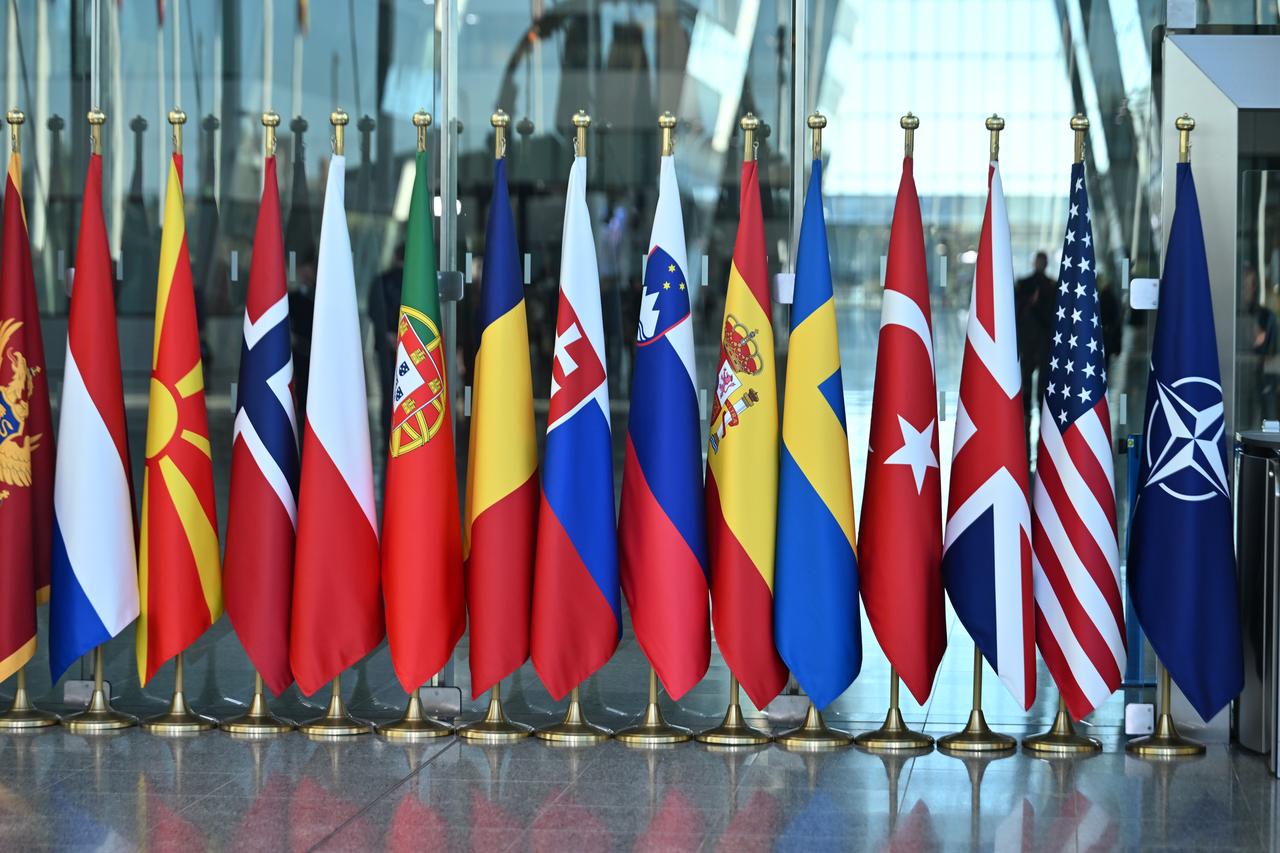
The Directorate of Communications has established a NATO task force to manage media and broadcasting activities, accreditation processes, promotional work, crisis communication and public diplomacy efforts during the 36th NATO Summit.
A total of 850 personnel will be on duty, including TRT staff, with 500 personnel assigned to summit areas and 350 personnel assigned to side events and crisis communication.
TRT, operating under the coordination and responsibility of the Directorate of Communications, will broadcast the summit to the world from 26 different points using 80 cameras.
At the media center, in cooperation with the Directorate General of Administrative Affairs of the Presidency, planning and infrastructure work has been carried out at the Presidential National Library for about 1,600 press workspaces, nearly 100 live broadcast points, 54 of them fixed, interview areas, studios, press mixers, directional signs, 40 editing rooms, announcement screens, and broadcast screens.
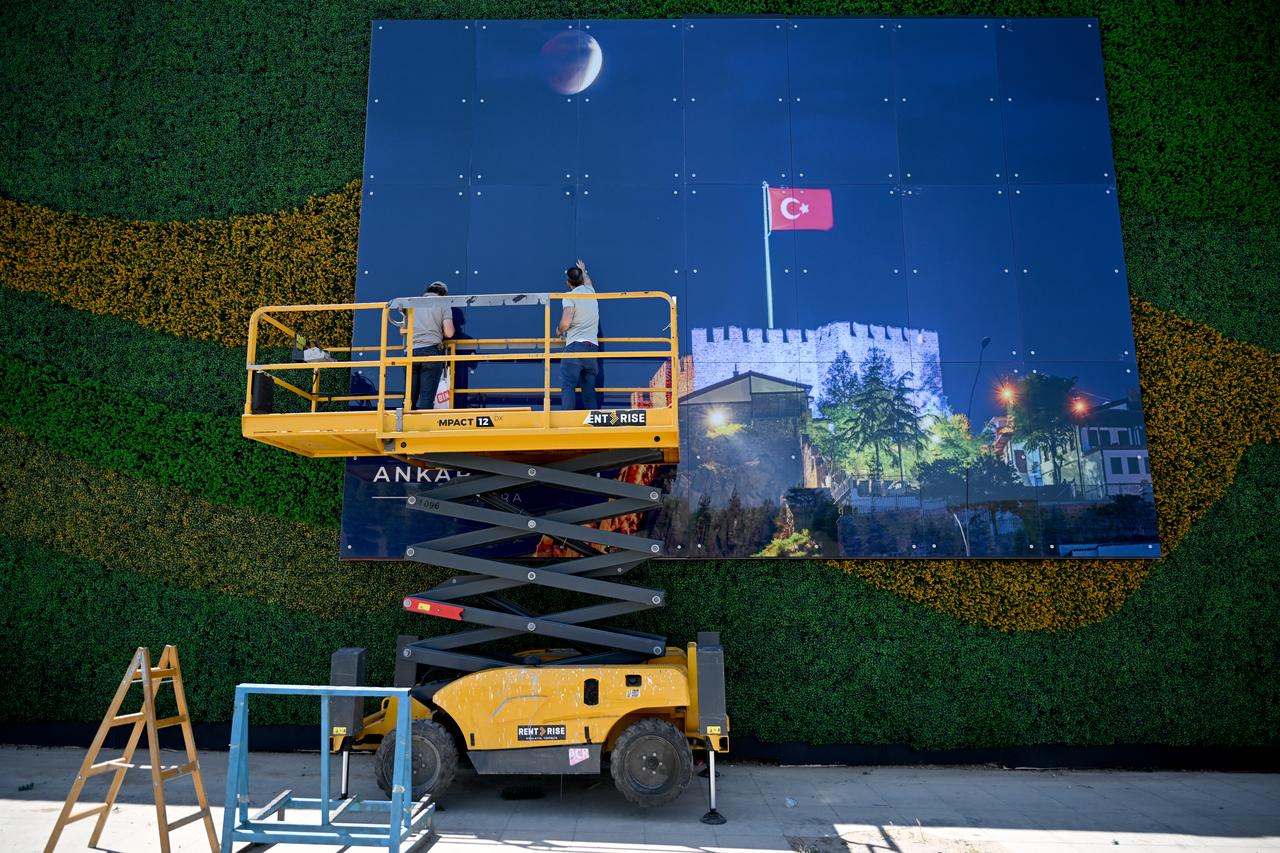
Throughout summit week in Ankara, promotional activities in four different concepts will be carried out at 4,434 outdoor communication points across the city.
As part of the summit, the "NATO Allies in Ankara" program will be held at Ankara Palas on July 7-8 in cooperation with the Munich Security Conference and the Foundation for Political, Economic and Social Research, or SETA.
Three new books will also be prepared as gifts for leaders attending the summit and for distribution to members of the media, diplomats, and senior civilian and military officials.
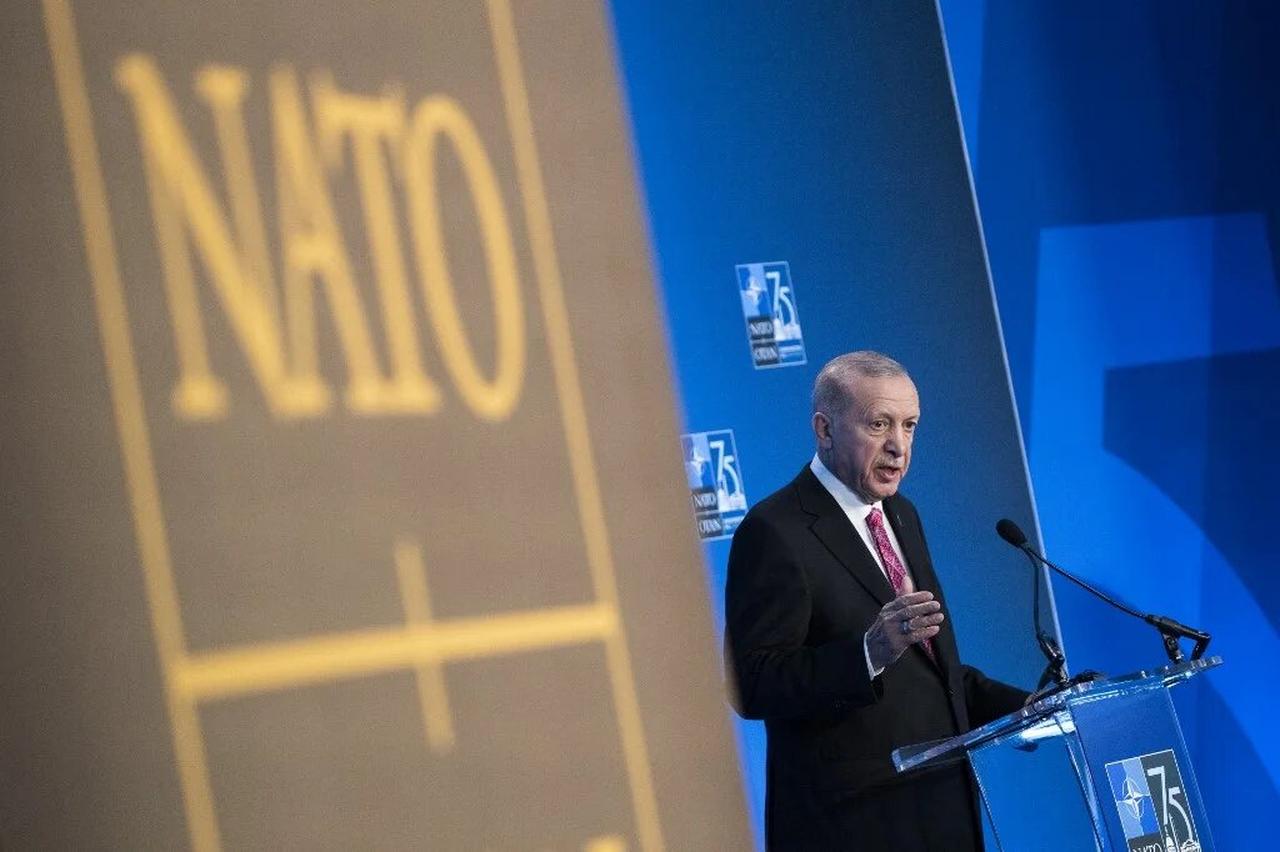
Türkiye's communications director said Wednesday that the 2026 NATO Summit in Ankara will demonstrate Türkiye's growing influence within the alliance and its role as a key actor in regional and global security.
Speaking to Ankara representatives of newspapers and television channels ahead of the summit, Burhanettin Duran said NATO has remained one of the longest-lasting and most institutionalized security alliances because of its ability to adapt to changing threats.
He said security challenges today extend beyond conventional military threats to include cyberattacks, critical infrastructure, energy security, disinformation and supply chains.
Duran said Ankara's position within NATO has evolved significantly since Türkiye joined the alliance in 1952.
"Türkiye has moved from the periphery to the center of NATO," he said.
"It is no longer only a country protecting NATO's borders but a central ally on almost every issue concerning the alliance," Duran added.
He described Türkiye as a country that seeks to reduce tensions and create space for diplomacy during crises while maintaining strong deterrence capabilities.
"Under the leadership of President Recep Tayyip Erdogan, Türkiye has become an effective global actor that takes initiative in resolving crises, facilitates diplomacy and contributes to regional and global peace," Duran said.
He added that Türkiye is emerging as a "safe harbor" and building what he called a "Türkiye axis."
 2 min read
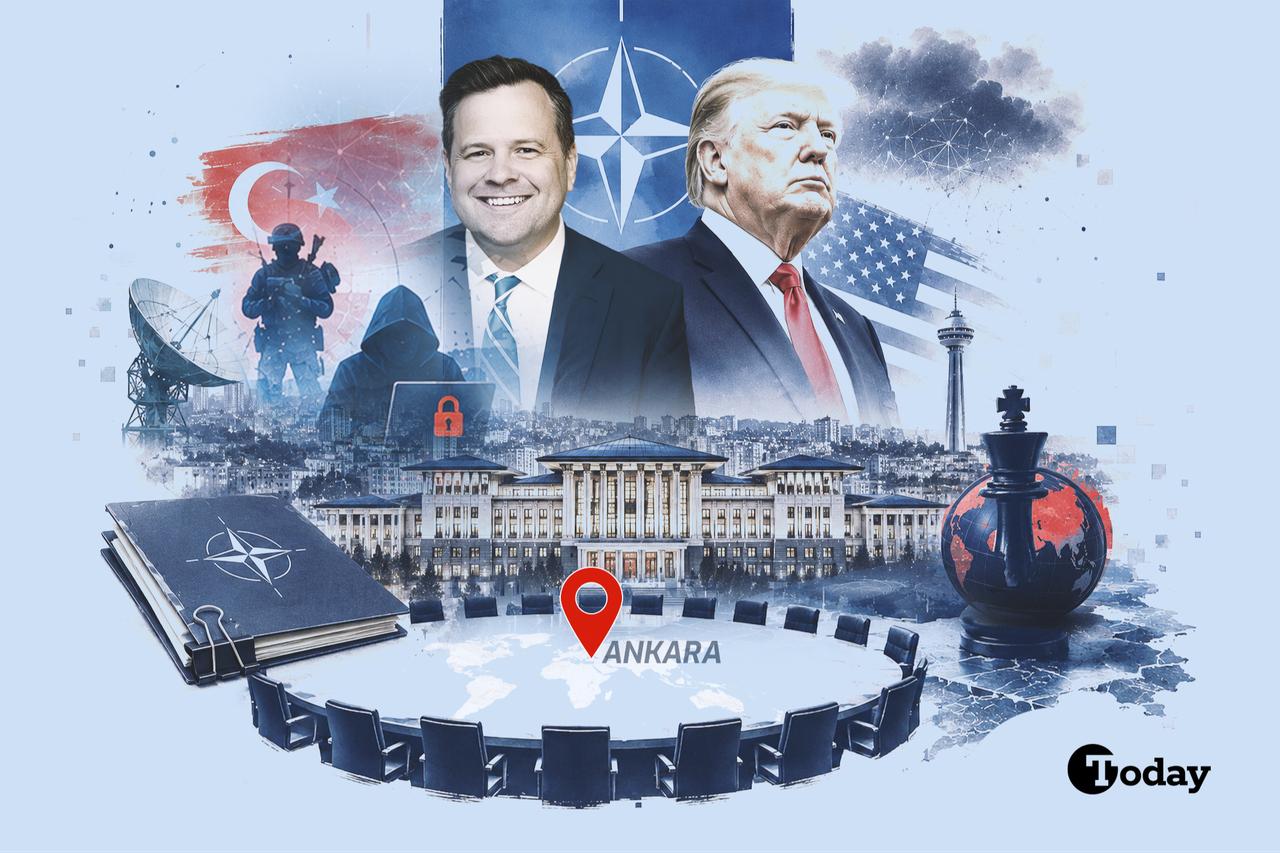
Duran said the July 2026 summit would be important for both NATO's future and the evolving global security architecture.
"The 2026 Ankara Summit is not merely a matter of hosting. It is a diplomatic stage demonstrating Türkiye's rising weight within NATO," he said.
According to Duran, the summit will highlight Türkiye's military contributions, defense industry capabilities, crisis management capacity and diplomatic leadership.
He said burden-sharing would be among the summit's main agenda items, noting that Türkiye aims to reach NATO's defense spending target of 3.5% plus 1.5% by the end of 2030.
Duran also highlighted the growing importance of Türkiye's defense industry, describing it as a strategic force multiplier for both national security and NATO's overall deterrence capacity.
He announced that a Defense Industry Forum will be included in the summit's official program for the first time and that a NATO Istanbul Cooperation Initiative foreign ministers meeting will be held on the sidelines of the gathering.
Several side events will also be held on the margins of the 36th NATO Summit.
The NATO Parliamentary Summit will be held at Dolmabahce Palace on June 28-29.
An informal reception for permanent representatives of allied countries attending the summit and ambassadors in Ankara, as well as the SAM-Chatham House Workshop, will be held on July 6.
A panel series titled "NATO Ankara Summit Dialogues" will be held on July 7, while the SETA-MSC event titled "Allies at Ankara" and the Transatlantic Policy Planners Roundtable will be held on July 7-8.


 Set as preferred source
 Set as preferred source


 1 min read


