Newsletters


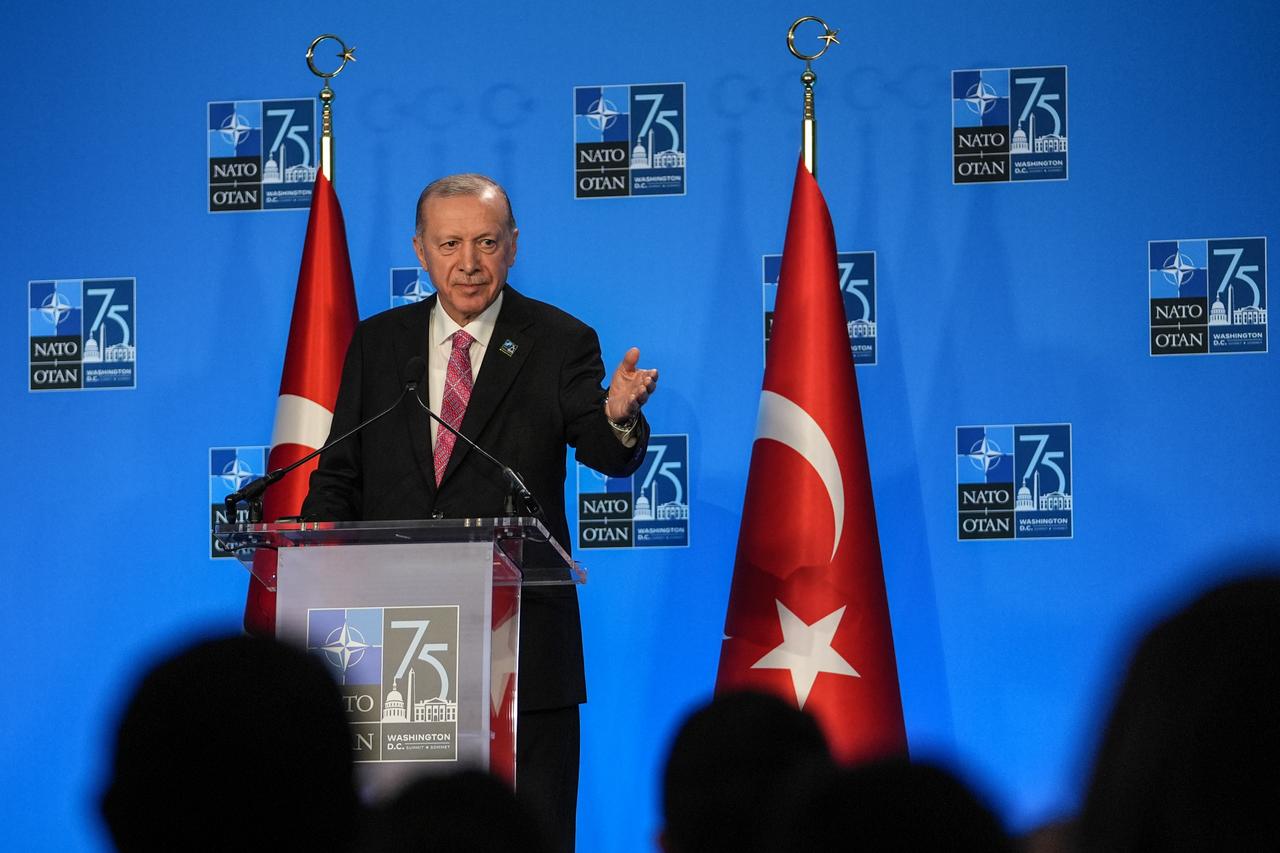


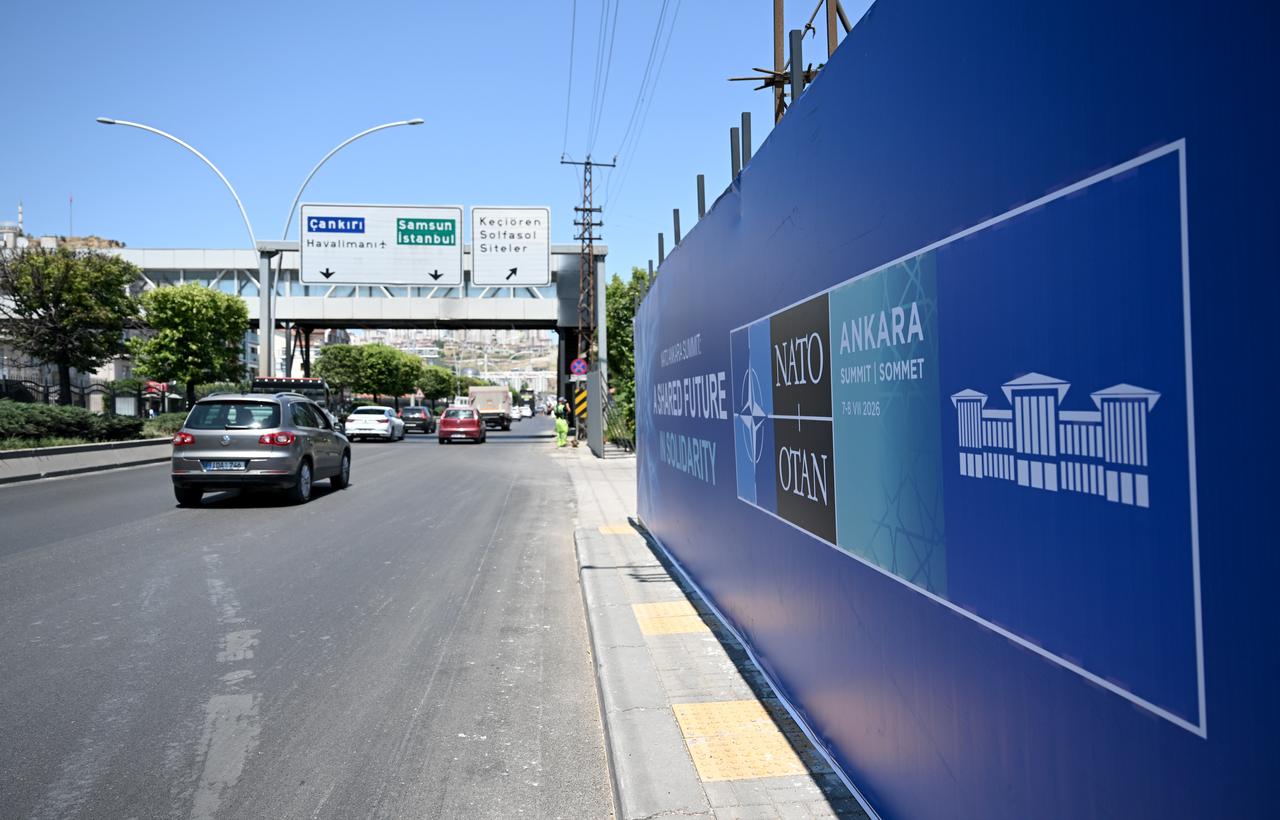
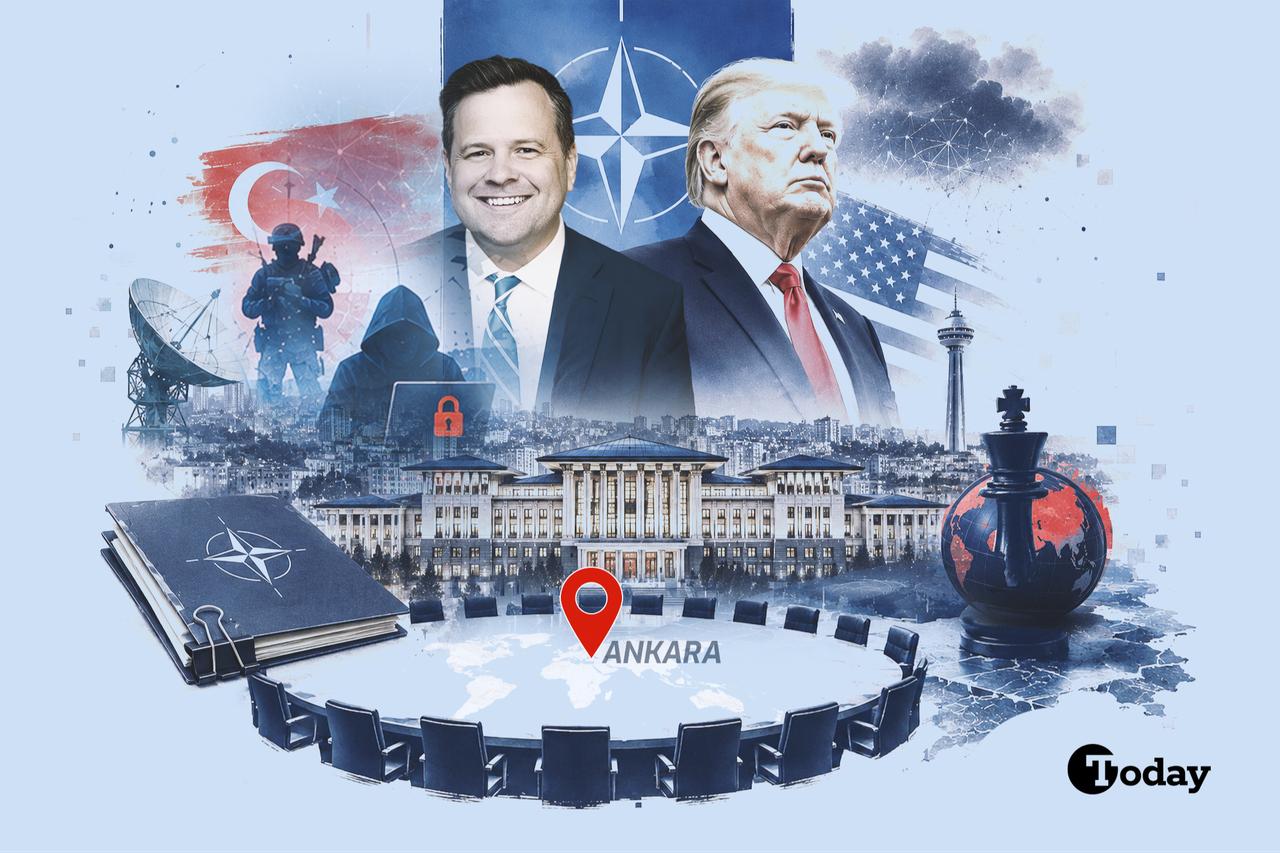
When NATO leaders meet in Ankara on 7-8 July, much of the discussion will concern spending, industrial output and forces ready to fight. Türkiye will be expected to carry more of that load.
Türkiye’s defence exports reached about $10 billion in 2025. That figure does not tell us how many forces Ankara can deploy, how quickly it can sustain them, or what stocks it can make available in a contingency.
But it does show that the country’s production base now has a larger place in its national-security policy and in the wider push to increase output across the Alliance.
The more important question is what follows if Türkiye assumes a larger role.
The usual answer comes from a Cold War habit: the more a country matters inside an alliance, the less room it should have outside it. Türkiye cannot conduct its foreign policy that way. Its geography makes this impossible.
A war in the Black Sea changes shipping and insurance costs.
A crisis to the south can disrupt air traffic and trade within hours. Energy shocks do not stop at alliance borders. Türkiye has to live with the consequences of decisions taken far beyond its own territory.
A larger Turkish role in NATO should therefore mean greater capacity to protect Turkish interests. It should not be read as a promise that Ankara will cut itself off from countries beyond the alliance.
Türkiye has treaty obligations and clear security commitments. It also has commercial ties, transport routes and diplomatic channels that it cannot discard without weakening itself. Its freedom to act depends on avoiding overdependence on any one capital, market or supplier.
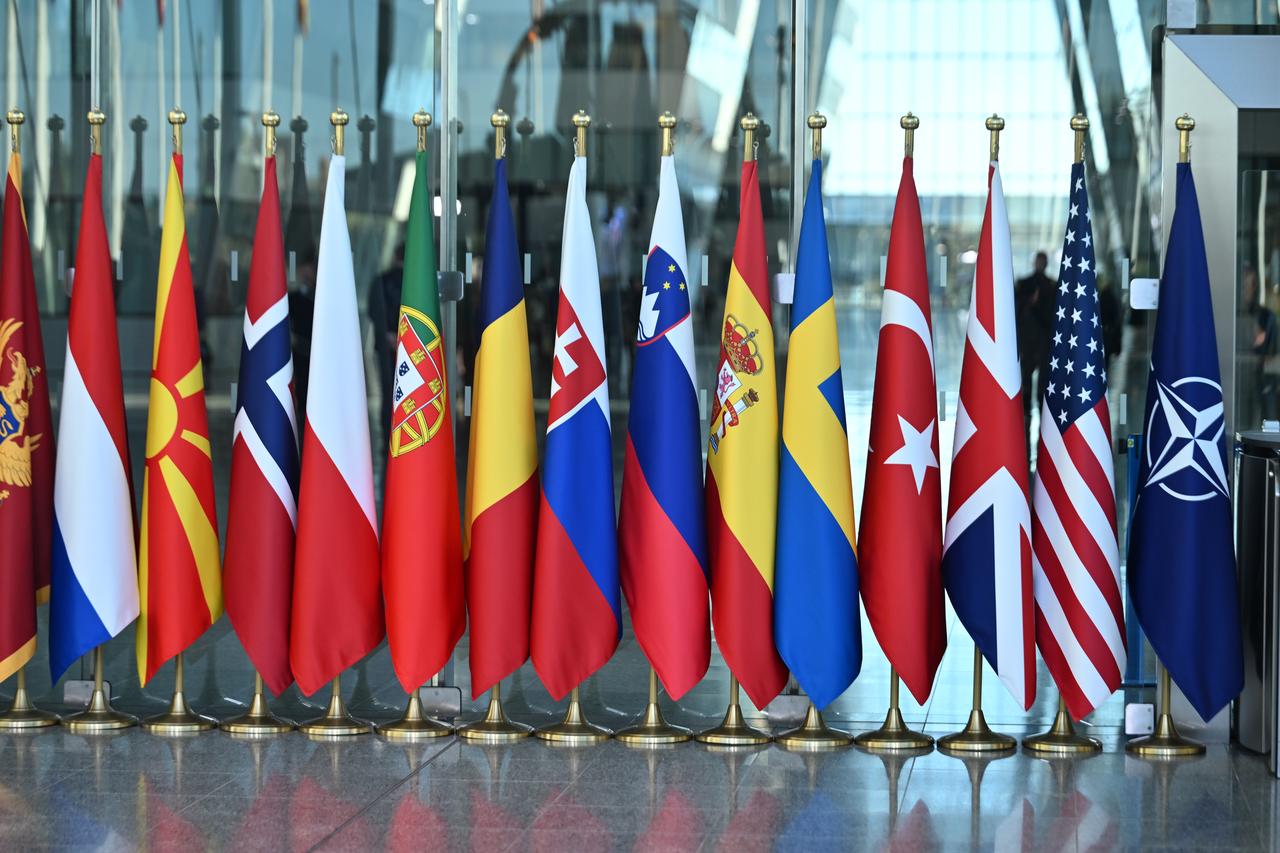

Countries outside NATO should take that distinction seriously. Few will view a stronger Turkish military or a bigger Turkish voice in Alliance planning with indifference. Some will see new risks. Yet they have little to gain from a Türkiye whose choices have narrowed and whose foreign policy is reduced to proving loyalty to a single camp.
A government with options can impose limits on itself and on others. One that feels cornered is more likely to turn each dispute into a test of loyalty.
The Black Sea shows why. In 2022, Ankara invoked Article 19 of the Montreux Convention, barring passage for warships of belligerent states, subject to the Convention’s exceptions. Türkiye also urged other states not to send warships into the Black Sea. The measure neither settled the war nor leveled the naval balance.
Russia already had a major presence there when the war began. What the convention did was restrict reinforcement from outside the region under a known legal regime. It set a ceiling on how far the naval dimension of the war could expand.
That conclusion does not rest on guessing what Moscow wants. Russia may value predictable enforcement of the Straits regime while objecting to a more capable Türkiye inside NATO. Both can be true.
The relevant point is that a Turkish state able to apply the convention consistently, keep civilian links operating and make its own security assessments reduces the scope for miscalculation in a crowded theater.
Energy makes the point even more plainly. Since Russian gas transit through Ukraine ended in January 2025, Türkiye has been the only transit route left for Russian pipeline gas to Europe. TurkStream runs beneath the Black Sea to Türkiye and on to European markets. Ankara does not control Russian policy, nor does it hold a veto over European energy choices.
However, it sits on a route that matters to Moscow and to the countries still supplied through it.
The relationship is not one-way. Türkiye has long been a major buyer of Russian gas, even as it has expanded liquefied natural gas contracts and domestic production.
Domestic output and contracted LNG volumes could rise from roughly 15 billion cubic meters in 2025 to more than 26 billion annually by 2028. That does not reverse the relationship overnight, but it changes the balance at the margin.
For Moscow, a Türkiye with more weight inside NATO and a stake in orderly energy ties may be a better counterpart than one with no independent room to maneuver. Türkiye’s role is not to act as an energy intermediary for anyone’s geopolitical agenda. On the contrary, its interest lies in preserving the rules, infrastructure and commercial reliability that give it leverage in the first place.
Diplomatic access works much the same way. Istanbul hosted three rounds of direct Russian-Ukrainian talks in 2025. It also hosted U.S.-Russian discussions on the operation of their diplomatic missions. Those meetings did not resolve the underlying conflicts. But they showed that Turkish diplomacy can provide a setting in which officials meet without either side accepting the political framing of the other.
That capacity comes from relationships maintained over years, not from a neutral posture adopted for a specific crisis. Türkiye is a NATO member with its own commitments and red lines.
It also retains enough contact with states outside the alliance to keep certain channels open when others have closed.
That is a practical asset in an era when even limited communication can prevent a dispute from acquiring a life of its own.
The same logic reaches beyond the Black Sea. States outside NATO may find value in dealing with a Türkiye that can speak to European and U.S. officials in an alliance setting while negotiating regional questions in its own name. They should not expect automatic sympathy, protection from sanctions, or a free diplomatic service.
Nonetheless, they can expect a government with direct exposure to the fallout from closed airspace, disrupted trade, and regional instability. Türkiye has a material interest in preventing disputes from becoming permanent ruptures.
This is where a larger Turkish role in NATO matters most. NATO makes decisions by consensus. A Türkiye with greater military capacity and a larger role in planning brings more than troops and equipment to the table.
On top of that, it brings the judgment of a country that has to manage the Black Sea, the eastern Mediterranean, and a volatile southern neighborhood at the same time.
That does not weaken collective defense. Conversely, it makes it harder to confuse a common position with a policy that ignores its own consequences. An alliance is stronger when its members can identify where deterrence ends and escalation begins, where economic pressure creates leverage, and where it merely closes channels that may later be needed.
The Ankara summit will produce pledges on spending and capability. The more consequential test will come later. Will Türkiye’s added capacity make NATO better informed about the environments in which it operates, or will it be treated as a reason to narrow Türkiye’s room to act?
The answer matters beyond the alliance. A Türkiye with a larger voice in NATO and durable interests across its neighborhood gives other states a counterpart with something to lose from escalation. That should be seen as a reason for serious engagement, instead of a guarantee of agreement.


 Set as preferred source
 Set as preferred source


 2 min read

 1 min read