Newsletters


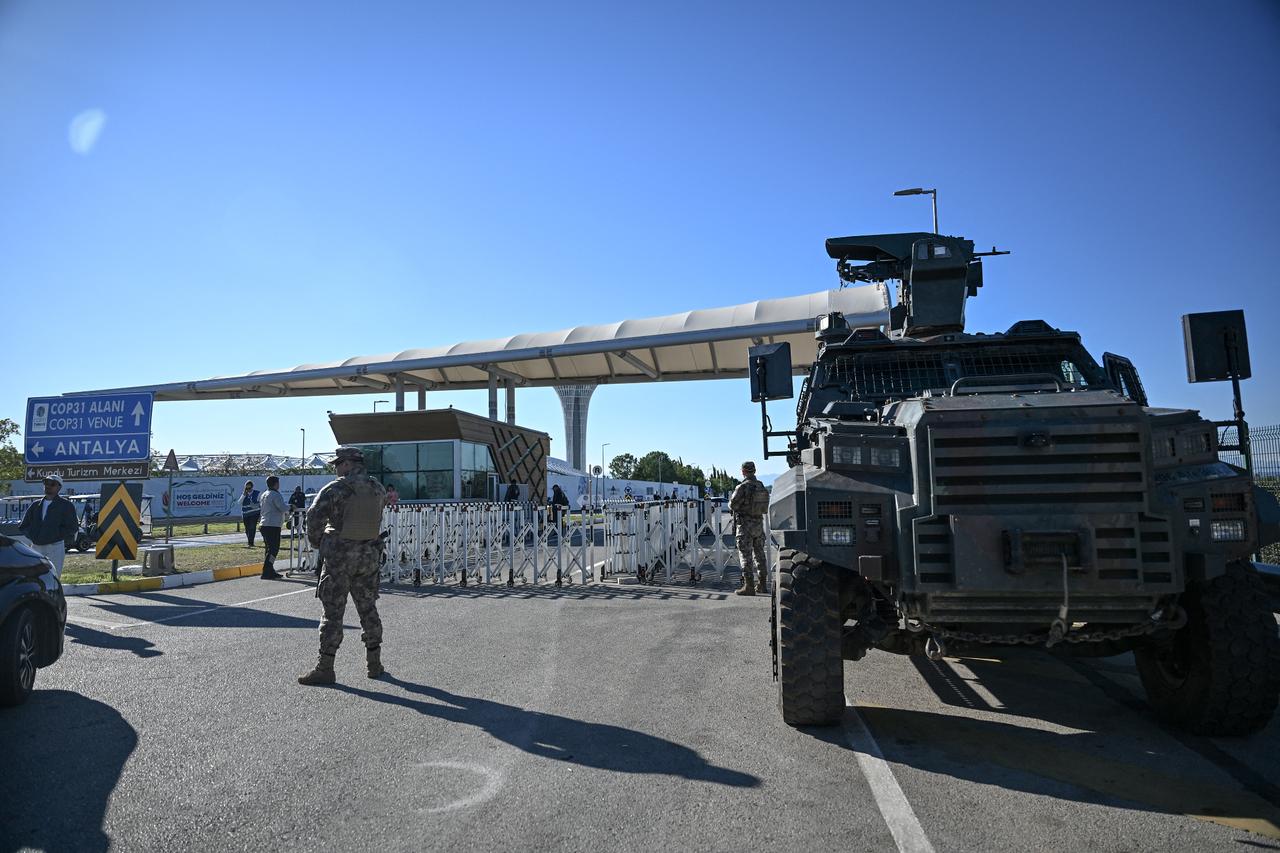


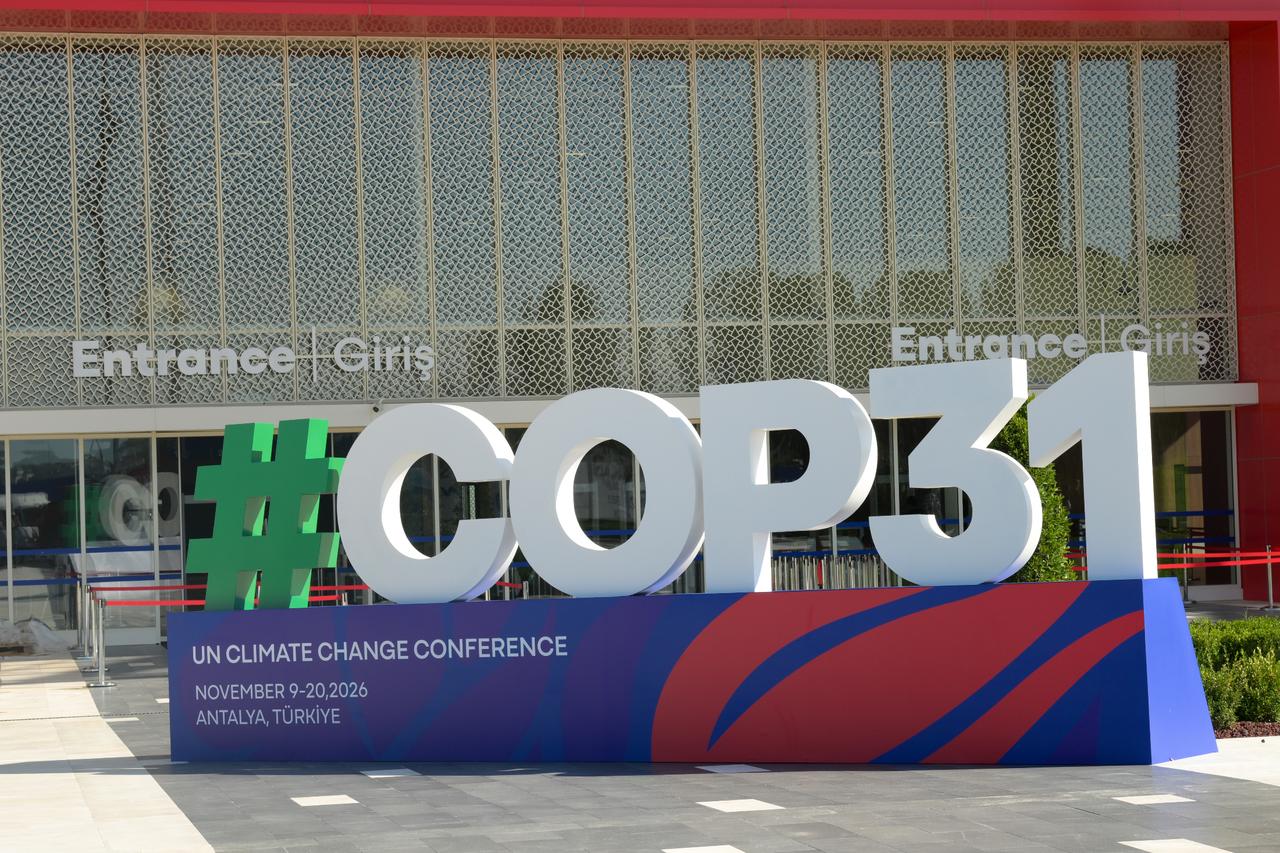
Traffic controls in Antalya will be stepped up during COP31, with authorities using helicopters, drones, unmanned aerial vehicles and camera systems to monitor roads throughout the day as world leaders and international delegations travel across the city.
Sedat Akyurek, Antalya’s deputy provincial police chief responsible for traffic, told Anadolu Agency that special arrangements had been made to ensure the uninterrupted movement of heads of state, government leaders and international delegations attending the U.N. climate summit.
Around 28,000 personnel will be deployed in cooperation with other institutions, he said.

Access to the summit venue will be provided through the D-400 highway, with lane arrangements introduced particularly along the Antalya-Alanya route to reduce congestion.
Akyurek said the right lane in the direction of Alanya would remain available for public use, while the left lane would be reserved for official convoys.
Heavy vehicles, intercity buses, trucks weighing more than 3,500 kilograms and minibuses will be prohibited from using the route between 6:00 a.m. and 10:00 p.m.
Authorities are also urging residents to use public transportation and avoid the D-400 unless necessary. People have been advised to postpone nonurgent travel where possible.
Around 600 COP31-branded buses will provide free public transportation across the province during the summit. Akyurek said the buses would not use the D-400 highway on Nov. 10, 11 and 12.
Additional traffic teams have been assigned by the General Directorate of Security’s Traffic Department for the summit.
Traffic will be monitored from the air with helicopters and drones and from the ground through cameras and electronic enforcement systems.
Images from systems jointly operated with the municipality will be transmitted to large screens at the traffic control center, where staff will monitor conditions in real time.
“Any sudden traffic congestion or disruptions will be detected by our teams at the traffic monitoring center and communicated to our colleagues in the field,” Akyurek said.
“This will allow our teams to respond quickly to congestion and other problems and try to ease traffic flow.”


 Set as preferred source
 Set as preferred source


 1 min read
 1 min read