Newsletters


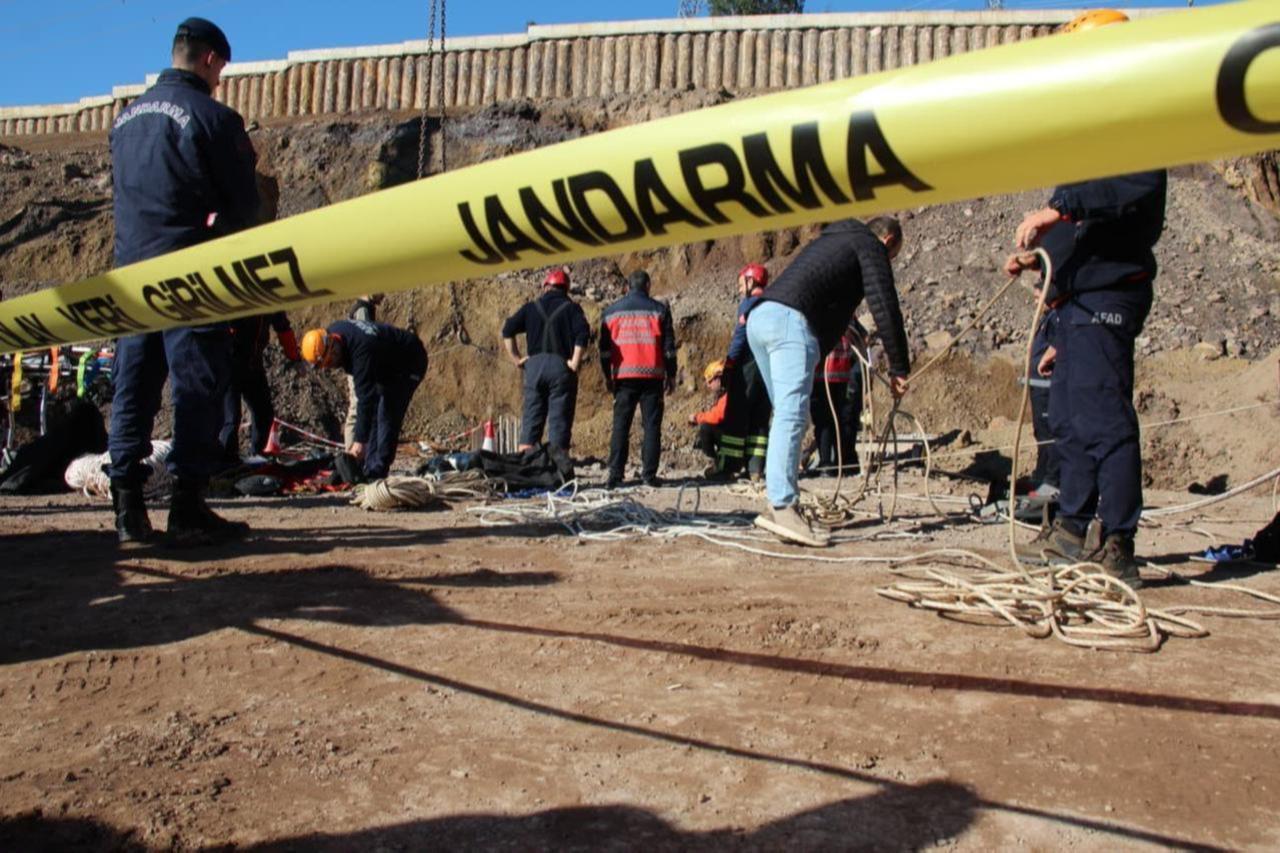


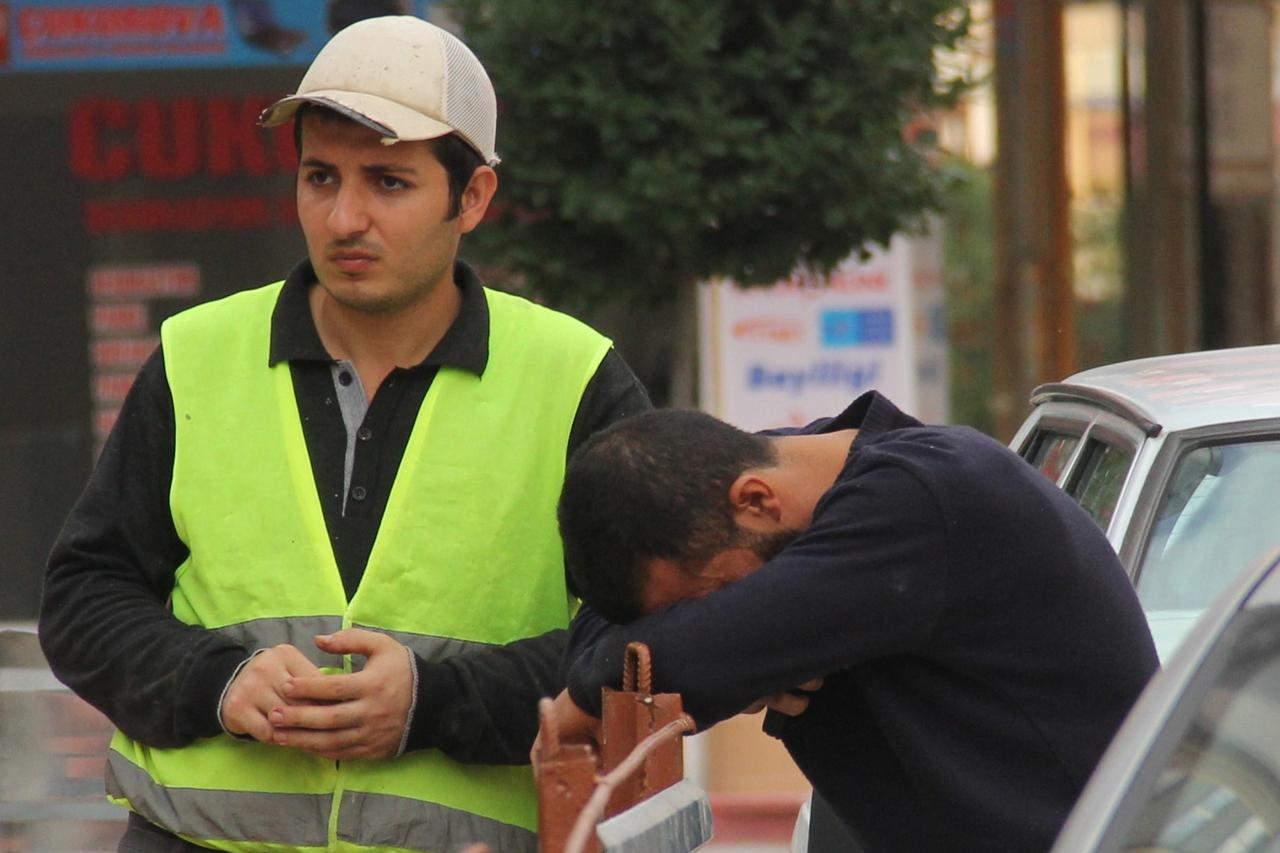
At least 148 workers lost their lives in workplace-related incidents in Türkiye in March 2026, bringing the total number of deaths in the first three months of the year to 432, according to data compiled by the Health and Safety Labor Watch Council (ISIG).
In its March 2026 report, the council underlined that what are often described as workplace accidents should instead be seen as preventable deaths linked to working conditions. The report pointed to employer-driven cost pressures and insufficient safeguards as key factors behind the fatalities.
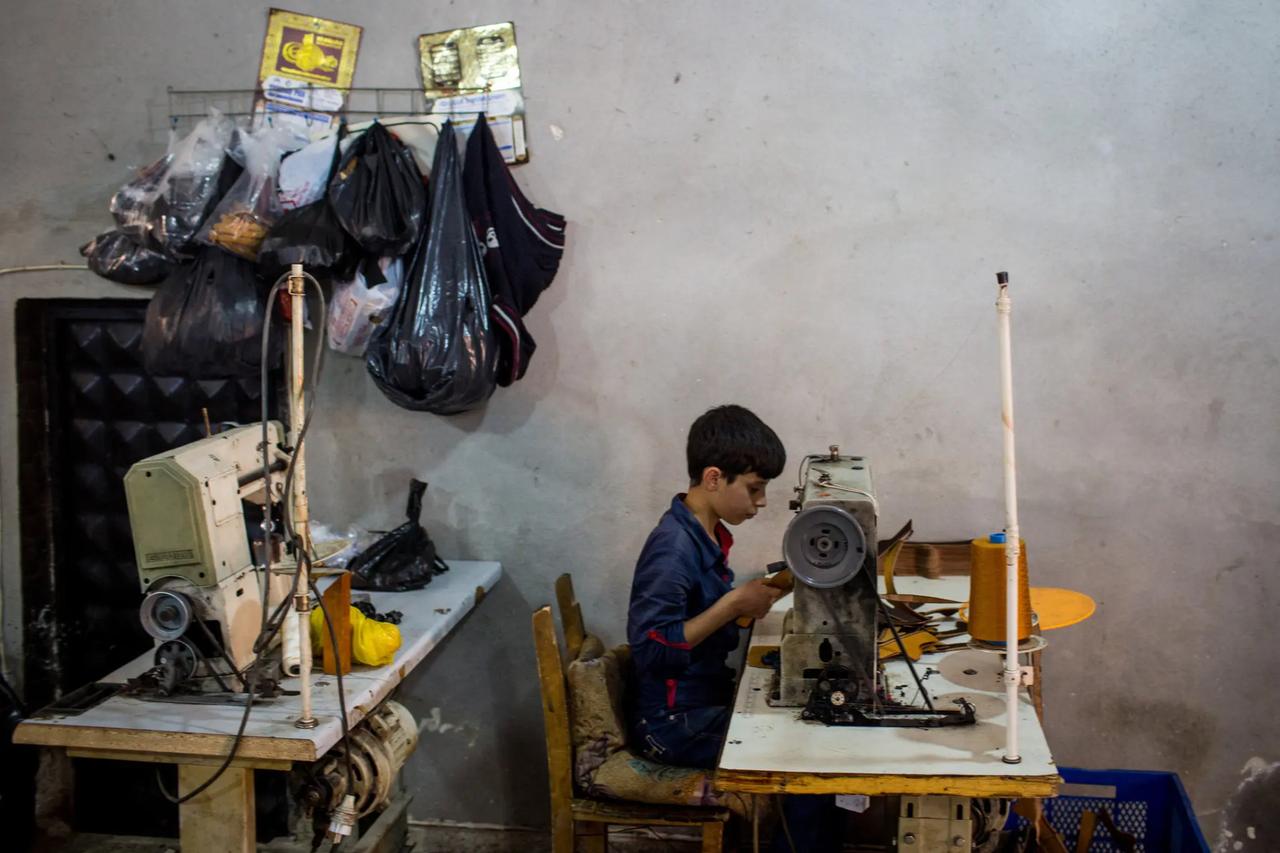
It also drew attention to vulnerable groups, particularly child workers and migrant laborers, who often face insecure and unregulated employment conditions.
Among those who died in March, 16 were women, while at least 15 were migrant workers. The report noted that migrant worker deaths were largely concentrated in agriculture and construction, sectors where informal employment is more widespread.
Union representation remained extremely limited, with only three of the deceased workers reported to be unionized.
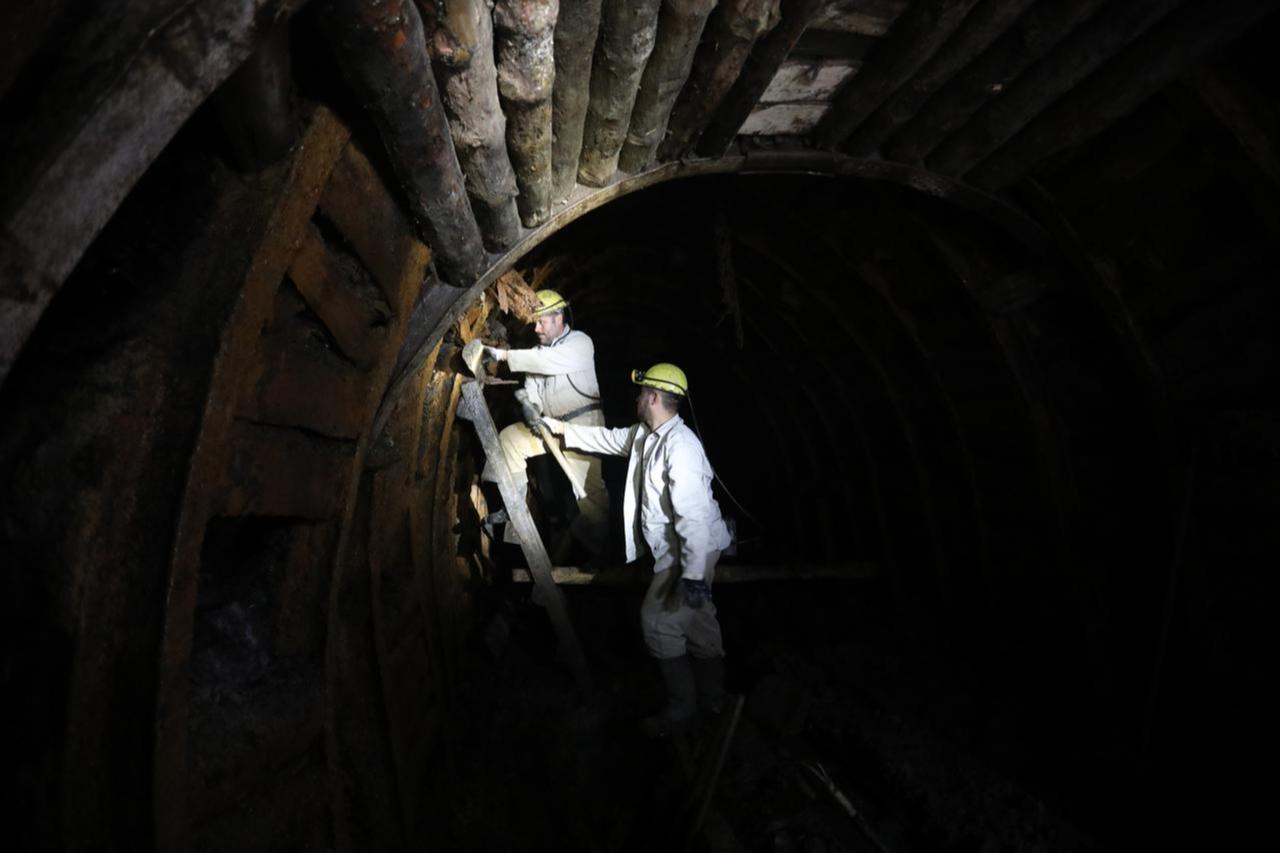
The highest number of deaths occurred in construction and road-related work, followed by transportation and agriculture. Other sectors with notable fatalities included office-based services such as trade, education, and administration, as well as mining.
When broken down by cause, traffic and shuttle accidents emerged as the leading factor, followed by heart attacks or brain hemorrhages, falls from height, crushing or collapse incidents, and explosions or fires.
The data also revealed that child labor remains a critical issue, with eight of the victims aged under 18. Most deaths occurred among workers aged 30 to 49.
Geographically, Istanbul recorded the highest number of fatalities, followed by Antalya, Izmir, and Gaziantep, indicating a concentration of workplace risks in major economic and industrial centers.


 Set as preferred source
 Set as preferred source


 1 min read
 1 min read