Newsletters


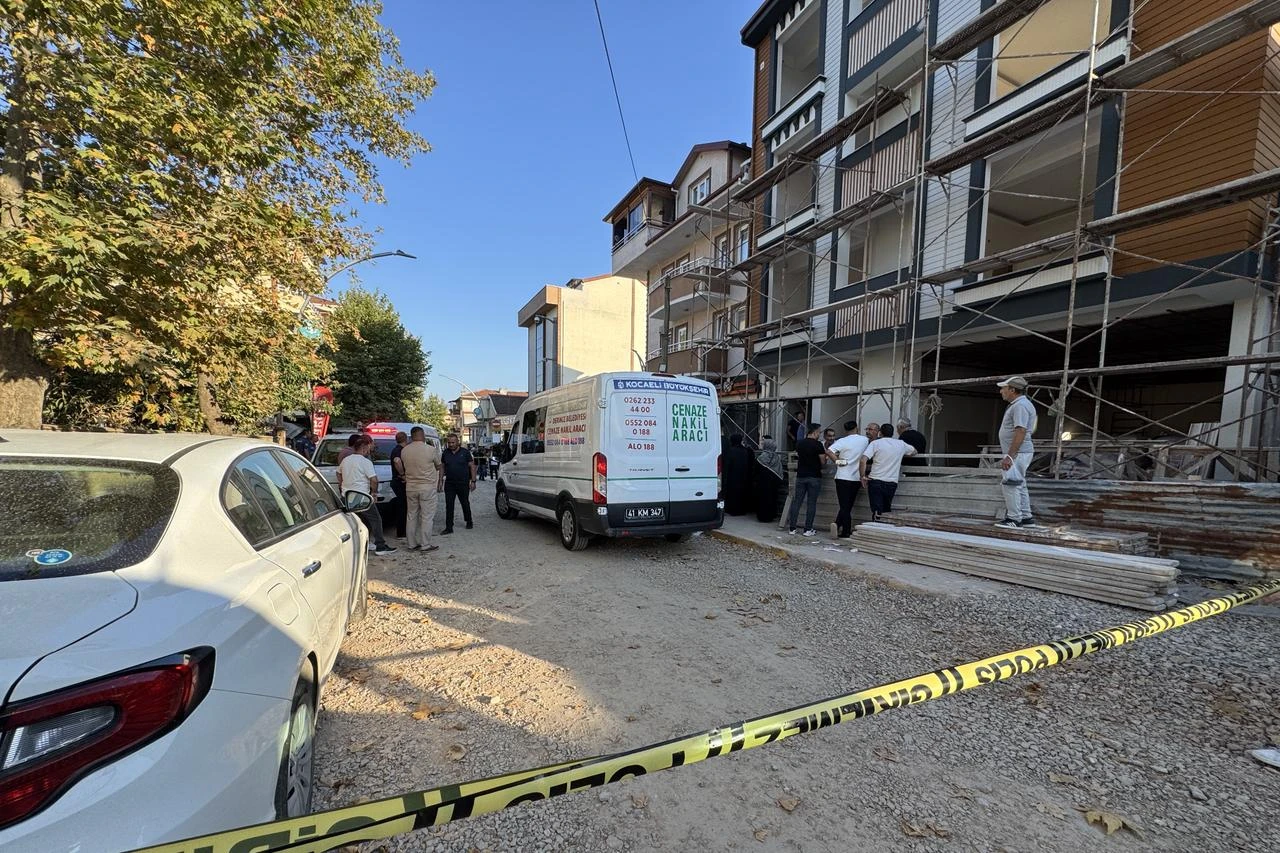


At least 228 workers lost their lives in work-related incidents in June—covering fatalities across Türkiye as well as Turkish nationals employed on projects abroad. This brings the country's total workplace death toll for the first half of 2026 to at least 1,063, according to a report by the Health and Safety Labor Watch Council (ISIG).
The figures have risen steadily since February, with 155 deaths recorded in January, 129 in February, 149 in March, 190 in April and 212 in May. The report noted that monthly totals may be updated as new information comes in.
Around 71% of the June cases were identified through national media reports, while the remaining cases were put together using information from workers, families, occupational safety specialists, workplace doctors, labor unions and local news outlets.
Agriculture and construction each recorded 54 deaths, making them the deadliest lines of work during the month. Transport followed with 24 deaths, while 19 workers died in the metal industry.
The agriculture figure included 12 wage workers and 42 self-employed farmers. The report said many of the farmers died while carrying out seasonal work in fields, orchards and livestock operations.
Deaths in construction included workers employed at public housing projects, government construction and renovation sites, and rebuilding projects in areas affected by earthquakes. Transport deaths involved truck, tanker, bus, taxi and delivery drivers, as well as motorcycle couriers.
Across the wider economy, 75 of those who died worked in industrial jobs, 56 in construction, 54 in agriculture and 43 in service-sector positions.
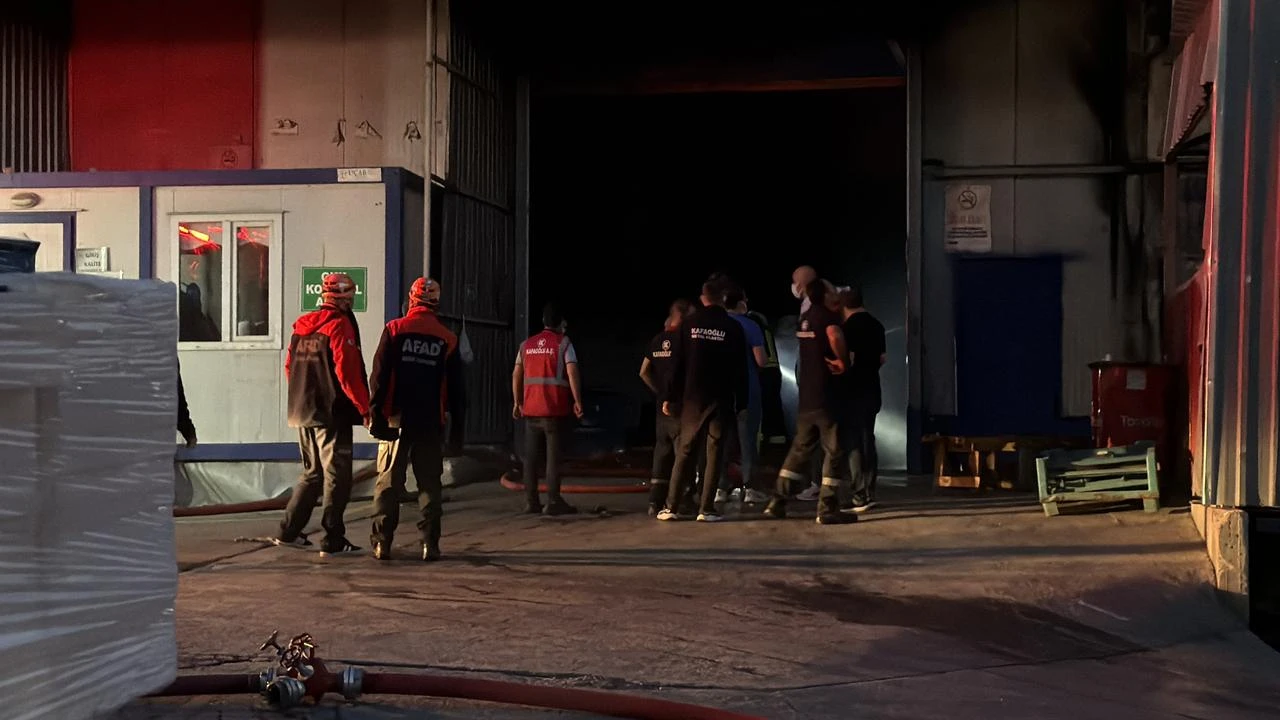

Crushing incidents and structural collapses were the leading cause of death, claiming 55 workers. More than half of these cases occurred in agriculture and construction.
Falls from height and road or company shuttle crashes each caused 35 deaths. Most fatal falls took place at construction sites, while around half of the traffic-related deaths occurred in the transport industry.
Heart attacks and brain hemorrhages accounted for 33 deaths, followed by electrocution with 18. The report also recorded deaths linked to violence, suicide, poisoning, drowning, explosions and fires.
The report warned that extreme heat was adding to the risks faced by construction workers, steelworkers, road maintenance crews, seasonal agricultural workers, port and shipyard employees, couriers and people working in enclosed factories, workshops and warehouses.
It said prolonged exposure to heat and humidity could bring on severe fluid loss, muscle spasms, dizziness, fainting, heart attacks, high blood pressure, brain hemorrhages and sudden death.
Although Article 13 of Türkiye's Occupational Health and Safety Law No. 6331 recognizes a "right to refrain from working" under dangerous conditions, the report argued that workers were often unable to make use of that protection in practice.
Six minors aged 15 to 17 were among the workplace fatalities in June, with three killed in construction, two in agriculture, and one in the glass industry.
In light of these deaths, the report renewed calls for urgent action against child labor across all primary sectors—including agriculture, industry, construction, and services—and criticized the exploitation of minors through vocational education programs.
The month's fatalities also included at least 10 women employed in agriculture, municipal services, commerce, education, and healthcare.
Furthermore, 14 migrant workers lost their lives, including five from Azerbaijan, three from Syria, two from Egypt, and one each from China, Iran, Uzbekistan, and Turkmenistan.
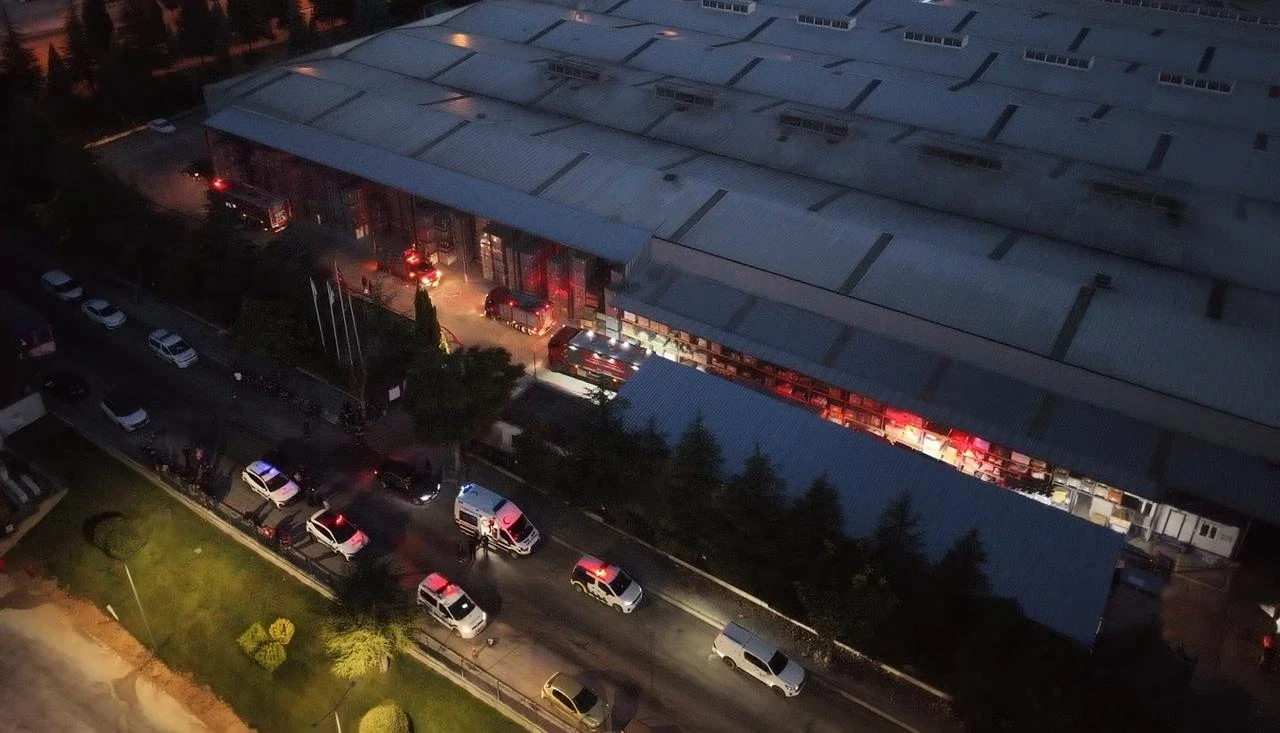
At least 216 of the workers who died, or 95% of the total, were not union members. Only 12 were known to be unionized.
The report cautioned that the true number of union members may have been higher because unions do not always issue statements following fatal incidents.
It also called on unions in sectors such as metal, chemicals, energy and municipal services to bring subcontracted workers into their organizing and collective bargaining processes. Subcontracted workers are employed by an outside company even though they carry out duties at another company's workplace.
Work-related deaths were identified in 65 provinces of Türkiye and four other countries where employees had traveled for temporary work or were working for companies based in Türkiye.
Istanbul recorded the highest provincial total with 26 deaths, followed by Bursa with 11. Kutahya and Sanliurfa each recorded nine, while Antalya and Samsun each recorded seven.
Five deaths were also reported in Russia, with additional cases recorded in Algeria, Hungary and Serbia.


 Set as preferred source
 Set as preferred source


 1 min read
 1 min read