Newsletters


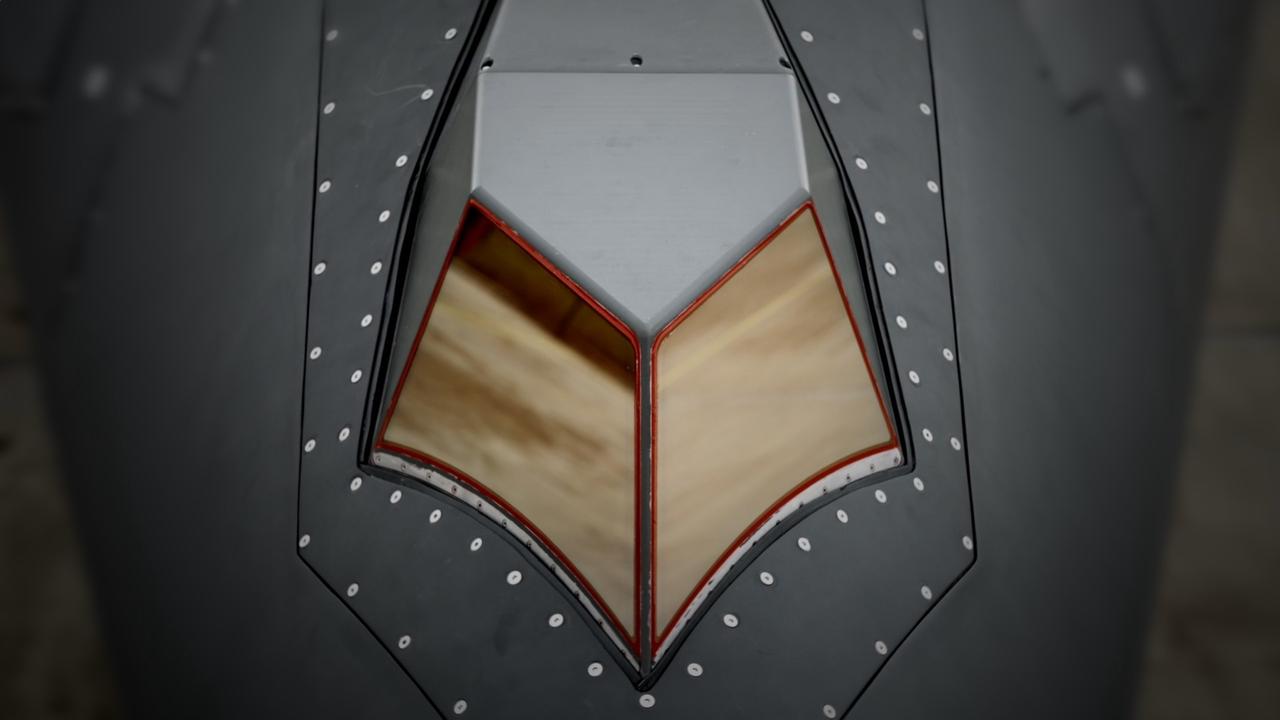
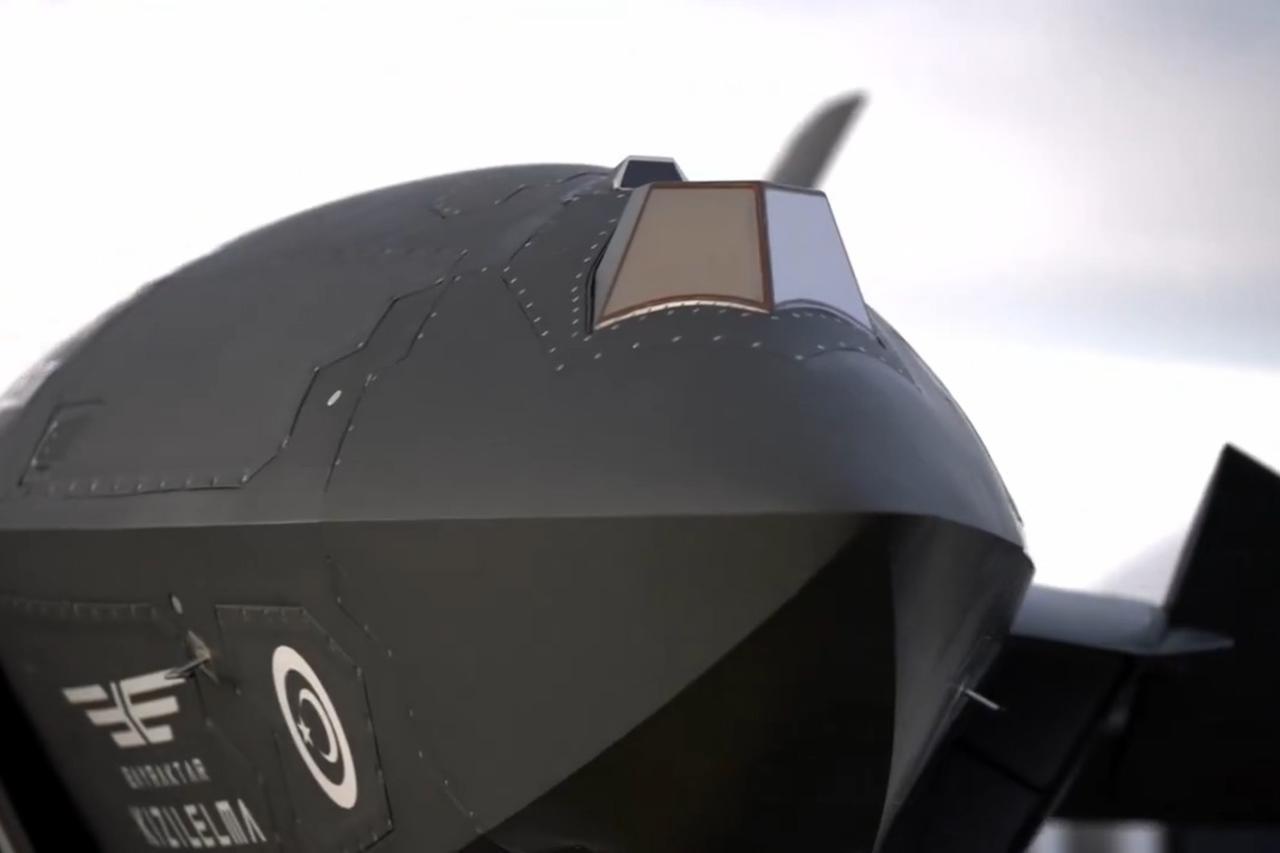
Baykar's Bayraktar Kizilelma unmanned fighter aircraft (UFA) completed a test flight integrated with Aselsan's KARAT infrared search and track system (IRST).
Aselsan's CEO Ahmet Akyol stated on X: "New capabilities in modern air warfare — seeing without being seen, locking on without being noticed. We continue performance flights with our infrared search and track system KARAT."
"We are proud to bring this technology, which only a handful of countries in the world can develop, to our nation through our combined strength," he noted.
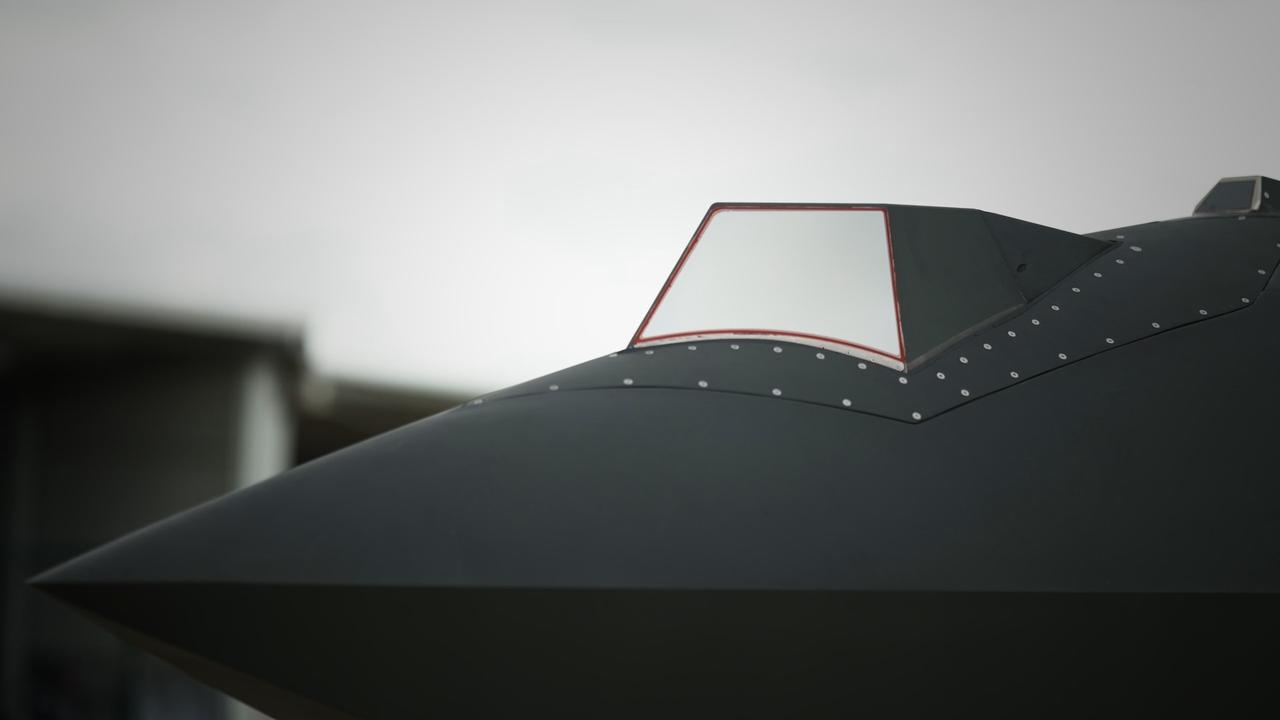

The KARAT system operates entirely in the infrared spectrum, detecting the heat signatures emitted by hostile aircraft at long distances without broadcasting any electromagnetic signals that could reveal Kizilelma's position.
This passive detection capability is particularly critical against fifth-generation fighter aircraft designed to evade radar.
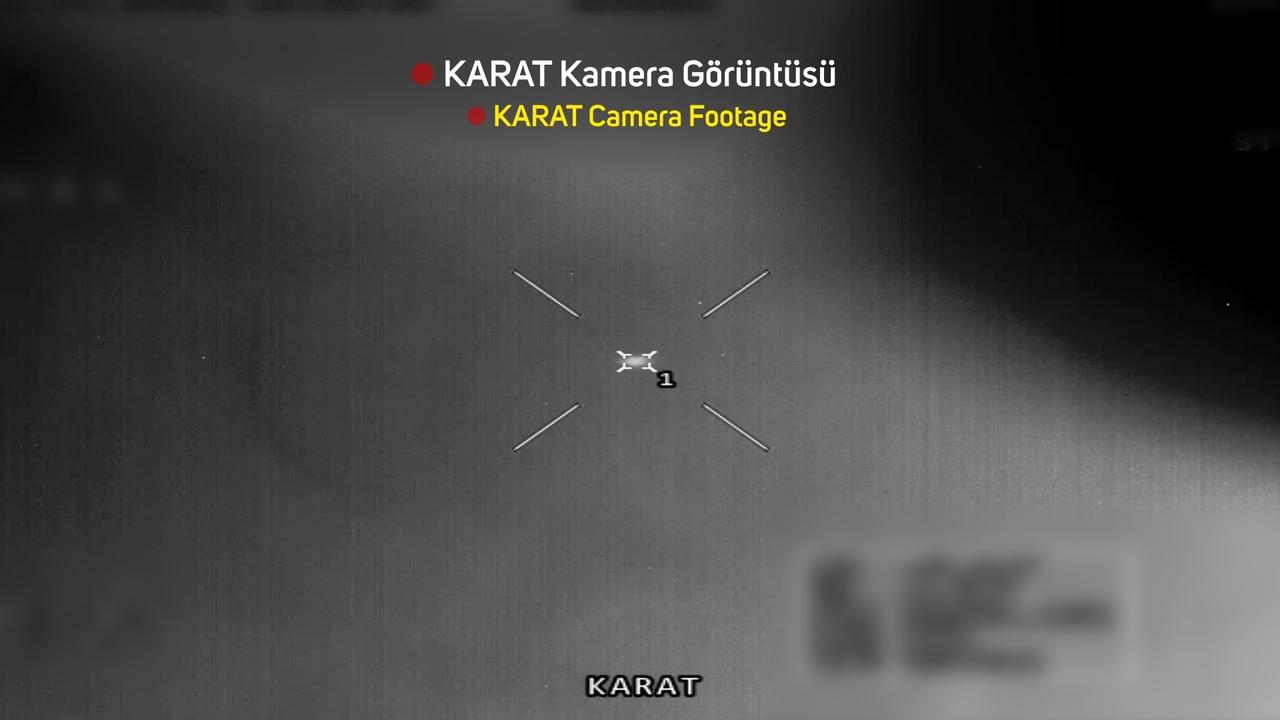
KARAT determines the target's three-dimensional position and enables silent lock-on for air-to-air munitions. It features a long-wave infrared (LWIR) detector for superior target detection range, single and multiple target tracking, wide scan volume and both narrow and wide fields of view.
The system is designed for integration on manned and unmanned fighter aircraft, fixed and rotary wing platforms and unmanned aerial vehicles.
The Kizilelma, Baykar's most advanced platform, is an 8.5-ton unmanned fighter aircraft with a 1.5-ton payload capacity, a maximum speed of Mach 0.9, a combat radius of 500 nautical miles and a service ceiling of 45,000 feet.
It features low radar cross-section design, high maneuverability and autonomous takeoff and landing capabilities, including from short-runway aircraft carriers.
Its sensor suite includes an electro-optical targeting system, the KARAT IRST and a multi-mode AESA radar. Its weapons payload encompasses air-to-air missiles, GPS/INS-guided munitions, laser-guided weapons, standoff weapons, cruise missiles and mini cruise missiles.
Baykar is developing the Kizilelma in subsonic, transonic and supersonic variants. Development efforts are also ongoing to enable operations from aircraft carriers.


 Set as preferred source
 Set as preferred source


 1 min read
 1 min read