Newsletters


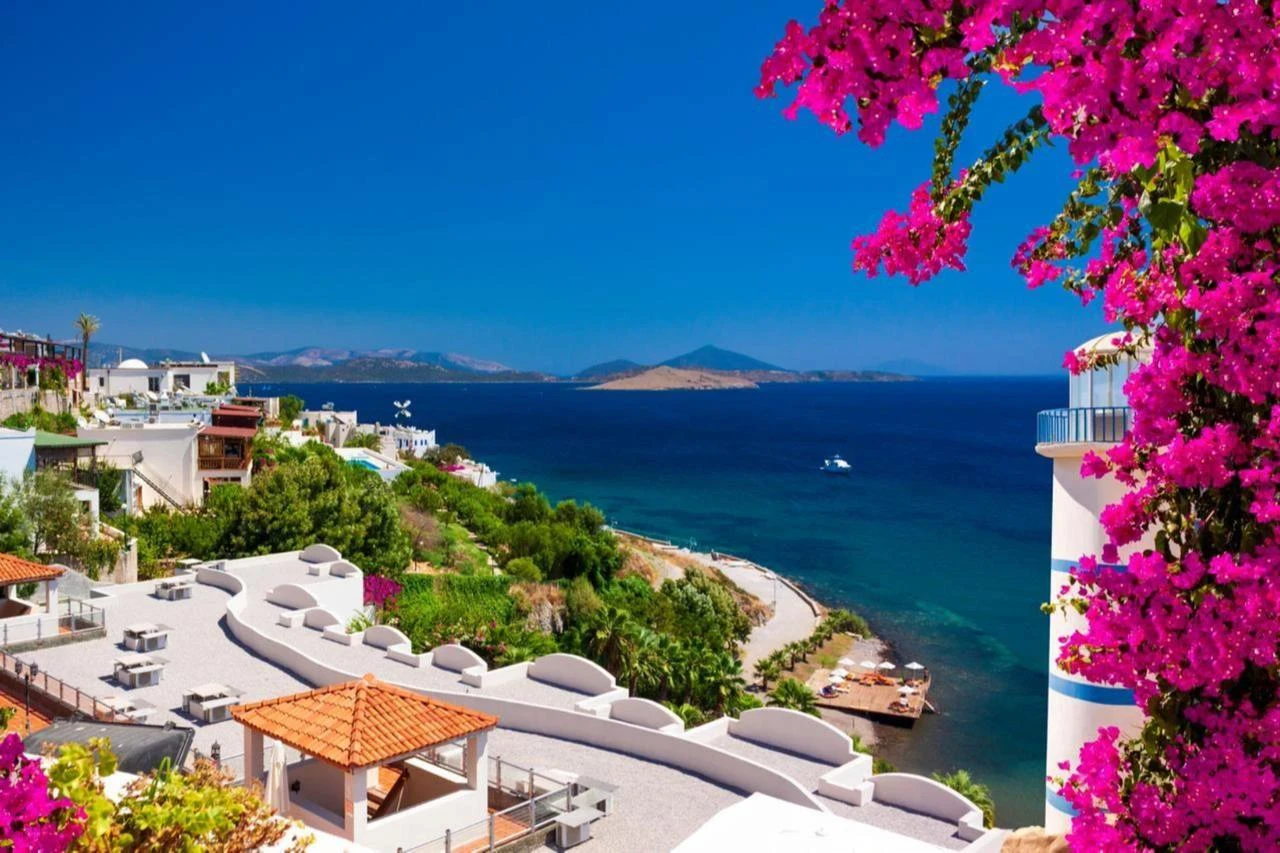


"You can't pay a year's worth of rent on three months of sunshine anymore," says Ahmet Yilmaz, looping a weathered rope around the cleat of his wooden gulet as Bodrum Harbor slowly wakes.
Gulls drift overhead as a delivery truck rumbles toward waterfront restaurants where deckhands polish superyachts and hotel staff wheel luggage across the marina. For thirty years, Yilmaz has worked these Aegean waters, remembering when mornings belonged to fishermen hauling nets and sponge divers preparing their boats. Today, he watches the peninsula cater to an increasingly global elite, one summer at a time.
His worry is echoed across the peninsula. Last year, Türkiye welcomed nearly 64 million international visitors, generating a record $65.2 billion in tourism revenue, and few places illustrate that success more clearly than Bodrum, where the permanent population of around 195,000 swells to more than 800,000 during the summer. But behind those record numbers is a workforce betting its entire year on a handful of weeks.
For boat captains, hotel employees, restaurant workers, and shopkeepers, those few summer weeks generate much of the income that must sustain the remaining nine months of the year.
As the first excursion boat pulls away from the dock, Yilmaz unties another rope. Every trip he makes this summer is part of the same calculation: earning enough before the season slips away.
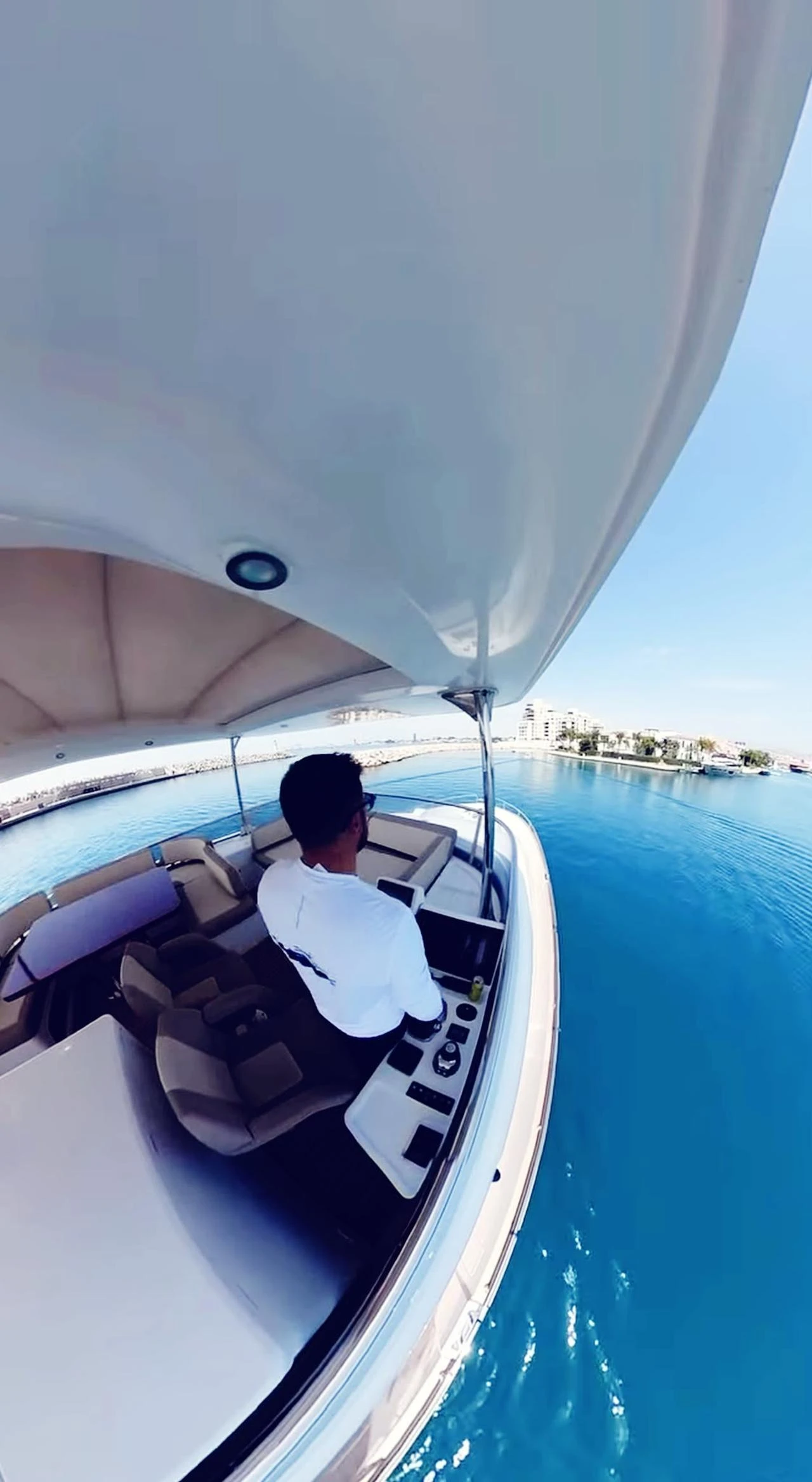

Inside a seaside hotel, 28-year-old Nejdet Hallac welcomes another wave of summer guests. Friendly and quick to smile, he has spent several seasons working in Bodrum's tourism industry. Despite everything, Hallac still enjoys living here.
"Bodrum is peaceful," he says. "That's why I like it."
For Hallac, tourism has opened doors that many jobs elsewhere in Türkiye could not.
"We have the opportunity to earn more than someone on the minimum wage," he says. "As tourism develops, working conditions improve, salaries improve, and we have better opportunities."
Then he pauses.
"But inflation changed the value of that money. We may earn more, but our purchasing power keeps falling."
Unlike many seasonal workers, Hallac has been able to remain in the industry, but he knows others who spend every winter searching for new jobs after hotels close for the season.
"If tourism continued throughout the year," he says, "people could build more stable lives. They could settle here instead of planning their lives one summer at a time."
Hallac doesn't question Bodrum's success. He only wonders whether the people who keep it running will always have a place in it.

The same forces squeezing Bodrum's workers are reshaping who actually benefits from the tourism boom.
As luxury development pushes up costs across the board, it isn't only locals who are being priced out of a stable living—ordinary Turkish families are increasingly being priced out of Bodrum altogether.
For Tolga Alan, a Bodrum resident and cafe owner, the biggest change in Bodrum isn't the superyachts anchored offshore or the luxury hotels rising along the coast. It's the families who quietly stopped coming.
"When I was younger," he says, "teachers, civil servants and middle-income families from Istanbul, Ankara and Izmir spent their summers here. They stayed in small pensions or modest holiday apartments. Bodrum wasn't only for the wealthy."
Today, those holidays have become difficult to justify.
Fatih Yasar and his wife, both in their 60s, spent more than a decade vacationing in Bodrum, sometimes as a couple and sometimes with their extended family. But they stopped coming three years ago.
"I still remember what we used to pay," Yasar says. "Back in 2015, a week for the two of us—hotel, food, everything—was maybe $900 to $1,100. By 2019 that had gone up to $1,200 or $1,500. And by 2023, we were looking at $2,200, sometimes $2,600. This year, the same trip would cost us around $3,000. That's accommodation, transport, food, all of it.
"For that kind of money, we could spend a week on the Greek islands—Kos, Rhodes—flights, hotel, meals, everything included," he says. "We still love Bodrum. It's not that we stopped caring about it. It just stopped making sense financially."
Their experience mirrors a broader trend.
Based on current accommodation, transport and dining costs, a five-day holiday for a family of five travelling from Istanbul can cost between ₺67,000 and ₺140,000, depending on where they stay and how they travel. A nine-day stay during peak season can push costs considerably higher, before shopping or other personal expenses are added.
For many middle-class families, a single holiday in Bodrum now costs the equivalent of a month's salary or more.
"What used to be an ordinary family holiday has become a luxury," Alan says. "People haven't stopped loving Bodrum. They've stopped being able to afford it."
That shift has quietly changed the character of the town. The beaches remain crowded each summer, but many of the teachers, civil servants and office workers who once returned year after year have been replaced by visitors with far greater spending power.
Bodrum still welcomes millions. It simply welcomes a different Türkiye than it once did.
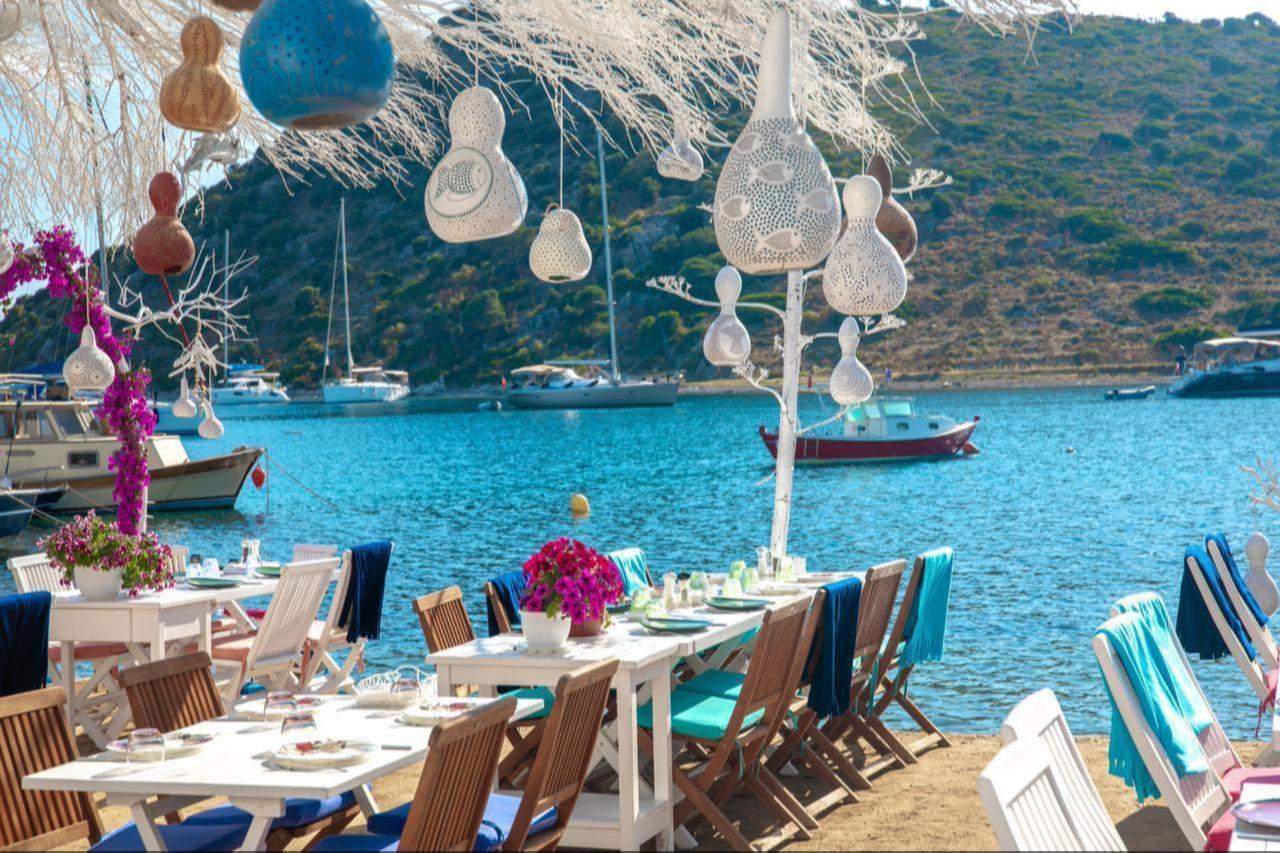
For hotel manager Selcuk Ermez, Bodrum's rapid ascent into the top tier of Mediterranean luxury brings severe operational friction alongside its financial rewards.
"Tourism is the engine of the entire peninsula, but managing a luxury footprint on a hyper-seasonal schedule is becoming an extreme balancing act," Ermez says. "A strong July and August can mask the underlying pressure, but the cost structure of running a hotel here has shifted dramatically."
Over 410,000 foreign visitors arrived through Bodrum's airport and ports in the first half of the year. By July, one of the busiest months of the season, that momentum had pushed peak hotel occupancy up toward 80%. Yet the margins holding those businesses together have tightened significantly. High seasonal inflation, rising energy tariffs, and soaring lease rates have forced local operators to raise prices simply to break even—the same price increases pushing families like the ones Alan describes out of the market.
At the same time, Bodrum no longer competes merely with neighboring Turkish resorts; it is locked in direct competition with Mykonos, Santorini, and nearby Greek islands.
"Our biggest operational hurdle isn't just international competition—it's retention," Ermez explains. "When local housing costs swallow up to 70% of a hospitality wage, keeping experienced, qualified staff year after year becomes nearly impossible. Employees either move inland or leave the sector entirely after the summer ends."
For luxury hoteliers and small pension owners alike, the challenge is no longer proving that Bodrum can attract ultra-high-net-worth travelers. It is surviving the operational overhead of the eight quiet months while ensuring the town retains the authentic Aegean character that made it famous in the first place.
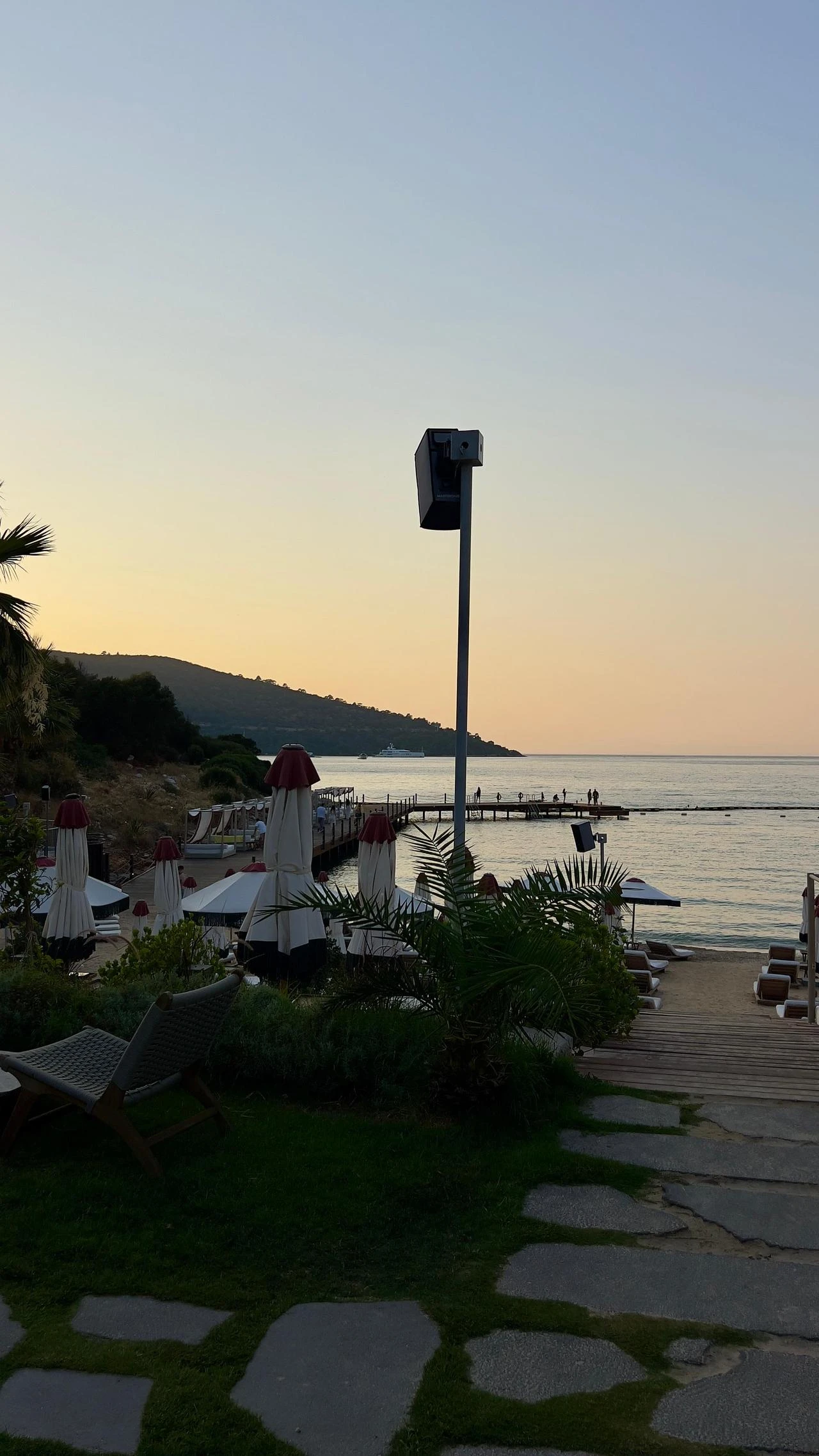
Close to midnight, Bodrum begins to exhale.
The music from the waterfront restaurants softens. Excursion boats rock gently against the pier, and the reflections of superyachts ripple across the harbor. Beyond them, the hills of Yalikavak and Turkbuku are dotted with waterfront villas now valued at between €3 million and €15 million, symbols of a peninsula that has reinvented itself for the world's wealthiest travelers.
For Ahmet Yilmaz, the day is over. He coils the last rope onto the deck of his wooden gulet, a movement he has repeated for more than three decades.
Yilmaz has never opposed the peninsula's transformation. "Tourism brought work, visitors, and opportunities we never imagined," he says, looking across to where polished superyachts sit only a few meters from the weathered wooden boats that built Bodrum's reputation.
"But I hope the people who built Bodrum can still have a place in it."
It's a hope shared far beyond the harbor—that Bodrum can still have a place for the people who used to come, not just the ones who can now afford to.
As the marina lights fade into the quiet harbor night, his words linger over the water, a reminder that no city can survive forever on three months of sunshine alone.


 Set as preferred source
 Set as preferred source


 2 min read