Newsletters


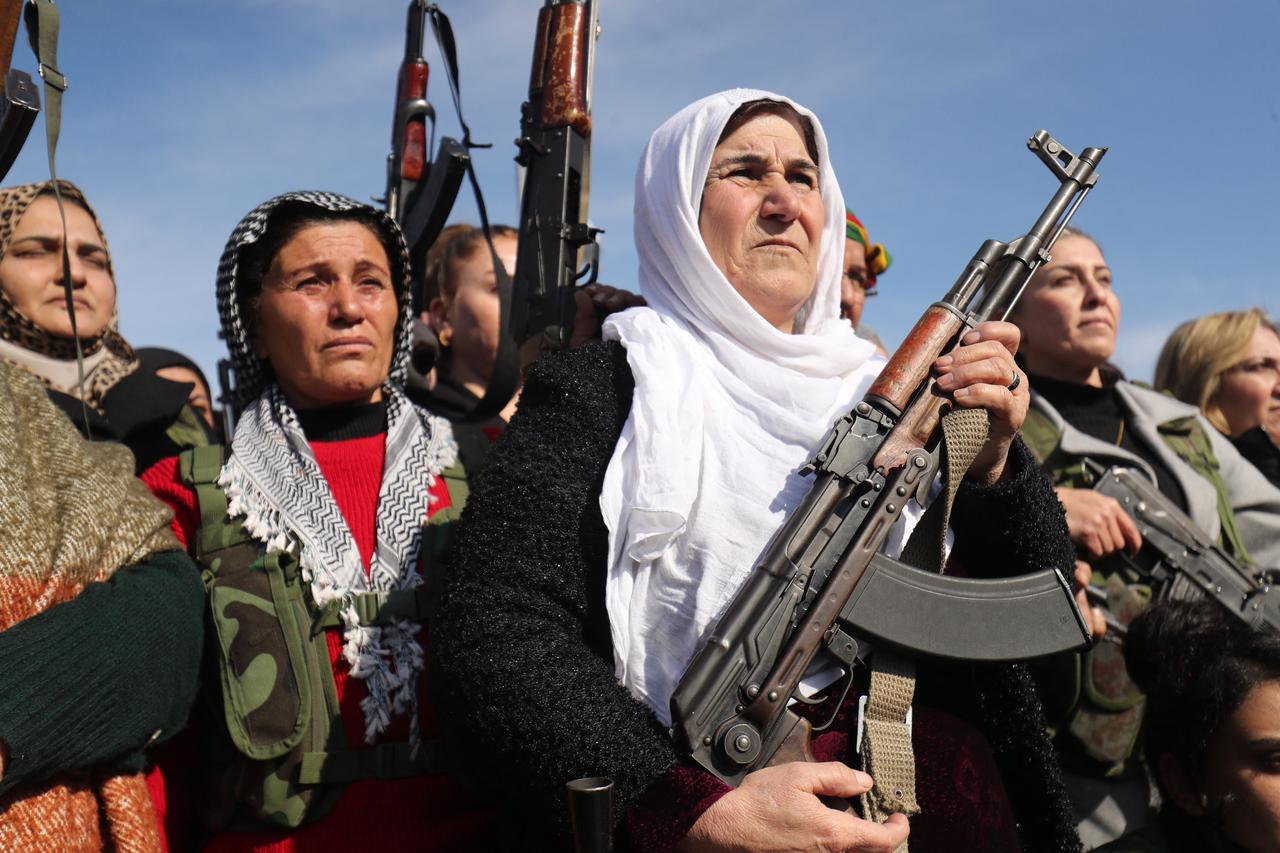


Any discussion of Türkiye’s peace process unfolds under the shadow of its last failure. The 2013–2015 resolution process collapsed amid the fallout from developments in Northeastern Syria, when regional events spilled directly into domestic politics and reignited violence. That experience continues to shape elite perceptions, reinforcing the idea that external shocks in Syria can quickly derail internal accommodation of the ‘terror-free Türkiye’ project.
Today, fresh developments once again raise the question of spillover. The Syrian Army’s rapid consolidation east of the Euphrates and Washington’s softened rhetoric toward the SDF have altered the regional balance.
Yet analysts disagree on whether these shifts stabilize or undermine the prospects for a renewed peace dynamic inside Türkiye.
For Ahmet Erdi Ozturk, senior lecturer in politics and international relations at London Metropolitan University, the current environment points toward cautious continuity rather than rupture for several reasons.
Others, like professor of political science Burak Bilgehan Ozpek, however, argue that the political and strategic conditions that once made negotiations necessary have fundamentally disappeared.
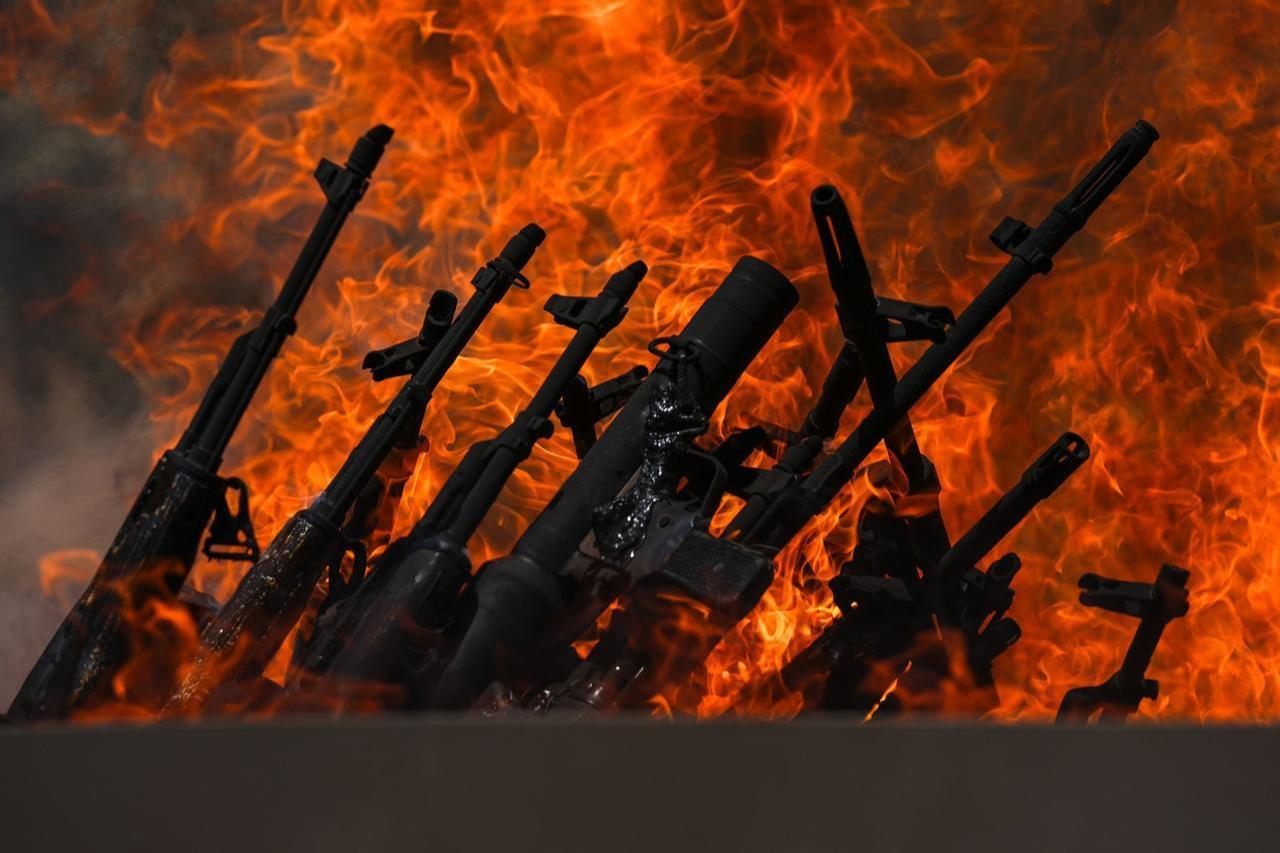

Speaking to Türkiye Today, Ozturk argues that recent regional developments are “likely to reinforce (rather than undercut) the logic of a cautious, domestically anchored process in Türkiye.” In his assessment, the peace process is no longer driven by optimism or expansion, but by constraint and risk management.
His “baseline expectation,” he says, “is that the process will continue, largely because the PKK’s room for manoeuvre is currently very limited.” This limitation reflects not only sustained pressure inside Türkiye but also tightening cross-border dynamics and a changing international environment.
Crucially, Ozturk underlines that “there is no longer the kind of external political cover that could expand its strategic options.” As a result, “the incentives shift toward damage limitation and political positioning rather than escalation,” making engagement with a managed process the least costly option for armed actors.
It is essential to recognize that at the very beginning of the process, the Peoples' Equality and Democracy Party (DEM Party) entered these proceedings under a shadow of persistent litigation. The party’s pre-existing legal vulnerabilities and diminished political agency served as the primary catalysts, effectively necessitating their participation in negotiations.
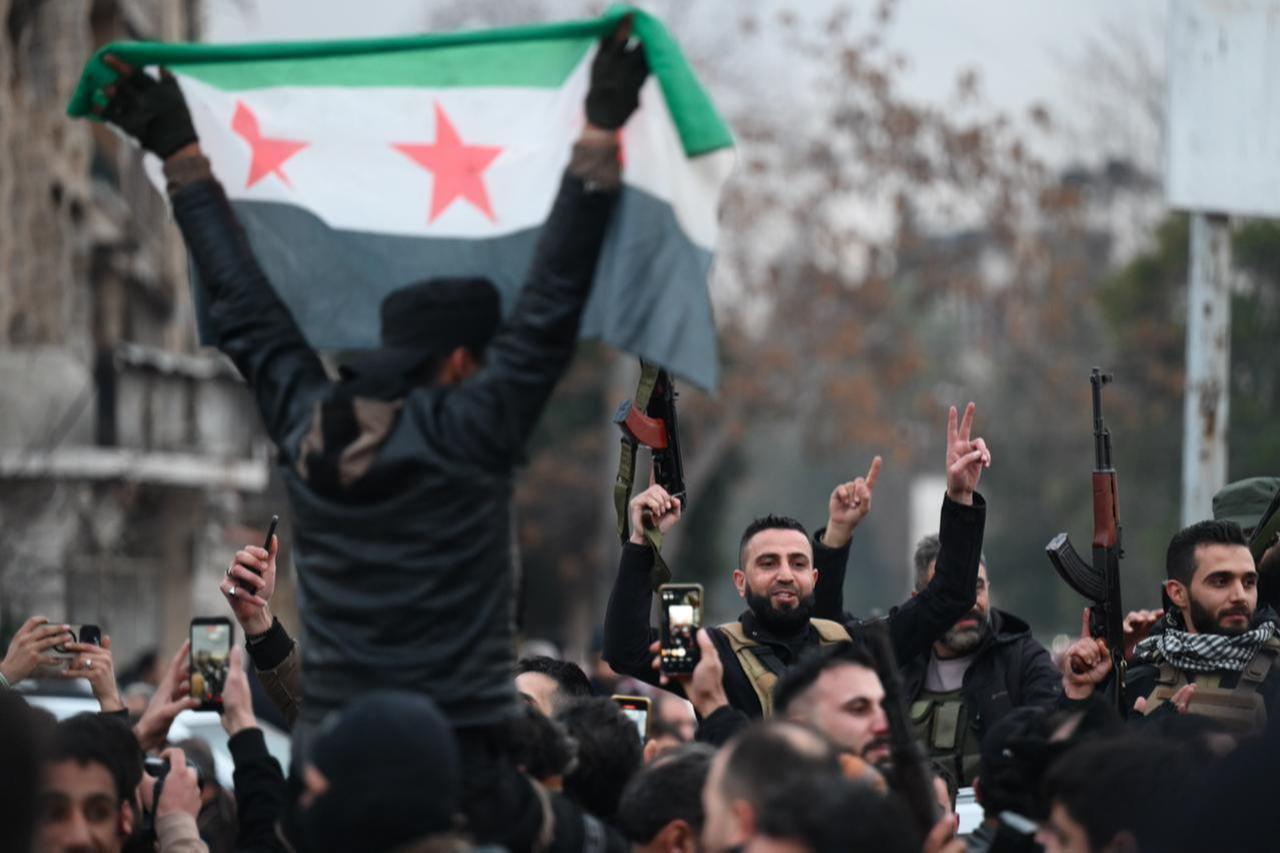
Yet continuity is far from assured. Domestic rhetoric has hardened in recent days, highlighting how fragile the political environment remains. Nationalist Movement Party (MHP) leader Devlet Bahceli, the initiator of the process, issued a direct warning to the DEM Party, framing the moment as a decisive test.
The key government ally stated on Tuesday that "the DEM Party must choose". The DEM Party’s response was widely seen as rhetorically escalatory.
Ozturk notes that this existential pressure explains the DEM Party’s complex rhetorical stance. “Their statements can look ‘hard’ at first glance, but in practice they have been relatively balanced,” Ozturk observes. “They cannot afford to alienate their Kurdish constituency, which is entirely understandable, yet they also have strong reasons not to be seen as actively undermining a process that could deliver tangible political and social gains. So you get careful signalling—firm enough not to lose legitimacy, but calibrated enough not to burn bridges.”
Political scientist Burak Bilgehan Ozipek, speaking to Turkish media, offers a different reading of the landscape. In his view, the core condition for a resolution process—strategic necessity—no longer exists. From Ankara’s perspective, he argues, the conflict has already been resolved through military and geopolitical means.
In parallel, Ozipek points to Ankara’s pragmatic cooperation with the Barzani family in northern Iraq, arguing it has further reduced the need for compromise with armed actors linked to the PKK.
Regional dynamics, he adds, now favor the government rather than constrain it. The rise of Ahmad al-Sharaa in Syria, a figure with whom Türkiye has worked closely for years, is seen as strengthening Ankara’s hand. Against this backdrop, Ozipek asks pointedly: “Would Erdogan persist with a process opposed by many among the public while possessing such significant geopolitical advantages?”
The political scientist describes the project as “essentially technical-bureaucratic,” aimed at the dissolution of the organization and the reintegration of individuals not implicated in crimes, following a decisive military victory. From this perspective, negotiations were utilized as a strategic instrument rather than an end in themselves.
Despite the military-heavy outlook presented by Ozipek, Ozturk maintains that the individual agency of key figures remains the ultimate pivot point. “As for agency, the decisive variable will still be Ocalan,” Ozturk asserts.
“Whatever one thinks of him normatively, he remains the key political referent who can authoritatively shape direction and messaging. At the same time, he cannot simply step away from the logic of being a political actor as his leverage is tied to maintaining political relevance and a credible pathway for influence.”
Ultimately, he cautions against reading the current moment as a definitive closure. He stresses that “there are still significant uncertainties,” warning that “it would be misleading to present this as a linear trajectory.”
Even if negotiations no longer resemble their earlier form, he expects the process to move forward “in a guarded, incremental way—more through controlled messaging, limited confidence-building steps, and political management of constituencies than through dramatic breakthroughs.” While the regional environment narrows or widens the domestic space for manoeuvre, Ozturk concludes that “on balance, the direction of travel points to continuation—messy, contested, and uneven, but continuation nonetheless.”


 Set as preferred source
 Set as preferred source


 2 min read