Newsletters





Elife Dogrul was 24 when she disappeared from Soke, a town in western Türkiye, in 2003. She had come to see her two children.
Twenty-three years later, her daughter, then 6, went on live television to ask for help. On Oct. 26, the show announced that prosecutors had reopened the case and placed two of Dogrul’s brothers-in-law under court-ordered restrictions short of detention, including bans on leaving the country. No charges have been announced.
The program, “Muge Anli ile Tatli Sert” (Muge Anli, Sweet and Tough), is a live weekday morning show on ATV, a private national channel. It combines missing-person appeals, a studio talk show, and a call-in line, similar to America’s Most Wanted in the United States, but focuses equally on missing relatives and fugitives.
Journalist Muge Anli has hosted the show since 2008. This raises a broader question: what happens when a television studio assumes some of a court's functions?
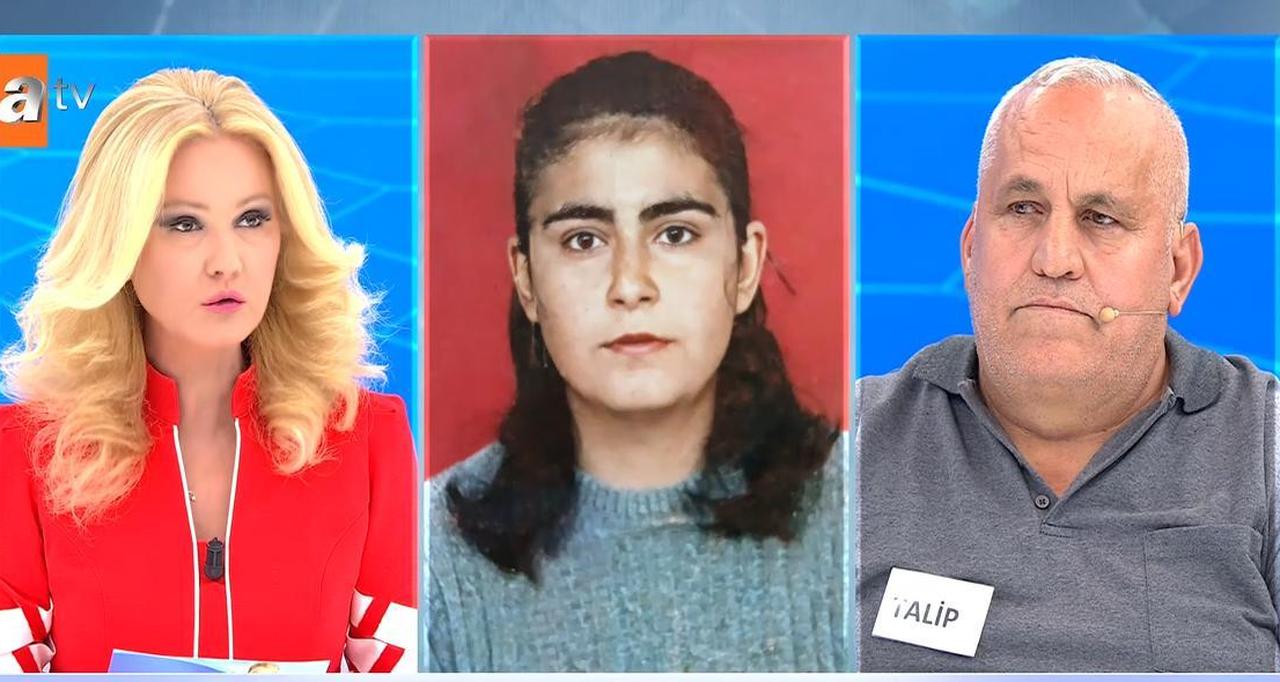

Families contact the show when a relative goes missing or a death remains unsolved. The program relies on participation: relatives, witnesses, and suspects appear in the studio or join by phone, sometimes anonymously, according to a 2022 study.
The team reviews interrogation transcripts and phone records and invites suspects on air, according to Daily Sabah, an English-language paper in ATV’s media group. Police and prosecutors determine subsequent actions.
In 2019, the family of Gokhan Ozkan, 23, sought help after he disappeared in Ayvacik, in the northwest. They suspected the last person known to have seen him, who joined the broadcast by phone.
The host noted that Ozkan had been carrying ₺7,000 ($140.15) at the time he disappeared. He added that he frequently visited the man’s home, and questioned whether jealousy over his wife or daughter was a factor.
The man panicked, police detained him, and he confessed, leading authorities to the body nine days after Ozkan disappeared, CNN Turk reported.
Anli describes herself as “a messenger trying to make the voice of victims heard,” according to Daily Sabah. As of a 2022 academic paper, the show reported 3,212 people located and 181 murders “clarified,” using the show’s terminology rather than court verdicts.

The show attracts a large audience. Birgun, a Turkish daily, reported a 5.23 rating on Oct. 6 with a 38.78% share, representing about two in five viewers at that time, and third place nationally on several October days.
Viewers express trust in the program. A 2025 study of 800 widely shared viewer comments found support for victims and a belief that the show addresses injustice; the comments were selected for their reach and reflect dedicated fans. Bekir, 57, asked that his last name not be used, never misses an episode, and describes it as realistic.
For some viewers, trust comes with a cost. In a 2022 interview study of 13 long-time female viewers, all believed the show was entirely real, and several reported that it made the world seem more dangerous or people less trustworthy.
The author notes the sample is too small to generalize. Hatice, 43, who asked that her last name not be used, said Anli inspires trust, but the show taught her not to trust people.
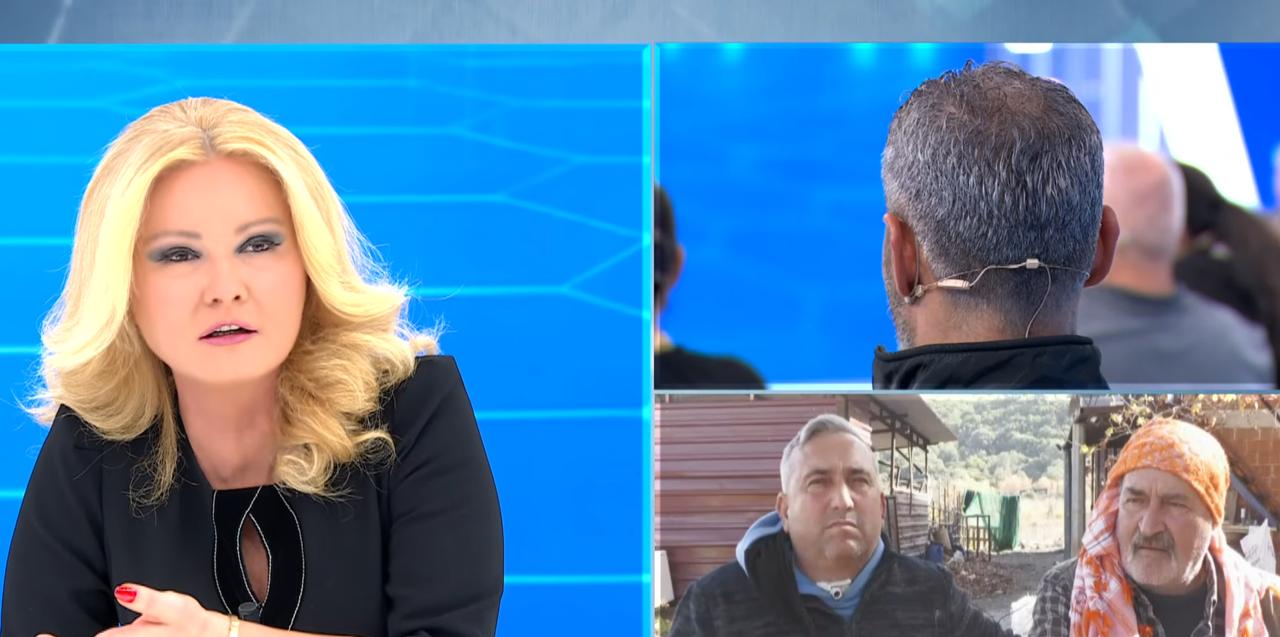
Türkiye’s broadcast regulator, the Radio and Television Supreme Council (RTUK), enforces rules on human dignity and privacy. In 2019, a majority of its board reviewed eight broadcasts and found no violations, so it imposed no penalty. One member dissented, stating the show read confidential prosecution statements aloud.
A 2022 complaint raised another issue: what if the person being sought declines contact? A mother appeared on air to find the daughter she gave up at birth.
The daughter, 18, joined by phone and refused contact. Ilhan Tasci, a board member nominated by the main opposition party, the CHP, argued that the host’s remarks violated the rules.
Lawmakers have taken additional steps. In April 2026, Zuhal Karakoc of the Nationalist Movement Party (MHP), an ally of the governing Justice and Development (AK) Party, introduced a bill to prohibit turning family disputes or missing-person cases into content by confronting parties or exposing family conflict, even with consent.
Fines would range from 2% to 5% of the previous month’s gross advertising revenue. No report TT reviewed specifically names the show. Türkiye has previously restricted daytime television; a 2017 decree banned matchmaking shows.
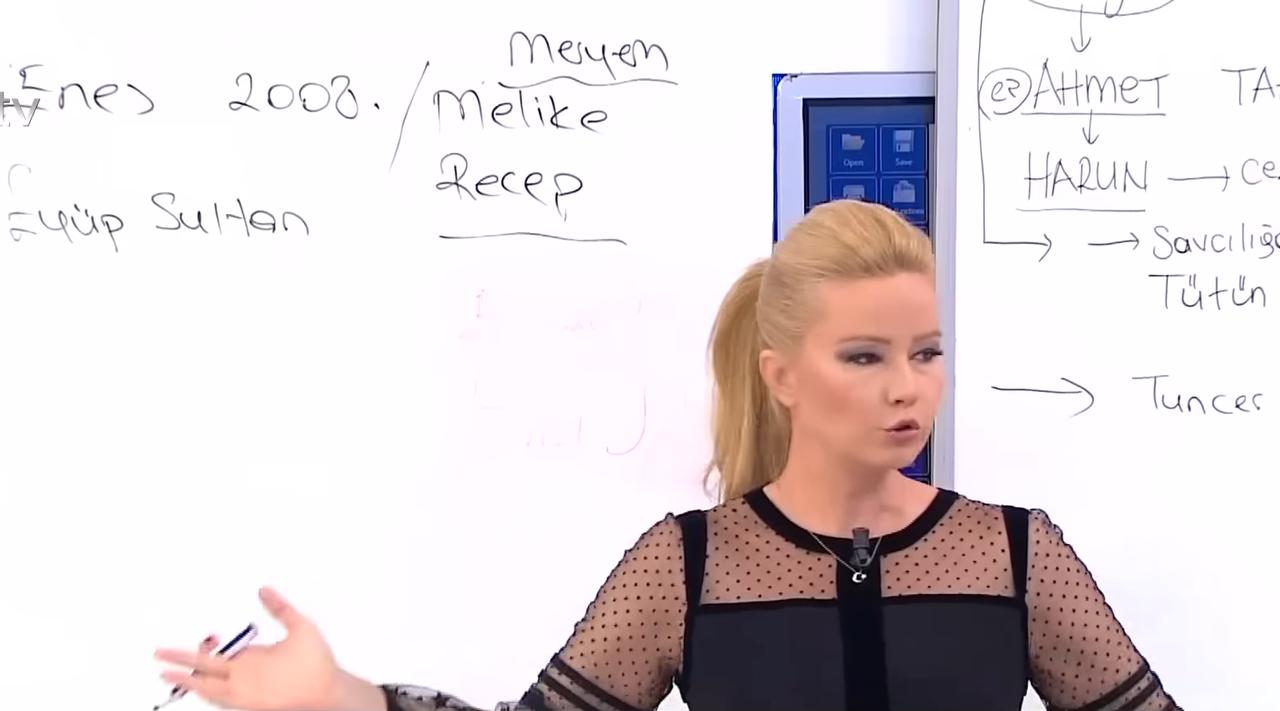
Critics argue the show acts like a court. Lawmakers have accused daytime programs of conducting “parallel trials,” where hosts and guests act as judges and prosecutors, according to Yeni Akit.
Recep, 49, who asked that his last name not be used, objects when the host assumes the roles of judge and prosecutor and demeans participants.
The Palu family case illustrates the distance between a broadcast and a courtroom. In 2018, a mother and her sons asked the show to help find a missing daughter and granddaughter. Prosecutors detained most of the family.
In August 2026, the Court of Cassation, Türkiye’s top criminal appeals court, upheld a life sentence for one son-in-law for the granddaughter’s death and acquitted five others of intentionally killing a child.

Germany’s original, “Aktenzeichen XY… Ungelost,” has aired on public broadcaster ZDF since 1967, asking viewers to help police with unsolved crimes. Only 12 episodes are planned for 2026.
Spain’s closest equivalent, “¿Quien sabe donde?,” aired weekly and live on state broadcaster TVE from 1992 to 1998, searching for missing people.
Neither program matched Anli’s frequency: a live episode every weekday since 2008.

For Dogrul’s daughter, appearing on television has led to new developments in a disappearance unresolved for 23 years. The two brothers-in-law remain under court-ordered restrictions, and no charges have been announced.
The investigation continues under judicial authorities, with no public information on what happened to Dogrul after her 2003 disappearance.
Meanwhile, Anli will continue to appear on television every weekday morning, highlighting other missing-person cases and unresolved questions.


 Set as preferred source
 Set as preferred source


 1 min read