

 Newsletters


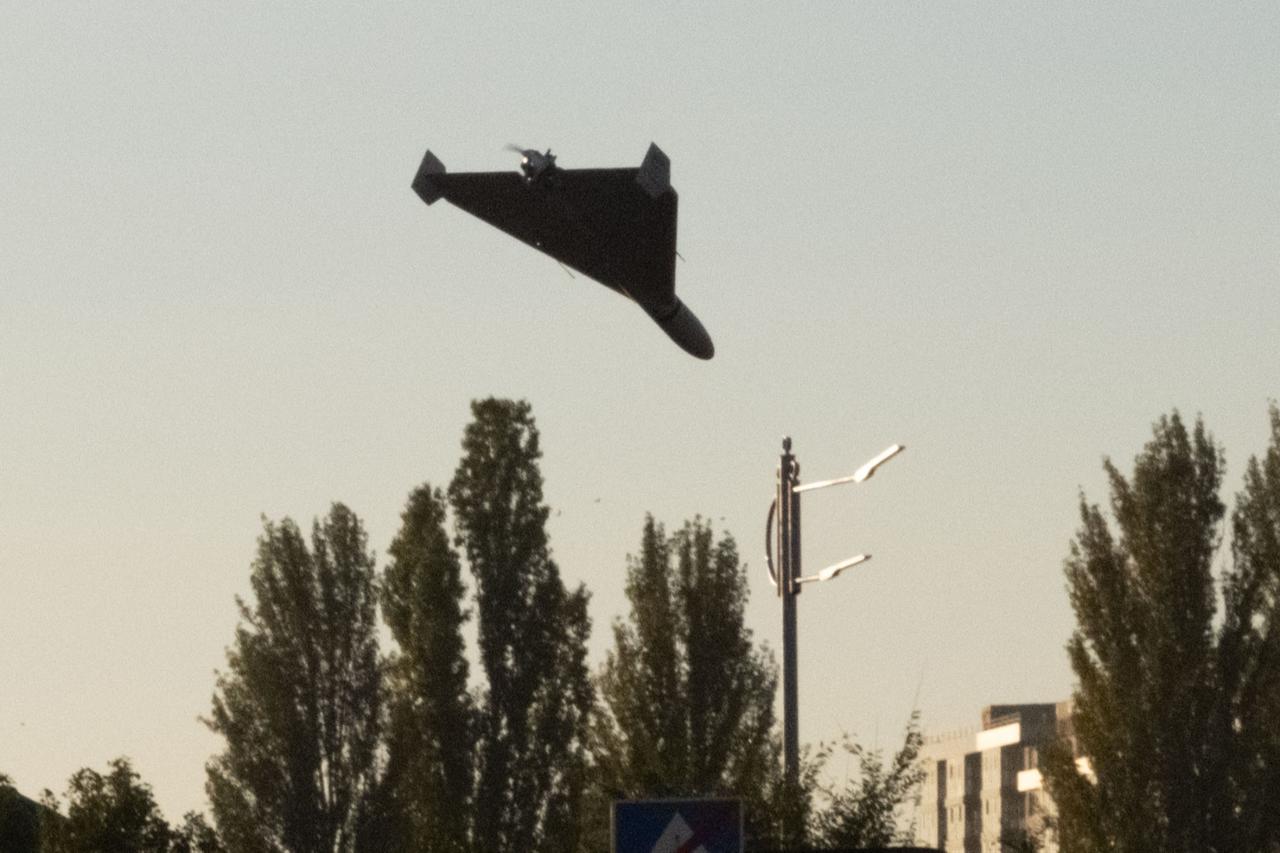


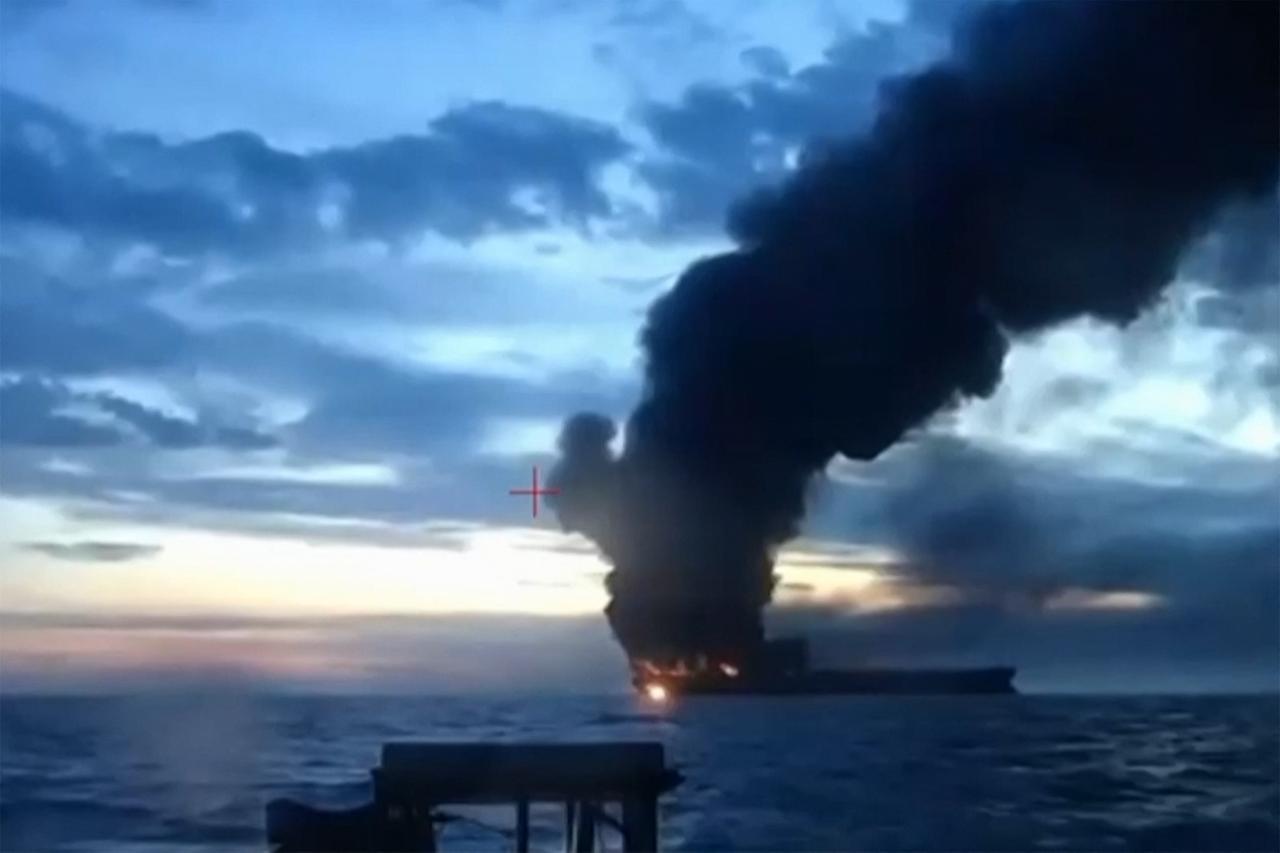
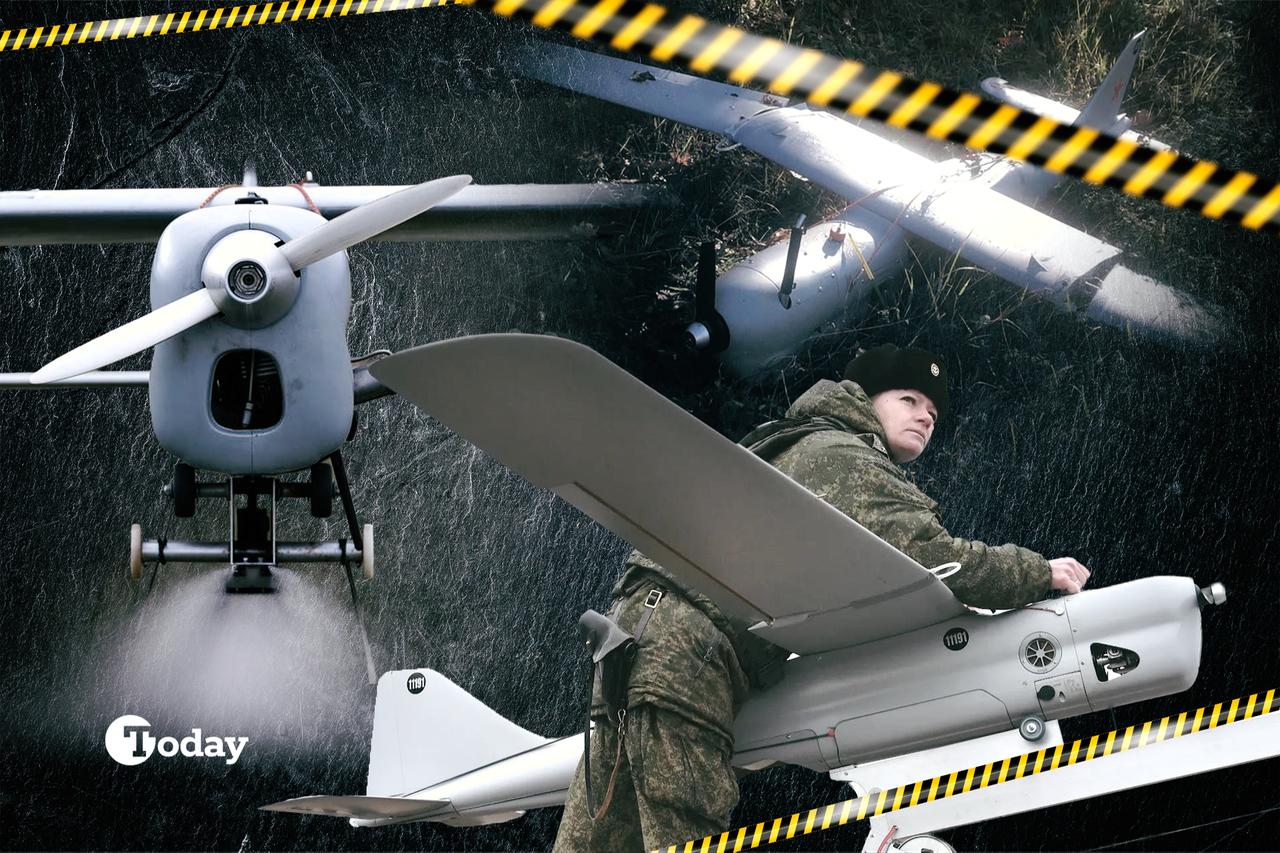
Drones being sent to Türkiye and Russian "ghost ships" being struck in the Black Sea are part of a trap designed to pit Türkiye against Russia, Turkish media outlet Hurriyet's columnist Abdulkadir Selvi wrote on Thursday.
"There is a game being played against Türkiye here. A game similar to the downing of the Russian aircraft and the assassination of the Russian ambassador in the heart of Ankara," Selvi wrote.
"Back then, they used Fetullah Terrorist Organization (FETO) members. This time, they are using drones. The purpose is to set Türkiye and Russia against each other," he claimed.

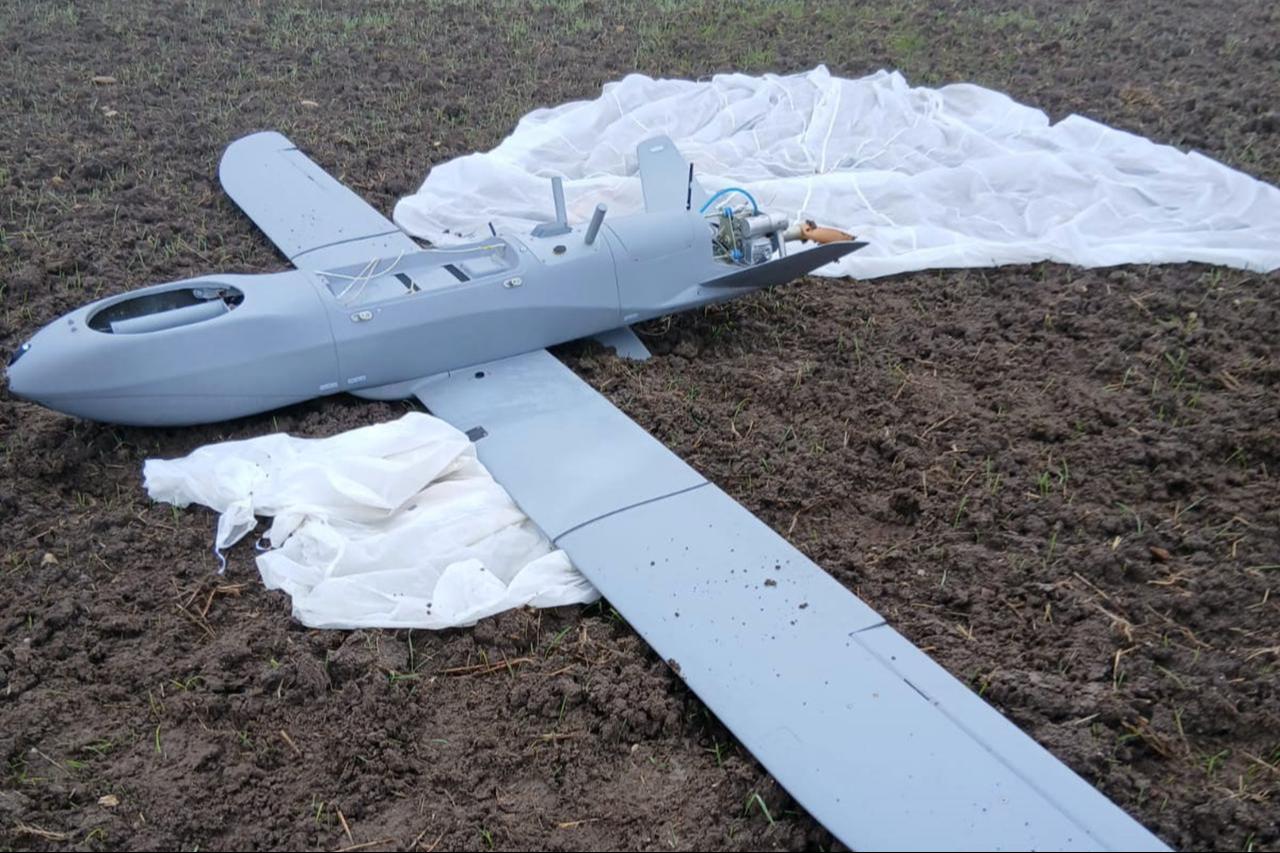
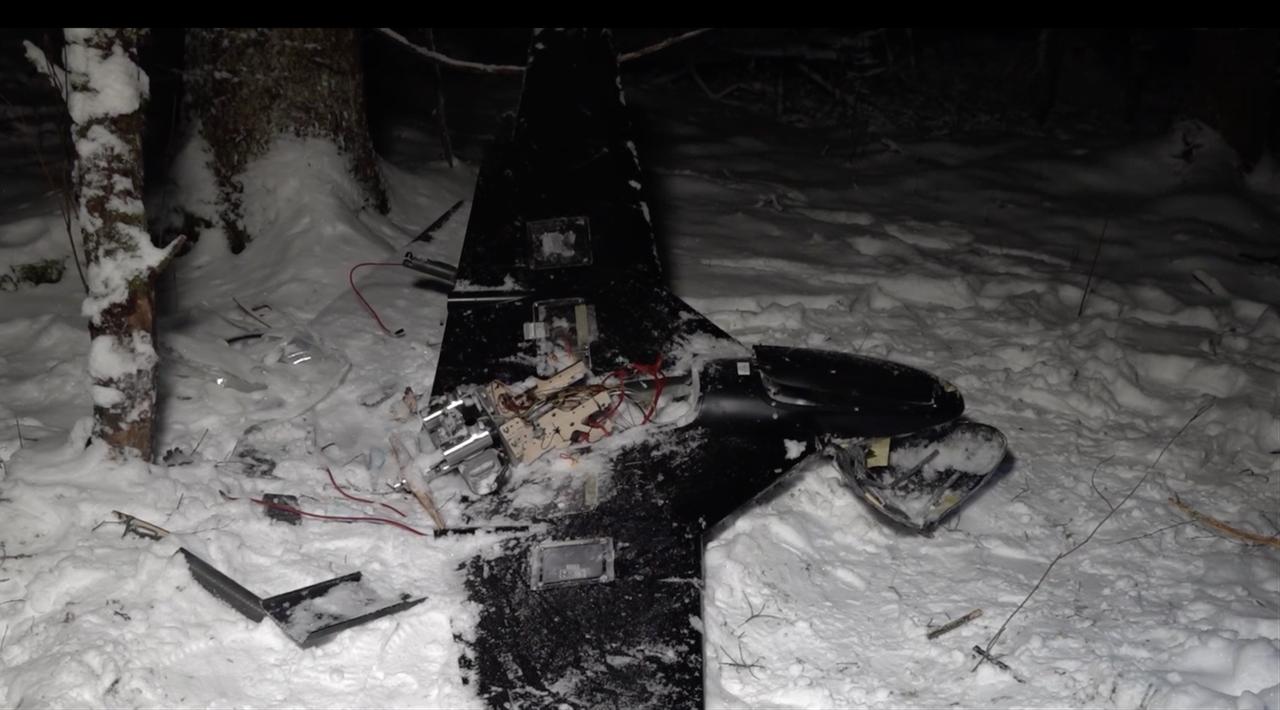
Selvi noted that three drone incidents have occurred so far: one drone that entered from the Black Sea was downed near Ankara, another was found in Kocaeli, and a third was found in Balikesir.
"The drones are a cipher. The drones are a message," Selvi wrote.
"Dozens of drones are being seen over Europe. Some are downed, some cannot be downed. These drones are causing tremendous fear of Russia in Europe. European states are using the fear of Russia to engage in a tremendous arms race," he added.
Selvi noted that Russian President Vladimir Putin has stated Russia did not send these drones and that European peoples are being deceived with the fear that Russia will attack.
"After one of the drones that fell in our country was found to be of Russian origin, fifth column activities began to pit Türkiye against Russia. There are those praying that the drone our F-16s hit will turn out to be of Russian origin," Selvi wrote.
Selvi warned that the same power that started the Russia-Ukraine war is working to ensure the conflict does not end and even spreads to Europe.
"When Russia and Ukraine agreed in Istanbul, the UK had pulled Zelenskyy away from the table," Selvi recalled.
"When Trump spoke with Putin by phone and met with Zelenskyy at his Florida mansion—the moment we were closest to ending the Russia-Ukraine war—an attack was carried out on Putin's private residence," he added.
Selvi expressed confidence that President Erdogan and Putin would not fall for this trap, as they had foiled a similar scheme in the past.
"These traps may increase in 2026. Be careful! We need more cooperation with Russia, not enmity," Selvi wrote.
Selvi also addressed the SDF situation, noting that the terrorist group failed to integrate into the Syrian army by year-end as required under the March 10 agreement with Syrian President Ahmad al-Sharaa.
"The SDF took no steps. On the contrary, it came with new demands," he wrote.
The Syrian government canceled talks with the SDF, forcing the delegation to leave Damascus, after which the SDF announced the March 10 agreement was void.
"The time granted to the SDF has expired. From now on, Ahmad al-Sharaa's hand is strong. A dark process has begun for the SDF, Selvi wrote.
"Trump did not say 'we need the SDF to fight Daesh' at a time when Daesh terrorism is being revived," Selvi noted, adding, "All this showed that the U.S. leader wants a unified Syrian state and its strong leader, Ahmad al-Sharaa."
The Turkish columnist also noted that another development that "snowed on the mountains the SDF had hoped for" was Abdullah Ocalan's letter, adding, "Ocalan says in his letter to Mazloum Abdi, 'Implementation of the March 10 agreement will ease and accelerate the process."
Selvi reported that while MazloumAbdi is said to be close to an agreement, a group of about 2,000 people of Syrian origin around Fehman Huseyin, code-named Bahoz Erdal, is resisting integration.
 1 min read
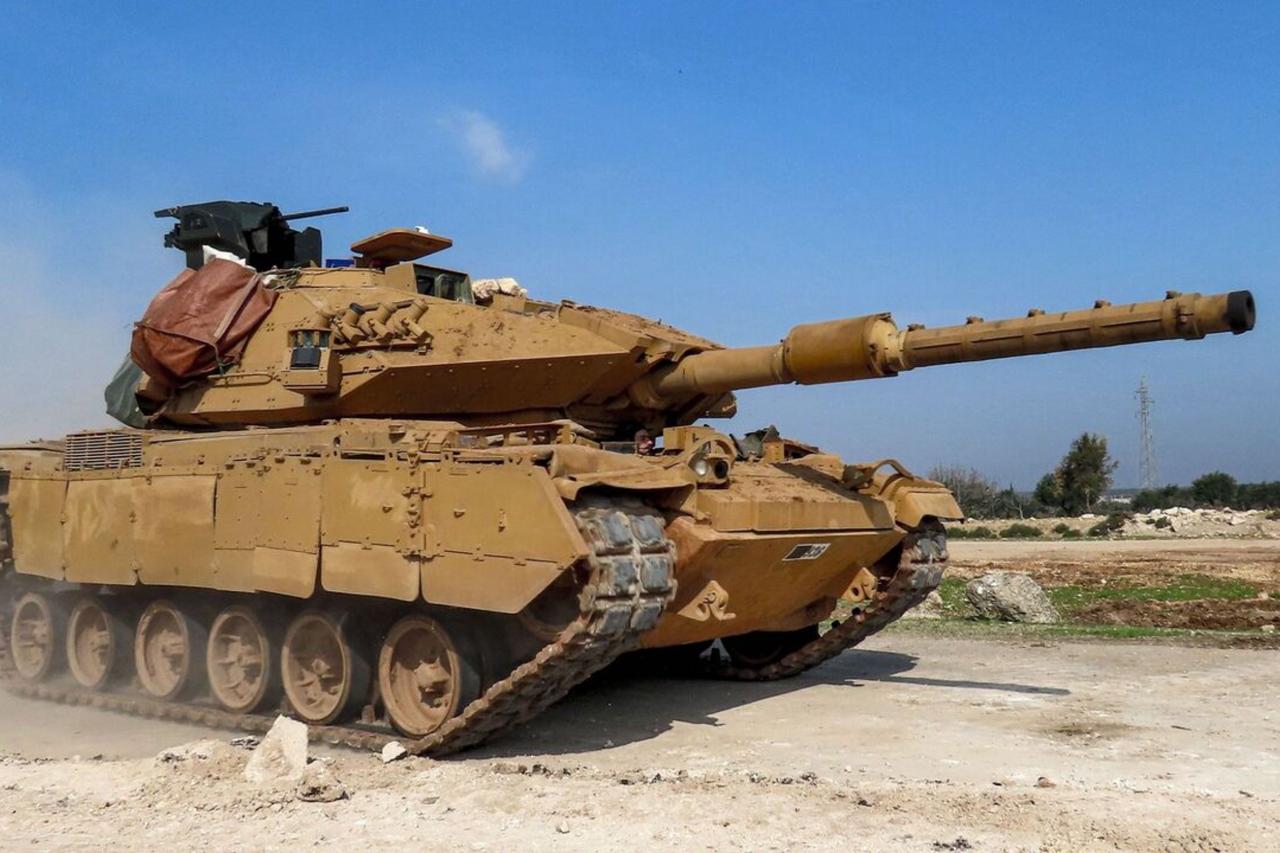
Selvi cited the recent Turkish Defense Ministry statement that the SDF is not taking steps toward integration and that "Türkiye will support the Syrian government if it decides to take an initiative for unity and integrity."
"If the problem cannot be solved through diplomacy, it means a military operation against the SDF is coming. Türkiye is planning to support the operation that the Syrian government will launch. Let the SDF think about what comes next," he concluded.


 Set as preferred source
 Set as preferred source


 1 min read


