Newsletters


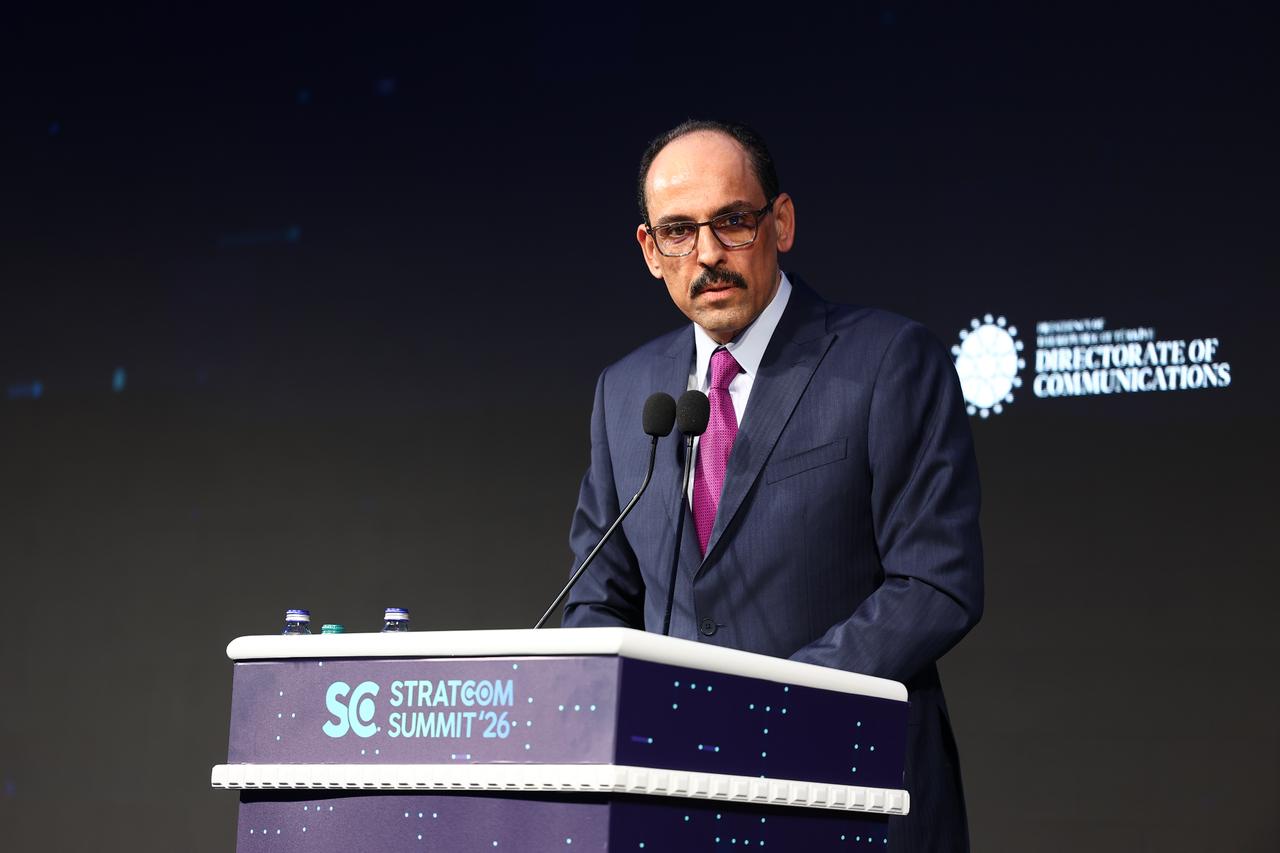


Türkiye's intelligence chief said Tuesday that strong partnerships and relations based on equality are critical for NATO as the world faces uncertainty, polarization and fragmentation simultaneously.
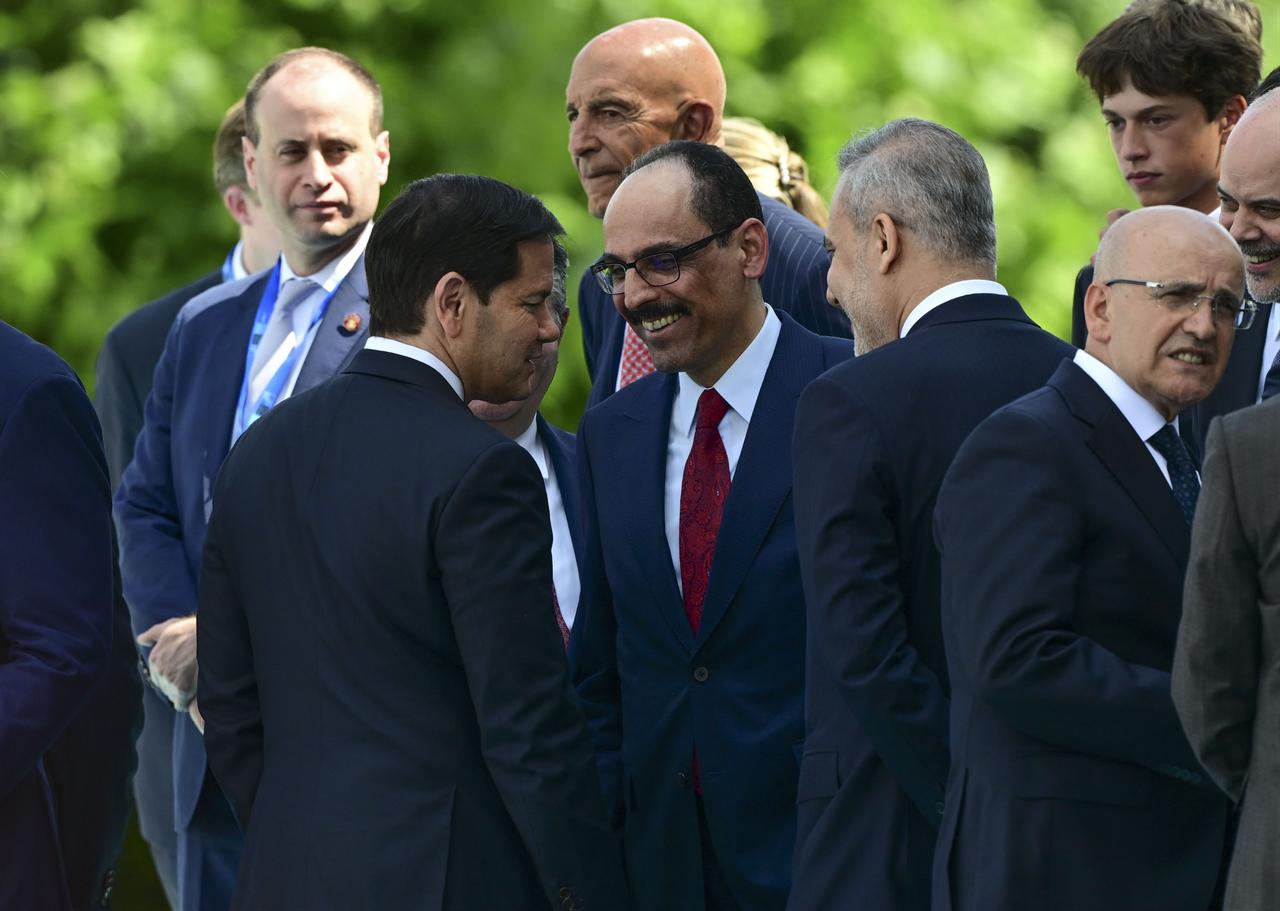
Ibrahim Kalin, head of the National Intelligence Organization (MIT), spoke at the "Allies in Ankara" program held at the Ankara Palas on the sidelines of the 36th NATO Heads of State and Government Summit, according to security sources.
The event was organized by Türkiye's Communications Directorate, the Munich Security Conference and the Foundation for Political, Economic and Social Research (SETA).
Kalin said security can no longer be defined solely as a military concept, adding that the NATO alliance must adapt to this "new reality."
"This also places a responsibility on all of us to contribute to the strategic security environment," he said.
He said the world is experiencing uncertainty, strategic competition, polarization, and fragmentation simultaneously, while security, threats, and identities have evolved into hybrid forms.
"Traditional definitions such as nations, borders and states have become hybrid and multidimensional, and this requires a reassessment of the definitions of the state, individuals, societies and security alliances," Kalin said.
He underlined that strong partnership and equal relations within the alliance are critical, noting that a lack of consistency and equality among member states has become one of NATO's internal criticisms in recent decades.
Kalin said the concept of collective security within NATO is based on the idea that "none of us are safe unless everyone is safe," adding that while the alliance's text calls for a collective response when one member faces attack, "this has not always been implemented."
The Turkish intel chief said strategic resilience and preventive diplomacy are important elements in the current security environment, defining resilience as having sufficient depth and resources to deal with security challenges.
"No member country can possess all the capabilities in the world, so sharing is important. Complementarity is an important element of the alliance. Therefore, a strategic alliance is a collective concept," he said, adding that every member seeks its own strategic sovereignty and independence, but that such capabilities become meaningful when combined.
He said intra-alliance security and defense industry programs "are extremely important" but must be based on shared responsibility, and that shared industrial capacities in the defense sector can help develop preventive capabilities.
"Deterrence essentially means having sufficient capability to prevent any rival or threat before it begins to emerge," he said.

Kalin warned that conflicts and wars become inevitable if the strategic security environment is not kept reliable and healthy, stressing the importance of NATO making "collective strategic security investments."
He said a balance must be struck between unity and diversity.
"Uncertainty is a feature of our time, but uncertainty does not necessarily mean chaos. Uncertainty may allow you to think on multiple levels. Uncertainty may force you to make plan A, plan B and plan C. If plan A does not work, you have to change plan B. I think this makes all of us more resilient," he said.
Kalin said he does not believe NATO has a center beyond its headquarters in Brussels, adding that Türkiye holds a strong position in the alliance when measured by power, troop numbers, capacity and industrial contribution.
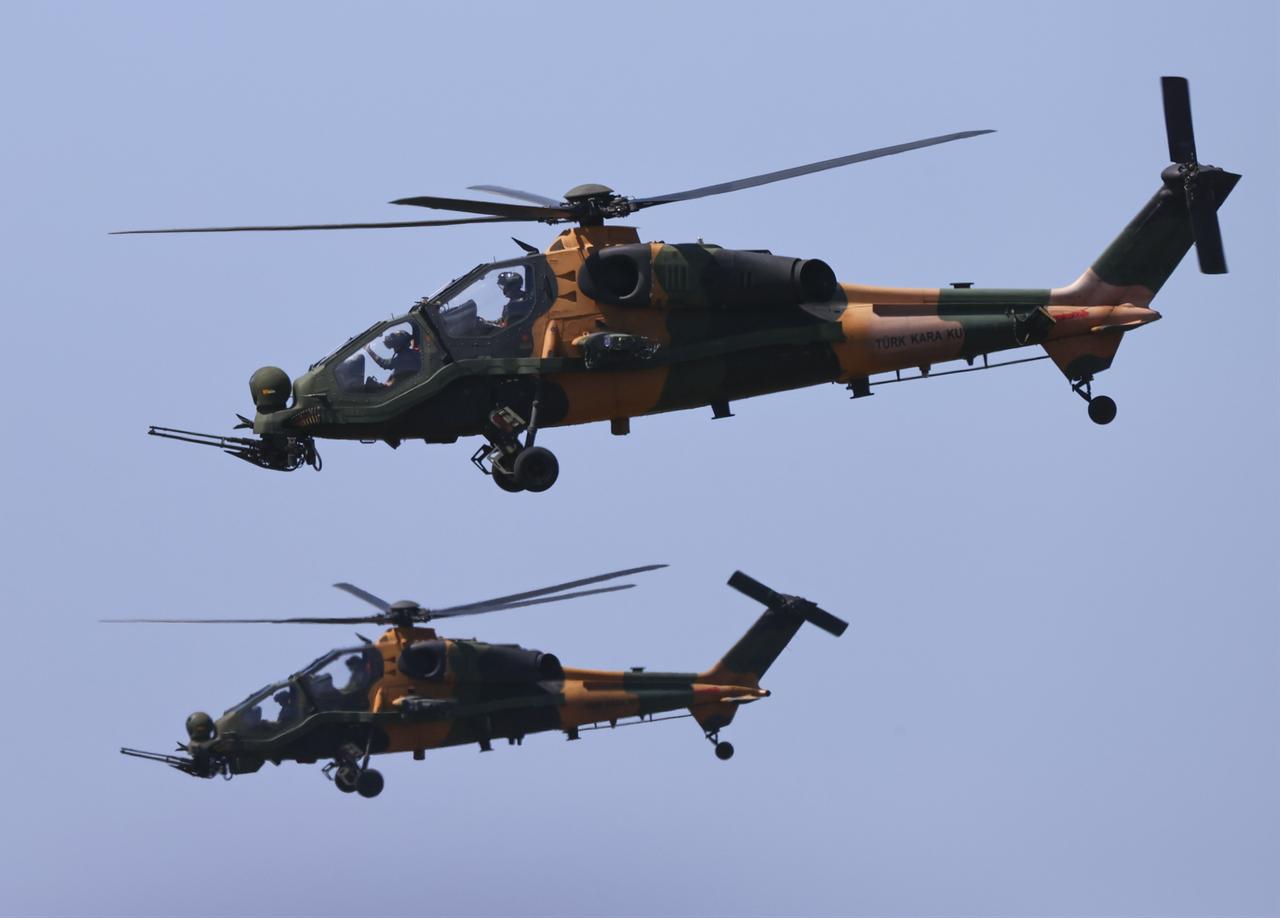
He said Türkiye has one of the world's largest and strongest defense industries and has risen to a significant position as the country with NATO's second-largest army, with the ability to engage across the Middle East, Central Asia, the Black Sea, Russia and Africa.
Kalin said Türkiye is often described in international literature as NATO's "southern flank," a label he called geographically correct but politically insufficient.
"Do we call the United Kingdom NATO's northern flank country? No, we do not. It is incomprehensible that Türkiye is constantly defined as NATO's southern flank country," he said.
"NATO has one center, and that is in Brussels. Apart from that, we do not find it correct to define a center-periphery relationship. We do not accept the establishment of hierarchies among allies in NATO. We base cooperation on equal relations," the Turkish official noted.


 Set as preferred source
 Set as preferred source


 6 min read