Newsletters


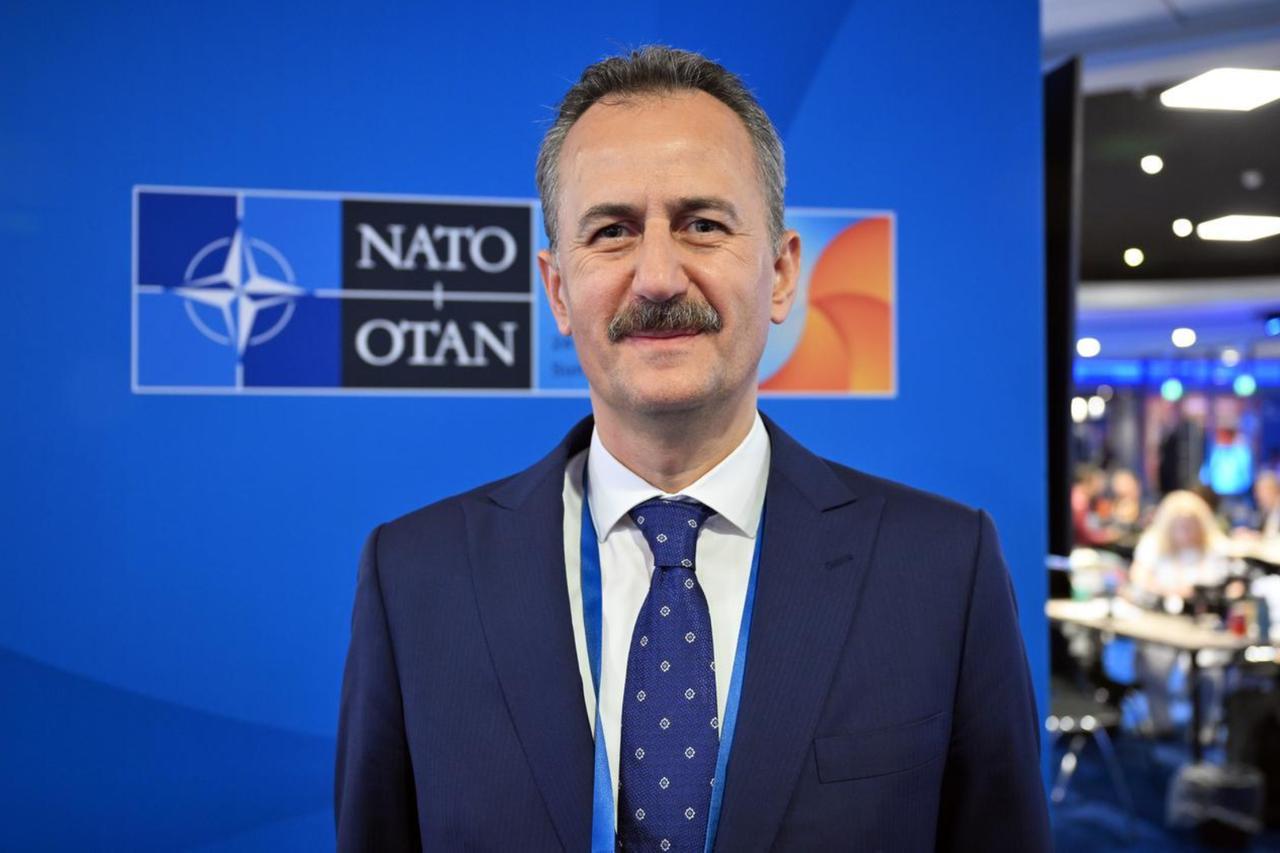


The head of Türkiye's defense procurement agency called on NATO allies Monday to treat the country's rapidly expanding arms industry as a strategic asset, saying the alliance cannot build a credible deterrence architecture without tapping into the infrastructure Türkiye has developed over the past two decades.
Haluk Gorgun, president of the Presidency of Defense Industries, known by its Turkish acronym SSB, made the remarks on the sidelines of the NATO Defense Industry Forum, which was held for the first time as a standalone summit event in Ankara, marking a milestone in the forum's evolution since it was first conceived at the 2023 Vilnius summit, laid groundwork in Washington and took firmer shape in The Hague last year.
"We are ready to work together," Gorgun told the Anadolu Agency. "We believe everyone already knows, from many past experiences, that we are a reliable partner and working ally, and we think they will see this as an opportunity."
Gorgun cited accelerating export figures as evidence of the industry's maturity, saying defense sales had grown roughly 30 percent over the past year to reach approximately $11 billion in the most recent 12-month period, putting Türkiye's monthly export average at between $800 million and $1 billion.
He said that growth had lifted Türkiye to 11th place among the world's defense exporters.
The SSB chief credited President Recep Tayyip Erdogan's political will for driving the buildup, saying companies now operate across land, sea, air, space and submarine domains, producing not just hardware but high-value subsystems with elevated levels of domestic content.
He said Türkiye was among the fastest-growing countries in both defense export volume and production capacity, and that 56 percent of last year's exports went to NATO and European Union member states.

On the margins of the forum, Gorgun said procurement launches totaling around $70 billion were unveiled across drone systems, air defense, ammunition, and satellite and space capabilities, with Turkish companies including Roketsan, Aselsan, STM and Tubitak UZAY taking on significant responsibilities across those programs.
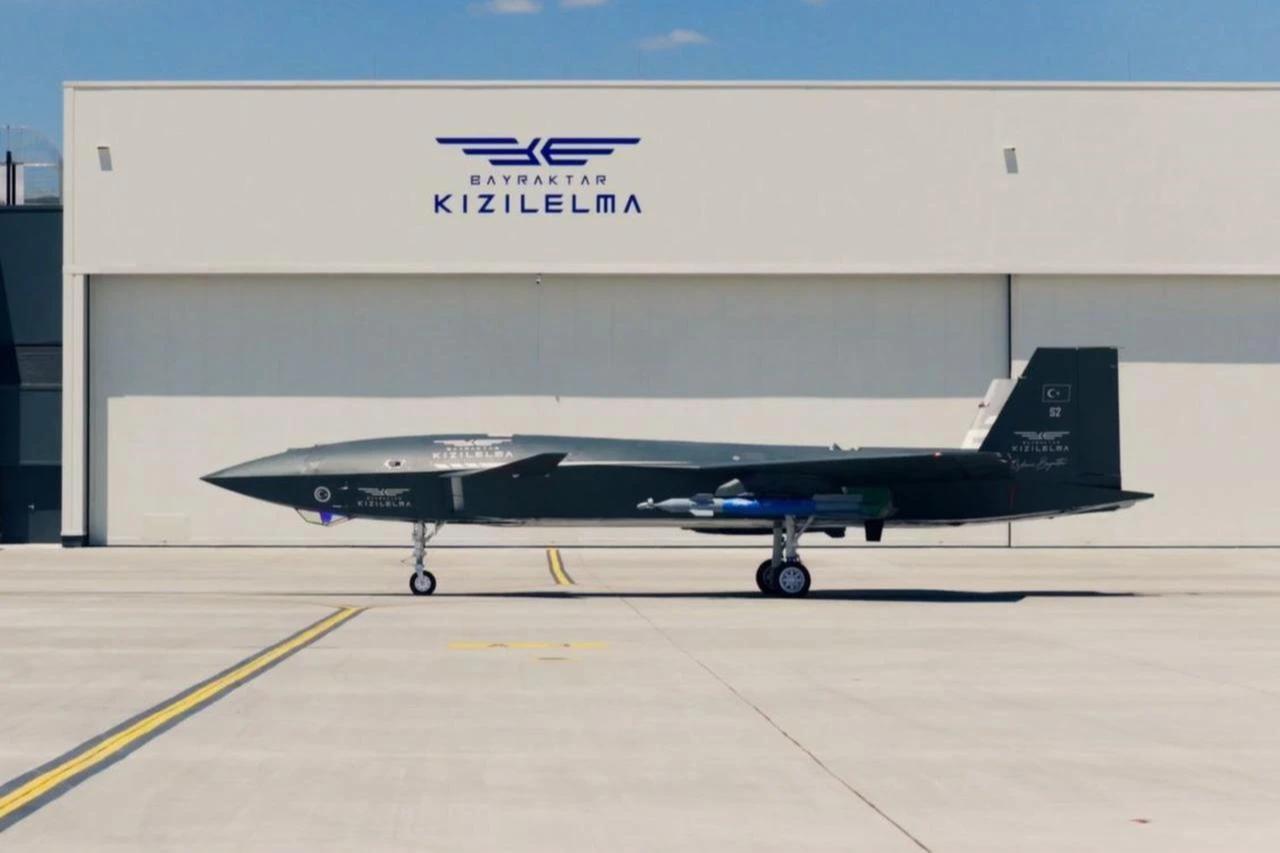
He also announced the addition of Kizilelma, Türkiye's unmanned combat aircraft, to the forum's program, describing it as a platform suited to future battlefield conditions.
Gorgun framed Türkiye's case in broader strategic terms, arguing that the country's defense workforce, with an average age of 34, combined with engineering depth, serial production capacity and battlefield-tested systems, gives NATO an asset it has yet to fully use.
"If a truly strong deterrence mechanism is to be built," he said, "Türkiye's agile approach and established infrastructure need to be taken into account," acknowledging that allied governments may hold differing political views while insisting those differences should not stand in the way of industrial cooperation.
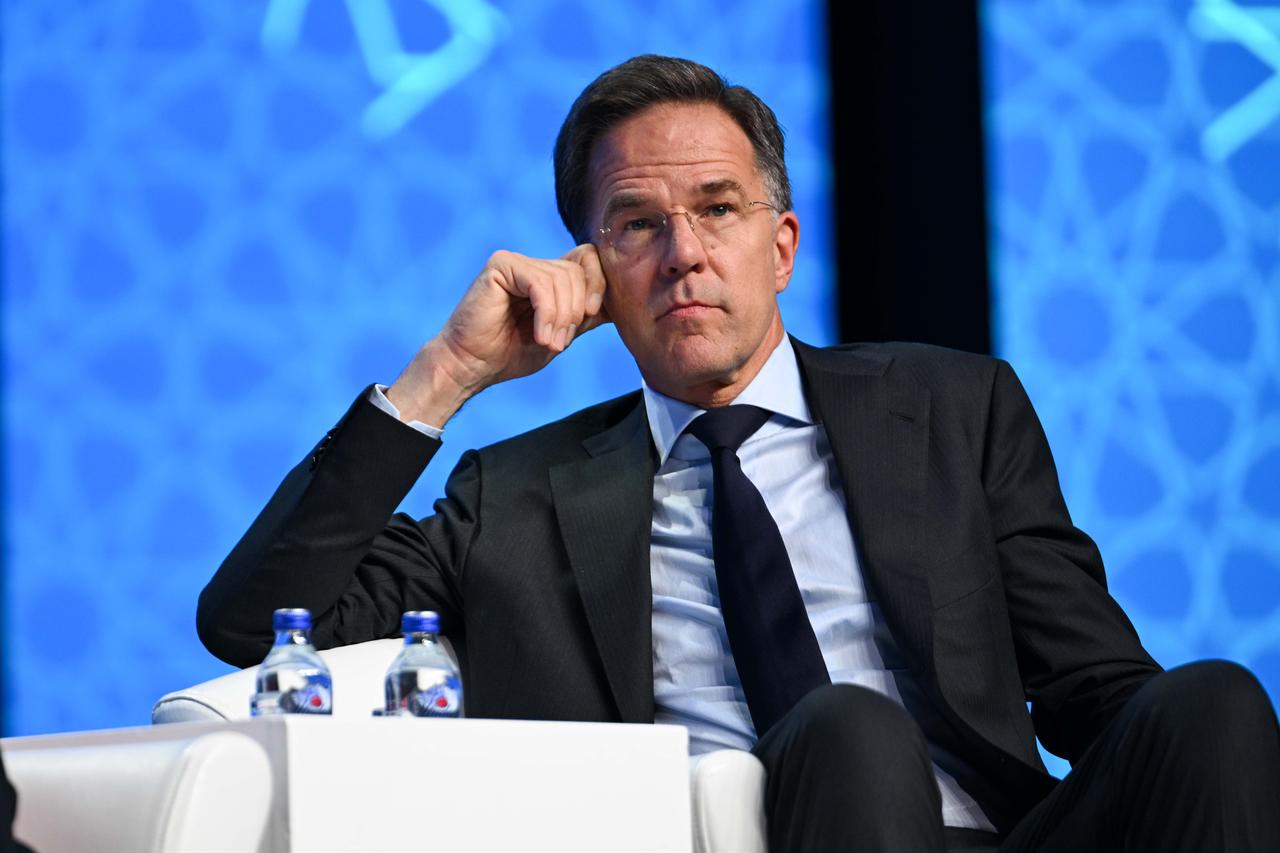
He noted that NATO Secretary General Mark Rutte had visited Turkish defense companies twice and attended comprehensive briefings on the sector's capabilities in both Ankara and Brussels, a level of engagement Gorgun characterized as confirmation of growing alliance interest.


 Set as preferred source
 Set as preferred source


 2 min read
 1 min read