Newsletters


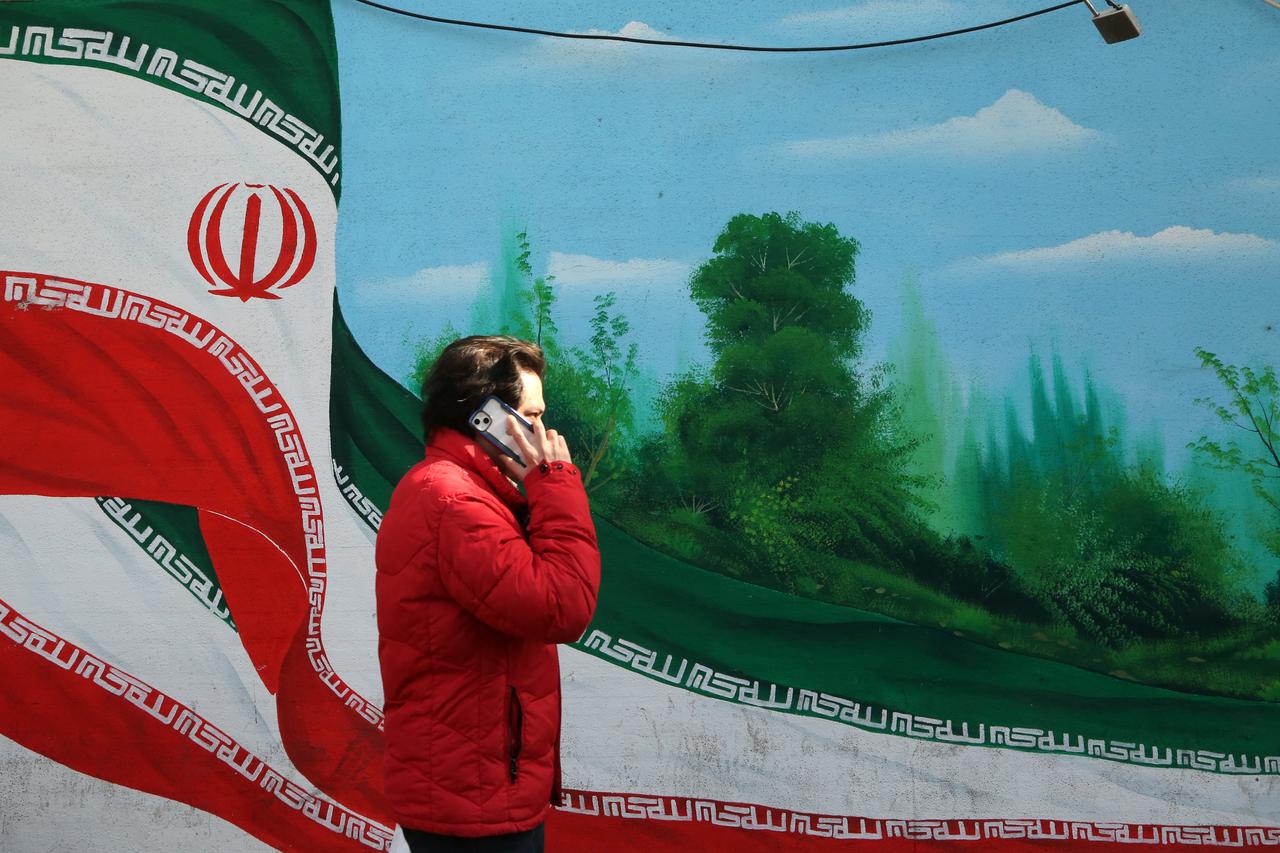


Turkish President Recep Tayyip Erdogan proposed holding a trilateral summit with the United States and Iran during a Jan. 27 phone call with U.S. President Donald Trump, with Trump reportedly responding positively to the initiative, according to Turkish columnist Hande Firat.
Erdogan called for a summit meeting with the participation of the United States, Iran and Türkiye, possibly conducted via videoconference, Firat reported in her column in Hurriyet.
"It is reported that Trump has a positive attitude towards Erdogan's proposal," Firat wrote.
The main agenda of the phone call between Erdogan and Trump was Iran, with the Turkish president outlining Ankara's position that the crisis should be addressed at the diplomatic table, according to the report.
"If the U.S. and Iranian presidents accept President Erdogan's trilateral high-level meeting option, an important step will have been taken for the diplomacy table," Firat noted.
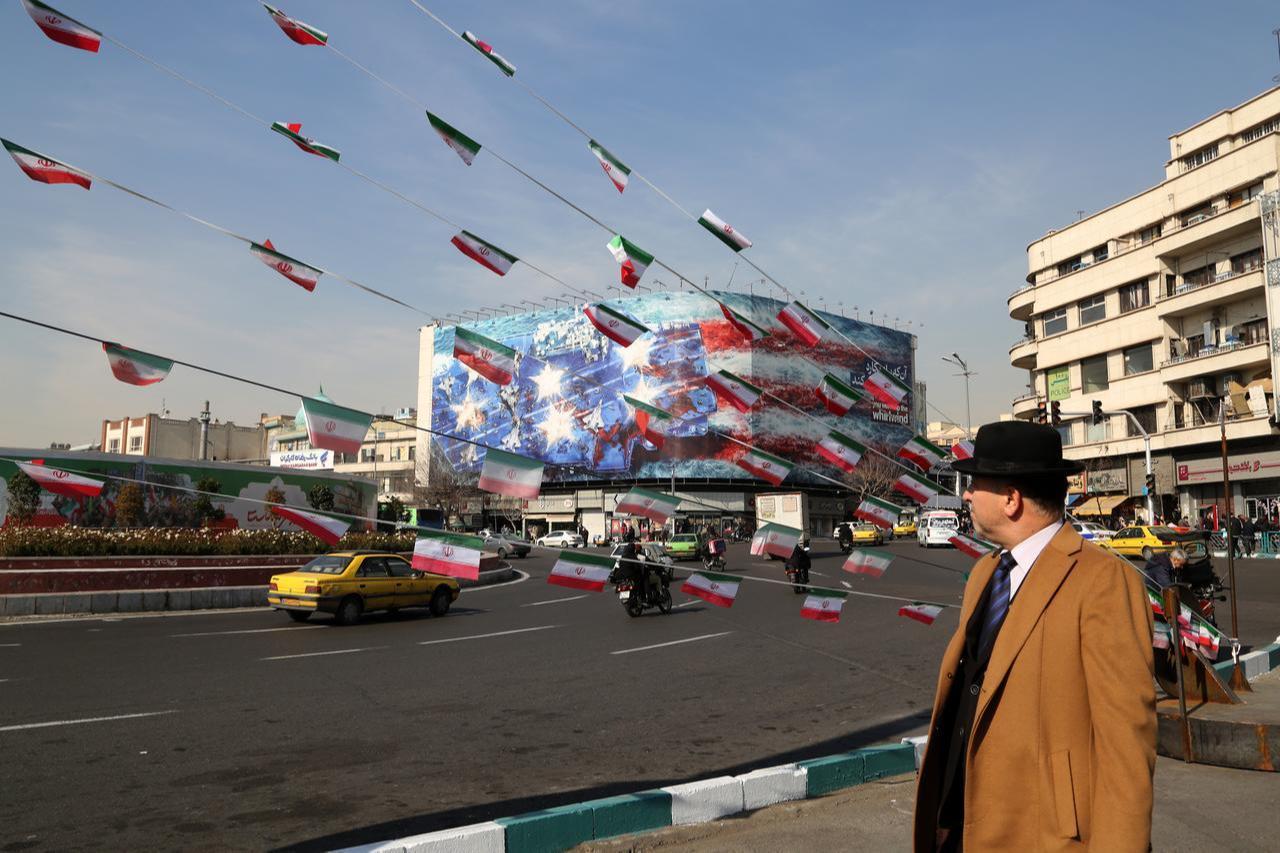

Turkish Foreign Minister Hakan Fidan conducted four separate critical contacts with both U.S. and Iranian sides between Jan. 13-20 during what Firat described as "the critical 10 days when tension between Iran and the U.S. peaked and everyone held their breath."
The crisis timeline, according to Firat:
"The main axis of all these talks was clear: 'Diplomacy, not conflict,'" Firat wrote.
"Ankara wanted to soften the escalating crisis, bring the parties to the table and prevent a possible military intervention," she noted.
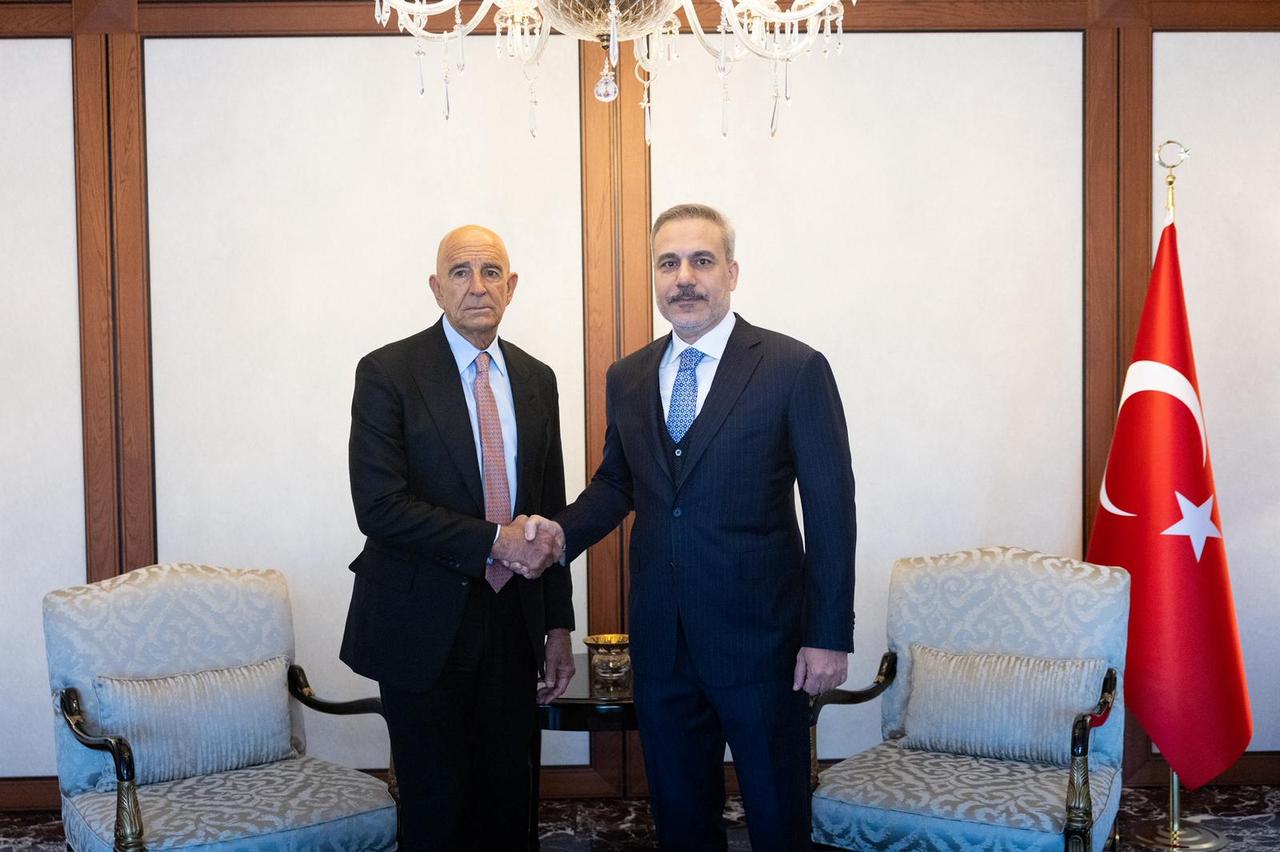
Ankara clearly sees the situation, Firat reported, with Erdogan's talks with Iranian President Masoud Pezeshkian, Fidan's shuttle diplomacy between Washington and Tehran, and coordination with Qatar and Oman clarifying Türkiye's position.
"Neither Iran bombed nor U.S. loses prestige," Firat characterized Ankara's stance.
According to Ankara, if Iran takes a step—for example, proposing a limited partnership with the U.S. on oil fields or technology sharing—Washington could return to the table. However, this requires Israel's election pressure to be blunted and Iran to make a symbolic diplomatic maneuver to convince its public, Firat reported.
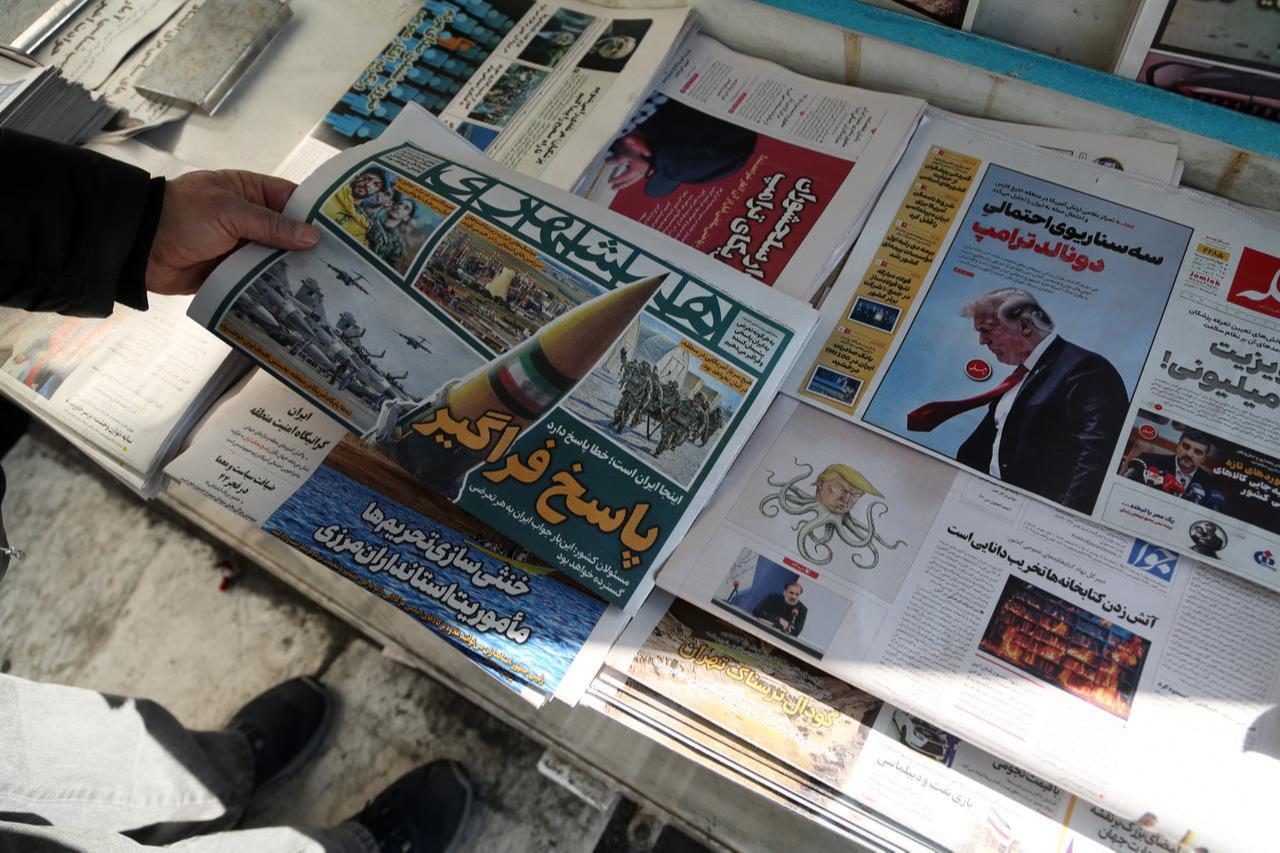
The White House's demand list is quite clear, according to Firat:
"But it is also known in Ankara that the real justification is the fourth item," Firat wrote.
"As Netanyahu's election calendar approaches, this is the clearest file Israel is pushing. Before the October elections, the Israeli prime minister wants Iran to be struck, either by the U.S. or directly, even if limited," she noted.
Iran approaches U.S. demands with deep distrust, Firat reported. Tehran's reading is clear: "We sit down, we talk, but the U.S. returns to the same point every time."
Beyond diplomatic issues, there is a structural problem: Iran has a multi-actor system. Whoever sits at the table with the U.S. is seen as weak and capitulating domestically, so no one wants to step forward.
Another breaking point is the "honor issue" before public opinion. The Iranian administration refuses to negotiate in an atmosphere where they are being threatened. "Being forced to the table" touches Iranian national pride, according to the report.


 Set as preferred source
 Set as preferred source


 1 min read
 1 min read