Newsletters


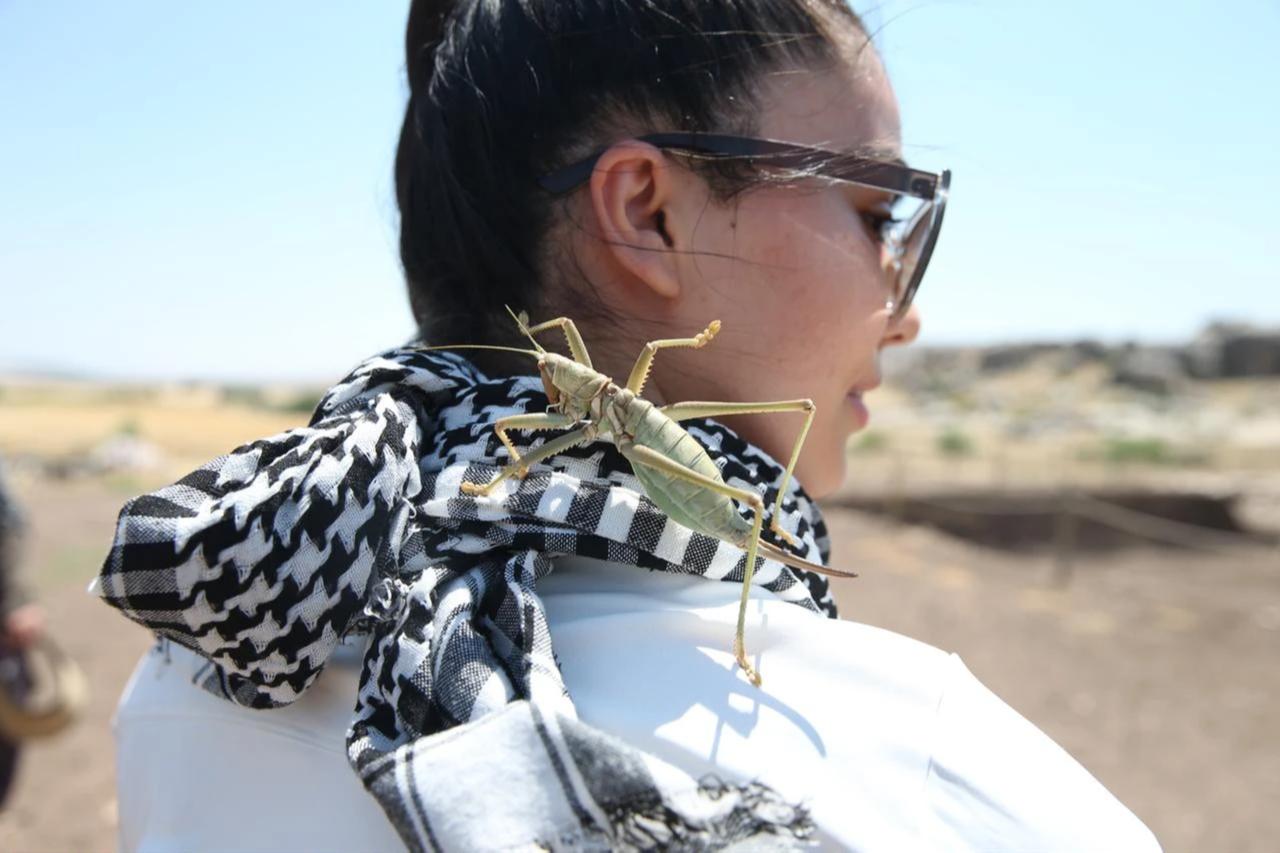


Verdict: False. Seasonal grasshopper activity has been misrepresented online as a large-scale invasion, while agricultural authorities report no unusual population increase or crop damage.
Social media posts and several news reports have claimed that Istanbul and nearby provinces are being hit by a major grasshopper invasion. However, field inspections carried out by agricultural authorities have found no evidence of an outbreak, no insects arriving from another region and no agricultural losses linked to grasshoppers.
The insects appearing around fields and residential areas are part of a seasonal pattern that has played out across Anatolia for thousands of years. Ancient records show that people living in the wider region were already observing grasshoppers and locusts, distinguishing ordinary appearances from destructive swarms.
Istanbul Provincial Director of Agriculture and Forestry Suat Parildar said technical teams were continuously checking agricultural areas in Istanbul and coordinating with officials in Canakkale, Tekirdag, Edirne and Kirklareli.
According to Parildar, farmers have reported no grasshopper-related crop losses, while monitoring has shown no serious population increase that could upset the natural balance or call for intervention.
"There is no grasshopper invasion. We do not have such a problem, and we are continuing productive agricultural work shoulder to shoulder with our farmers," Parildar said.
The authorities have also ruled out the suggestion that insects have moved into the region from elsewhere. Parildar said the grasshoppers being seen were native to the local environment and should not automatically be treated as agricultural pests.
Some species feed on both vegetation and smaller insects, meaning they can also play a part in maintaining the ecological balance. Officials therefore warn that attempting to wipe out every grasshopper could disrupt the same natural system that protects agricultural land.
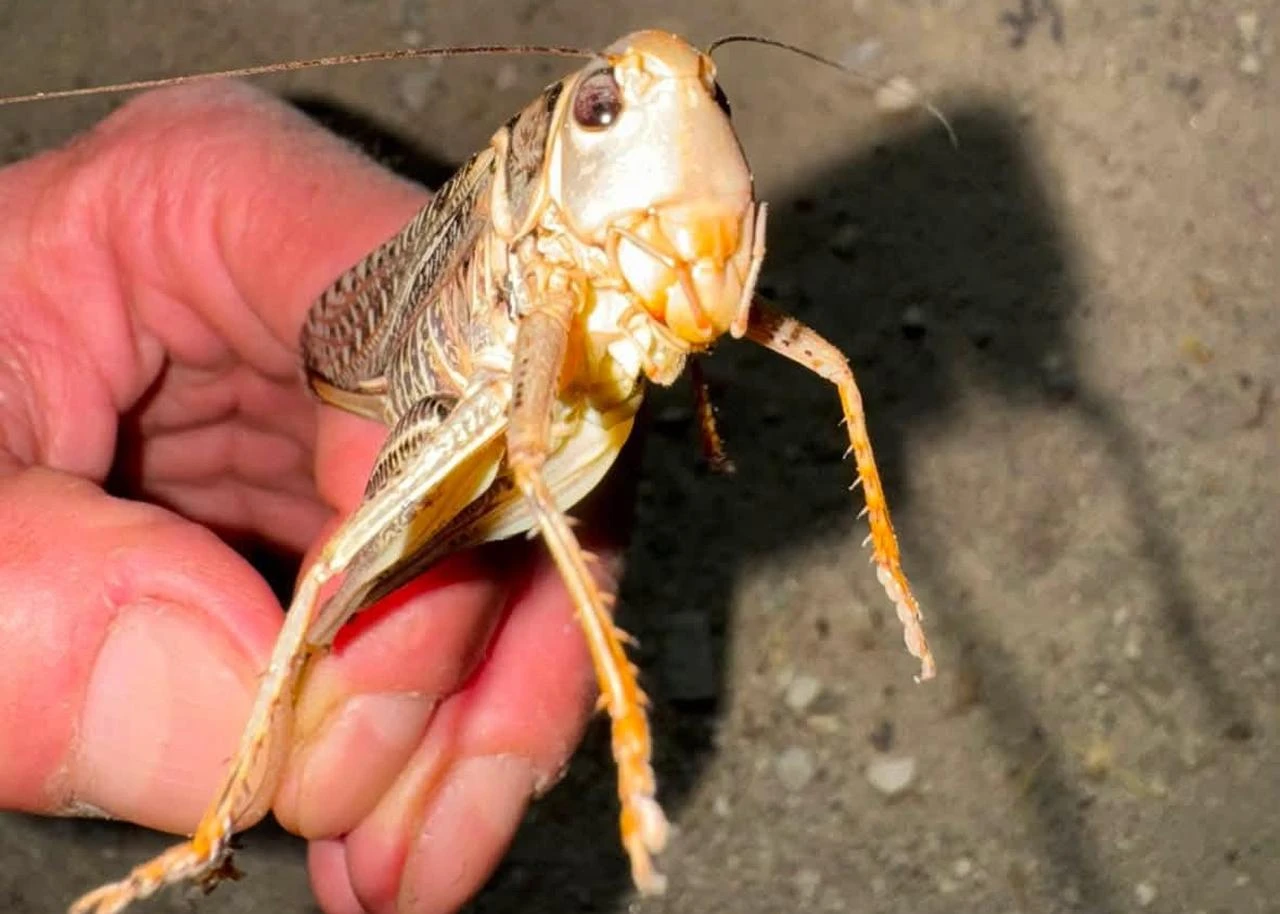

Most of Istanbul's agricultural production areas are located around Silivri, Catalca and Arnavutkoy on the European side of the city. This makes encounters with grasshoppers more likely in those districts, especially during their breeding periods and when temperatures rise.
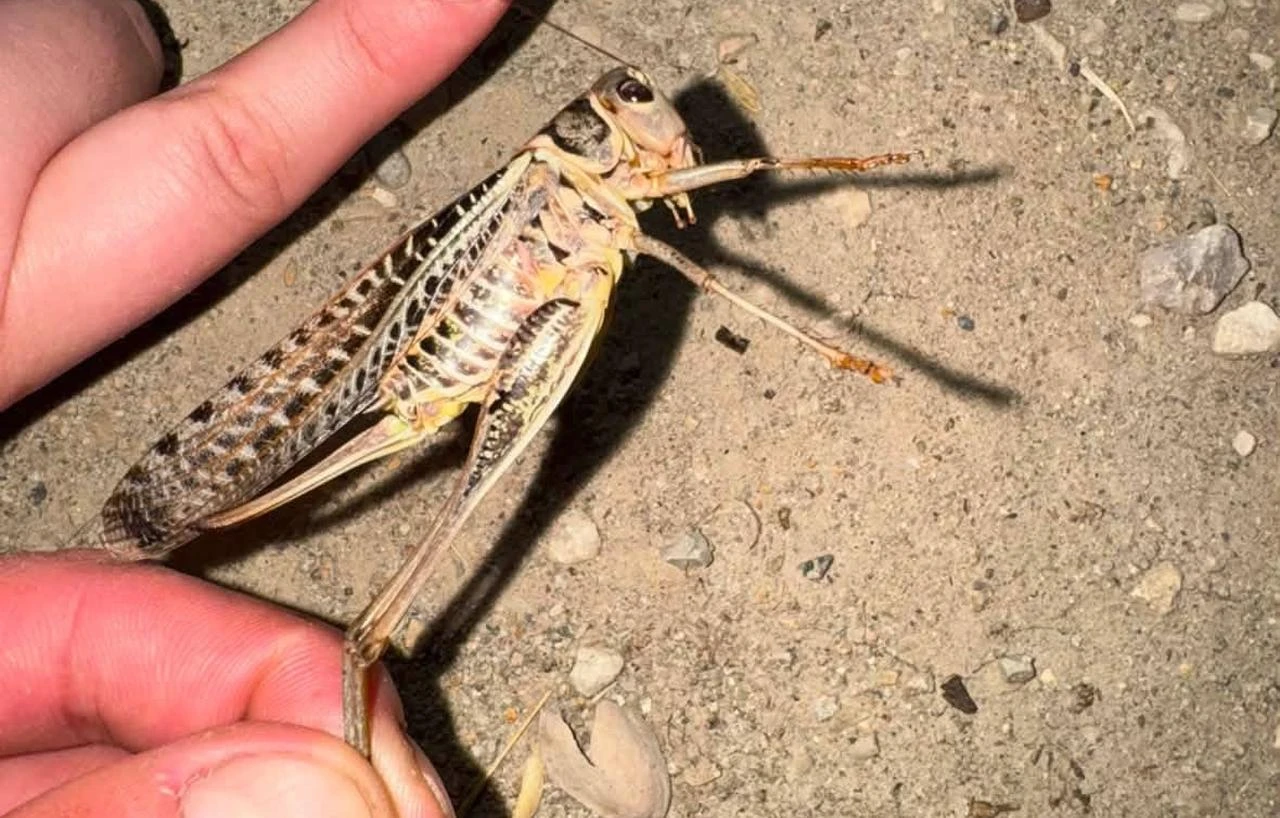
As urban settlements spread closer to farmland, forests and other natural habitats, insects are also more likely to turn up on balconies, inside gardens or near buildings. Light and warmer conditions can make them more visible without indicating that their overall numbers have risen dramatically.
Parildar said small seasonal fluctuations were natural, but inspections had detected no increase serious enough to threaten crops or require chemical control.
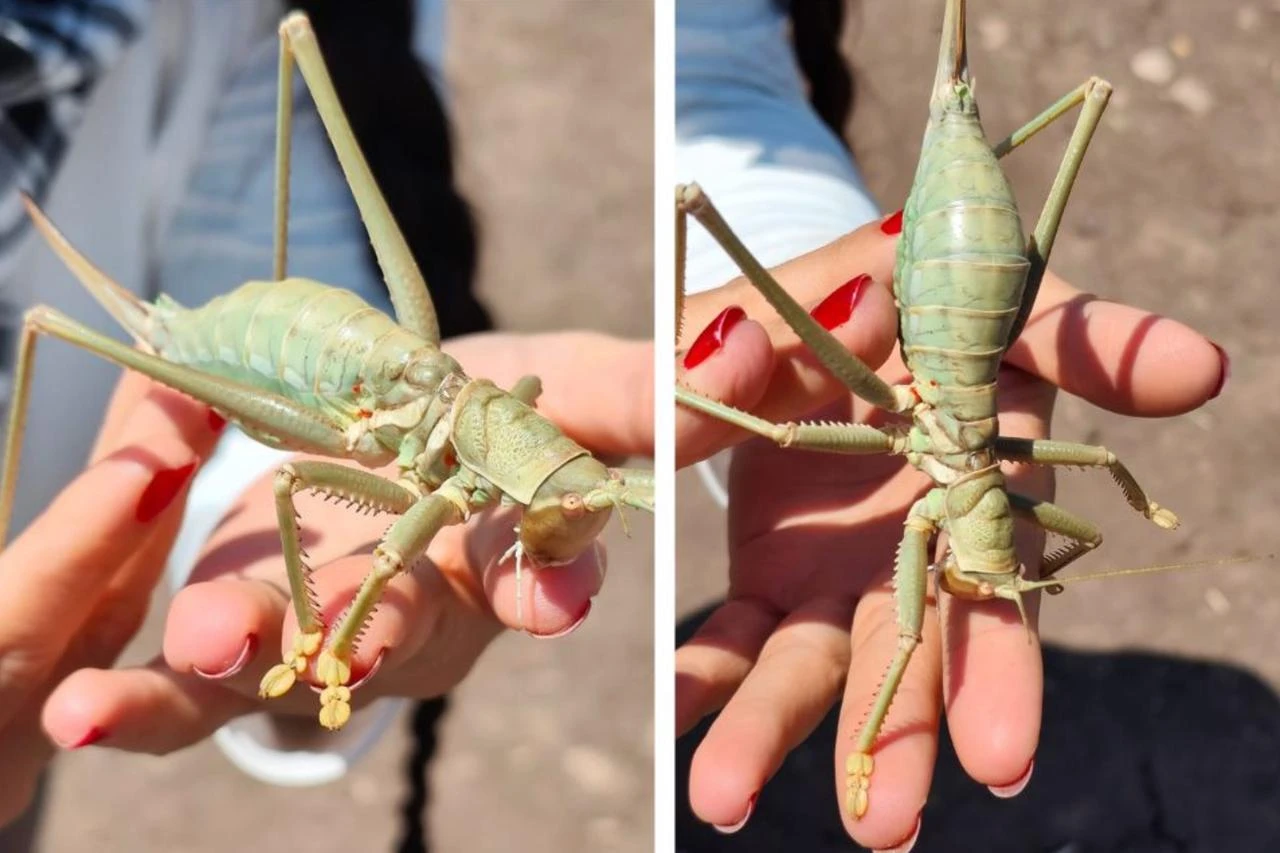
The white-faced bush grasshoppers featured in some social media videos feed on plants as well as insects. Authorities say their presence can therefore support, rather than undermine, the natural balance.
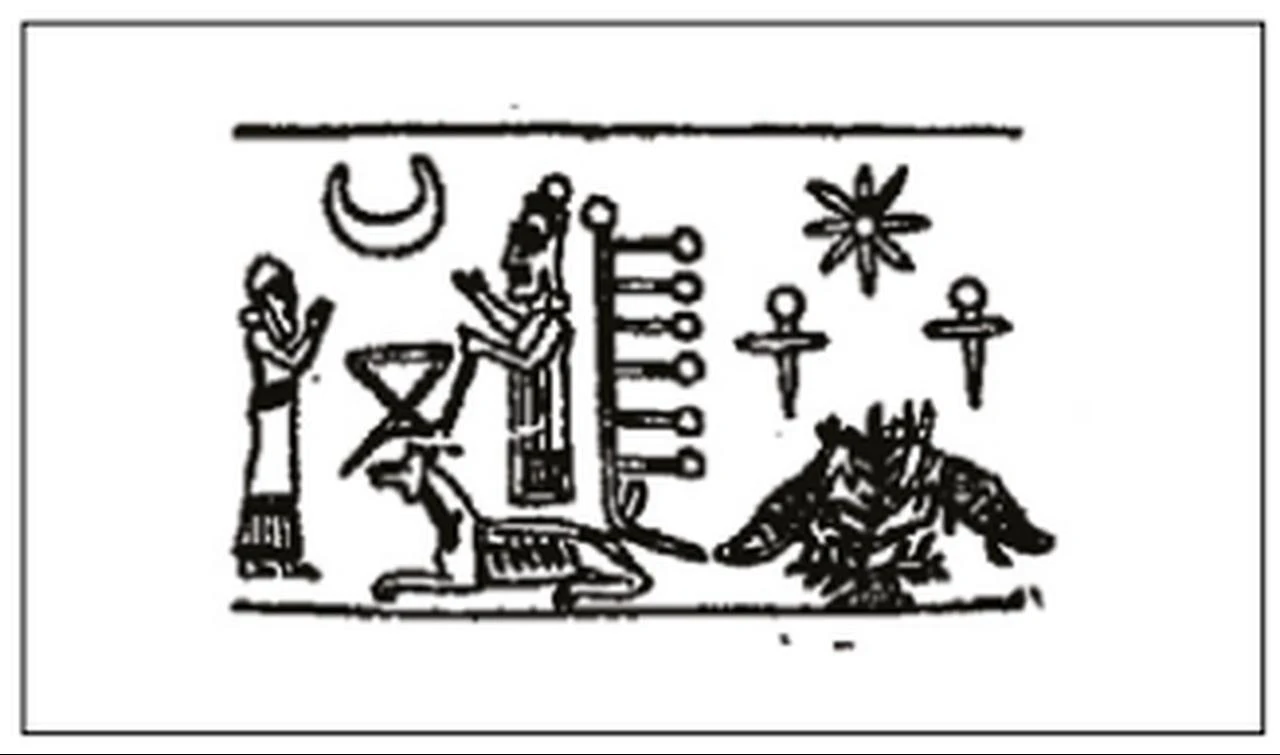
Grasshoppers and locusts were already familiar to societies across the ancient Near East. Mesopotamian, Egyptian and Hittite texts referred to them both as real insects and as metaphors for large numbers.
In Mesopotamian and Hittite documents, the grasshopper was commonly written with the Sumerian sign BURU5. Its Hittite equivalent, masa-, appeared in letters, rituals and prayers, showing that the insect was a well-known part of everyday life and agricultural thinking.
The earliest documented invasion mentioned in the provided records dates to around 1770 B.C., during the reign of Zimri-Lim at Mari. Letters from the governor of Qattunan indicate that officials responded by destroying grasshopper eggs over a two-year period.
Middle Assyrian letters from Dur-Katlimmu also describe refugees leaving an area after grasshoppers ate their crops. Several centuries later, letters from the reign of Sargon II reported official efforts to wipe out an outbreak that had spread across a wide area.
These records describe recognizable signs of a genuine invasion: crops were consumed, communities were displaced and authorities launched organized measures against the insects. None of those conditions has been reported in Istanbul or the surrounding provinces in 2026.
Hittite sources also mention grasshopper-related crop losses. A letter discovered at Masat Hoyuk and sent by a Hittite king to officials named Kassu and Pulli stated that locusts had eaten the grain of the Kaska people.
The insects also appeared in Hittite seals and amulets, some of which may have been worn for protection against destructive outbreaks. In Hieroglyphic Luwian sources, a grasshopper pictogram was used in place names.
Ancient cultures therefore did not view every grasshopper appearance as an invasion. Their written records focused on outbreaks when insects multiplied into destructive masses and wiped out harvests.
The current sightings in Istanbul are closer to the familiar seasonal presence of grasshoppers around Anatolian fields than to the crop-destroying invasions recorded in ancient documents.
Agricultural teams say wheat and barley harvesting has been completed, canola harvesting is nearing completion and sunflower crops remain in development without any reported grasshopper damage.
Based on field inspections and official monitoring, claims that Türkiye is currently facing a giant grasshopper invasion do not reflect the available evidence.


 Set as preferred source
 Set as preferred source


 1 min read
 1 min read