Newsletters


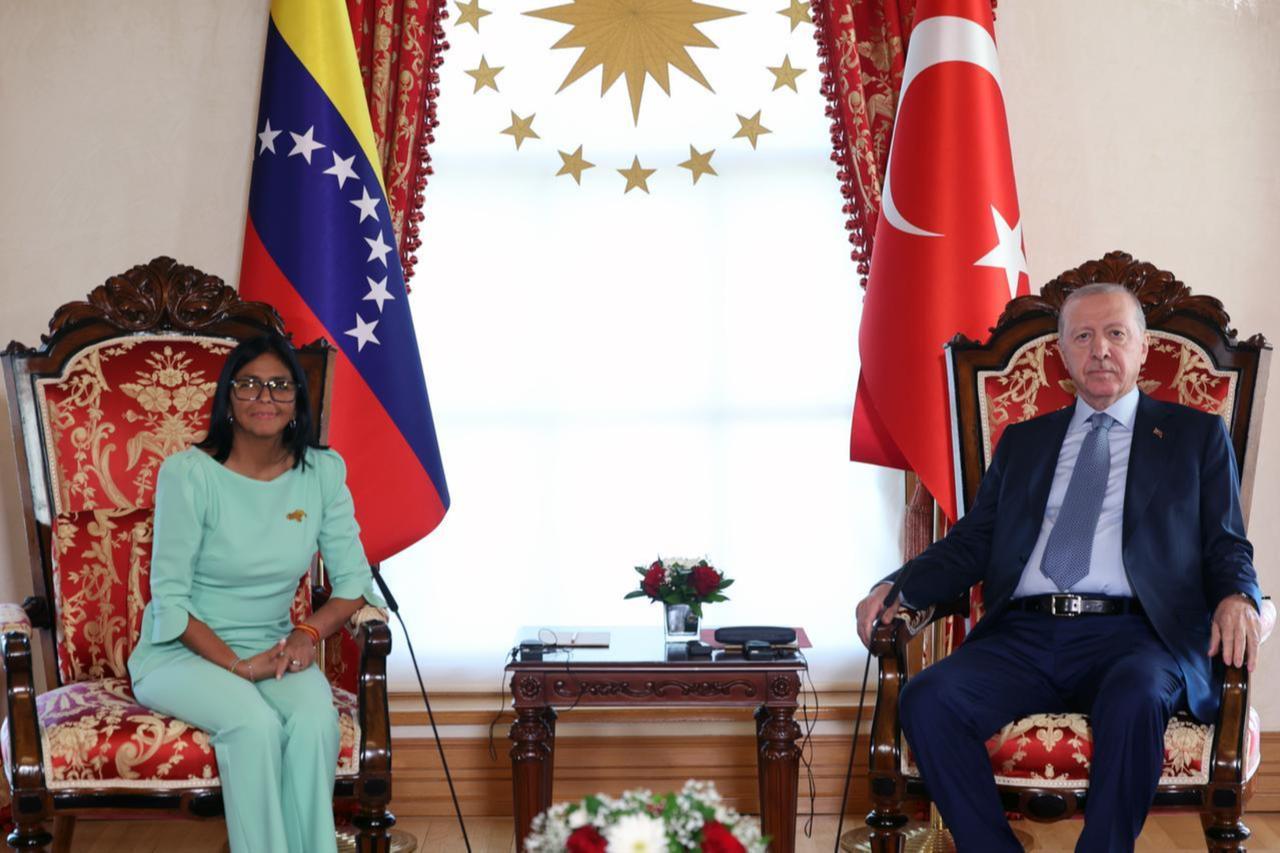


"Venezuela is a country that is always starting over." The Venezuelan writer Alberto Barrera Tyszka once described his homeland this way. The line felt most apt during the first days of 2026, when Delcy Rodriguez walked through the doors of power to assume the position of acting president of Venezuela.
Having focused primarily on internal affairs in her first few months—save for her defense at The Hague—she ventured beyond the Caribbean after almost half a year to visit India.
Coming from New Delhi, fresh off five days of energy and trade talks with the Modi government, the Istanbul stop was no afterthought. It was the logic of the tour laid bare: Venezuela, under a new leadership that Washington has effectively recognized, is executing a deliberate multipolar diplomatic offensive. Türkiye is near the top of its list as a significant force that already has ties and can coordinate efforts with the U.S. administration.
While Washington's other allies prepare for shifts in American foreign policy and the prioritization of the Western Hemisphere, such as Israel’s recent announcement of the Isaac Accords, Türkiye is also gearing up to help and adjust.
For a brief moment in the late 2010s, the burgeoning alliance between Ankara and Caracas seemed to signal a new, defiant axis in global geopolitics. Defined by high-profile handshakes and a sudden surge in billion-dollar trade figures, the relationship was often framed by critics as a strategic defiance of sanctions pressure.
However, beneath the performative solidarity of the post-2016 era, the foundations of this partnership remained remarkably thin. As global dynamics shifted and the limitations of the Maduro administration became clearer, Ankara’s initial enthusiasm began to cool.
Far from becoming a permanent pillar of Turkish foreign policy, the relationship has been steadily hollowed out. Between 2016 and 2018, President Recep Tayyip Erdogan and Venezuelan President Nicolas Maduro met four times in quick succession. However, the momentum proved remarkably short-lived. In the eight years between that initial flurry and the ousting of Maduro, the leaders shared only a single formal visit, in 2022.
Nevertheless, the institutional relations formed during that initial, rapid rapprochement remained a net gain for bilateral ties.
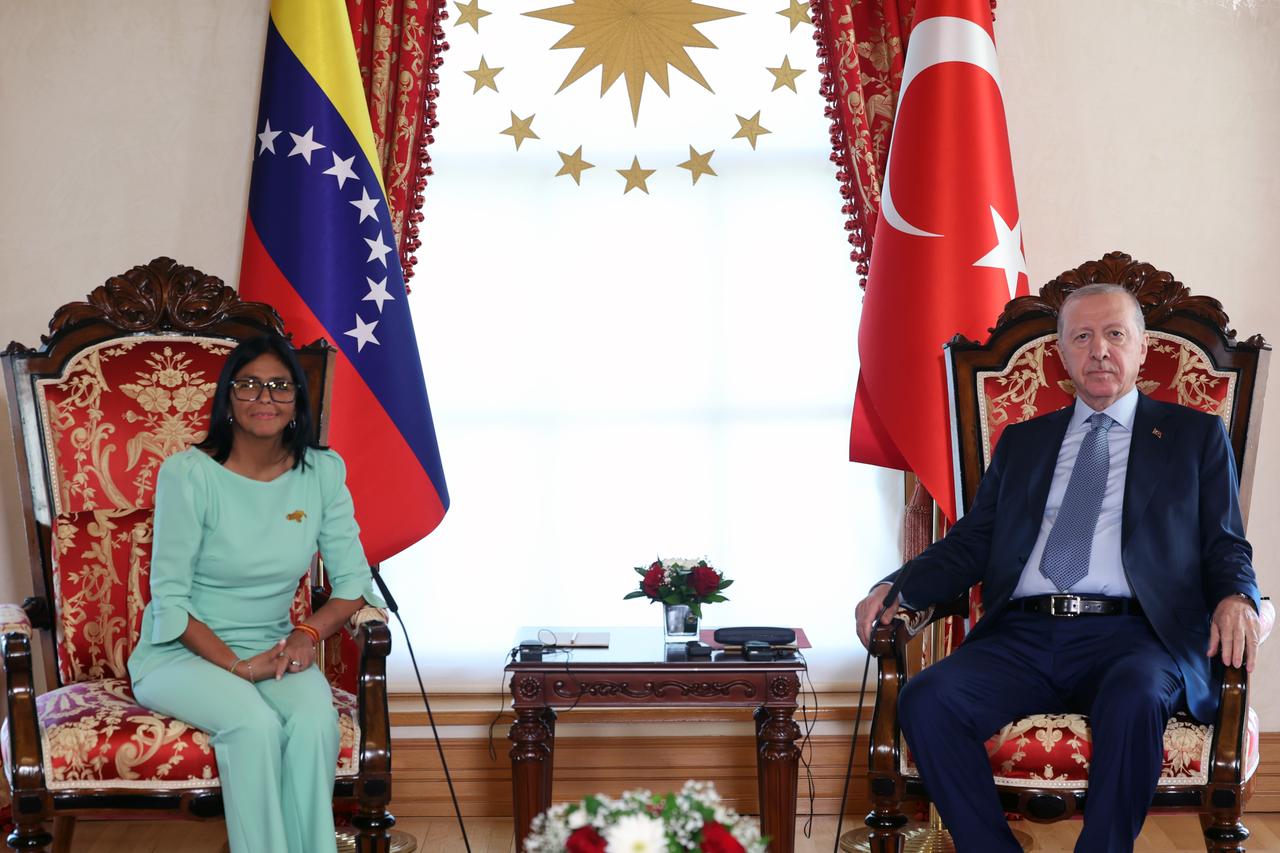
"From Türkiye's perspective, this isn't a relationship built overnight," Melike Hocaoglu-Caglioz, an expert on Türkiye-Latin America relations, told Türkiye Today. "Ankara and Caracas have existing agreements across defense, energy, tourism and agriculture. So the Erdogan-Rodriguez meeting at Dolmabahce is really Türkiye signaling that it intends to maintain strategic continuity with the new Venezuelan leadership, regardless of how that leadership came to power."
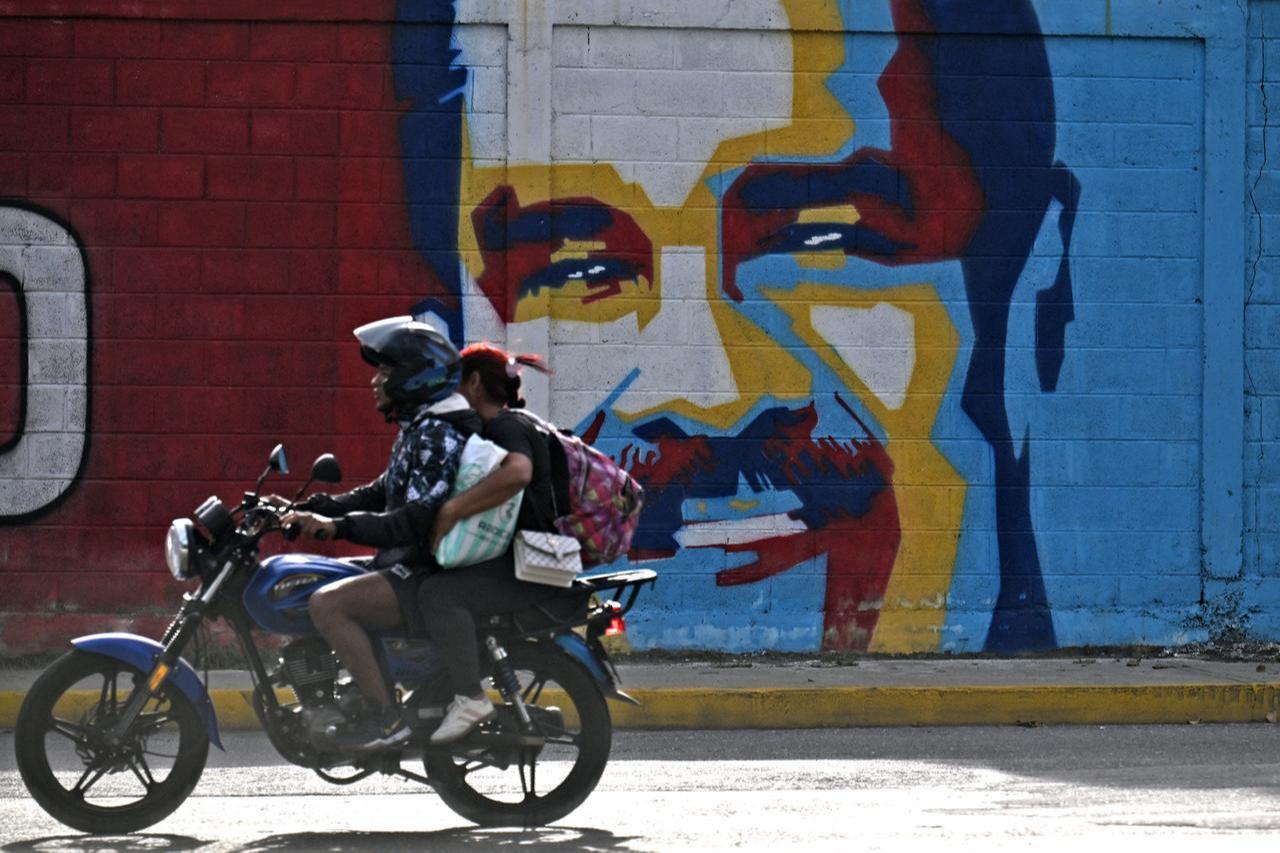

When the trade relationship between Ankara and Caracas first deepened in the late 2010s, much of it ran on basic goods—pasta, wheat flour, and consumer products that Venezuela's collapsing domestic economy could no longer produce. The gold trade that emerged alongside it drew uncomfortable scrutiny from Washington. By 2019, U.S. pressure had chipped away at the arrangement, and the scale pulled back.
What Rodriguez's visit to Istanbul signals is that the commodity has changed.
The discussions Erdogan and Rodriguez held on June 8 covered trade, energy, and mining—in that order, but with energy as the obvious centerpiece. Türkiye's Communications Directorate confirmed the two sides assessed steps toward a $3 billion bilateral trade target, a number that cannot be achieved by pasta and wheat flour. It requires oil and gold.
The groundwork was laid in February 2024, when the energy ministers of both countries signed two memoranda of understanding covering oil, natural gas, and mining. Maduro followed that with a public statement that Turkish companies had signed an agreement to extract gold from the fields in southern Venezuela. Heavy U.S. sanctions had effectively frozen those ambitions—until now.
"The easing of U.S. sanctions following Maduro's capture, combined with Rodriguez opening up the oil sector to private capital, has essentially unlocked a new chapter for Venezuelan diplomacy," former Director of the Latin America and Caribbean Desk at DEIK (Foreign Economic Relations Board) Hocaoglu-Caglioz said.
Talya Iscan, a Turkish political analyst and academic based in Mexico, frames the structural logic plainly. "Energy is likely a centerpiece in this relationship," she told Türkiye Today. "Venezuela currently possesses some of the world's largest oil reserves while Türkiye is actively diversifying its energy partnerships and increasing its diplomatic reach in resource-rich regions. And, in this case, it would be Venezuela, independently of what has happened politically."
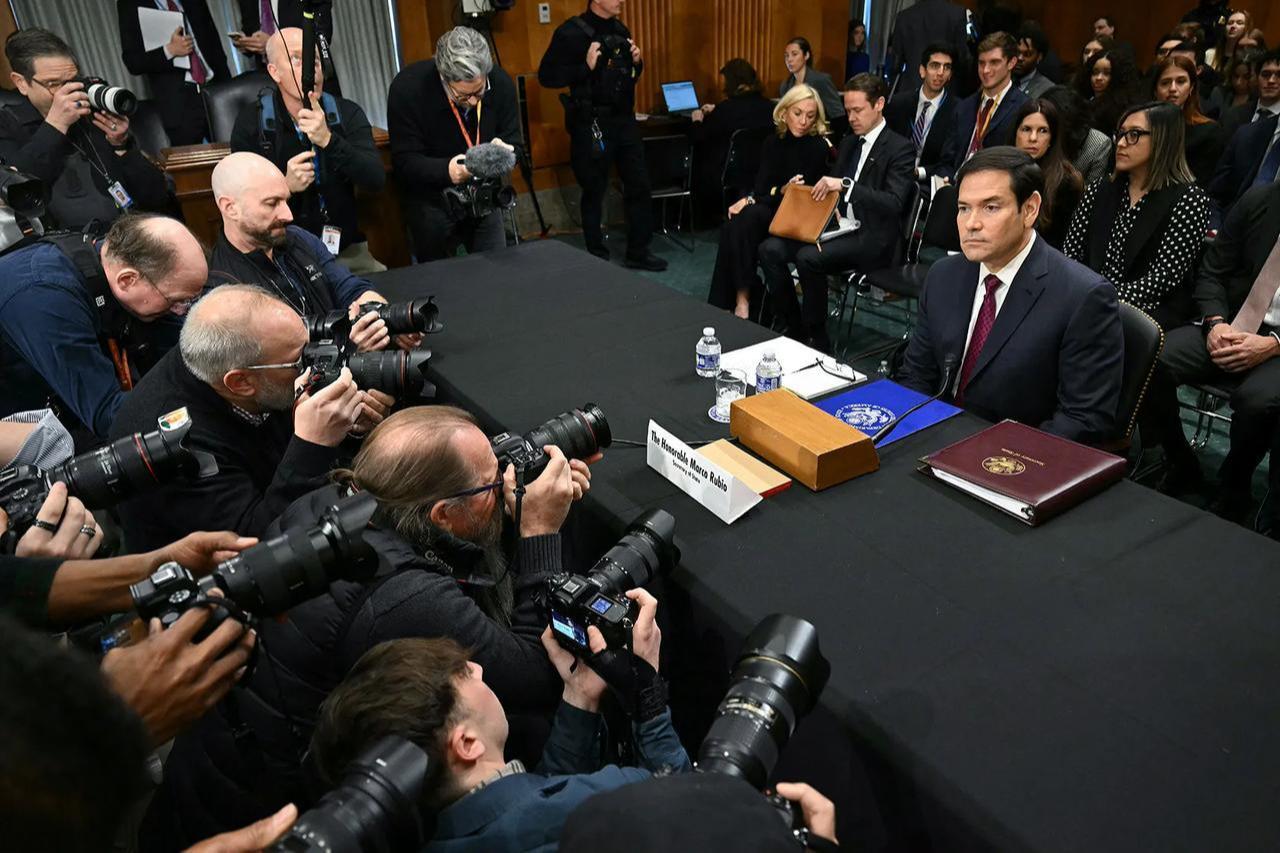
The most revealing aspect of the Istanbul meeting is the geopolitical context in which it took place. A year ago, the optics of a senior Turkish official embracing the Venezuelan government would have required careful diplomatic management in Washington.
"The Trump administration has effectively recognized Rodriguez as the legitimate authority in Caracas and greenlighted American energy companies like Chevron to operate there," Hocaoglu-Caglioz noted. "Through that lens, Türkiye engaging with Rodriguez could actually be seen as helpful—keeping a fragile transition government stable and manageable."
Iscan frames it in terms of burden-sharing. "U.S. policymakers have often encouraged allies to share responsibility, especially in difficult regions, rather than leaving the burden entirely to Washington," she said. "Türkiye is a NATO ally with functioning diplomatic channels in regions where Western influence can sometimes be limited. That can make Ankara a useful interlocutor." The United States has also reopened channels with Caracas's interim leadership directly, easing some restrictions on Rodriguez herself—indicating, as Iscan puts it, "a more flexible approach than in the past."
But both analysts flag where the alignment ends. "The NATO burden-sharing framing only holds if Washington and Ankara are working toward the same end goal in Venezuela," Hocaoglu-Caglioz cautioned. "If Türkiye is carving out its own independent economic footprint there, that could create friction."
Iscan draws the same boundary from a different direction: "Concerns could emerge if Turkish engagement with Venezuela were perceived as undermining sanctions frameworks and reducing transparency, or challenging broader Western strategic objectives." The gold trade of 2019—which drew exactly those concerns—is the implicit reference point.
"The administration wanted Maduro gone, got Maduro gone, and granted Rodriguez sanctions relief. The successor government is now using that relief to pursue the very relationships that complicate American influence going forward," notes John Polga-Hecimovich, a professor at the U.S. Naval Academy in Maryland.
"Secretary Rubio's decision to publicly disclose the India trip before Rodriguez even departed suggests Washington is watching closely," he says. "Somewhat ironically, this type of economic courting of foreign governments by Rodriguez is only possible because of the opening that Washington itself created."
Venezuela, with the world's largest proven oil reserves, is a logical destination for a country that imports the vast majority of its energy and has spent years building a diplomacy of resource access. The parallel with Türkiye's active engagement in Africa, the Gulf, and the Levant is not coincidental—it is the architecture of the same strategy.
Worth noting is that the India leg of Rodriguez's tour is probably the more economically significant of the two stops. "India's crude import calculus has been scrambled by the Iran-war disruption to the Strait of Hormuz, and Venezuela is stepping into the gap as a Western Hemisphere supplier with deep reserves and urgent need for stable revenue," Polga-Hecimovich told Türkiye Today. "India is one of the largest purchasers of Venezuelan crude right now." Türkiye, by contrast, is a different kind of prize. It offers political validation and a strategic foothold, not raw volume, according to him.
"This visit demonstrates that Ankara wants to be seen as a global middle power with diplomatic, commercial and energy interests stretching from the Middle East to Africa and to Latin America," Iscan said. "I don't think this is a simple diplomatic courtesy visit. It reflects Türkiye's long-term goal to become a globally connected middle power and Venezuela's search for reliable economic and energy partners."
Caglioz points to a similar conclusion: "Ankara is one of the very few actors that can credibly speak both to the West as a NATO ally and to the Global South as a genuine partner. This visit is a textbook example of that strategic flexibility—and frankly, it's what makes Turkish foreign policy so hard to pigeonhole."
"The Istanbul stop, all in all, is Rodriguez asking Ankara to transfer the goodwill Erdogan cultivated with Maduro to the post-Maduro government, and Türkiye preserves its foothold in Venezuelan energy and mining," said Polga-Hecimovich. "Taken together, the two stops represent Caracas using its newly legitimized international status to build exactly the kind of diversified partnerships that reduce long-term US leverage."
The agreements and the $3 billion trade target are too big to be gestures. They are the beginning of a serious commercial architecture.
One could easily apply Alberto Barrera Tyszka’s words to Türkiye’s own volatile political history. With this visit, both nations embark on yet another new chapter in their shared history and foreign policy.


 Set as preferred source
 Set as preferred source


 1 min read
 1 min read