Newsletters


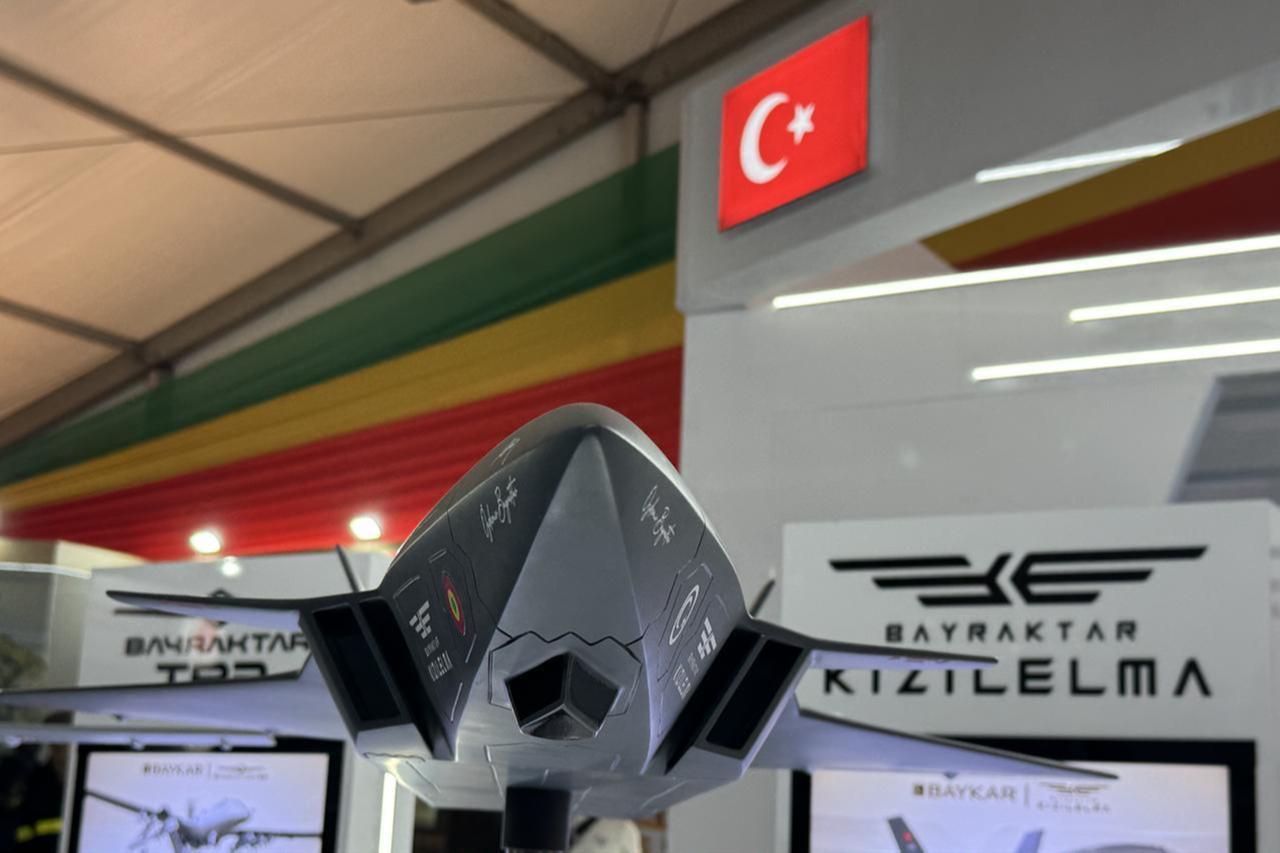


Global arms sales reached an all-time high in 2024 as countries accelerated military modernization and expanded weapons procurement amid ongoing conflicts and rising geopolitical tensions, according to a Stockholm International Peace Research Institute (SIPRI) report released Monday.
Founded in 1966, SIPRI conducts research, publishes reports, and provides analyses on issues such as conflict, armaments, arms control, and disarmament, and its global arms sales database has been maintained since 1989.
The report covers all sales of major weapons and military services to both domestic and international military clients.
SIPRI said revenues of the world’s 100 largest defense companies grew 5.9% last year to a record $679 billion, marking the strongest increase since 2018.
The study linked the surge primarily to the wars in Ukraine and Gaza, along with heightened regional security concerns and expanded defense budgets worldwide.
The United States and Europe accounted for the bulk of the global rise in sales.
U.S. defense manufacturers generated $334 billion in combined revenues, despite delays and cost overruns in major programs such as the F-35 fighter jet and the Columbia-class submarine.
In Europe, 23 of 26 companies reported revenue growth, with regional sales rising 13% to reach $151 billion.
Czech company Czechoslovak Group recorded the steepest increase globally with a 193% surge, driven largely by supply contracts for Ukraine.
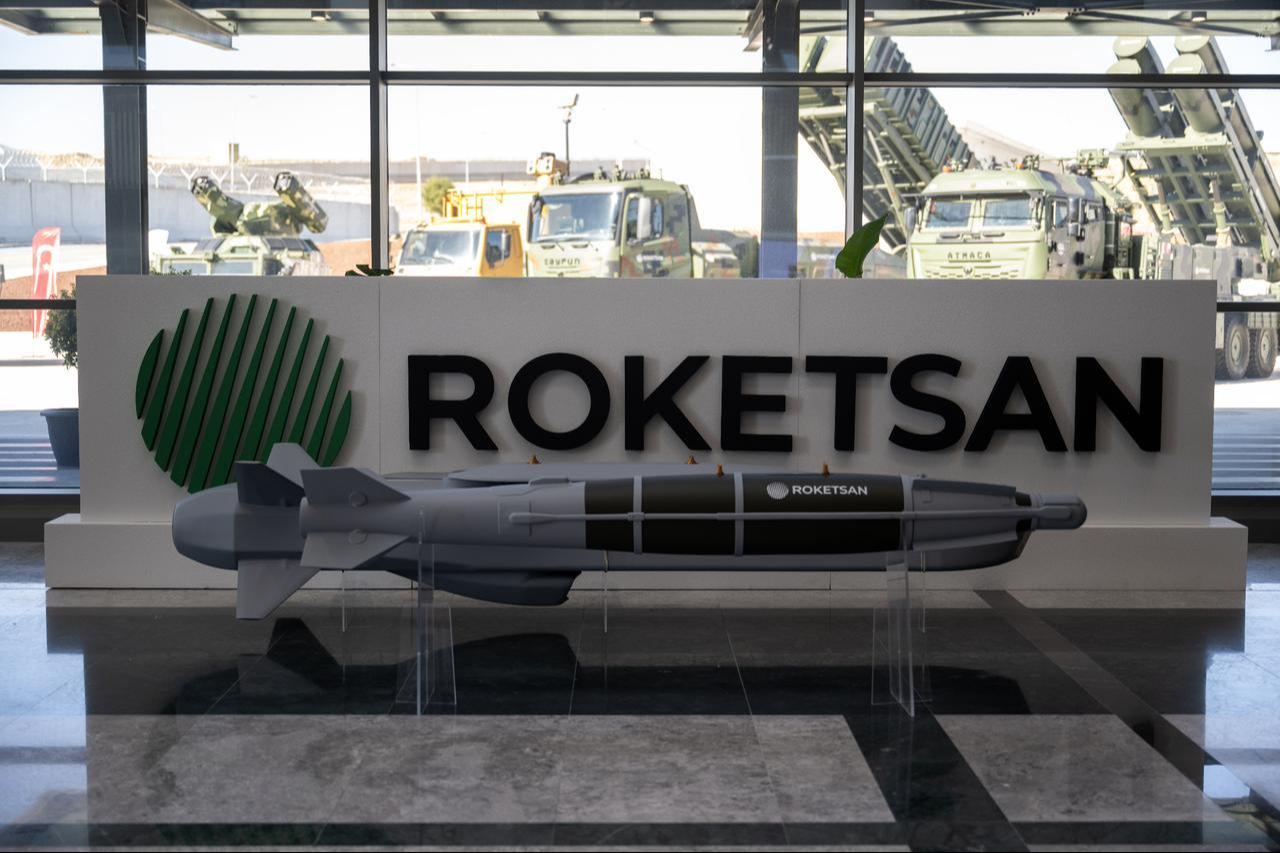

According to the report, five Turkish defense industry companies were included among the world’s top 100 sellers of arms and military services last year.
The total revenues of these Turkish companies increased by 11% compared to 2024, reaching $10.1 billion.
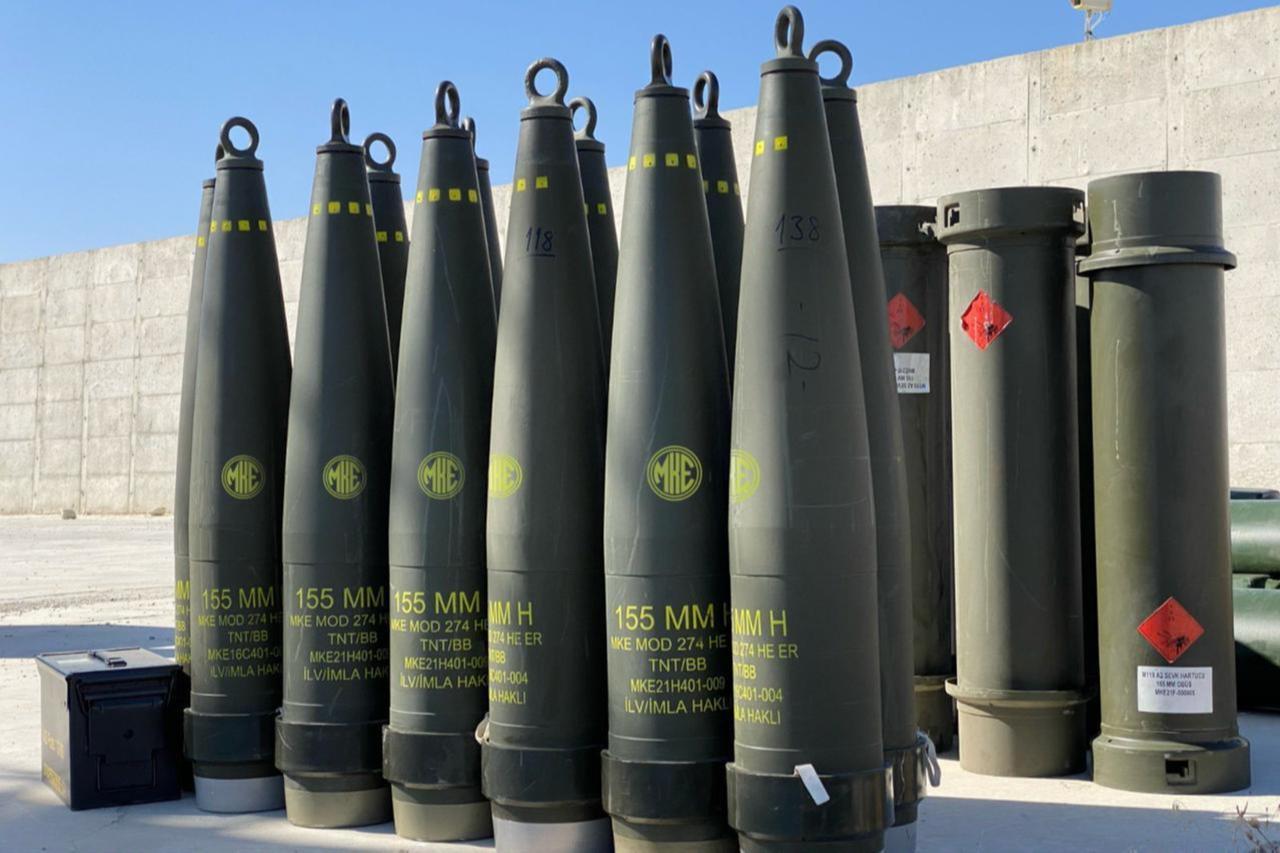
The report also highlighted that the Machinery and Chemical Industry Corporation (MKE) entered the top 100 list for the first time.
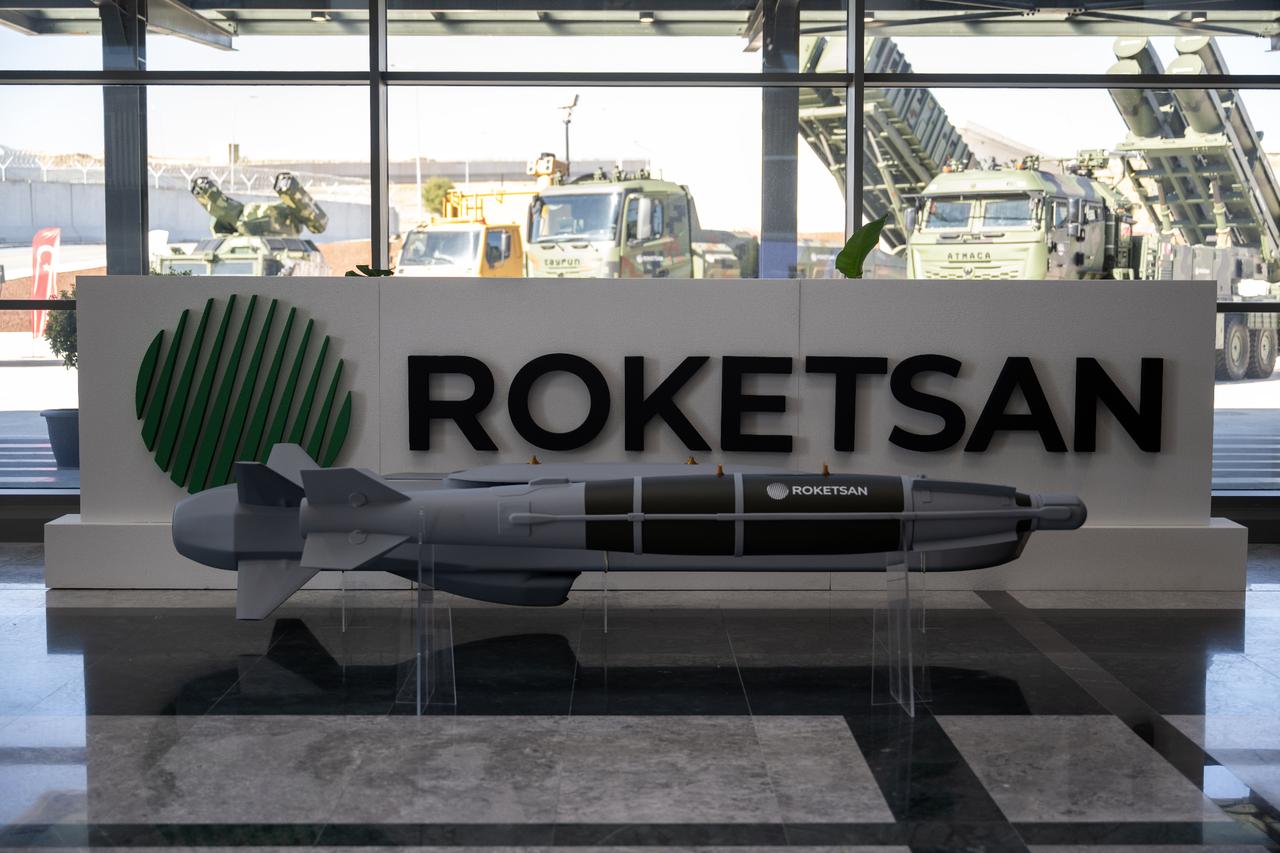
In the ranking, Aselsan placed 47th with revenues of $3.47 billion, Turkish Aerospace Industries (TAI) ranked 65th with $2.16 billion, Baykar followed in 73rd place with $1.9 billion, while Roketsan ranked 87th with $1.39 billion and MKE ranked 93rd with $1.21 billion.
Russian defense firms also saw rising revenues despite sanctions and workforce shortages, with earnings up 23%$ to $31.2 billion, supported by strong domestic demand.
In contrast, total arms sales in the Asia-Oceania region fell 1.2%, driven by a sharp contraction in Chinese procurement linked to corruption investigations.
Japan and South Korea, however, reported strong double-digit growth, supported by export demand and regional rearmament.
The Middle East recorded its largest-ever representation in SIPRI’s Top 100, with nine companies generating $31 billion in combined revenue.
Israeli defense firms increased sales despite international criticism of the Gaza war.
The UAE’s state-owned EDGE Group ranked 37th, posting $4.7 billion in revenues.


 Set as preferred source
 Set as preferred source


 1 min read
 1 min read