Newsletters


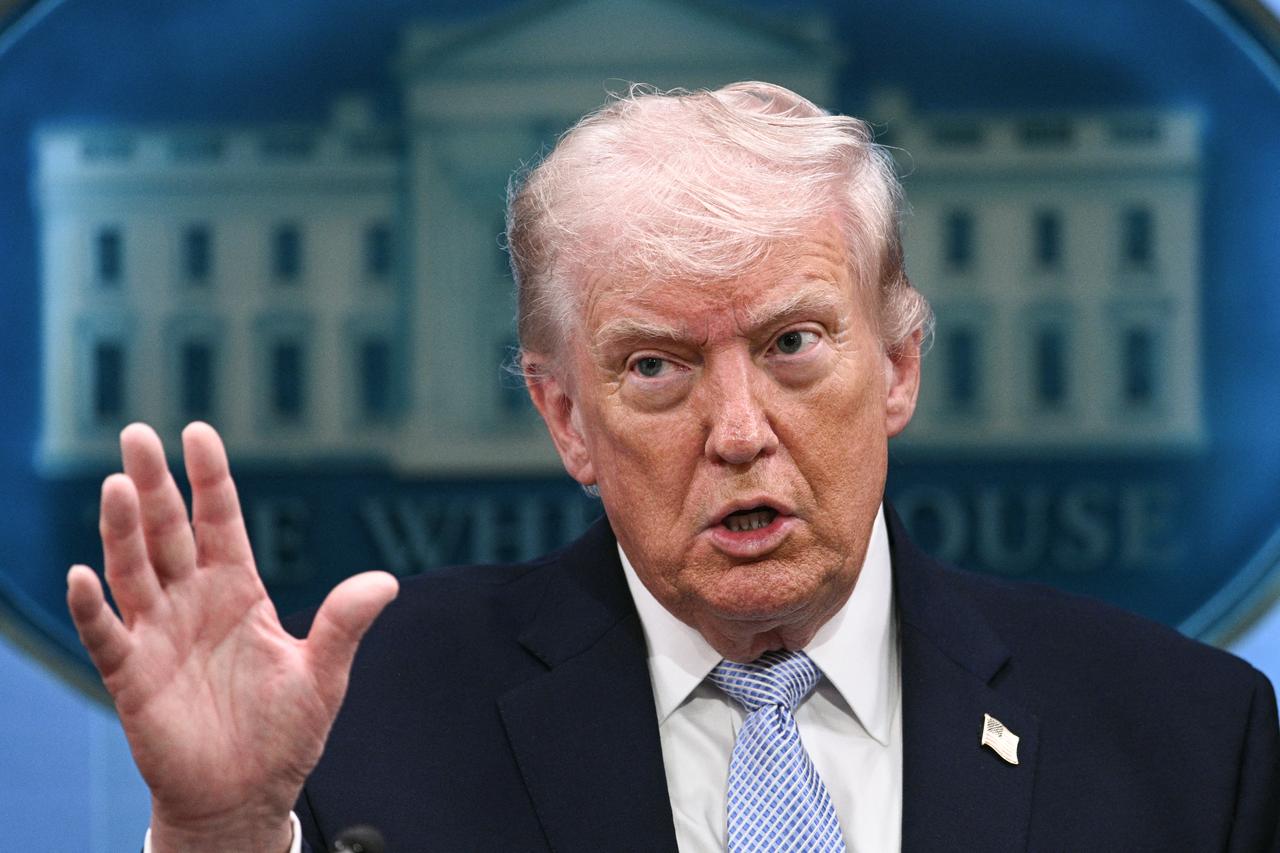


The United States will keep a reinforced military posture in and around Iran until a final agreement is fully implemented, President Donald Trump said Thursday, pairing the stance with a stark threat of overwhelming retaliation if commitments unravel.
In a post on Truth Social, Trump signaled that ships, aircraft, personnel, and munitions will remain deployed near Iran until what he called a "REAL AGREEMENT" is implemented in full. If that fails, he cautioned, "the Shootin’ Starts," describing a response "bigger, and better, and stronger than anyone has ever seen before."
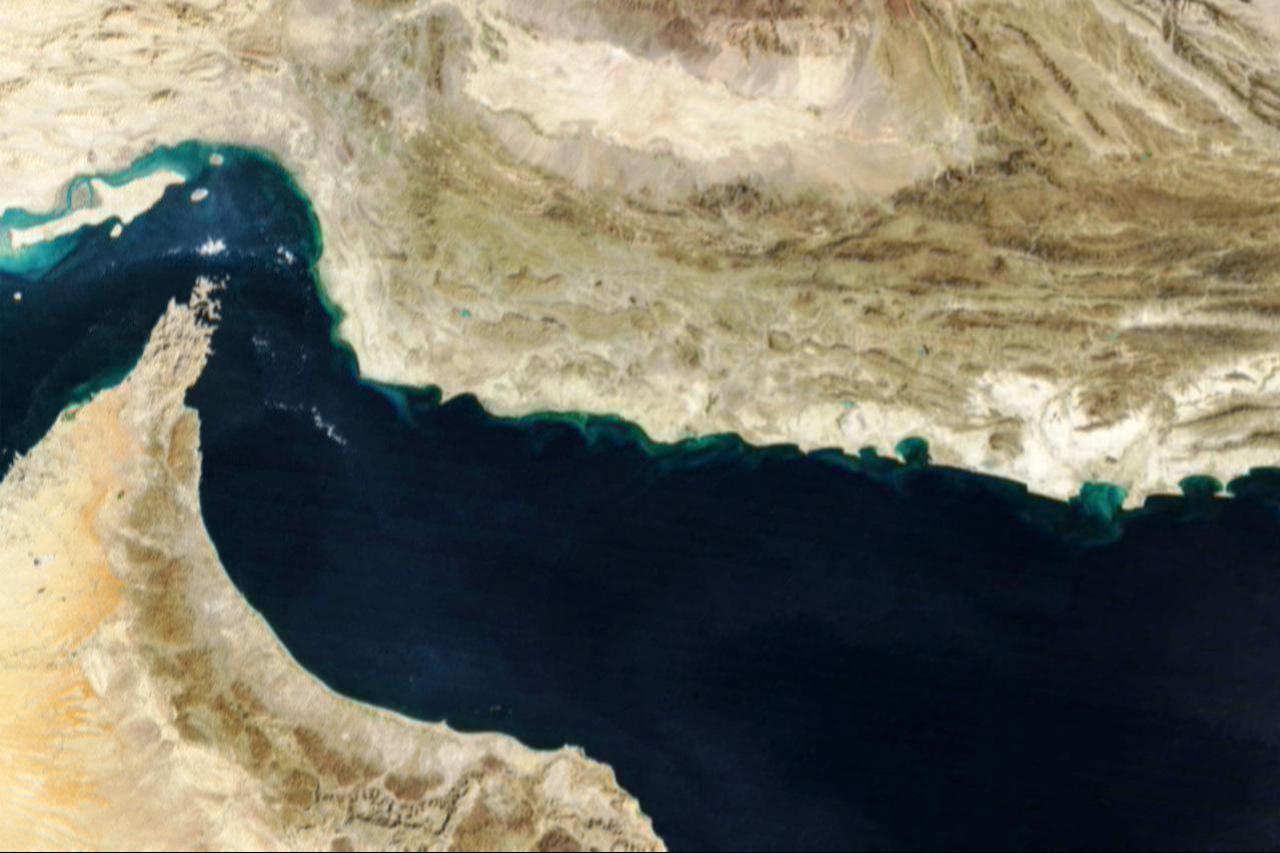
The statement landed just a day after Washington and Tehran announced a two-week truce designed to open space for a broader settlement to end the war that began on Feb. 28. The pause arrived shortly before a deadline repeatedly extended by Trump for Iran to reopen the Strait of Hormuz and accept terms or face sweeping consequences.
Iran is also expected to send a delegation to Islamabad, the capital of mediator Pakistan, on Thursday night for talks based on its proposed 10-point plan.
Trump framed the core outcome as already settled, noting that "no nuclear weapons" had been agreed "a long time ago," while insisting the Strait of Hormuz will remain open and secure. He added that U.S. forces are "loading up and resting," suggesting readiness for further action if needed.

In Tehran, the tone shifted sharply. Parliament Speaker Mohammad Bagher Ghalibaf argued that a ceasefire and nuclear talks with Washington had become "unreasonable," pointing to what he referred as three violations of Iran’s proposed framework even before negotiations began.
He accused the United States of repeating a pattern of broken commitments and cited breaches tied to Iran’s 10-point proposal—a plan Trump had earlier characterized as "a workable basis" for negotiations.
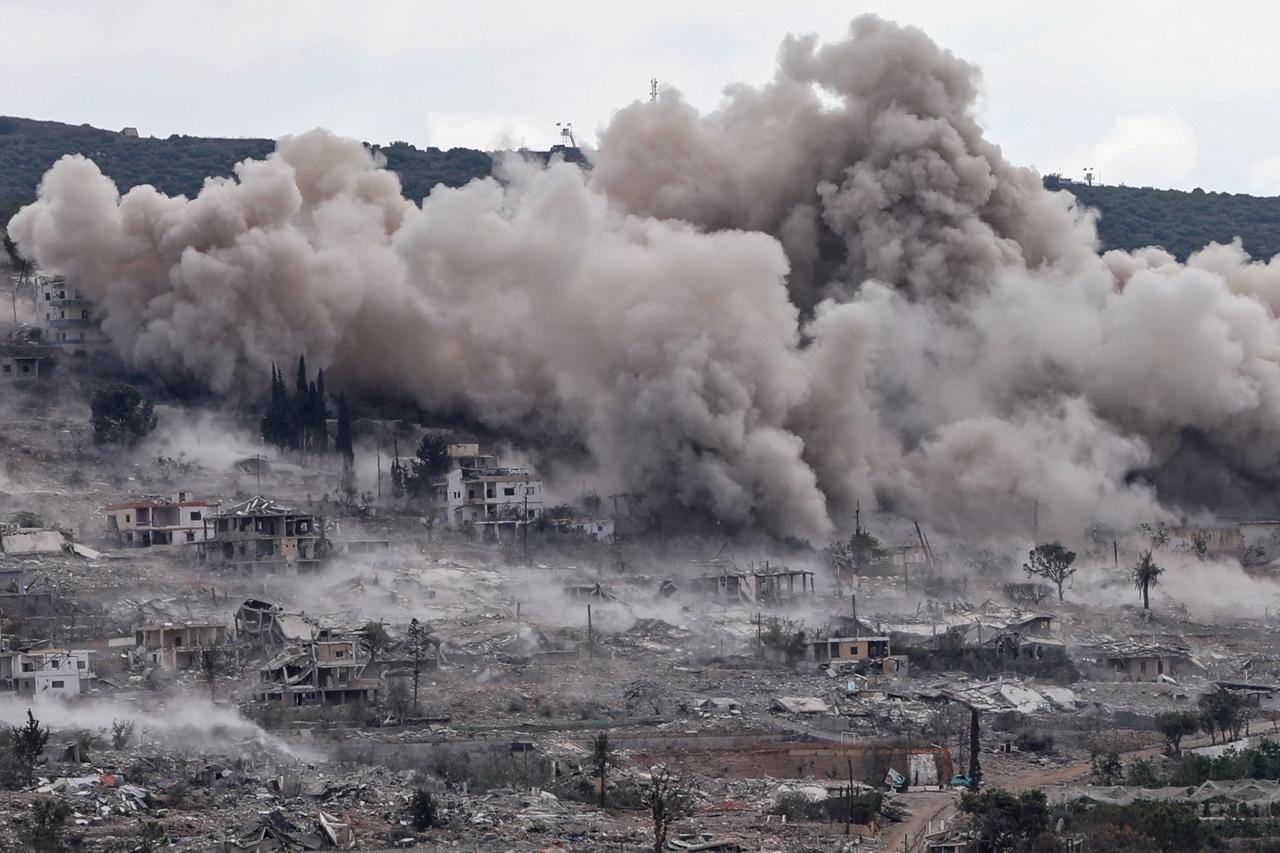
The fragile diplomatic track is unfolding alongside a broader regional surge. Israel launched its most intense wave of strikes on Lebanon since March, with hundreds of civilians reported killed, prompting urgent calls from international actors to fold Lebanon into any emerging truce.


 Set as preferred source
 Set as preferred source


 1 min read
 1 min read