Newsletters


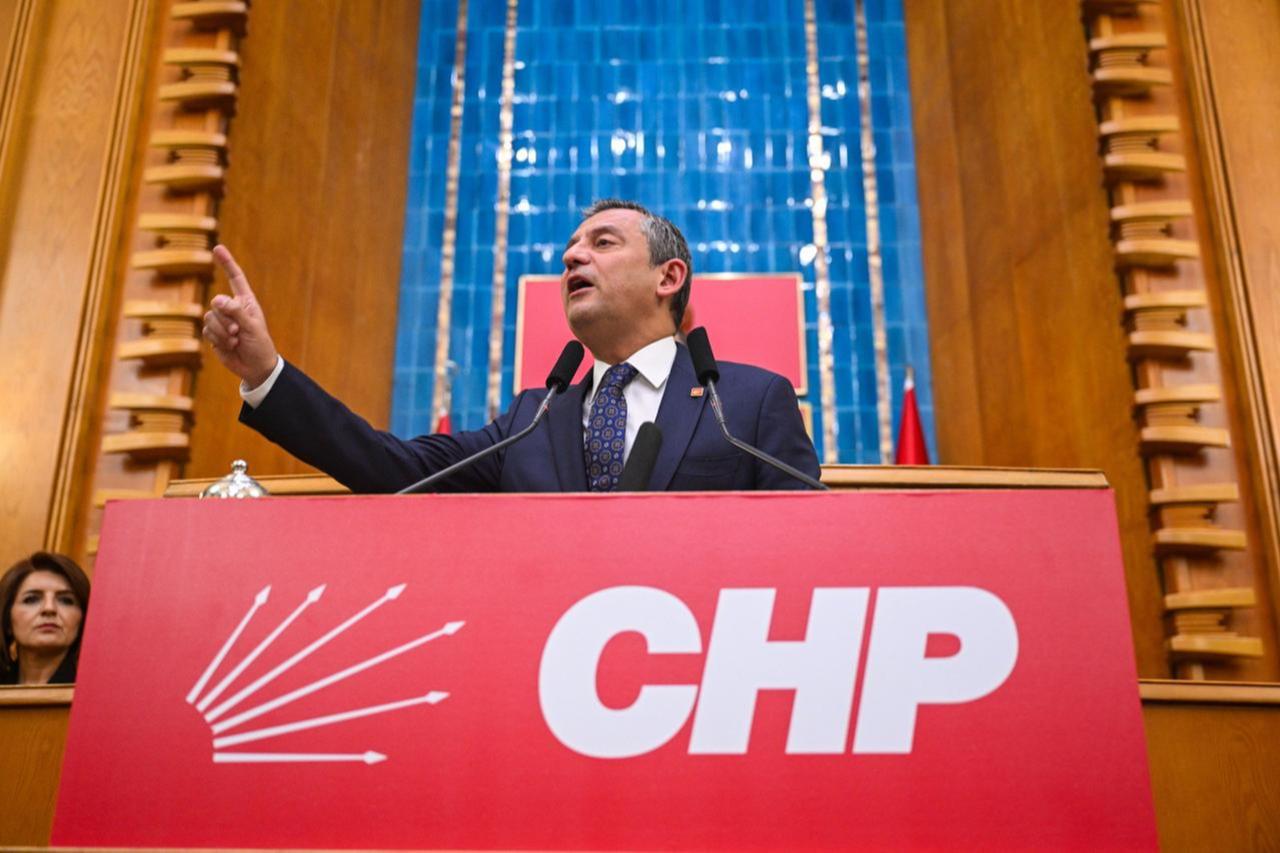


Türkiye’s main opposition and the first party in the last municipal elections, the Republican People’s Party (CHP), is recalibrating its foreign policy in response to a structural rupture in the Euro-Atlantic order. Donald Trump’s return to the center of U.S. politics has accelerated a transformation already underway: a system less driven by institutions and alliances, and more by leader-to-leader bargaining, power asymmetries, and transactional diplomacy.
For CHP, this shift has produced a clear conclusion. The United States, once the predictable anchor of the Western alliance, is no longer seen as a stable reference point. Trump’s approach to global politics—selective commitment, personal diplomacy, and flexible norms—has pushed the party to seek a different Western alignment that feels more rule-based and institutionally legible.
This is where the European Union comes into play. CHP’s repositioning is not simply outward in general terms; it is also explicitly pro-EU for internal reasons. In a world where Washington’s behavior is perceived as volatile, Brussels is framed as the remaining custodian of institutional order, legalism, and normative continuity within the West in the perception of party policymakers.
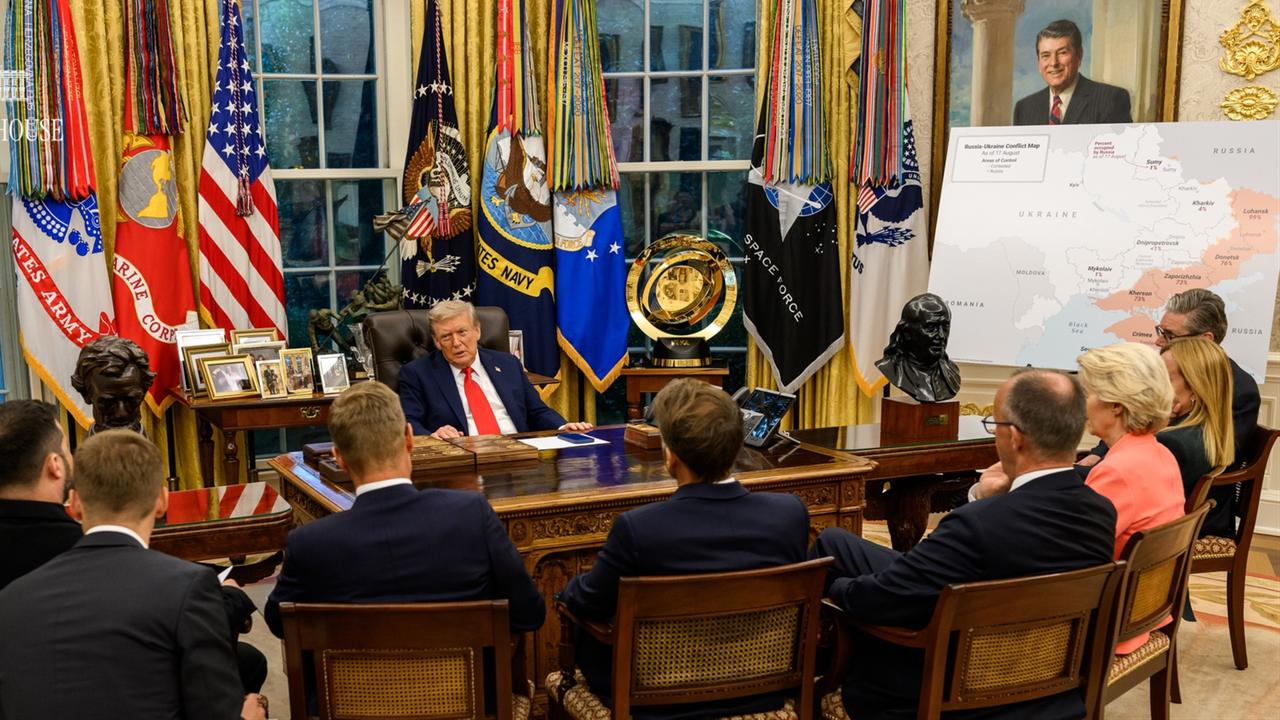

In a critique of the U.S. capture of Nicolas Maduro, CHP Chairman Ozgur Ozel asserted on Jan. 6, 2026, that "Trump’s order cannot be the world’s order," warning that such a unilateral military intervention violates national sovereignty and undermines the global legal framework.
CHP’s new foreign policy draft, released ahead of its 39th Congress, formalized this shift.
The document places EU alignment at the core of Türkiye’s strategic direction, emphasizing institutional diplomacy, transparency, and accountability over personalized leadership channels.
This vision, however, also reflects a narrowing of Western imagination. Rather than balancing between Washington and Brussels, CHP effectively decouples the two. The U.S. under Trump is treated as a destabilizing force within the alliance, while the EU is elevated as the primary partner capable of anchoring Türkiye’s foreign policy identity.
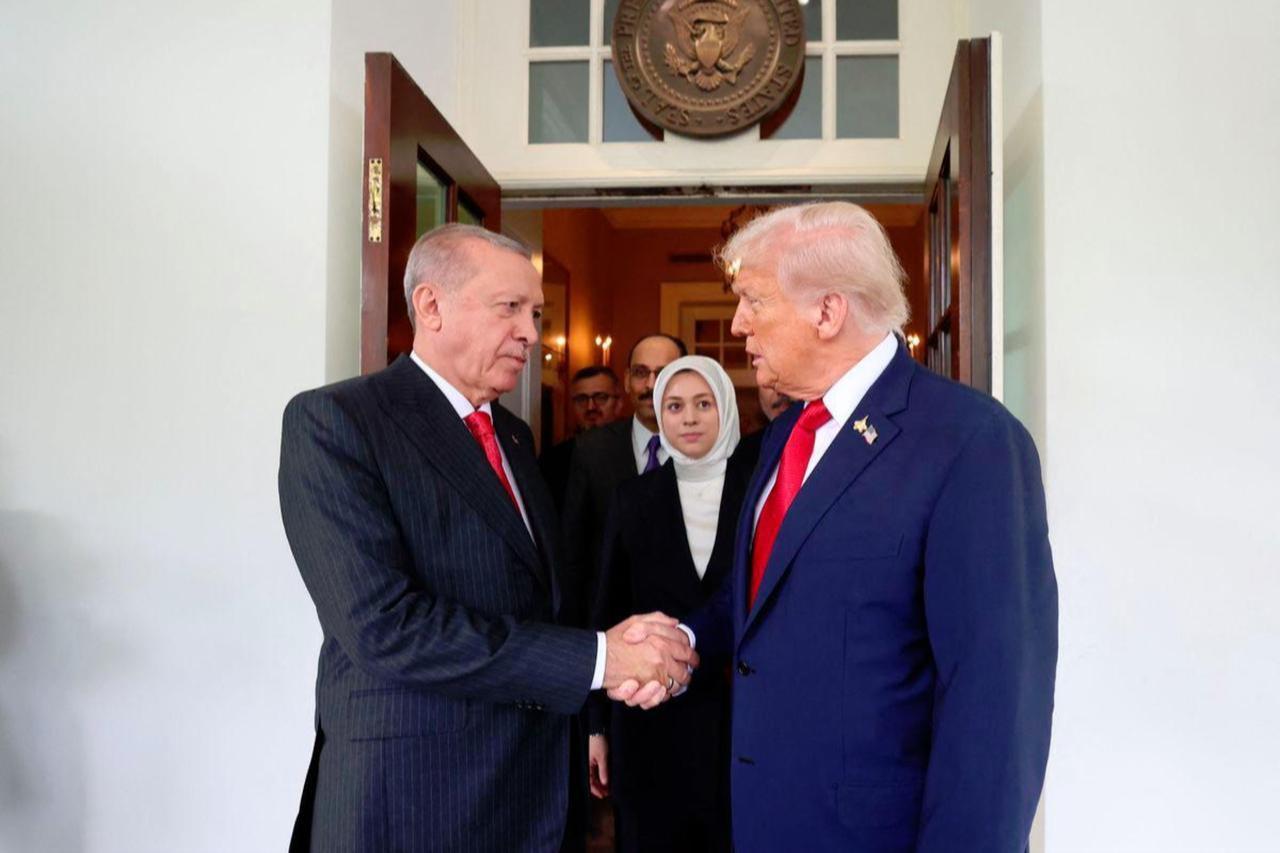
At the heart of CHP’s discomfort lies Trump’s ease with strongman politics. The Trump–Erdogan relationship, often described as a pragmatic “bromance,” demonstrated how leader-level diplomacy can deliver concrete outcomes. These included renewed strategic visibility for Ankara, involvement in high-stakes regional files, and a form of international legitimacy derived from proximity to rule-setters.
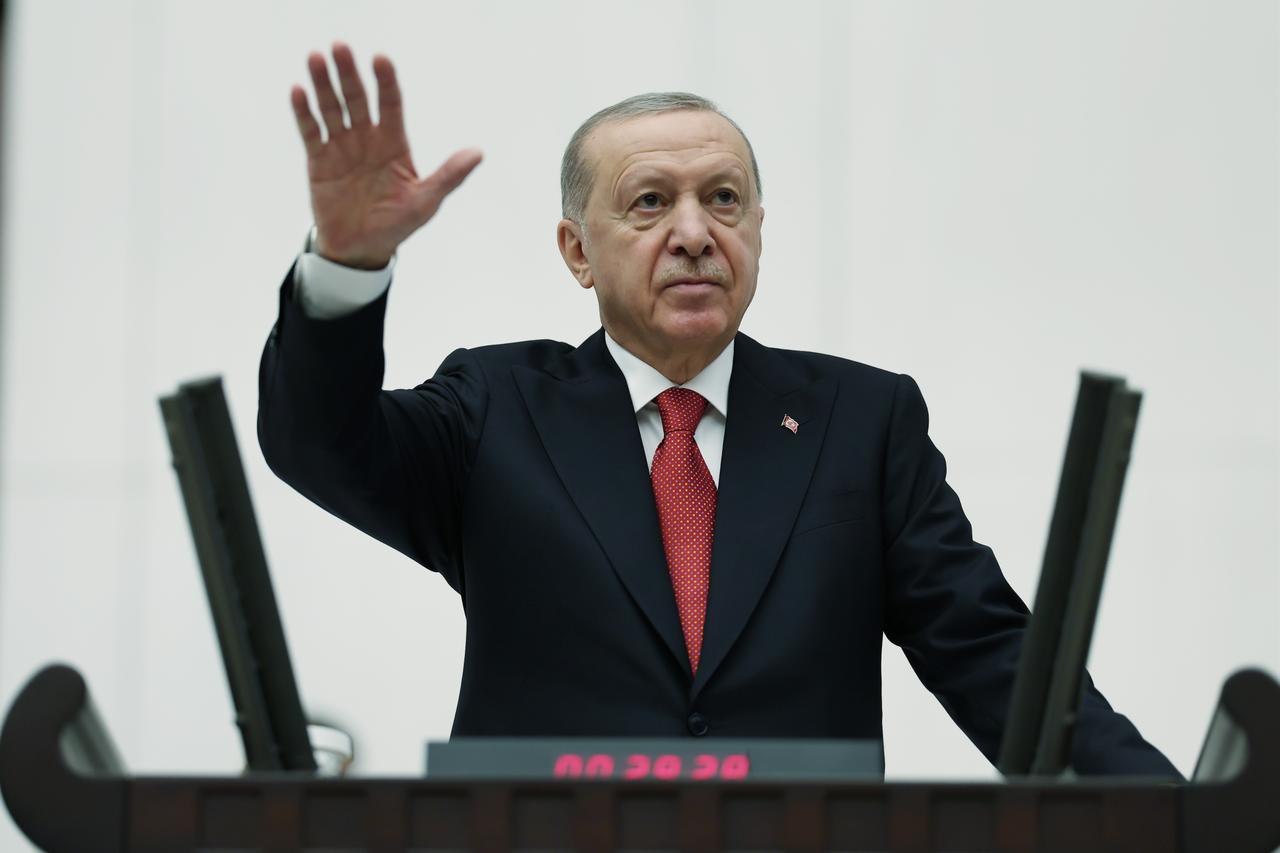
For CHP, this model is deeply problematic. Trump’s ability to work smoothly with leaders like President Recep Tayyip Erdogan reinforces precisely the kind of personalized governance style the party seeks to dismantle at home. Criticism of “one-man diplomacy” abroad doubles as an indirect critique of Türkiye’s current political system.
This explains why CHP rhetoric rejects what it calls the “Trump order” as unsuitable for global governance. The objection is not merely about U.S. policy choices, but about a system where institutions weaken and power concentrates in executive hands. Aligning with the EU becomes, in this sense, both a foreign policy choice and a domestic political statement.
Even assuming EU alignment is the correct long-term orientation, making it the centerpiece of a foreign policy pledge carries limited political payoff. Relations with Europe are already improving, particularly in defense and security cooperation, reducing the novelty of the promise.
Moreover, the assumption that better relations with Brussels can compensate for a fragmented global order may underestimate the scale of change underway. Europe itself is economically strained, strategically cautious, and internally divided on security architecture.
By anchoring its vision so firmly to the EU, CHP risks appearing more restorative than innovative—offering continuity with a past order rather than a roadmap for navigating a transformed one.
One of the more striking outcomes of this realignment is the inversion of long-standing political roles in Türkiye’s foreign policy debate. Despite its nationalist partner, Devlet Bahceli openly floating ideas of closer Russia–China alignment, the ruling AK Party has, in practice, emerged as the political actor most capable of working with the U.S. system as it currently exists. Not through rhetoric, but through adaptability.
Unlike CHP’s declared worldview, the AK Party frames its Western engagement through autonomy rather than alignment. Its cooperation with the United States and NATO operates on a transactional basis, shaped by defense ties, crisis diplomacy, and leader-level bargaining. This has allowed Ankara to remain plugged into American strategic circuits even as the broader Euro-Atlantic order fragments.
CHP, by contrast, responds to the widening gap between the U.S. and Europe—accelerated by the Russia–Ukraine war and the EU’s sanctions against American technology firms—by defaulting to a classical EU-oriented posture. The party reads the divergence not as a space for maneuver, but as a choice that must be made. And that choice is now formally Europe.
CHP treats the EU as the legitimate heir to Western norms at a moment when the U.S. is seen as drifting away from them. Yet this stance also locks the party into a familiar framework at a time when Türkiye’s strategic environment is becoming multi-directional.
Equally important is what this framing overlooks. Türkiye’s decadeslong “Europeanization” was never only about belonging. It was about avoiding stagnation, resisting absorption, and using competitive pressure to modernize. Today, that pressure no longer comes from a single axis.
Neither opportunity nor threat flows exclusively from Europe anymore. Security risks, economic competition, and technological transformation now emerge from multiple directions. Türkiye’s motivations, strategic, economic, and political, have diversified accordingly.
By anchoring its vision so tightly to Europe, CHP risks treating Europeanization as an end in itself rather than one instrument among many. Only time will tell how strongly the CHP’s promises will resonate domestically.


 Set as preferred source
 Set as preferred source


 6 min read