

 Newsletters




Experts describe Türkiye-Iran relations as ‘frenemies’—neither fully friend nor fully enemy, sometimes one, sometimes the other, but always rivals. This rivalry dates back to the Ottoman and Persian states, marked by cycles of war and peace.
The dynamic has persisted in modern times: under the Justice and Development Party (AK Party) government, Türkiye voted against new U.N. sanctions on Iran’s nuclear program in 2010, yet by 2011, in the Syrian war, it found itself on opposing sides with Iran. Still, crucial energy and border trade acted as a lifeline for Iran under sanctions. Both countries have fought through proxies in Syria, Iraq and the South Caucasus, while Iran has sometimes cooperated with Türkiye against the PKK via PJAK—recognized by Türkiye as the Iranian offshoot of the PKK terrorist organization—and at other times used the group as a counterweight to Ankara.
This shared history is deeply embedded in the language; many Ottoman Turkish words have survived and continue to carry identical meanings in both modern tongues today. Among these are "dost" (friend) and "dusman" (enemy)—the very words that open the concept of a "frenemy.” This past weekend, U.S. and Israeli operations against Iran led to Iranian missile strikes not only on Israel but on American military assets across Gulf countries and targets in Iraq. In the midst of this ring of fire, Türkiye emerged unscathed in the first two days, hoping to be treated by Iran as a “friend” this time.
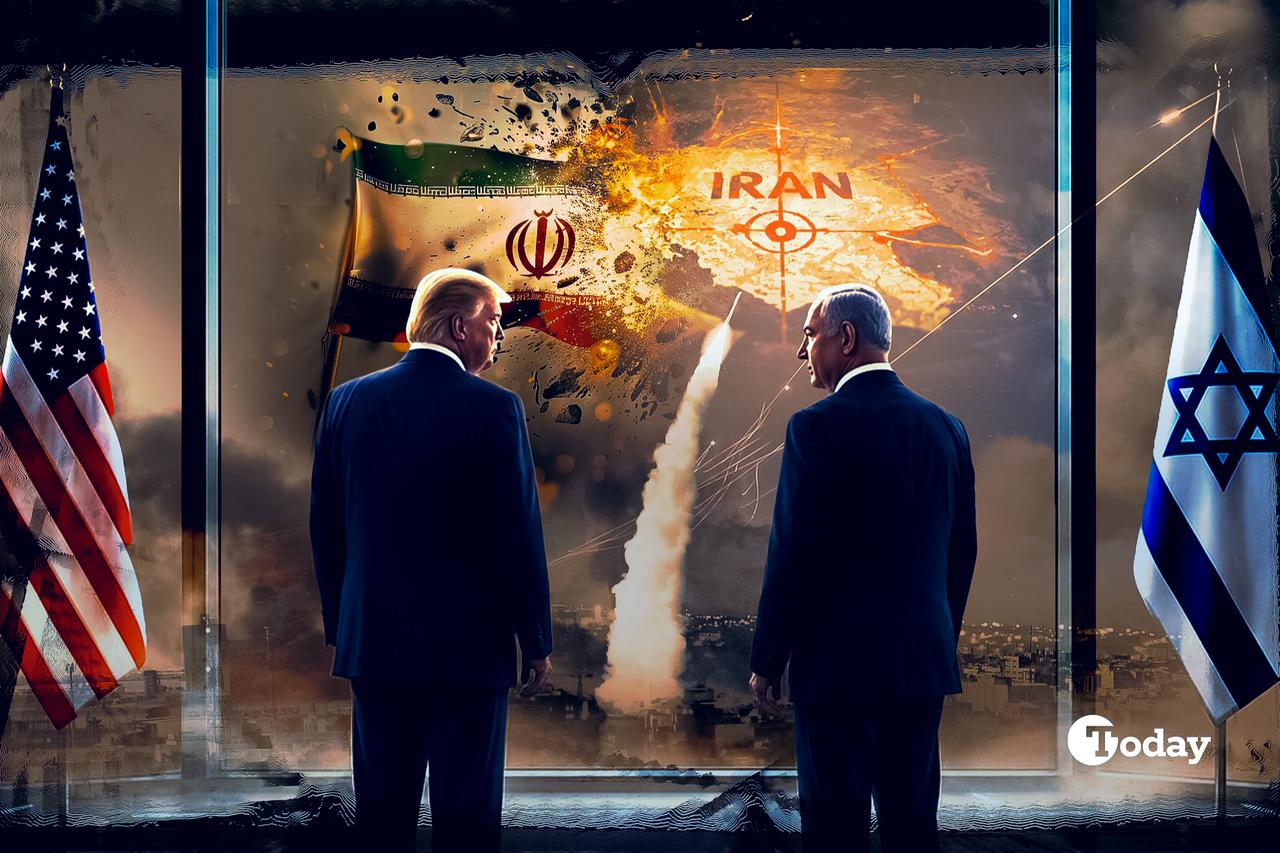
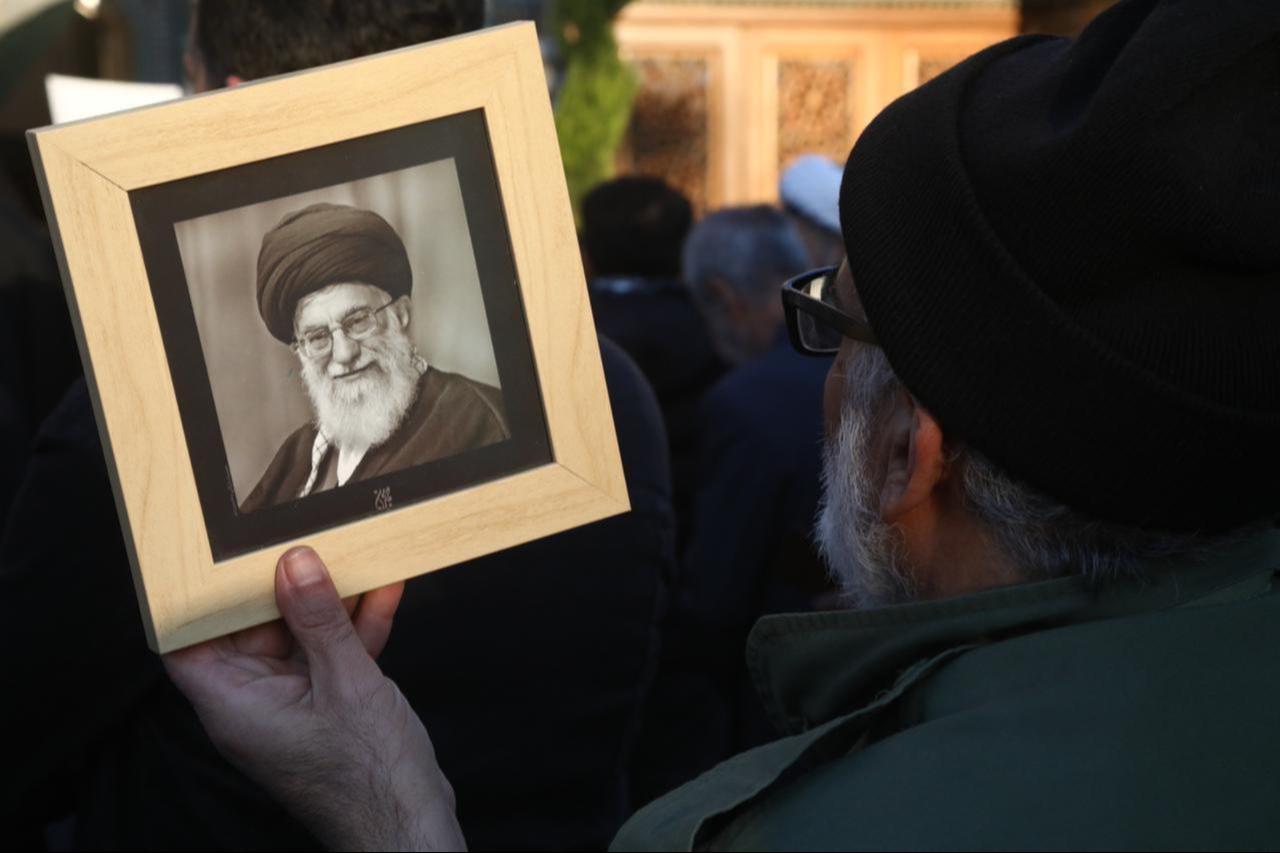
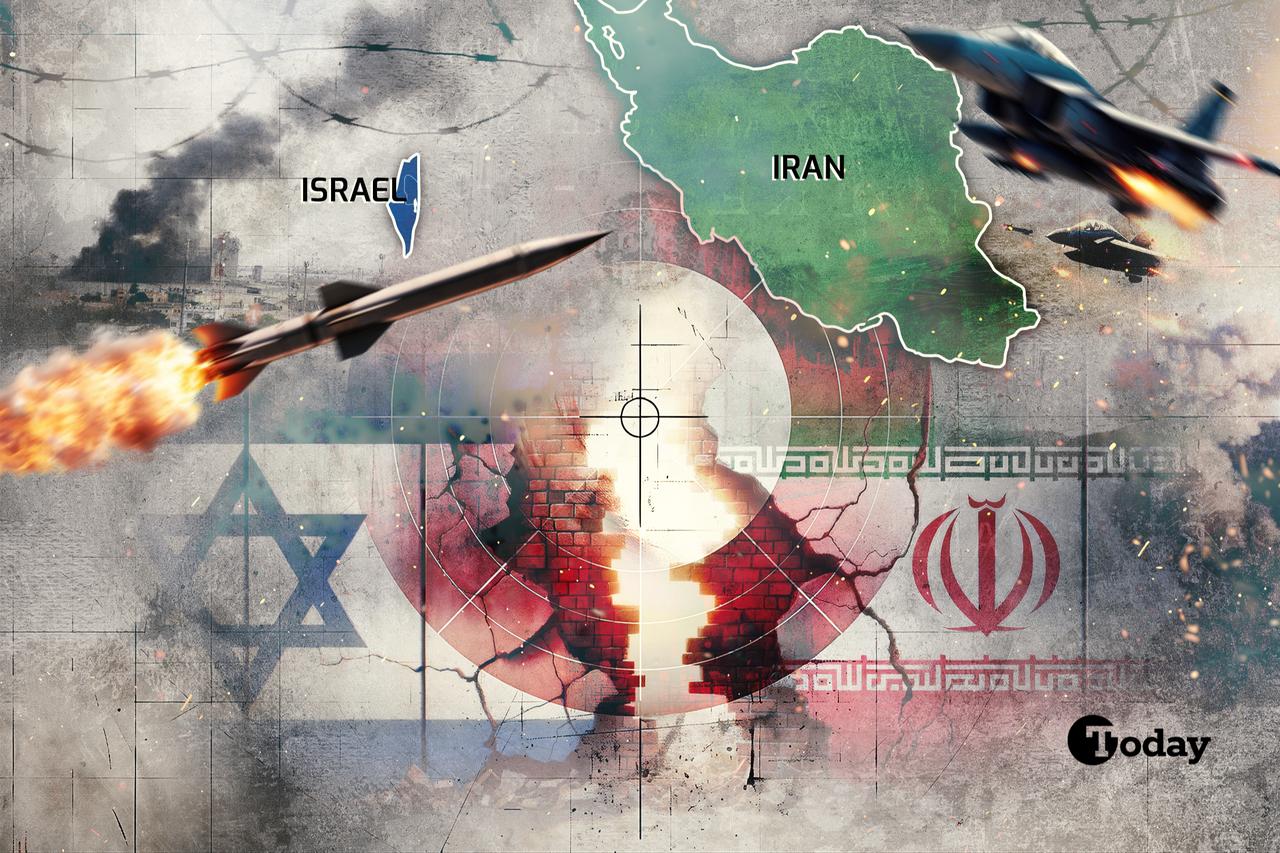
Despite ongoing negotiations between Tehran and Washington, on Feb. 28, Israel and the U.S. launched a coordinated attack on Iran through airstrikes. Compared with the 12-day war in June, early signals suggest that a broader cycle of attacks and counterattacks is underway. Previously, the U.S. had emphasized its goal of destroying Iran’s nuclear program and harming Iran’s ballistic missile capabilities. However, Trump and Netanyahu’s statements and the initial target selections indicate a campaign potentially lasting several days, if not weeks, aimed at regime collapse. The strikes targeted senior officials, including Supreme Leader Ali Khamenei, missile infrastructure to limit the main retaliation efforts, communications and media infrastructure—steps pointing to an extended conflict and further air campaigns. Both Trump and Netanyahu claimed these actions would pave the way for Iranians to rise against the government when the time is right.
Many experts, citing examples of Iraq and Afghanistan, argue on the one hand that without boots on the ground, regime change is unlikely, especially in Iran, where the Islamic Revolutionary Guard Corps (IRGC) does not revolve around a single leader, but is a vast institution backed by several centers of power.
Iran sees the conflict as a survival strategy and may welcome an expanded, prolonged war to unsettle its opponents’ hopes for a quick victory. Iran’s attacks on U.S. assets in the Gulf and Iraq, along with a message of support from Hezbollah in Lebanon, attack threats on U.S. targets by Kataib Hezbollah in Iraq and by Yemen’s Houthis, highlight the risk of regional escalation.
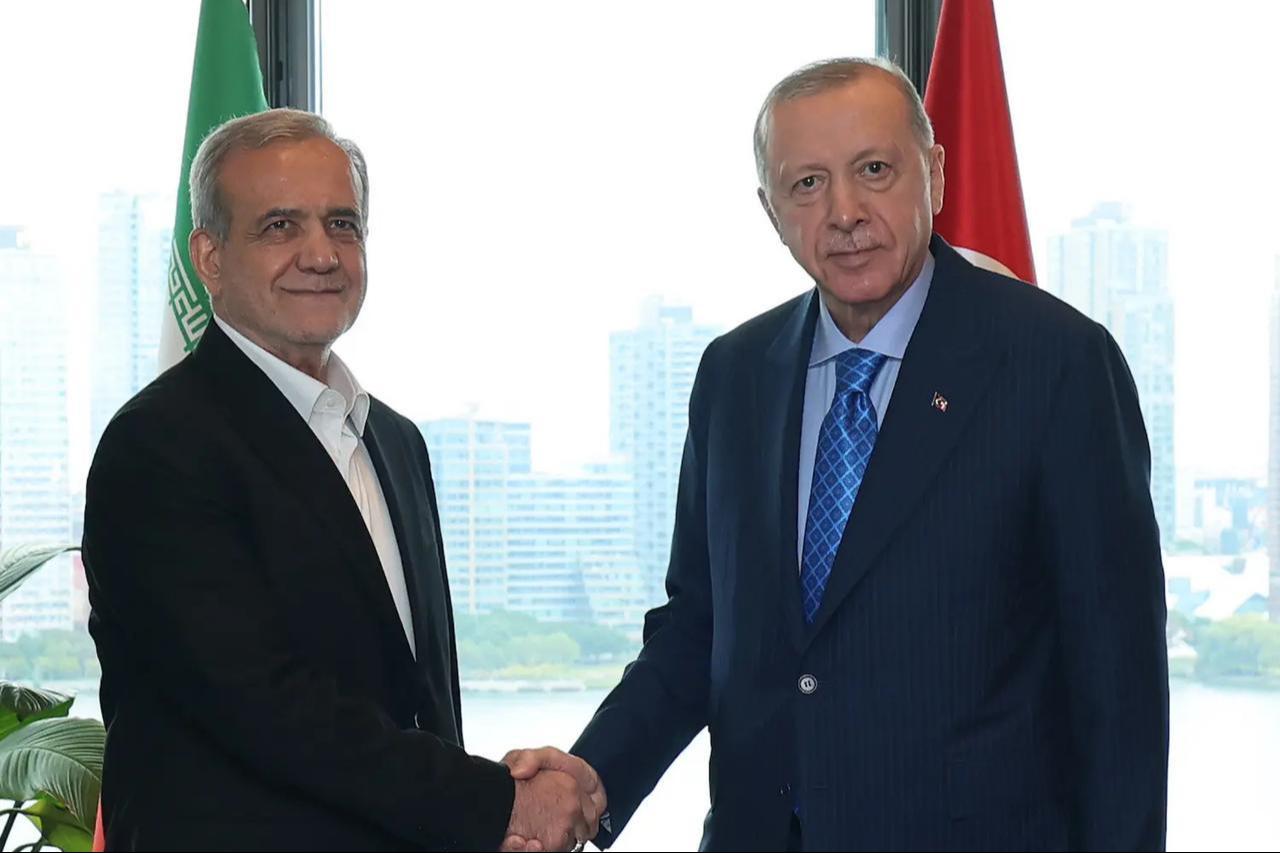

Since the Arab Spring, Iran and the Saudi-led Gulf countries have supported rival proxies in Syria, Yemen, Iraq and Lebanon; amid growing international uncertainty and signals from the United States of a gradual withdrawal from the region, Gulf states moved to normalize relations with Iran. The latest steps in this process were Saudi Arabia’s normalization of relations with Iran in March 2023 through Chinese mediation, followed by Bahrain’s normalization in 2024. In parallel to this process, during Trump’s first term, the Abraham Accords normalized Israel’s relations with the UAE and Bahrain, though Saudi Arabia conditioned its participation on progress toward a Palestinian state and security guarantees. Such a deal became harder after Israel’s violent operations in Gaza following the Oct. 7 Hamas attacks, as Saudi Arabia would like to see progress made toward the establishment of a Palestinian state to normalize its relations with Israel.
Since its first term, the Trump administration has aimed to decrease U.S. military presence from the region while leaving behind a Middle East where Israel’s security was ensured, Iran was no longer a threat, and regional partners were cooperating. A key element was regional air defense: Middle East Defense, a U.S.-led integrated air and missile defense effort based at Al-Udeid Air Base in Qatar under CENTCOM, linking Israel and Middle Eastern partners to counter Iran’s missile and drone threats. While this effort is likely still a work in progress, Saudi Arabia and the UAE reportedly shared intelligence with the U.S. and Israel—including radar data and advance warnings—prior to the first direct Iranian drone and missile attack on Israel on April 12, 2024.
During the 12-day war, Iran struck the U.S. base in Qatar for the first time, marking its first attack on Qatari soil. In the lead-up to the Feb. 28 attacks, Türkiye and Egypt, along with Saudi Arabia, Qatar, and Oman, engaged in intensive diplomacy to prevent a war between the U.S. and Iran. However, Iran’s response to the Israel-U.S. strikes over the weekend was far more extensive and could not shield the GCC countries from the conflict.
In the first two days of the war, Iran targeted all Gulf states hosting American military assets, as well as Iraq. In response, Qatar, Kuwait, Bahrain and the UAE temporarily suspended air traffic and publicly condemned Iran’s strikes on their territories. Although most targets were U.S. facilities, some civilians were also affected.
If the conflict spreads to energy infrastructure or causes civilian harm, Gulf states could escalate, especially given their position along the Strait of Hormuz, where Iran’s control could disrupt oil shipments, spike prices and pressure their economies. While a full closure would also hurt Iran, the IRGC could selectively block Western tankers, threatening Gulf security and stability without cutting flows to allies like China. Iran’s Revolutionary Guards reportedly said the Strait of Hormuz was unsafe after U.S. and Israeli attacks, halting passage of vessels through the vital oil and gas route.
On one hand, the overthrow of the Assad regime in Syria and Israel’s weakening of the Iran-led axis across the region, and on the other, Türkiye’s close ties with the central government in Iraq, its growing presence in Azerbaijan and the South Caucasus, and its alignment with the U.S. on regional issues have given Türkiye a significant advantage in the Türkiye-Iran regional competition. This has caused serious unease in Iran—so much so that just a few months after the regime’s fall in Syria, Defense Minister Yasar Guler blamed Iran for failing to cooperate with Türkiye against PKK elements in Iran.
While Türkiye welcomes the weakening of the Iran-led axis, Iran’s descent into chaos is certainly not a desirable outcome in terms of creating a power vacuum in the region.
During the 12-day war, Türkiye provided Tehran with daily intelligence on the PKK and its Iranian branch, PJAK, which were transferring armed forces from Iraq to Iran in anticipation of a regime collapse, enabling Iran to carry out successful operations. In October 2025, Türkiye implemented U.N. sanctions targeting Iran’s nuclear and missile programs, and by the end of November, Hakan Fidan visited Tehran to discuss regional issues.
At this point, perhaps due to the support Türkiye extended to the regime in difficult times, and its role as an important energy, economic and neighboring partner, Türkiye had not suffered direct damage from the war by the end of the second day. However, if the conflict is prolonged and spreads to other regional countries, it could place Türkiye in a difficult position.
A prolonged war could trigger a migration wave into Türkiye and endanger its gas supply. Although Türkiye ended its oil trade with Iran in 2019 due to sanctions, Iran remains an important provider of natural gas. While Türkiye has several LNG deals lined up for the coming year, Iran’s own needs or attacks on its critical infrastructure could disrupt gas exports to Türkiye. A regime collapse would also pose a risk to Türkiye’s internal peace process with the PKK. In fact, on Feb. 22, five Kurdish groups, including PJAK, formed the “Coalition of Political Forces of Iranian Kurdistan” to pursue Iran’s regime overthrow, Kurdish self-determination and a democratic institution representing the Kurdish population of Iranian Kurdistan.
In terms of regional power dynamics, if the war drags on and spreads into the Gulf, Türkiye could find itself isolated against Israel and Gulf countries, which might draw closer in the face of a common adversary. During the Qatar blockade, Türkiye experienced the effects of regional isolation firsthand. To avoid such a situation, Türkiye is engaging in talks with Iran, the U.S. and Gulf states to try to prevent the conflict from spreading. If isolation becomes inevitable, Türkiye will likely avoid siding with either party, instead promoting de-escalation and pursuing mediation efforts.
Even as fierce rivals, the geographical proximity of Türkiye and Iran ensures that in times of crisis, the "friend" in their frenemy dynamic often prevails.


 Set as preferred source
 Set as preferred source


 2 min read
 1 min read


