Newsletters


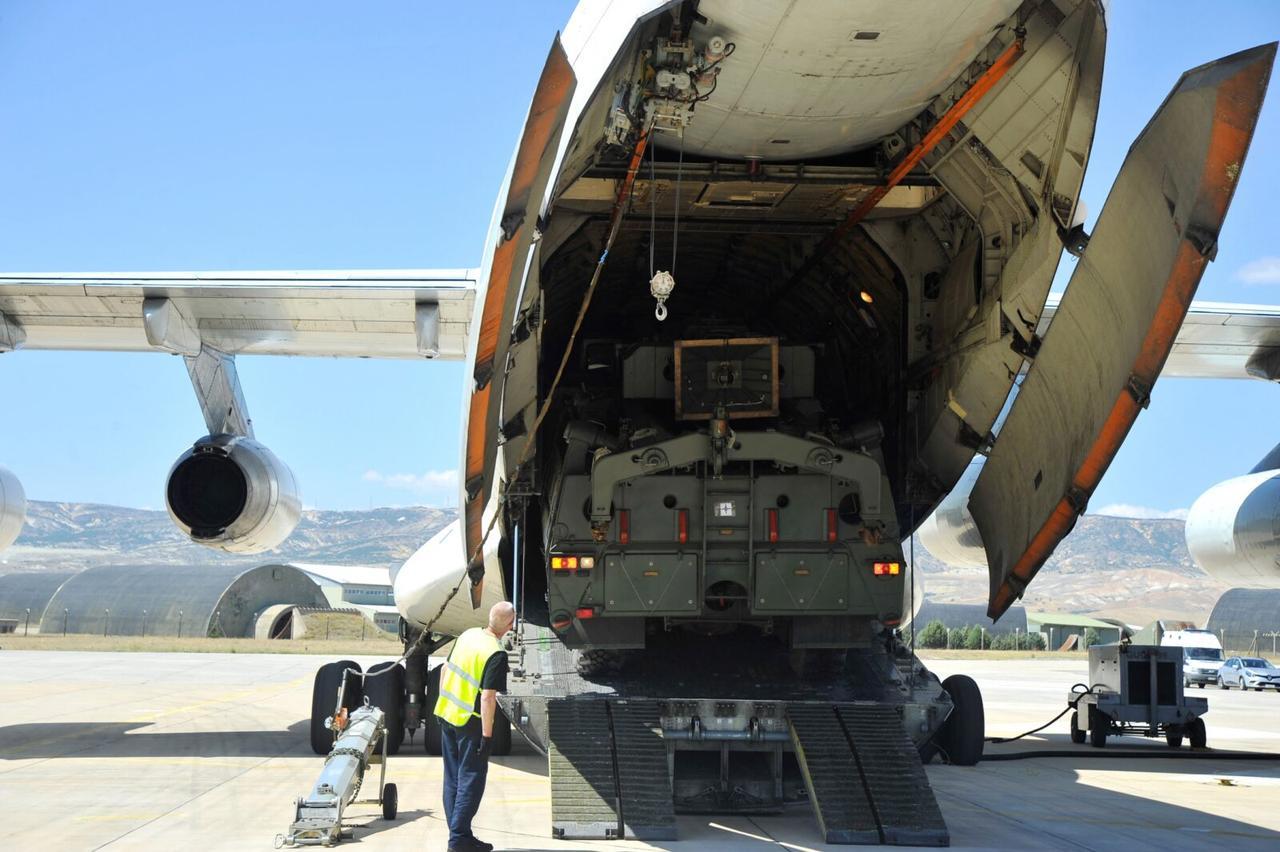
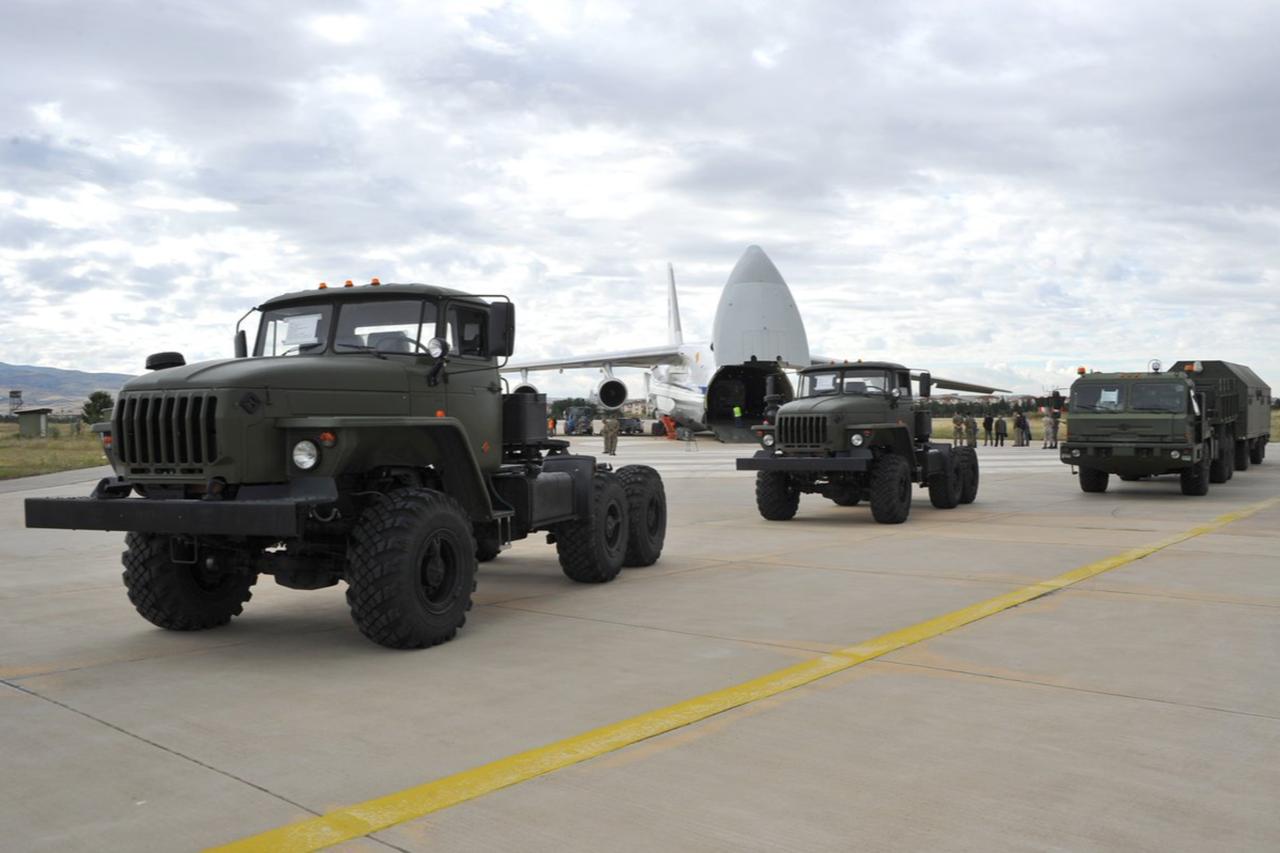
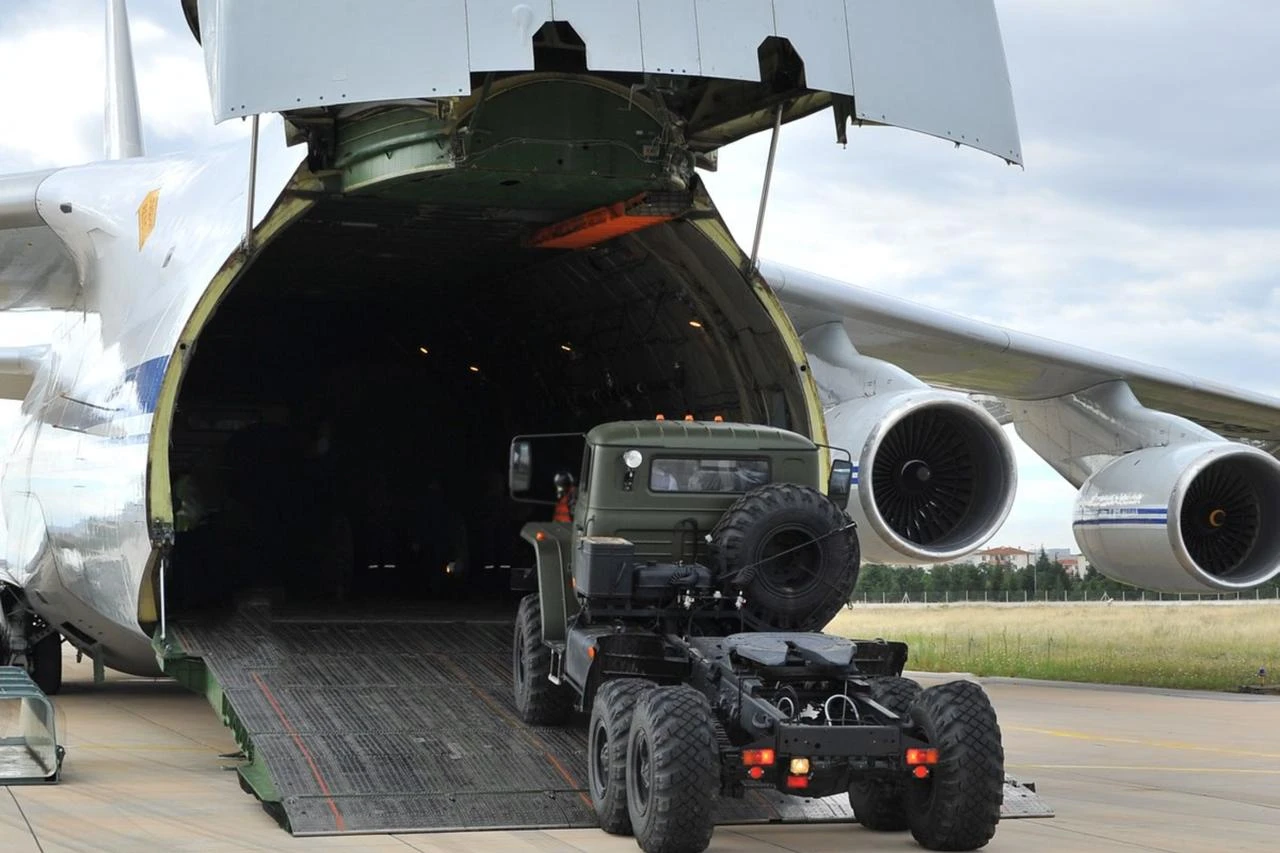
Israel pressured the United Arab Emirates (UAE) not to purchase Türkiye's Russian-made S-400 air defense systems, stalling a planned sale meant to help Ankara escape U.S. sanctions and reopen the door to F-35 fighter jets, according to a report by Haber7, which wrote that Turkish officials have since developed a new formula to work around the obstacle.
The report followed remarks by U.S. Ambassador to Türkiye Tom Barrack in New York this week, where discussions on the sidelines of the United Nations General Assembly (UNGA) included Barrack's view that resolving the legal and regulatory issues surrounding Türkiye's purchase of the Russian S-400 air defense system will take time regarding lifting Countering America's Adversaries Through Sanctions Act (CAATSA) sanctions on Ankara and "disposing of" the S-400 system.
Turkish media outlet Hurriyet columnist Abdulkadir Selvi reported roughly two and a half months earlier, on July 10, that the S-400s were being sold to a Gulf country, which Turkish media circles later identified as the UAE.
Since that initial report, no new developments or official confirmations have emerged to verify the transaction.

According to the report, citing information the columnist had obtained, the delay is not caused by any obstacle from Russia.
Ankara and Moscow, Selvi wrote, had in fact reached common ground through their own negotiations on the matter.
Instead, the real reason for the delay was Israeli pressure on the UAE government not to acquire the S-400 system from Türkiye.
Selvi said Israel's motive was clear: it does not want CAATSA sanctions lifted or Türkiye's path back into the F-35 program reopened. He wrote that Israel, which he described as holding significant influence over the UAE, had so far succeeded in preventing Emirati leadership from reaching a final decision on the S-400 matter.
It is reported that Ankara has since developed an additional new formula aimed at resolving the issue and is now trying to reach a final decision through that approach.
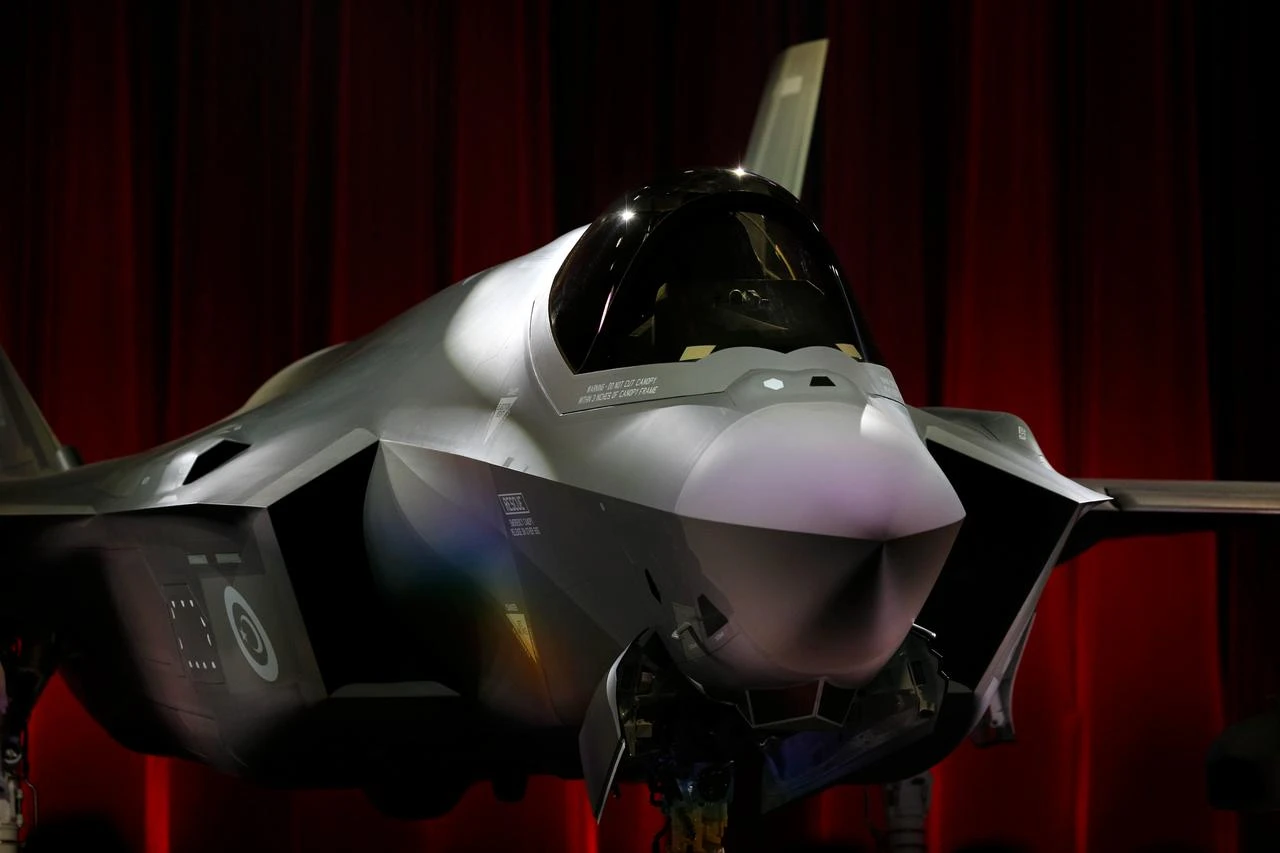
Türkiye's 2019 purchase of the Russian S-400 system triggered its removal from the U.S.-led F-35 program and the imposition of CAATSA sanctions, with Washington arguing the S-400's presence alongside the F-35 could allow Russia to learn details of the jet's radar signature and stealth capabilities.
Türkiye has consistently argued the two systems could coexist without security risks and has proposed a joint technical commission to examine the issue.
The dispute left six Turkish-funded F-35s stranded in the U.S. and Ankara seeking either reinstatement in the program or reimbursement of the roughly $1.45 billion it had already invested.
Momentum toward a resolution built following the NATO summit hosted in Ankara in July, when Trump signaled he was open to lifting CAATSA sanctions and reconsidering F-35 sales to Türkiye, with Turkish Foreign Minister Hakan Fidan saying the following month that the CAATSA lifting decision had "effectively already been made."
The Wall Street Journal (WSJ) reported in mid-July that Türkiye was in talks to transfer the S-400 batteries to the UAE, with a formula under discussion that would see the systems stationed in Dubai, adding another layer to the UAE's existing air defense architecture alongside its THAAD and Patriot systems; the U.S. was seen as open to supplying Türkiye with Patriot systems in return if the S-400 issue were resolved.
Any transfer would require Russia's approval under the original end-user agreement, though Turkish officials reportedly found Moscow receptive in principle.
By mid-August, however, a report by Semafor found the UAE talks had not advanced, leaving the F-35 purchase "at a standstill," according to people familiar with the matter, with one option, disabling rather than fully transferring the S-400, risking further pushback from U.S. lawmakers who interpret the sanctions law as requiring full divestment.
Sen. Rick Scott, R-Fla., told Semafor: "I don't think they should have F-35s unless they're going to be a true partner … so if they have the S-400, they cannot have the F-35."
A senior Turkish official had separately said in July that a transfer of the S-400s to the UAE specifically had "not been discussed in those specific terms," even as broader CAATSA and F-16 discussions were described as proceeding positively.


 Set as preferred source
 Set as preferred source


 1 min read
 1 min read