Newsletters


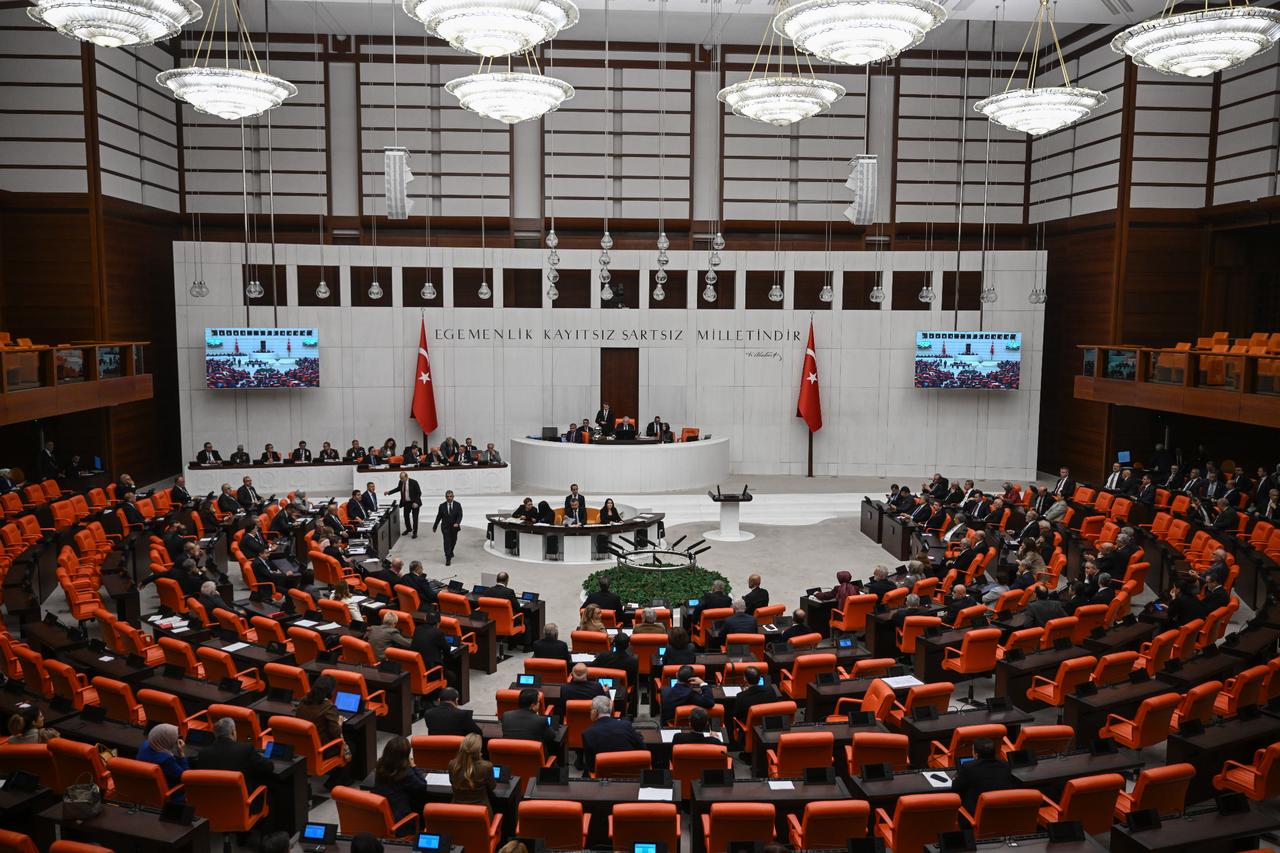


The Turkish parliament on Wednesday approved the first article of the Mecca Joint Defense Agreement with Pakistan and Saudi Arabia, as the former chief of the general staff warned that the threat of a third world war is becoming increasingly real.
"People are talking about World War III. The footsteps of war are real," Hulusi Akar, who currently serves as the chairman of parliament's National Defense Commission, said. "We see such agreements as necessary to protect ourselves, strengthen our rights and interests, and consolidate our sovereignty."
Lawmakers at the Turkish Grand National Assembly (TBMM) moved to consider the individual articles of the proposed agreement after completing general discussions on the legislation. Under Article 1 of the agreement, the parties pledge to use all necessary means if any member faces a threat to its sovereignty, territorial integrity, or internationally recognized borders.
After the first article was approved, the parliamentary session was suspended and later adjourned until 2:00 p.m. (11:00 a.m. GMT) after the relevant commission failed to return to its place.
The three-article bill submitted provides for the domestic approval of the 16-article Mecca Joint Defense Agreement, signed by Türkiye, Pakistan and Saudi Arabia on Aug. 7, 2026.
Its first article formally approves the agreement's ratification, while the second stipulates that the law enters into force upon publication in the Official Gazette. The third assigns responsibility for implementing the law to the president.
The international agreement establishes a mutual-defense framework among the three countries, committing them to protect one another's independence, sovereignty, and territorial integrity.
Article 2 sets out the agreement's central collective-defense provision, stipulating that an armed attack originating outside any one of the three countries will be considered an attack against all three. The other parties must immediately assist the country under attack using available resources, including military capabilities.
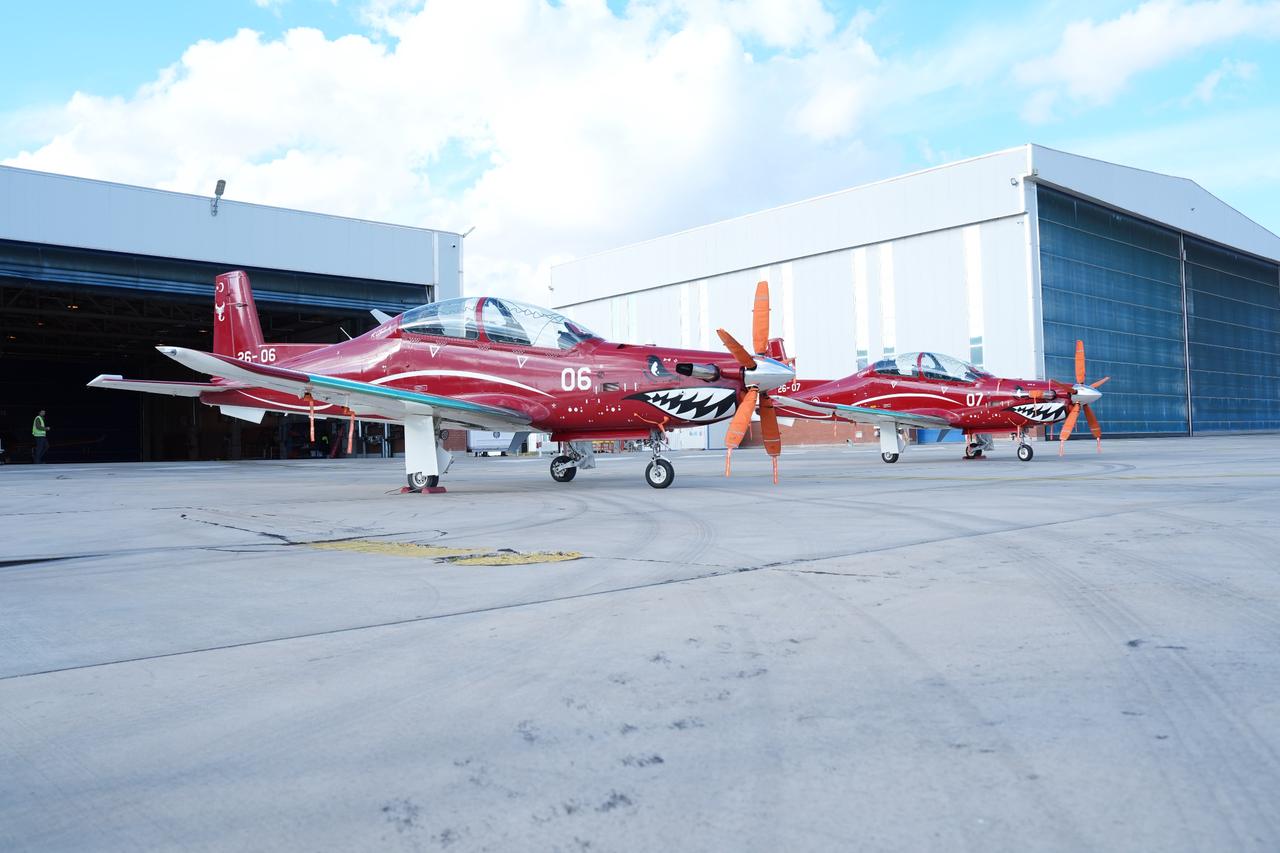
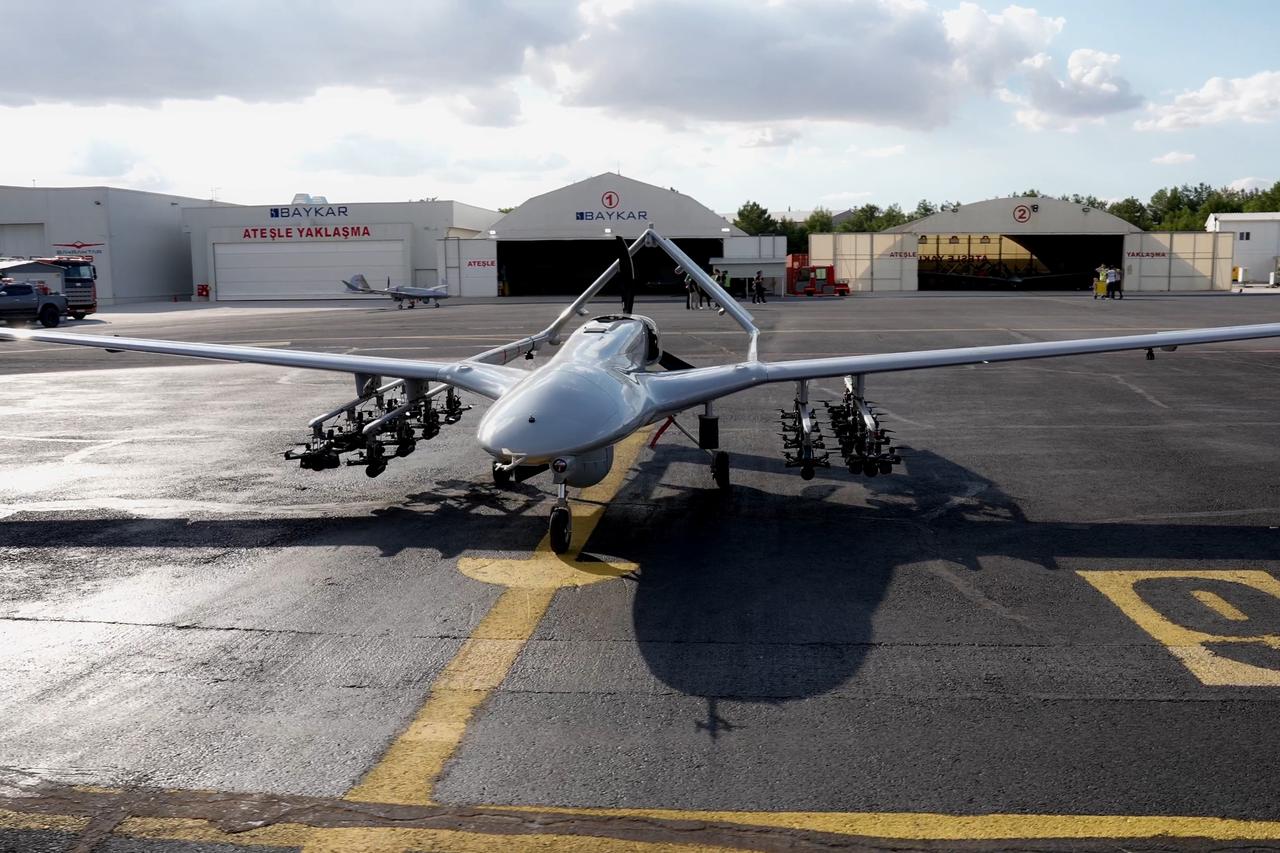
The remaining provisions cover defense and security cooperation, counterterrorism, intelligence sharing, joint military exercises, defense-industry collaboration and logistical support.
The agreement also establishes a Strategic Political and Defense Committee to oversee cooperation, provides mechanisms for protecting classified information and resolving disputes, and sets out procedures for amendments, ratification, entry into force and withdrawal.
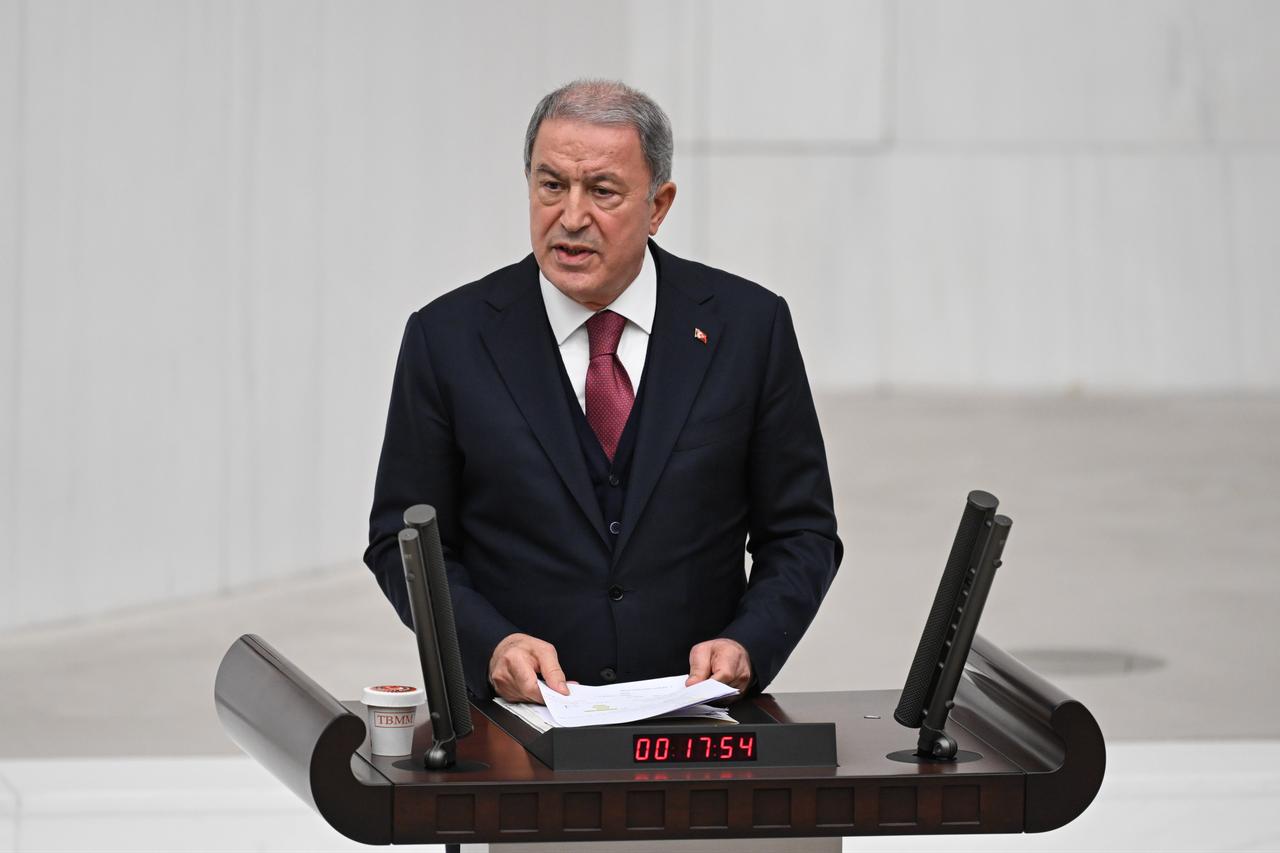

Akar pointed to ongoing conflicts, proxy wars and growing security uncertainties across Türkiye's surrounding region. He noted that countries are increasingly looking for new forms of cooperation, with many of these efforts resulting in military alliances and agreements.
Akar also questioned the effectiveness of the international institutions established after World War II, particularly the United Nations, arguing that they are increasingly struggling to fulfill their functions as the global order shifts toward multipolarity.
"I see all of these institutions, particularly the United Nations, facing serious disintegration and deterioration. We see that they are losing their functions considerably. The world is moving toward multipolarity," Akar told lawmakers.
Turning to the agreement with Pakistan and Saudi Arabia, Akar stressed that Türkiye already maintains military cooperation agreements with both countries. He described the Mecca arrangement as an extension of those existing ties rather than an alternative to Türkiye's NATO membership.
"We have military cooperation agreements with both Pakistan and Saudi Arabia. This agreement further develops these relations. This agreement is not an alternative to NATO. It is a complementary partnership," he said.
Akar also addressed concerns about potential military commitments, stressing that any deployment of Turkish troops abroad would require parliamentary authorization.
He added that other countries could join the arrangement if they expressed interest, but their participation would also require approval from the Turkish parliament.


 Set as preferred source
 Set as preferred source


 1 min read
 1 min read