Newsletters


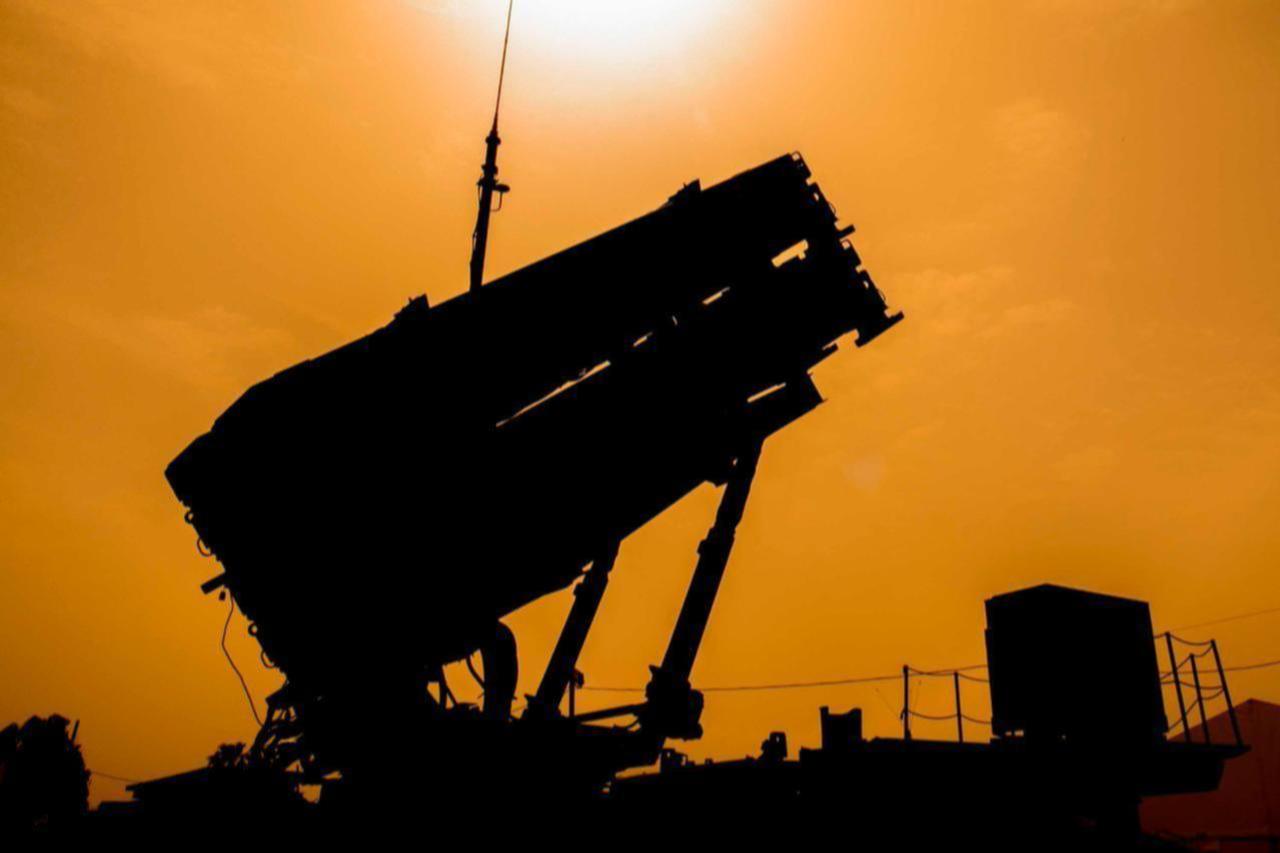
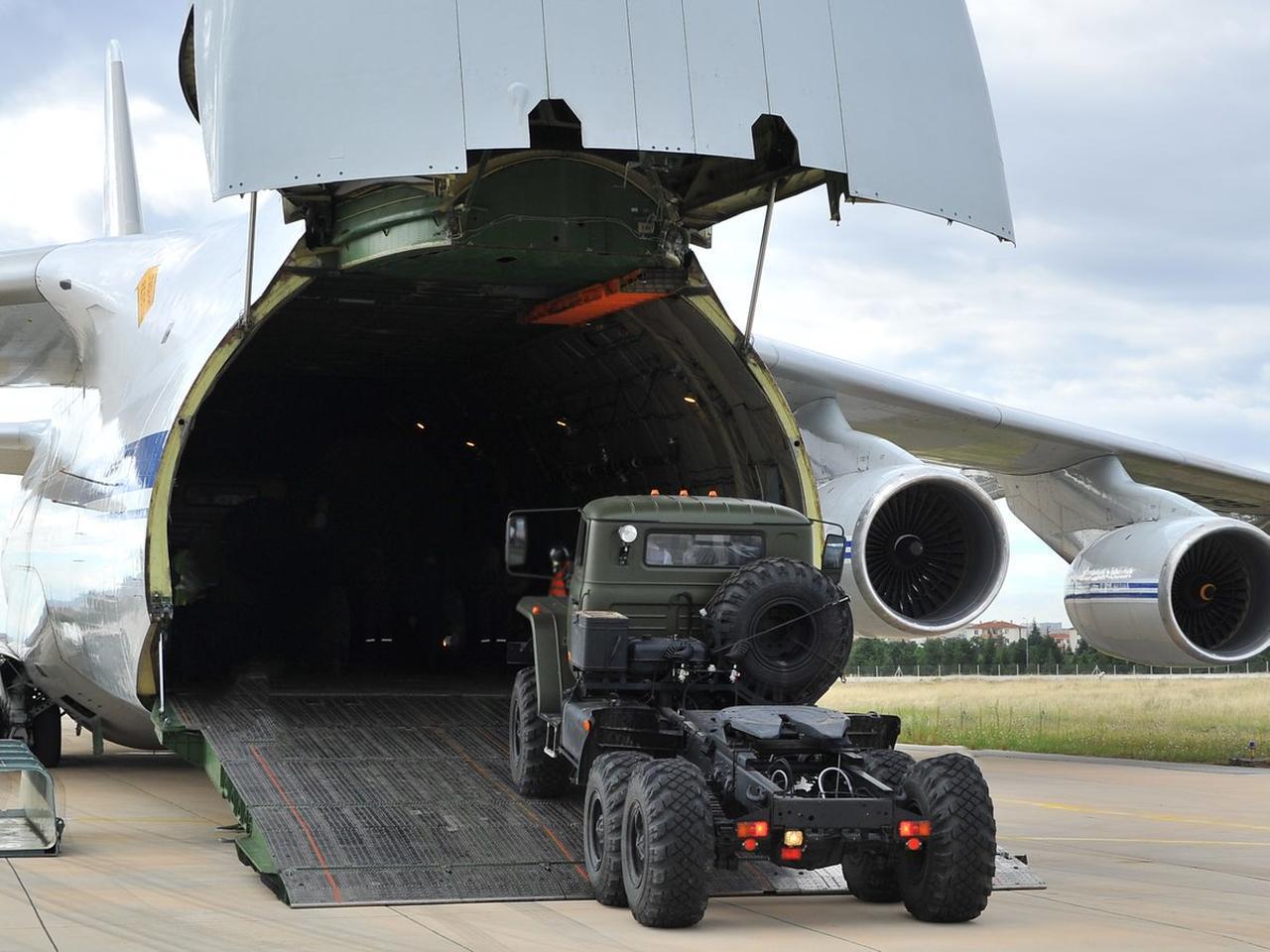
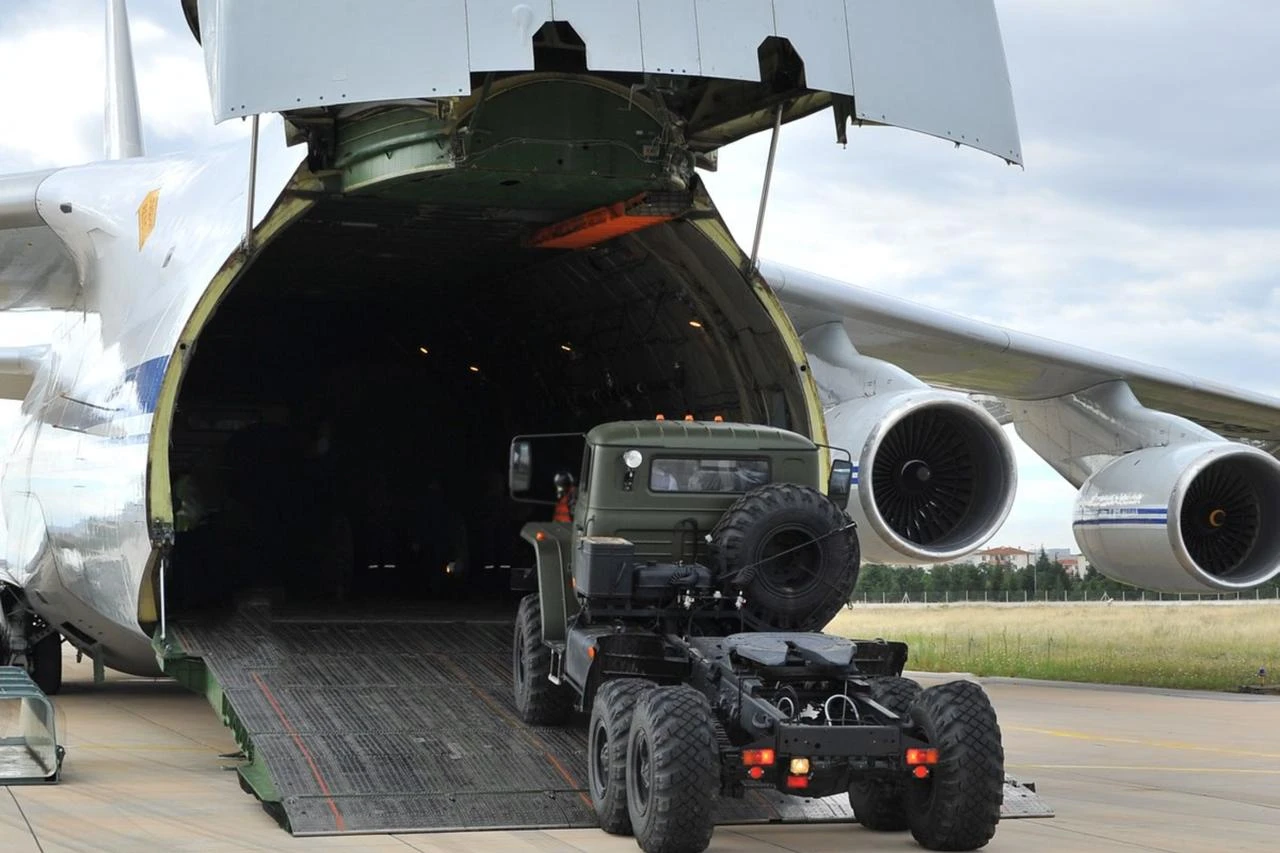
U.S. Ambassador to Türkiye Tom Barrack said that resolving the legal and regulatory issues surrounding Türkiye's purchase of the Russian S-400 air defense system will take time, while stressing that defense cooperation between Ankara and Washington remains "essential."
Speaking to reporters on the sidelines of the United Nations General Assembly in New York, Barrack said Türkiye and the U.S. are working through requirements imposed by Congress on the S-400 issue.
"The U.S. Congress is doing a great job. They have so many constituencies that they have to respect," Barrack said, adding that the matter is governed not only by the Countering America's Adversaries Through Sanctions Act (CAATSA) but also by the National Defense Authorization Act (NDAA).
He cited a recently announced $100 million transaction involving Boeing commercial jets as an example of continued economic engagement between the two countries.
"Again, it takes time, but the defense cooperation between Türkiye and the U.S. is essential," Barrack said, adding, "They're the second-largest NATO ally. We rely on them tremendously for all sorts of regional alliances."
In earlier remarks outside the Turkish House in New York, Barrack said the S-400 dispute "will be resolved," describing U.S.-Türkiye relations as "closer than ever" as teams from both countries work "tirelessly" to address bilateral and regional issues.
Asked whether the onus for resolving the dispute rested with Türkiye, Barrack said: "The ball is in many courts."
He said the dispute stems from U.S. legislation concerning the S-400 system's operational status, ownership and eventual disposal, calling it "not a critical issue. It's a relationship issue."
He noted that Türkiye has "a viable defense industry separate from the S-400" and said different countries hold differing views on how the matter should be resolved.

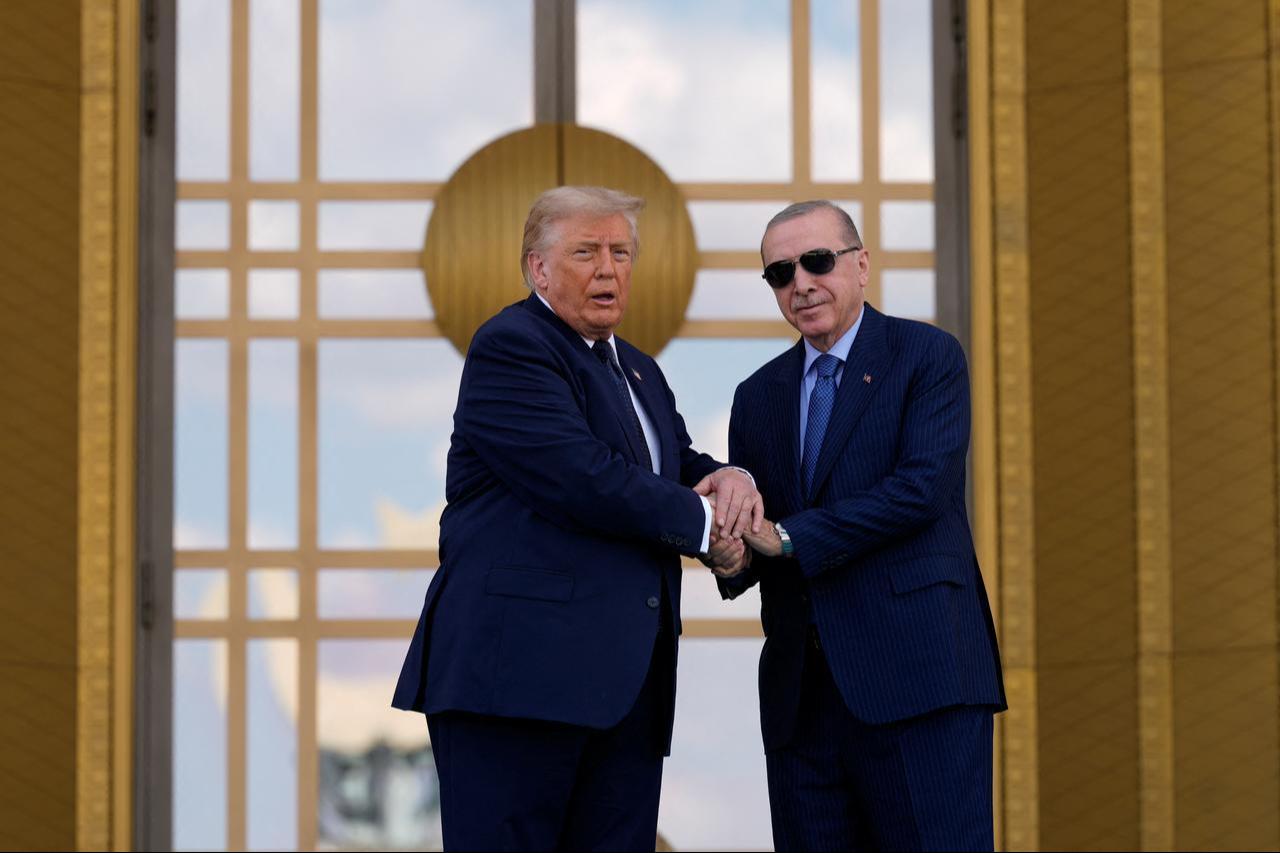
Asked whether informal exchanges between President Recep Tayyip Erdogan and U.S. President Donald Trump had produced new developments in bilateral relations, Barrack said the relationship had never been stronger.
"They've never been better," he said, noting the two leaders had already covered major bilateral issues during meetings the previous year, including at the NATO summit.
"We've covered all of the issues. The relationship is continuing," Barrack said, adding that the leaders communicate frequently amid regional tensions.
"So, there wasn't much new territory to cover. It's constant. The two leaders are very good with each other. They like each other, which really helps," he added.
He said most major issues are now handled at the ministerial and military level, "so, they're in good shape."
Describing informal conversations between the two leaders at a dinner during U.N. week, Barrack pointed to strong personal chemistry.
"Yeah, it's amazing. They have such an amazing respect for each other as leaders. But more than that, they have a chemistry with each other," he said, adding: "Even though there's this cultural divide, they're very much alike." Barrack praised Türkiye's role as a U.S. ally during periods of regional tension.
"Türkiye has been a great friend to America," he said, noting, "In these very difficult moments when things are tense, you find out who your friends are."
Asked whether Trump is satisfied with the current state of relations, Barrack said: "President Trump is never content. He's always trying to better the relationship," describing Trump's relationship with Erdogan as "very strong and appreciative."
Addressing a meeting between Trump and Gulf leaders, Barrack highlighted Türkiye's geographic position and its connections across multiple regions.
"Türkiye, with its pivotal geographic position and being a hub for everybody, is kind of in the middle between the GCC (Gulf Cooperation Council), Europe, the Caucasus, the Balkans, it's everything," he said, describing the meeting as an opportunity for leaders to engage with Trump around a shared message.
"Everybody from the notion of saying, let's get on with tolerance and peace in the world and move forward," he said.
 1 min read
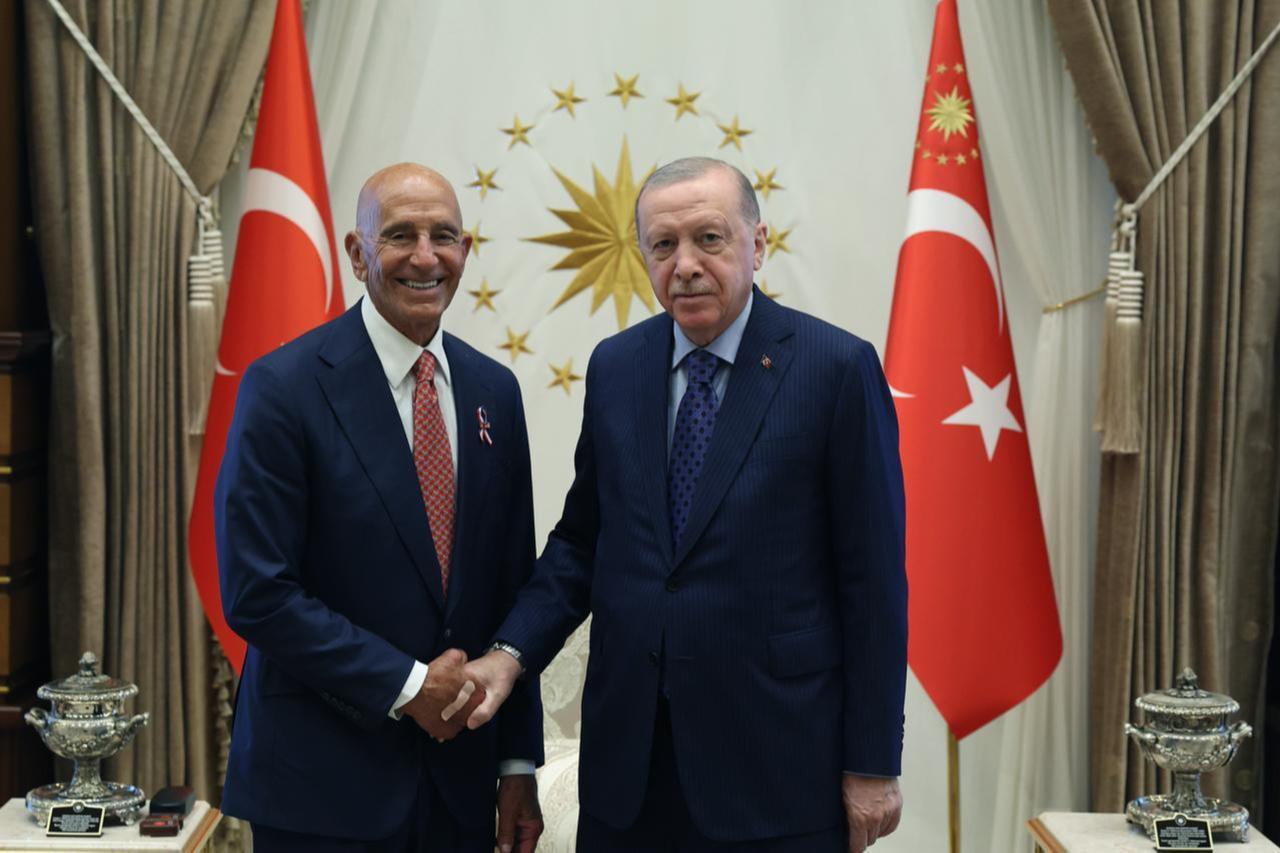
Asked about the outcome of a meeting held with Iran, Barrack said continued dialogue represented progress.
"With every step, every opportunity for dialogue, and there's a step in the right direction," he said, adding that U.S. special envoy Steve Witkoff was encouraged by the discussions.
"We're having more discussion, which is the right thing for all of us," Barrack said.
Asked whether he was optimistic about reaching a deal to end the war with Iran, Barrack said optimism was necessary given the lack of alternatives. "I am optimistic because we have to be optimistic. There's no option," he said, describing the situation as involving a cultural divide in which both sides had taken courageous positions.
"We just need to find some tolerance between that," he said, adding, "The region's ready, America's ready. I hope the rest is ready."
In earlier remarks, Barrack credited Türkiye with playing a constructive role in the Iran-U.S. dialogue, saying, "Türkiye has been very effective in this process, they have a great relationship with both sides and they understand the culture, so we are hopeful. But this is a process, not just a single event."


 Set as preferred source
 Set as preferred source


 1 min read