Newsletters


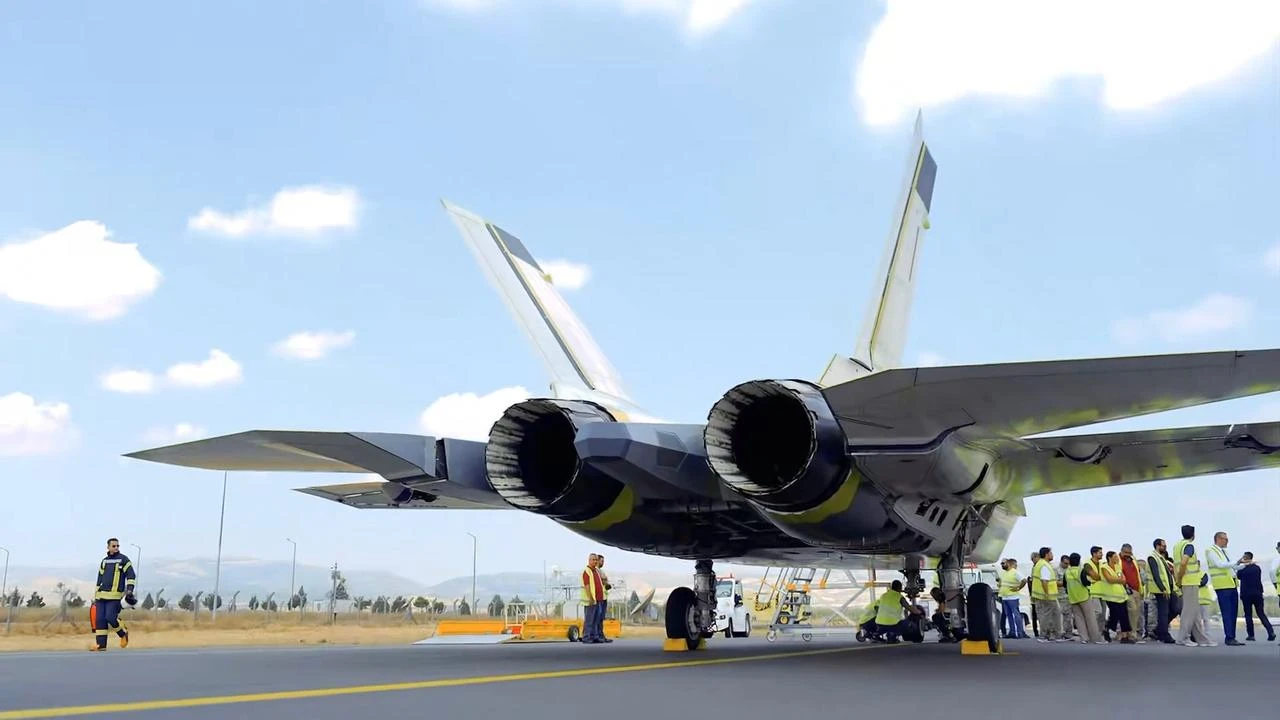
Türkiye's domestically developed KAAN fighter jet has begun pre-flight taxi tests, with Turkish Aerospace Industries (TAI) releasing footage of the aircraft's new prototype moving along the runway, as the ground trials that precede a maiden flight are expected within months.
The prototype, which has yet to receive its final paint scheme and was accompanied by technical teams in the footage shared on TAI's X account, is identified as the P1, the more mature aircraft designated to carry the weight of the fifth-generation program's flight-test campaign and keep the 2028 delivery target to the Turkish Air Force (TurAF) on track.
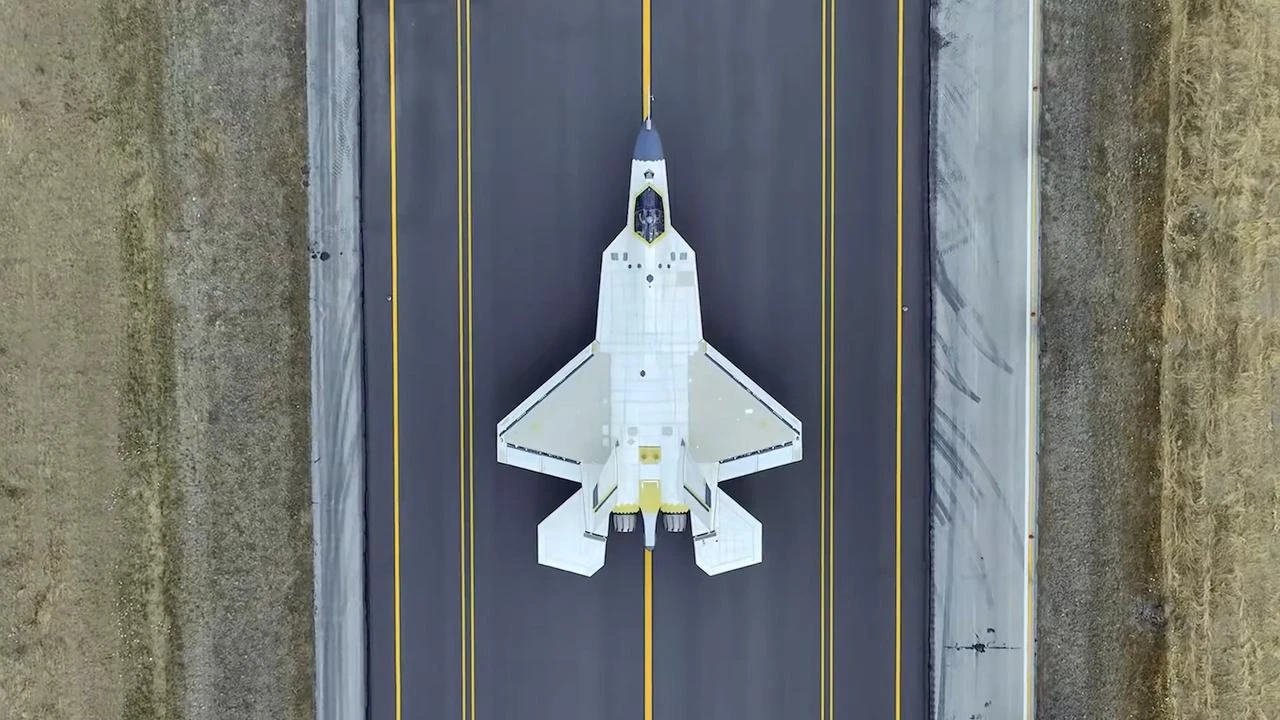

The taxi tests mark the start of ground trials ahead of flight testing for the new aircraft.
The prototype is the P1, the program's principal test aircraft, with an intensive flight-test campaign and an aggressive sortie count planned once it flies, progressively validating flight performance, avionics and different mission configurations.
The P0 prototype that made KAAN's maiden flight was built to verify the aircraft's basic flight characteristics, flight control system and core platform.
The P1 and P2, developed with feedback from that campaign, feature a more advanced systems architecture and will carry out comprehensive flight and systems-integration testing.
Production and integration work on the P2 continues in parallel, with its entry into flight testing intended to run validation activities simultaneously and accelerate the program schedule.
TAI CEO Mehmet Demiroglu set the timeline at the Farnborough Airshow: "We hope to see KAAN in the sky within a few months. We also aim to fly the second aircraft by the end of the year. Our goal is to have two KAANs flying one after the other, or side by side, at year-end."
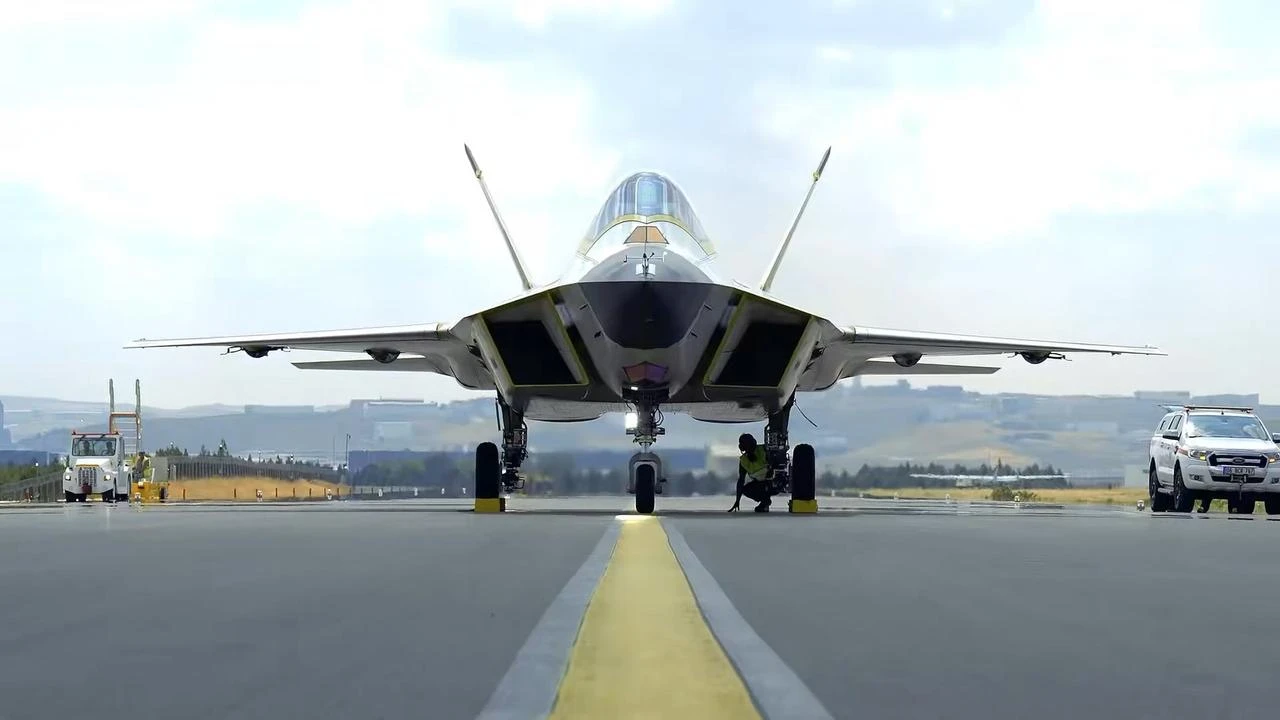
The P0 completed KAAN's 13-minute maiden flight on Feb. 21, 2024, reaching 8,000 feet and 230 knots, followed by a second flight of 14 minutes to 10,000 feet on May 6, 2024.
The 2028 timeline for first deliveries to the Turkish Air Force is being maintained.
The first production aircraft will be powered by General Electric F110-GE-129 turbofans, for which the U.S. cleared the export of 80 engines this month, with the indigenous TF35000 engine planned for KAAN Block 30 and subsequent configurations.
 2 min read
At 21 meters long with a 14-meter wingspan, KAAN is designed for a 55,000-foot service ceiling and Mach 1.8 top speed on twin F110s, with internal weapons bays, low-observable features, supercruise capability and a multirole mission structure as the Turkish Air Force's future backbone fighter.
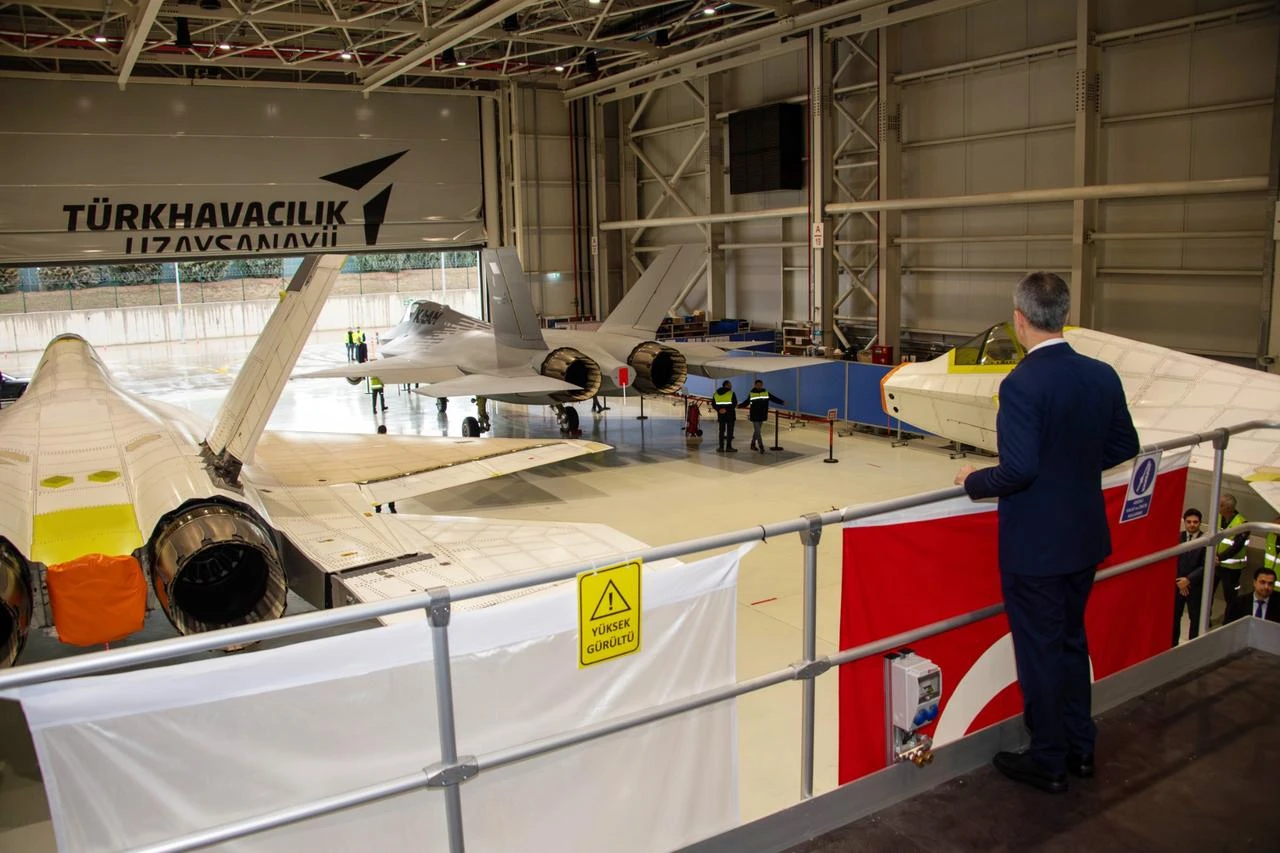
Alongside the flight-line prototypes, a structurally identical KAAN twin is being pushed to its limits in full-scale static testing (FSST), TAI detailed in its Gokvatan magazine, the ground campaign that underwrites the safe opening of the flight envelope.
The rig applies simulated aerodynamic loads through more than 200 synchronized high-capacity hydraulic pistons and over 300 custom load pads, while nearly 5,000 strain-gauge channels, LVDT displacement sensors, load cells and pressure sensors stream live structural data.
The program validates limit loads, proves the airframe's safety margin at 1.5 times limit load, correlates physical results with the digital finite-element model and builds the certification evidence base, including pressurizing internal fuel tanks and simulating high-altitude differential pressure on fuselage panels.
Loads are applied gradually under automatic cutoffs, with live data compared against design predictions to catch anomalies before they threaten the airframe.


 Set as preferred source
 Set as preferred source


 1 min read