Newsletters


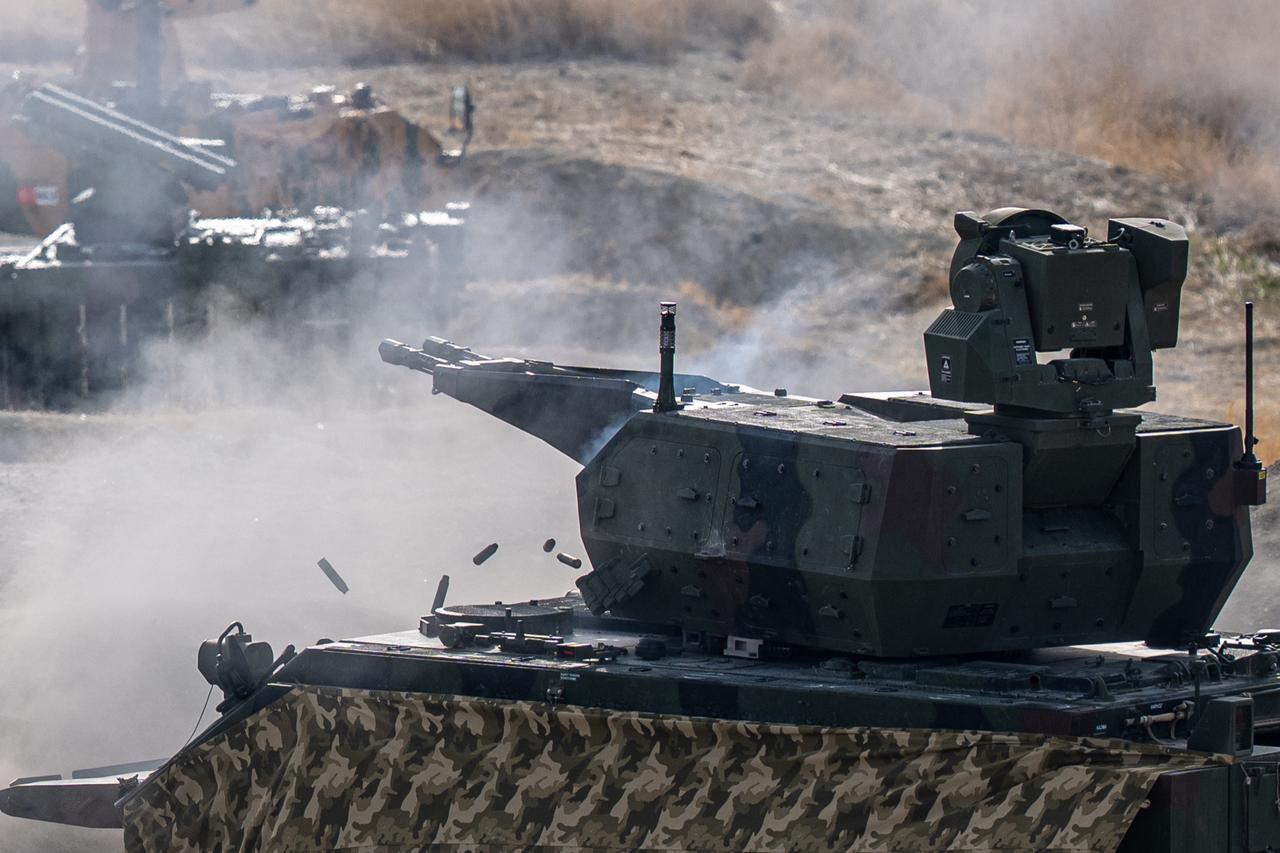


Turkish defense giant Aselsan's Korkut air defense gun system is operational in nine countries, including Gulf states and Ukraine, and has eliminated "maybe hundreds of drones," CEO Ahmet Akyol told the Financial Times (FT), as the company's Siper 1 long-range system recently destroyed a target in a firing test.
Systems such as Korkut are "the most feasible way of eliminating drones in terms of effectiveness and cost," Akyol said, adding the system is now "in nine countries, including some Gulf countries, and eastern European countries like Ukraine."
With Iran, Russia and the Houthis firing swarms of cheap Shahed-type drones, low-cost gun-based defenses like Korkut offer an alternative to interceptor missiles costing hundreds of thousands to millions of dollars each, fueling Türkiye's defense export boom.
"For one Shahed or one kamikaze drone, (the elimination cost by a Korkut) is less than $10,000," Akyol said, noting that "In the Ukraine-Russia war, in the recent Gulf conflict, using missiles (alone) is not (economically) feasible."
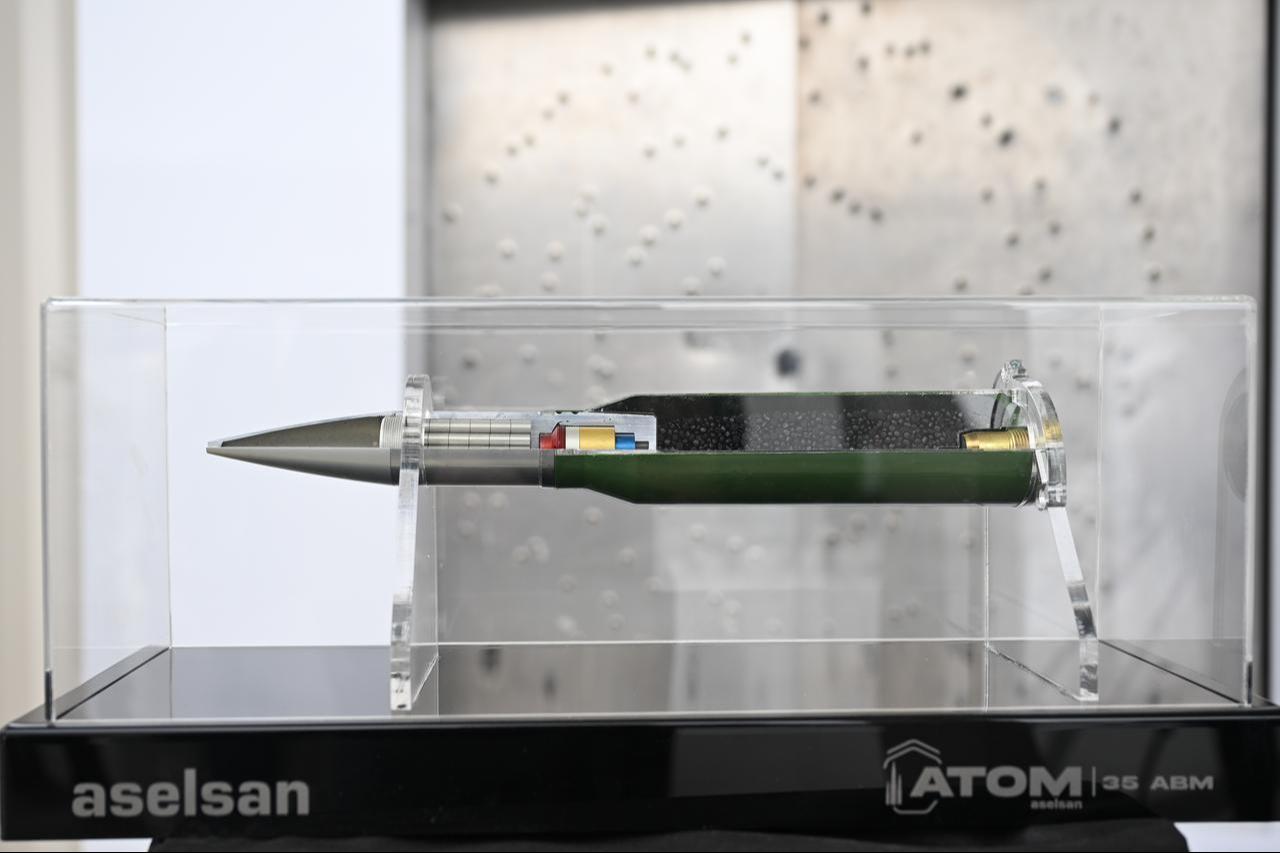
Korkut's programmable 35mm airburst rounds cost an estimated $1,000 each.
Ukraine's air force confirmed one Ukrainian unit had been equipped with an undisclosed number of Korkut systems, a rare on-record acknowledgment of Turkish defense supplies to Kyiv.
A Ukrainian official earlier told Middle East Eye (MEE) that Korkut had been "pretty much successful in countering the Russian attacks."
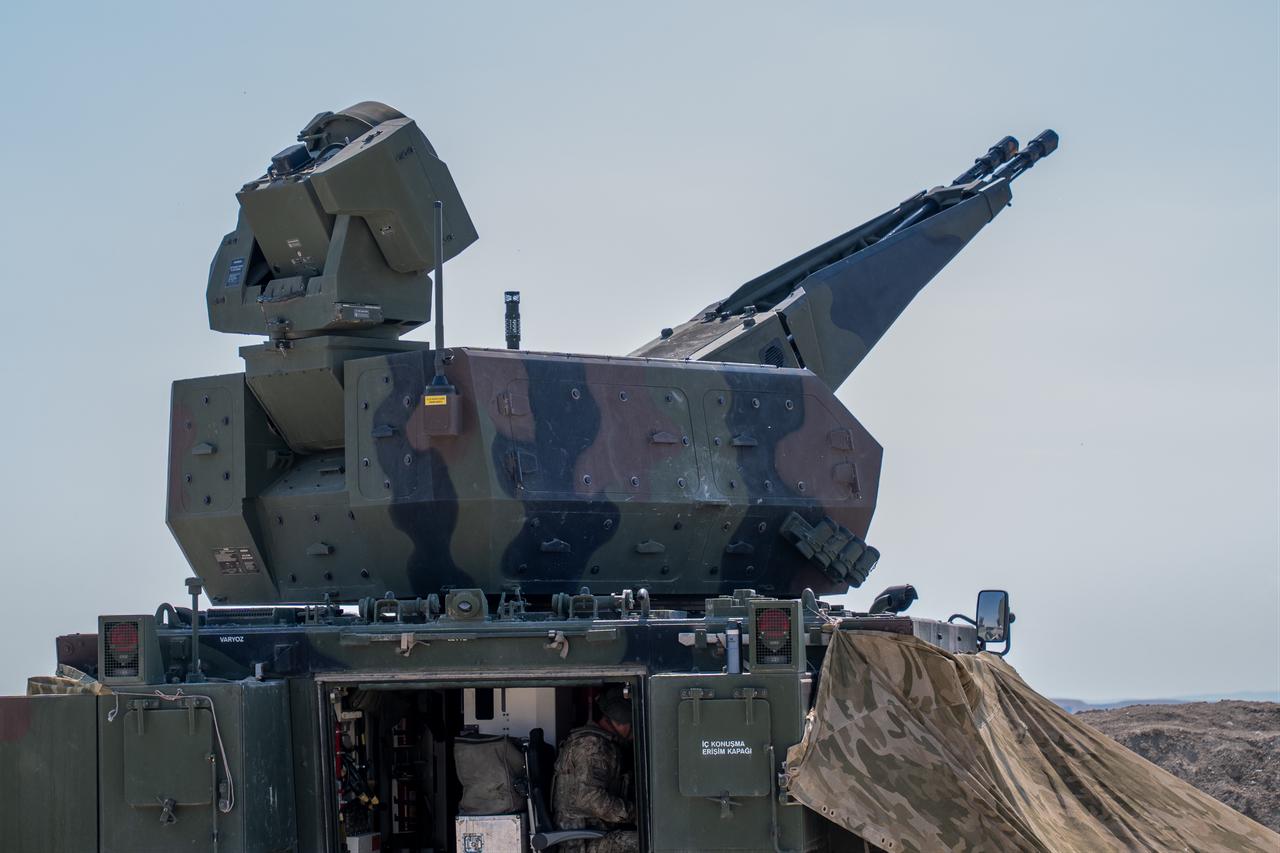
A Korkut battery consists of three weapon-system vehicles and one command-and-control vehicle, firing Aselsan's ATOM 35 airburst ammunition against drones, cruise missiles and air-to-ground missiles.

There is no public record of Korkut downing a jet-powered drone, but the system was designed "to shoot down low-flying aircraft and cruise missiles (flying) at high subsonic speeds of 700 to 900kph," said Wood & Company analyst Atinc Ozkan, who spoke to FT.
Korkut was part of a Turkish air defense network deployed in Libya in 2020.
"If you fly within 4km of a Korkut, you’re toast," a U.N. official said at the time.
"This experience has given Türkiye's defense industry a certain expertise against Russian-made systems," said Ankara-based defense consultant Arda Mevlutoglu.
"Arguably Türkiye's main defense-industry advantage is the speed with which it can test its prototypes," a senior NATO official told FT.
The Aselsan CEO Akyol said NATO allies remain Aselsan's core market, citing a $410 million electronic warfare deal with Poland, but the Gulf has become "a very important and very huge market."
International markets account for a quarter of sales, up from 8% in 2023, with a target of 50% by 2030, and the order backlog is close to $30 billion, he said.
On the Steel Dome air defense network, he said: "It is a modular system. You can integrate it into your systems, or you can use only one layer. It is plug and play."
 2 min read
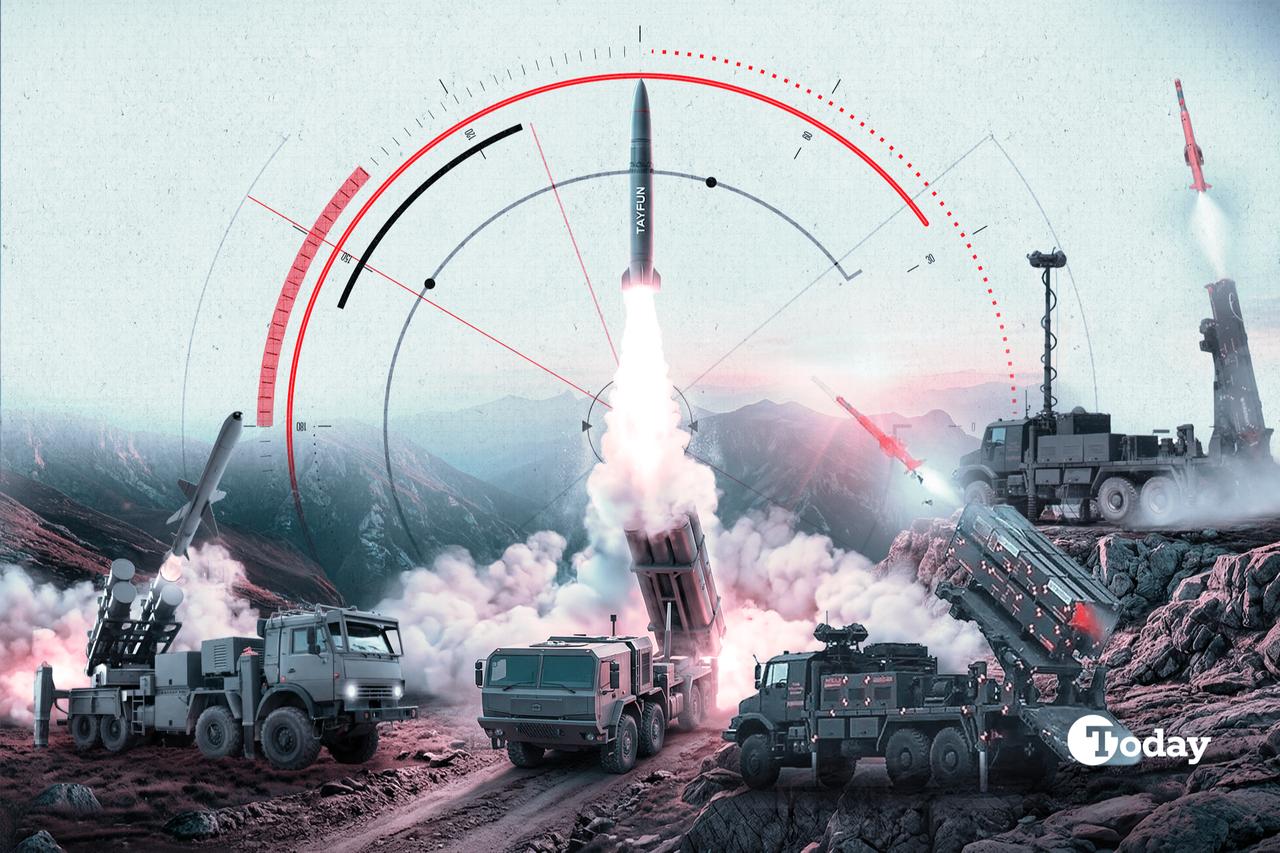
Türkiye's Siper 1 long-range air defense system recently destroyed its target in a firing test at the Sinop range, attended by Chief of General Staff Gen. Selcuk Bayraktaroglu and Air Force Commander Gen. Rafet Dalkiran.
Akyol called Siper the top layer of Steel Dome.
"We will continue to weave Steel Dome together, working day and night for every layer of our airspace," he wrote on X.


 Set as preferred source
 Set as preferred source



 1 min read