Newsletters


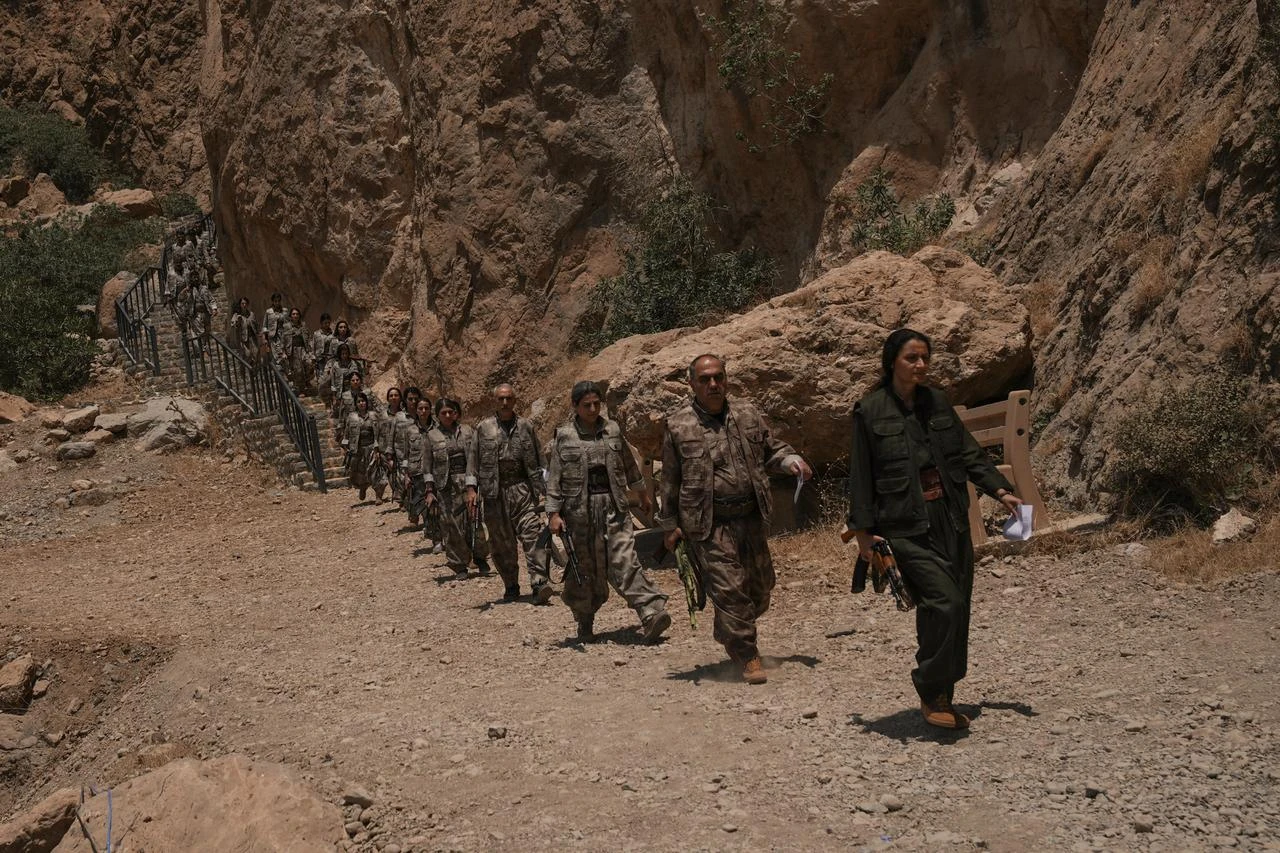


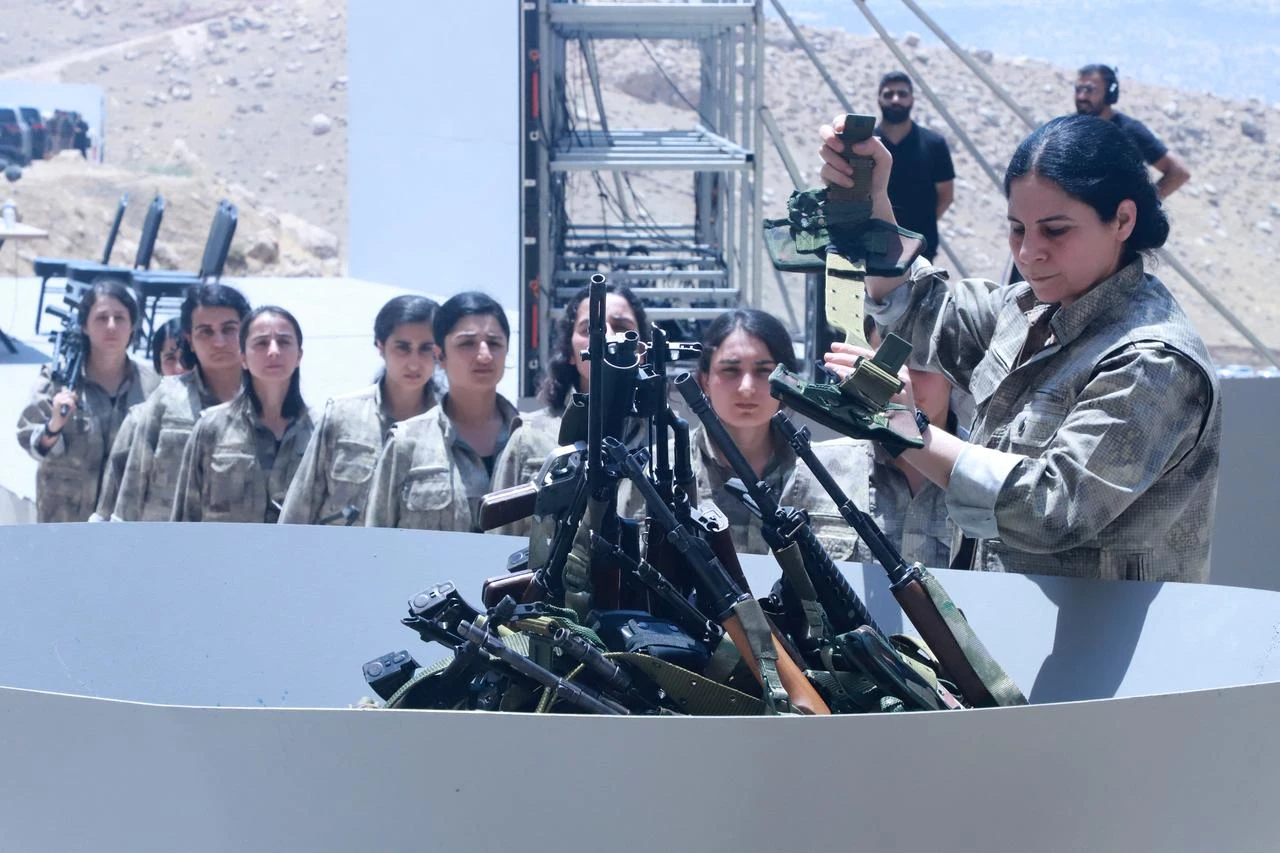
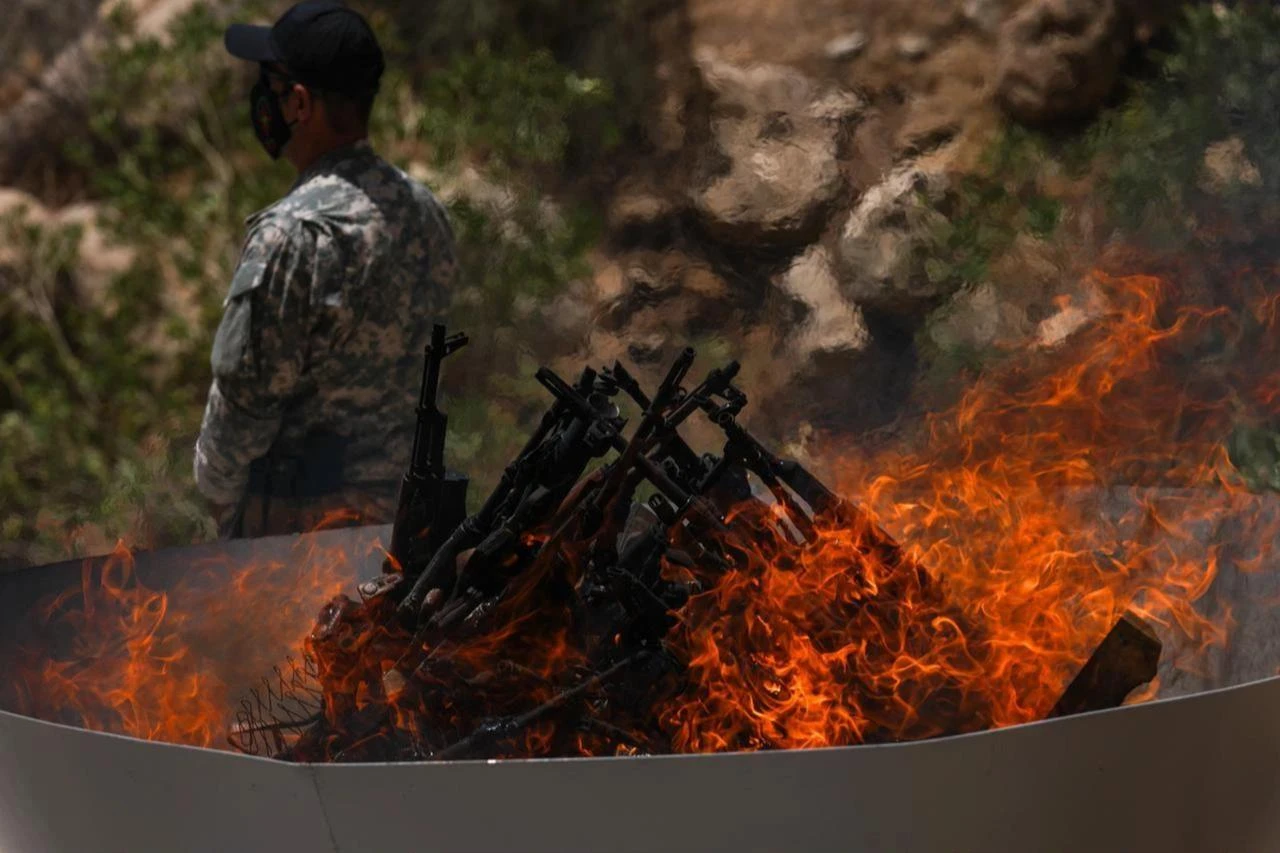
Turkish lawmakers are set to receive a bill this week that enables the terrorist organization PKK to disarm and allows its members to return to Türkiye.
Hurriyet columnist Abdulkadir Selvi outlined the bill's contents in a column on Tuesday, citing people familiar with the drafting process.
Selvi wrote that the "Terror-Free Türkiye" process enters an important week as legal measures enabling PKK disarmament and its members' return go to parliament.
The pro-Kurdish Peoples’ Equality and Democracy Party (DEM Party) had flagged some sticking points, Selvi wrote.
A delegation visited jailed PKK ringleader Abdullah Ocalan on Imrali Island on Sunday, according to Selvi's column. Ocalan stated that the process is not fully resolved yet, but there is no reason for a negative approach. He also said that the law produced by politics will be the key to opening the way for the process.
Turkish Parliament Speaker Numan Kurtulmus met Monday with ruling Justice and Development (AK) Party Deputy Chairman Efkan Ala and Group Chairman Abdullah Guler. Those talks resolved some remaining sticking points, according to the report. Negotiators narrowed restrictions on political activity for returnees and finalized the role of a commission that the vice president would head, Selvi wrote.
President Recep Tayyip Erdogan has instructed that the legislation pass before parliament's recess, Selvi noted, with the Turkish president saying Türkiye will not let those seeking to disrupt the process succeed.
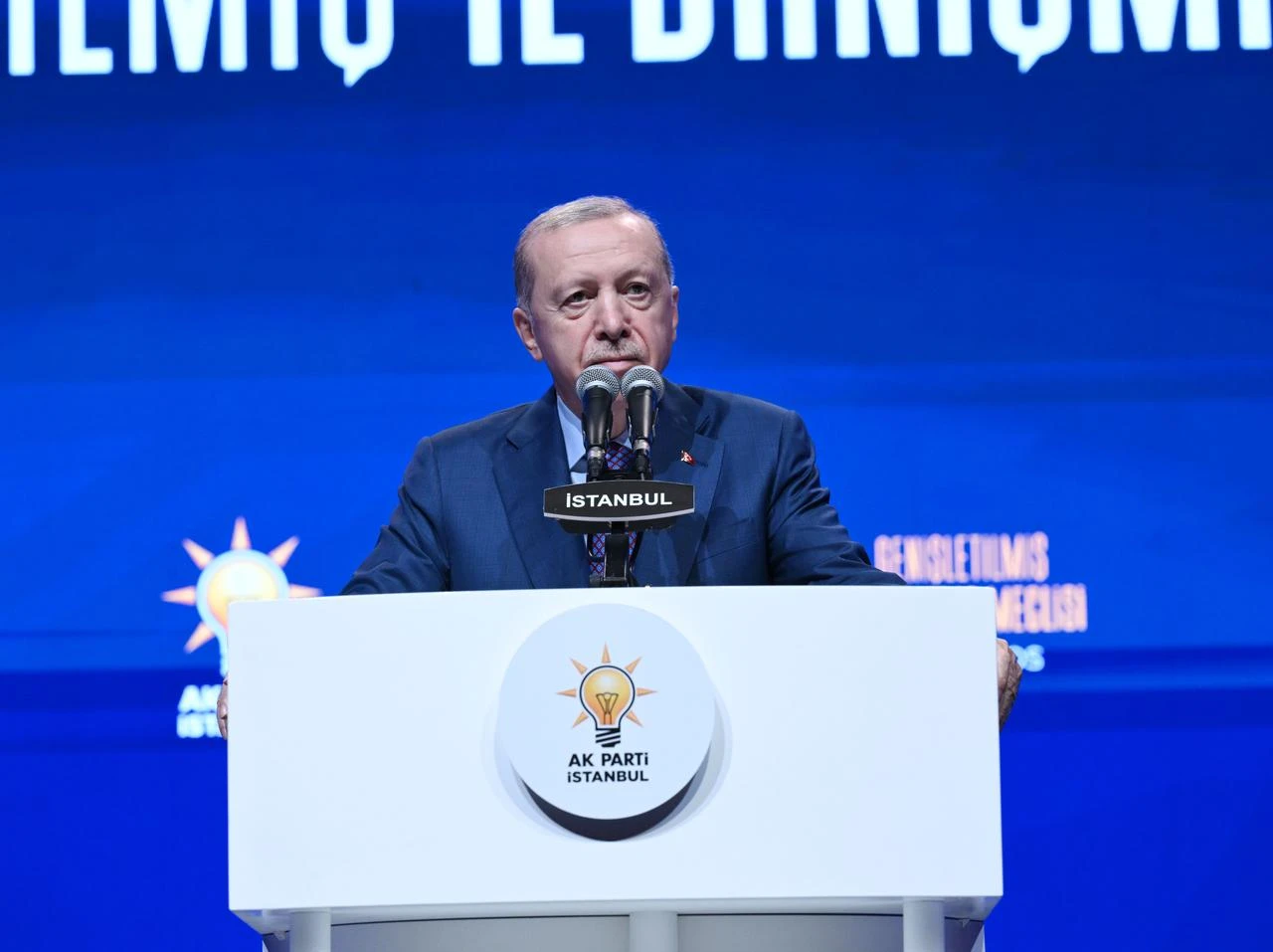

Selvi wrote that the bill would cover three groups: PKK members in Syria and Iraq, members living abroad, and individuals currently convicted of PKK membership.
The measure would be temporary.
After its passage, PKK members would have six months to lay down their arms and return to Türkiye. Those who disarm could participate in political activity after three years, provided they commit no new crimes, Selvi wrote.
He noted that the bill would exclude three specific groups: Ocalan, the roughly 180 PKK leaders based in northern Iraq's Qandil mountains (including Cemil Bayik and Murat Karayilan), and anyone who has killed Turkish soldiers or police officers.
Selvi also cited figures for those eligible under the bill. Approximately 2,800 PKK members are located in northern Iraq, while between 1,000 and 1,500 Turkish-citizen members are in Syria. Additionally, Turkish prisons currently hold 3,900 individuals already convicted of PKK membership.
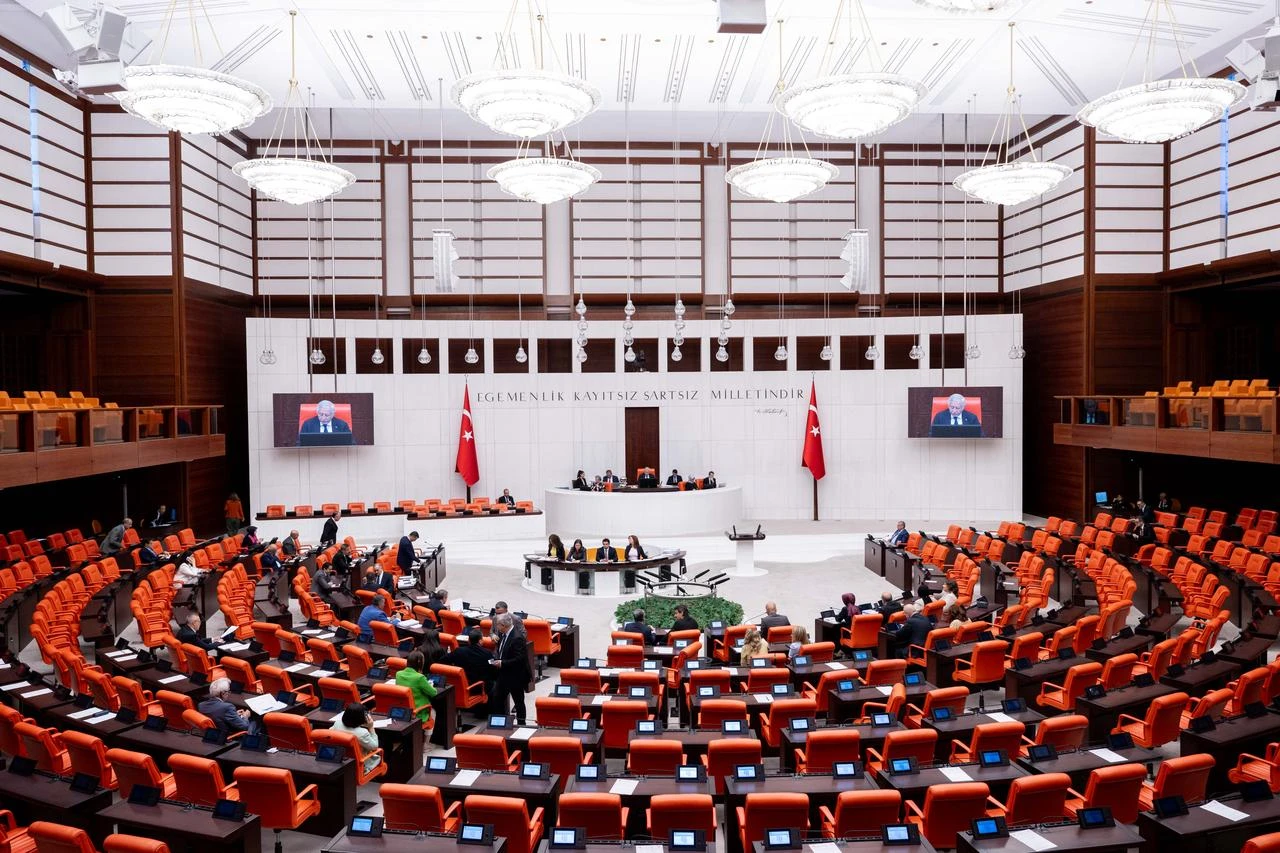
Selvi wrote that two mechanisms would coordinate the process.
The first is an "Evaluation and Coordination Board" headed by the vice president, though the DEM Party wants changes to its name and function. The second is a monitoring commission within parliament. National Intelligence Organization (MIT) Chief Ibrahim Kalin would brief both bodies periodically.
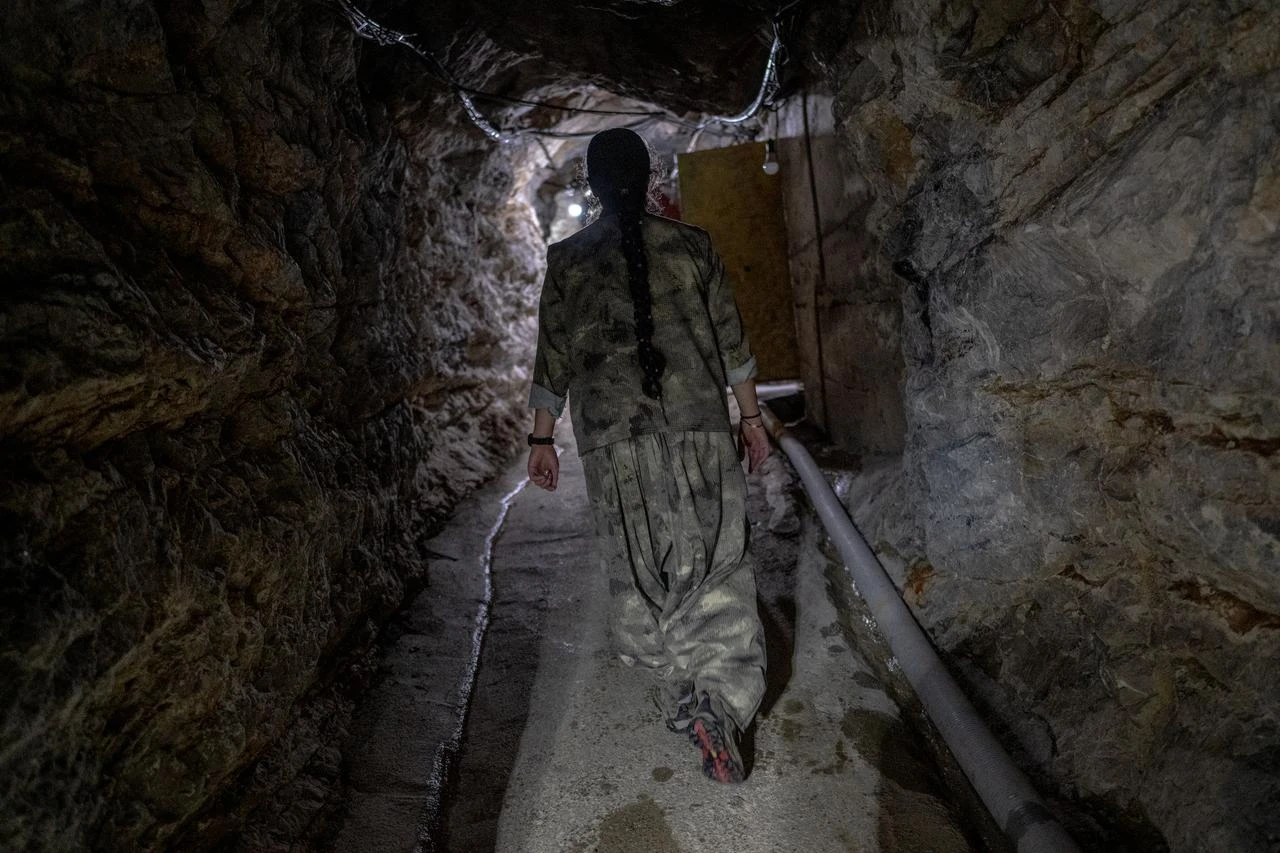
Under the plan Selvi described, disarmed members would gather at centers in Erbil and Sulaymaniyah in northern Iraq rather than returning to Qandil. He also wrote that Turkish intelligence and the military would inspect any camps vacated by the PKK.
Selvi cited a target timeline of one and a half to two months to complete this process.
Once disarmament and the camp evacuations are done, Kalin would report to the National Security Council. If the council responds positively, Erdogan would issue a presidential decree launching members' return to Türkiye.
Selvi wrote that officials want to avoid a repeat of scenes from Habur, a border crossing where a 2009 group return of PKK members drew public backlash.
This time, members would enter in pairs or small groups through different border crossings, he wrote.
AK Party leadership opened the bill to its own lawmakers' signatures and held talks with opposition parties on a possible joint submission, according to a separate Hurriyet report. DEM Party representatives Pervin Buldan and Mithat Sancar took part in some of those talks.
All parliamentary groups except the IYI (Good) Party have avoided blocking the draft, though some have hesitated to co-sign over unresolved objections, according to the report.
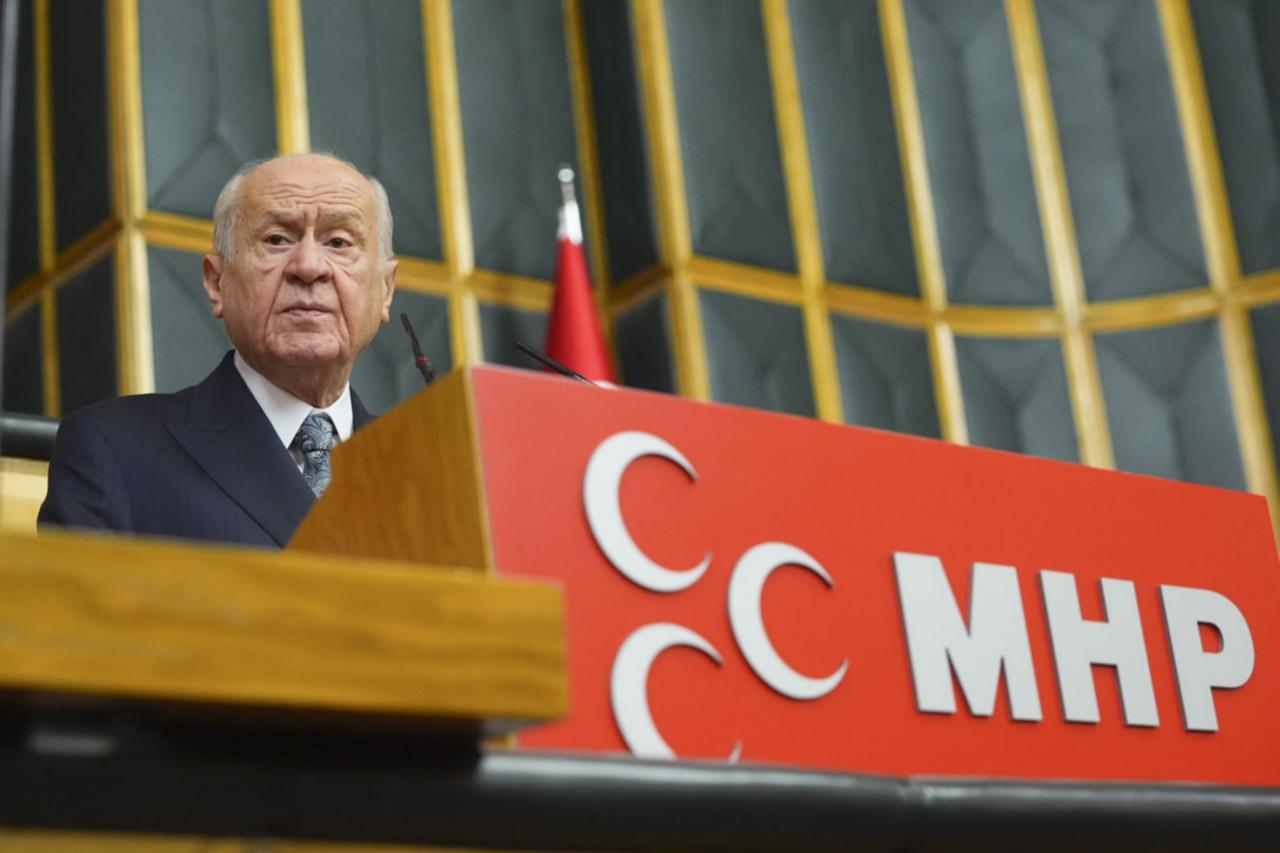
AK Party could submit the bill with only AK Party and Nationalist Movement Party (MHP) signatures if a joint submission does not come together, the report said.
Under parliament's rules, a bill cannot reach committee until 48 hours after submission.
The Advisory Board can waive that period, but only with unanimity among party groups, the report said.
The governing alliance wants the bill fast-tracked through the Justice Commission and passed before the week is out, potentially with weekend sessions.


 Set as preferred source
 Set as preferred source


 2 min read
 1 min read