Newsletters


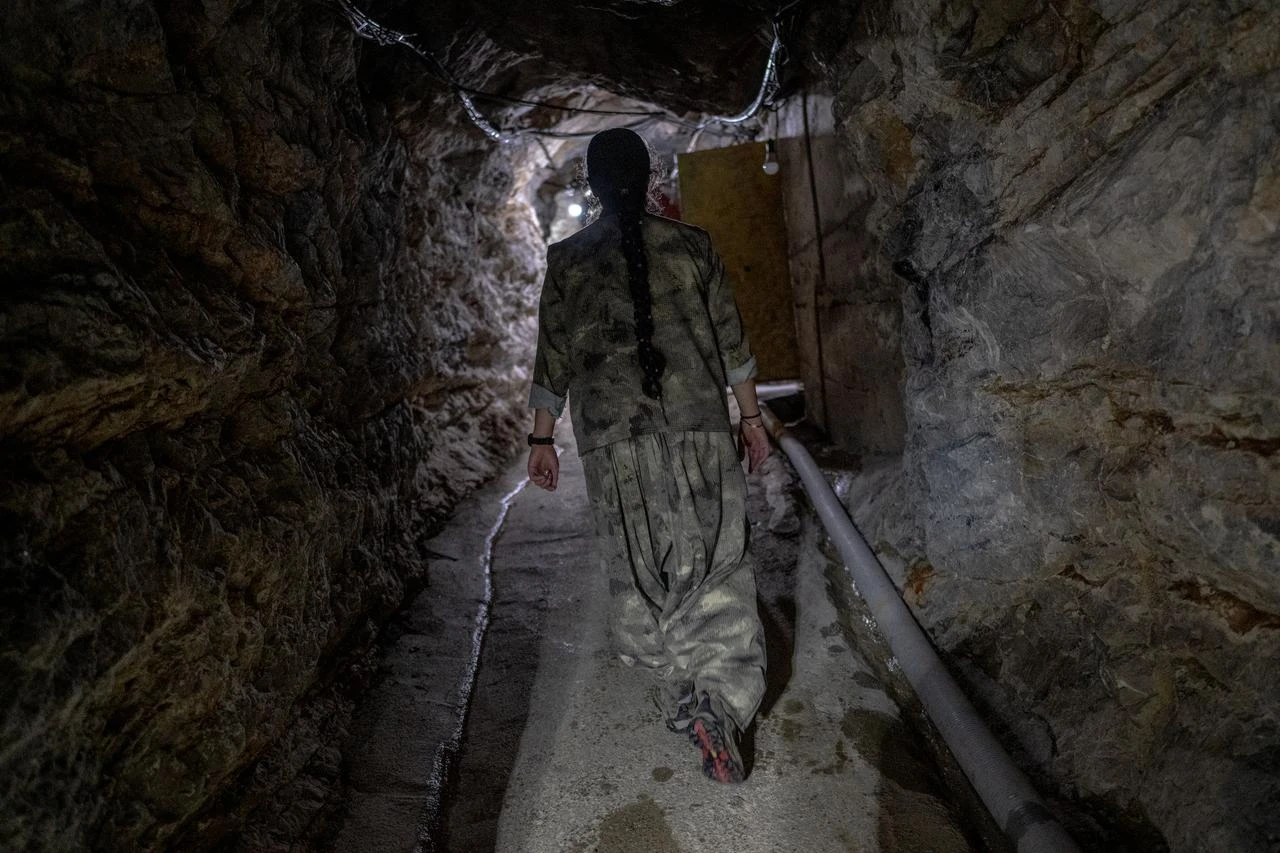


Türkiye has urged Iran to halt attacks on Iranian Kurdish armed groups in Iraq, fearing further strikes could push those groups closer to Israel and jeopardize Ankara's peace process with the PKK, the "Terror-Free-Türkiye," Middle East Eye (MEE) reported.
The report cites multiple sources familiar with the matter, a warning that comes as Türkiye's Parliament advances domestic legislation on Terror-Free Türkiye.
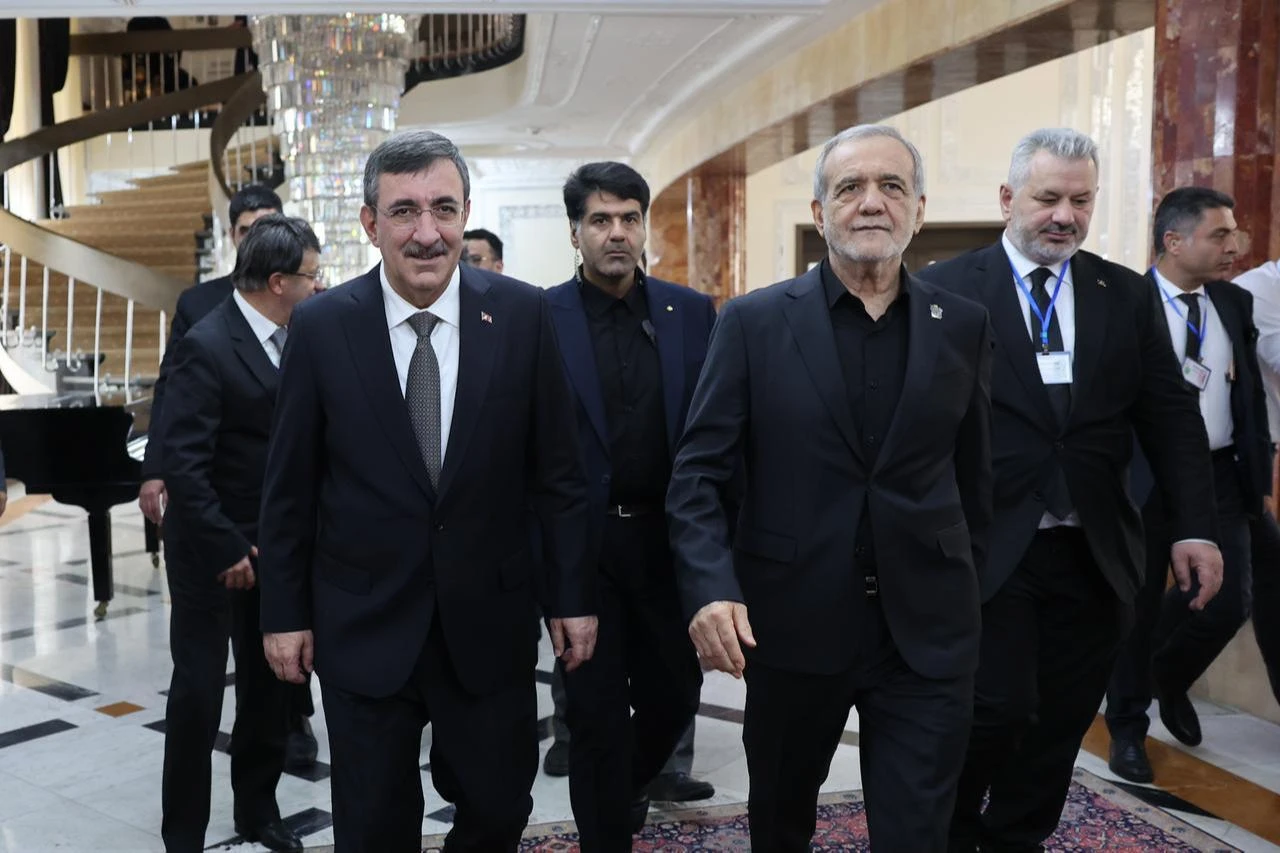
According to MEE, when Turkish Vice President Cevdet Yilmaz traveled to Tehran earlier this month to attend the funeral of the late Iranian Supreme Leader Ali Khamenei, he received a warm welcome from Iranian officials, including a hosted visit with Iranian President Masoud Pezeshkian.
A source familiar with the visit told MEE that Pezeshkian thanked Türkiye for helping prevent an Israeli plan to foment an armed insurrection by Kurdish groups in western Iran, devised by Israeli Prime Minister Benjamin Netanyahu.
MEE reported that senior Turkish officials sought to convince their U.S. counterparts the plan was unrealistic and could threaten Turkish national security and that Trump indirectly suggested on several occasions that Ankara had considered entering the war to prevent the emergence of another Kurdish separatist entity on its borders, given Türkiye's experience in Syria.
Several people familiar with the matter told MEE that Ankara separately conveyed a direct message to Tehran: stop attacking Kurdish groups in the region, out of concern that further Iranian action against Kurdish groups in Iran and Iraq, following the failure of the alleged uprising plan, could push them toward Israel.
MEE reported that convincing Washington to drop the idea of arming Kurdish forces was comparatively easy, citing unnamed sources who said senior Trump aides were highly skeptical of Netanyahu's regime-change proposal, including the idea that Kurdish forces could mount a ground invasion of Iran.
MEE reported that the CIA director was said to have described Netanyahu's regime-change scenarios with a single word: "farcical."
According to MEE, Secretary of State Marco Rubio reportedly responded: "In other words, it's bull****."

MEE reported that Ankara is now deeply invested in its peace talks with the PKK and that further Iranian action in Iraq, where PKK-linked and other Kurdish groups are present, could undermine that sensitive process.
According to MEE, Türkiye's government plans to introduce draft legislation in Parliament that would pave the way for former PKK members to return to the country within six months, offering nonviolent cadres a path to reintegration, a process MEE said requires regional calm to implement peacefully.
MEE reported that the Kurdistan Democratic Party (KDP), the ruling party in Iraq's Kurdish region led by the Barzani family, has a sister organization in Iran, the Democratic Party of Iranian Kurdistan (PDKI), which the report said was set to lead the proposed uprising effort.
Kurdish sources reportedly said that the plan also envisioned involvement from the Peshmerga, the Kurdish Regional Government's (KRG) military forces, though MEE reported Erbil was not enthusiastic about the idea and that Kurdish leaders had little reason to trust Washington given the earlier U.S. withdrawal of support for Kurdish forces in Syria.
Mehmet Alaca, a Turkish expert on Iraq, told MEE that increased Iranian military pressure could inadvertently push Iranian Kurdish armed groups such as the PDKI, Komala and the Kurdistan Freedom Party (PAK) closer to the West, particularly Israel.
"The Kurdistan Region of Iraq, which has hosted these groups for many years, would bear the greatest cost of such a development," Alaca said, adding that such a scenario could also destabilize the balance between the KDP and the Patriotic Union of Kurdistan (PUK) and justify Tehran expanding its regional influence on security grounds.
Iran has bombarded PDKI camps in northern Iraq since the war began in late February.
Alaca said Türkiye has sought to limit the destabilizing effects of Iranian influence in northern Iraq by courting the traditionally pro-Iranian PUK, which normalized relations with Ankara earlier this month through an official visit.
He told MEE that following the U.S. and Israeli attacks on Iran, the rival KDP and PUK adopted a shared position that Iranian Kurdish armed groups should not become involved in the Iran conflict.
"For Türkiye, the most critical dimension is the peace process and the new security architecture it is seeking to build for the post-PKK era," Alaca said, adding, "The extension of the Iran-Israel rivalry into Iraqi Kurdistan and the re-emergence of the Kurdish card at the center of the regional power struggle would directly undermine Türkiye's long-term security calculations."
Despite Ankara's reported appeals, attacks on Iranian Kurdish armed groups in Iraq's Kurdistan region have continued.
Amjad Panahi of the Komala party told Agence France-Presse (AFP) that Iranian forces launched 14 drone attacks between roughly July 27 and 28 against bases belonging to Komala, the PDKI, and PAK, causing material damage and fires but no casualties in that specific round.
Adib Khaldian of PAK separately confirmed drone attacks had targeted his group.
The PDKI said on X that "a broad and sustained campaign... has struck the Kurdistan region dozens of times in recent days." AFP reported no group had claimed responsibility for that particular wave of attacks, though Kurdish groups blamed Iran.
According to AFP, drone and rocket strikes killed nine Komala members near Sulaimaniyah on July 17.
Multiple explosions and drone interceptions have also been reported over Erbil throughout the conflict. On July 24, Kurdish counterterrorism forces said U.S.-led coalition air defenses shot down five explosive-laden drones over Erbil between 9:32 and 9:45 a.m., with no casualties reported.
Hours later, Iran's IRGC claimed it had targeted U.S. military assets in Erbil as part of the 27th wave of its "Operation Nasr 2," claiming to have destroyed a U.S. Patriot air defense system and a surveillance balloon and struck a residence housing U.S. military personnel.
On June 27, security sources told Reuters an explosive drone targeted a camp belonging to an Iranian Kurdish armed group north of Erbil, with no casualties reported since the camp had recently been evacuated.
The Kurdish Regional Government strongly condemned Iran's attacks on the region on July 17 and called on Tehran to immediately halt the strikes.


 Set as preferred source
 Set as preferred source


 1 min read
 1 min read