Sign in
 Newsletters


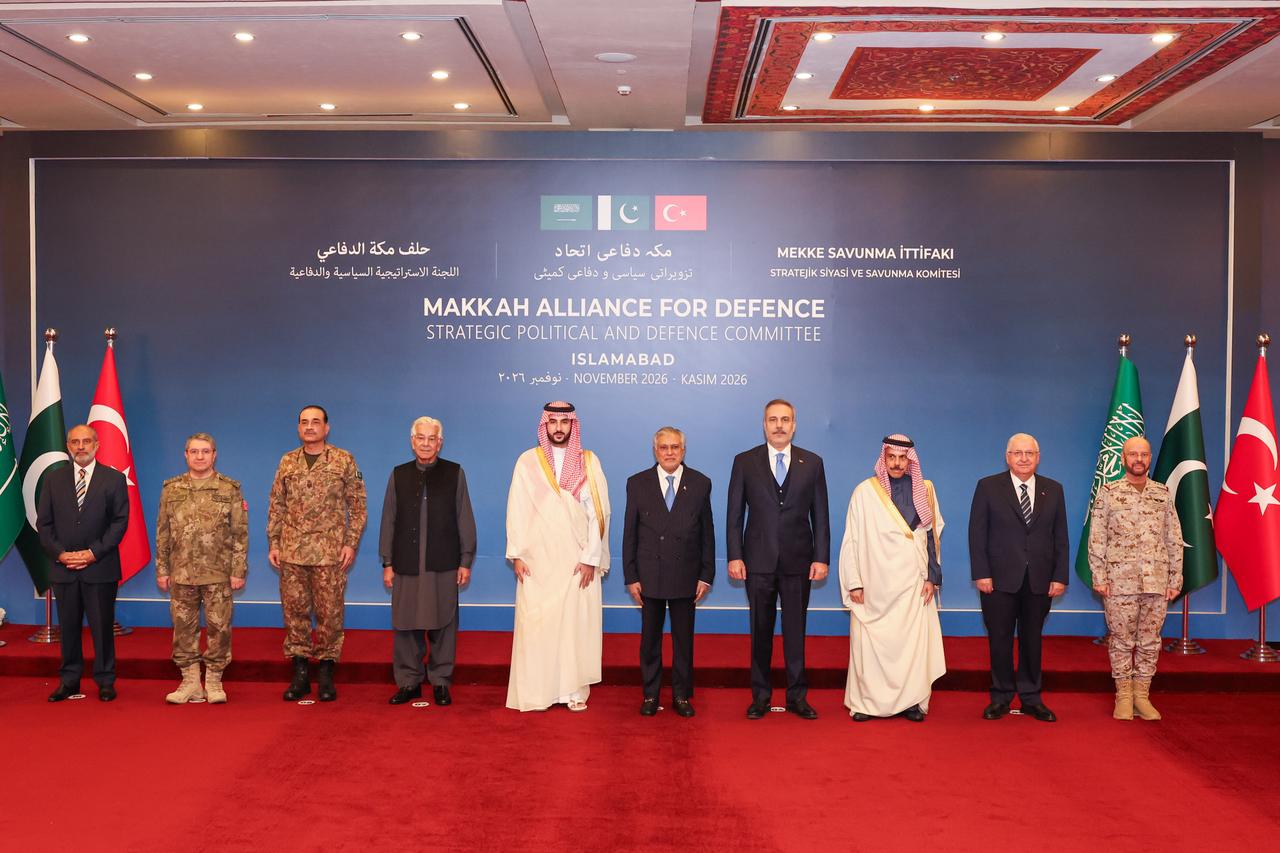


Türkiye and its allies Pakistan and Saudi Arabia are moving to establish a joint military command and civilian headquarters under the Mecca Agreement for Joint Defense, as the three countries step up efforts to institutionalize their defense cooperation.
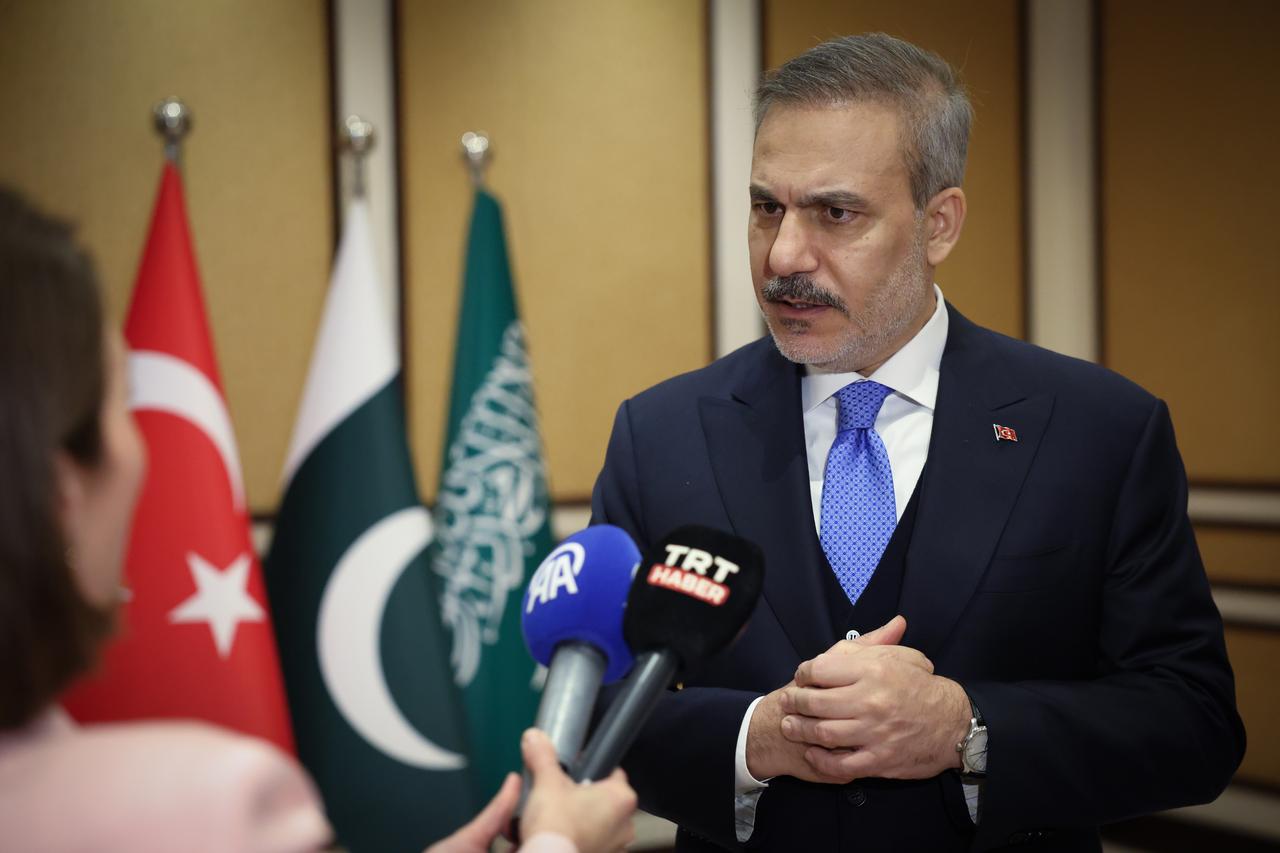
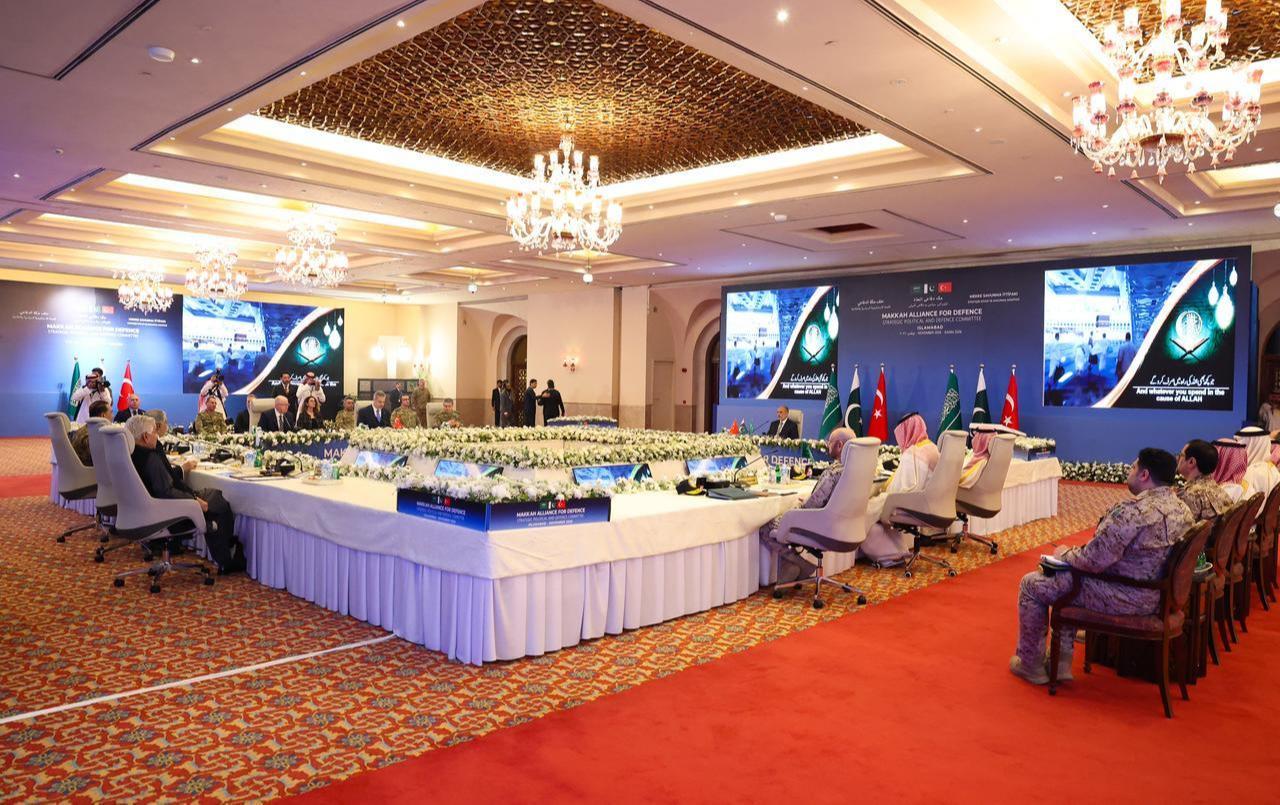
Foreign Minister Hakan Fidan announced progress on the alliance's organizational structure following the second regular meeting of its Strategic Political and Defense Committee in Islamabad on Friday, attended by senior political and military officials from all three countries.
Fidan, who joined the meeting alongside Defense Minister Yasar Guler and Chief of General Staff Gen. Selcuk Bayraktaroglu, said the alliance was making rapid progress toward becoming a fully operational structure.
"We have held three meetings so far, one extraordinary and two regular ones. Of course, our permanent committees are also in place and continue to work," he told reporters after the meeting.
The three countries have reached agreement on the main principles for establishing a civilian headquarters through a general secretariat and a military headquarters through a joint military command, Fidan said.
The committee approved most of the decisions on its agenda, while leaving some issues for its next meeting. Discussions covered the secretariat structure, joint operations, force allocation, training, planning, organization and international relations.
Fidan said the alliance aims to combine the military capabilities and defense industry resources of its members to build greater collective strength and contribute to regional peace and stability.
He added that Türkiye's Foreign Ministry and Defense Ministry, together with the General Staff, were working closely to advance the initiative.
The committee also discussed how to approach other countries interested in joining the alliance, with members reaching several preliminary decisions on the issue.
Türkiye will host the committee's next meeting, Fidan announced.

Alongside the alliance's institutional development, officials reviewed regional security challenges, including tensions in the Gulf, Houthi threats against Saudi Arabia and diplomatic negotiations between the United States and Iran.
Fidan said participants discussed how the situation in the Gulf was evolving, particularly the threat facing Saudi Arabia from Yemen's Houthi movement, as well as prospects for the U.S-Iran negotiations and ways to help secure a positive outcome.
Ukraine and other international developments also featured in the committee's discussions and bilateral meetings.
The Mecca Agreement for Joint Defense was signed on Aug. 7 in Mecca by Turkish President Recep Tayyip Erdogan, Pakistani Prime Minister Shehbaz Sharif and Saudi Crown Prince Mohammed bin Salman.
The agreement seeks to strengthen the security of the three countries through collective deterrence and defense, while contributing to broader regional security and stability.
The agreement's first Strategic Political and Defense Committee meeting took place in Istanbul on Aug. 31, hosted by Türkiye.
The committee subsequently held an extraordinary meeting in Riyadh on Oct. 5 following Houthi attacks targeting Saudi Arabia. Participants reaffirmed their commitment to defending their territorial integrity and sovereignty under the agreement.
Pakistan's retired Lt. Gen. Nauman Mahmood has been appointed as the alliance's first secretary-general, while the secretariat is expected to be established in Riyadh.
The second regular meeting in Islamabad brought together senior political and military representatives from all three countries. Pakistan was represented by Deputy Prime Minister and Foreign Minister Ishaq Dar, Defense Minister Khawaja Muhammad Asif and Chief of Army Staff Field Marshal Asim Munir.
Saudi Arabia's delegation included Foreign Minister Faisal bin Farhan, Defense Minister Khalid bin Salman and Chief of General Staff Gen. Fayyadh bin Hamed Al-Ruwaili.
On the sidelines of the meeting, Guler also held bilateral talks with Saudi Defense Minister Khalid bin Salman, with Fidan and Bayraktaroglu attending.


 Set as preferred source
 Set as preferred source


 1 min read
 1 min read