Newsletters


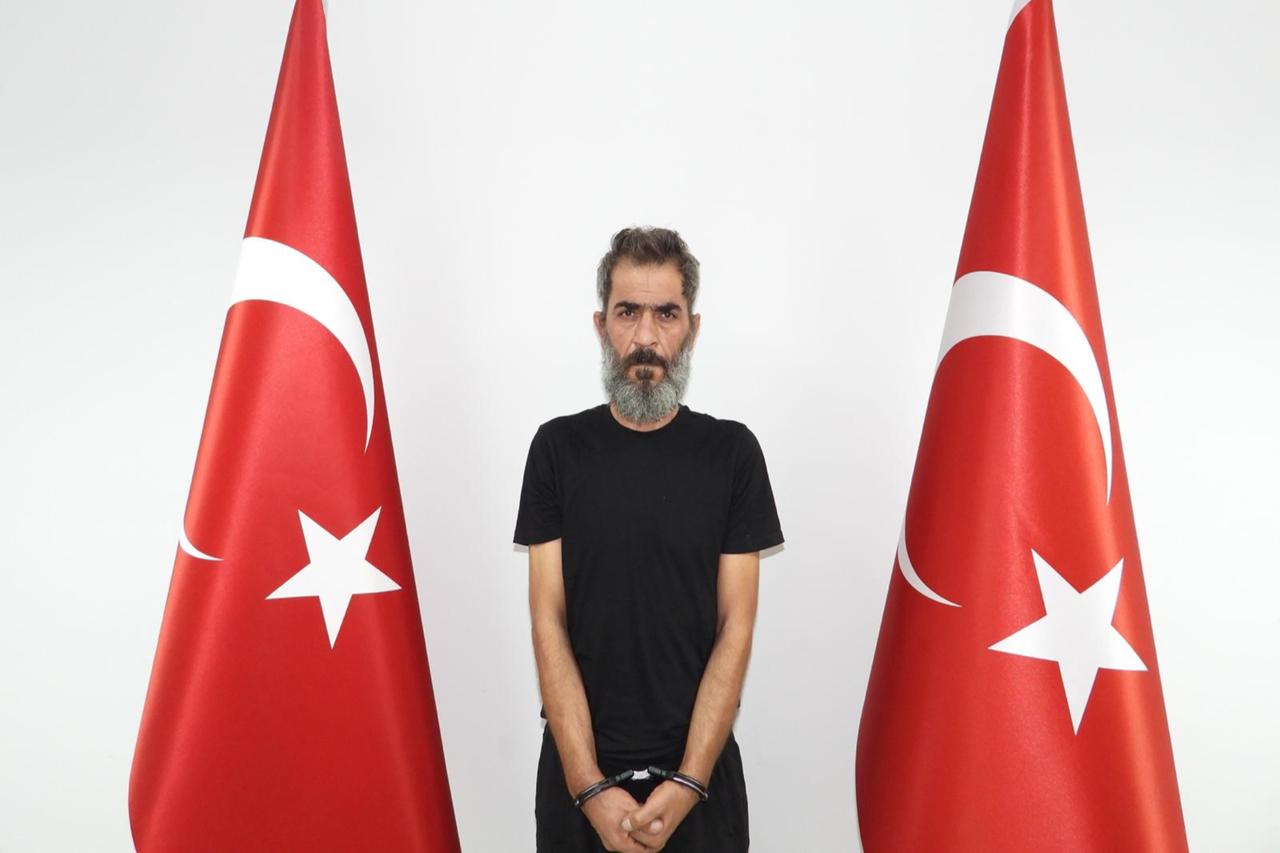


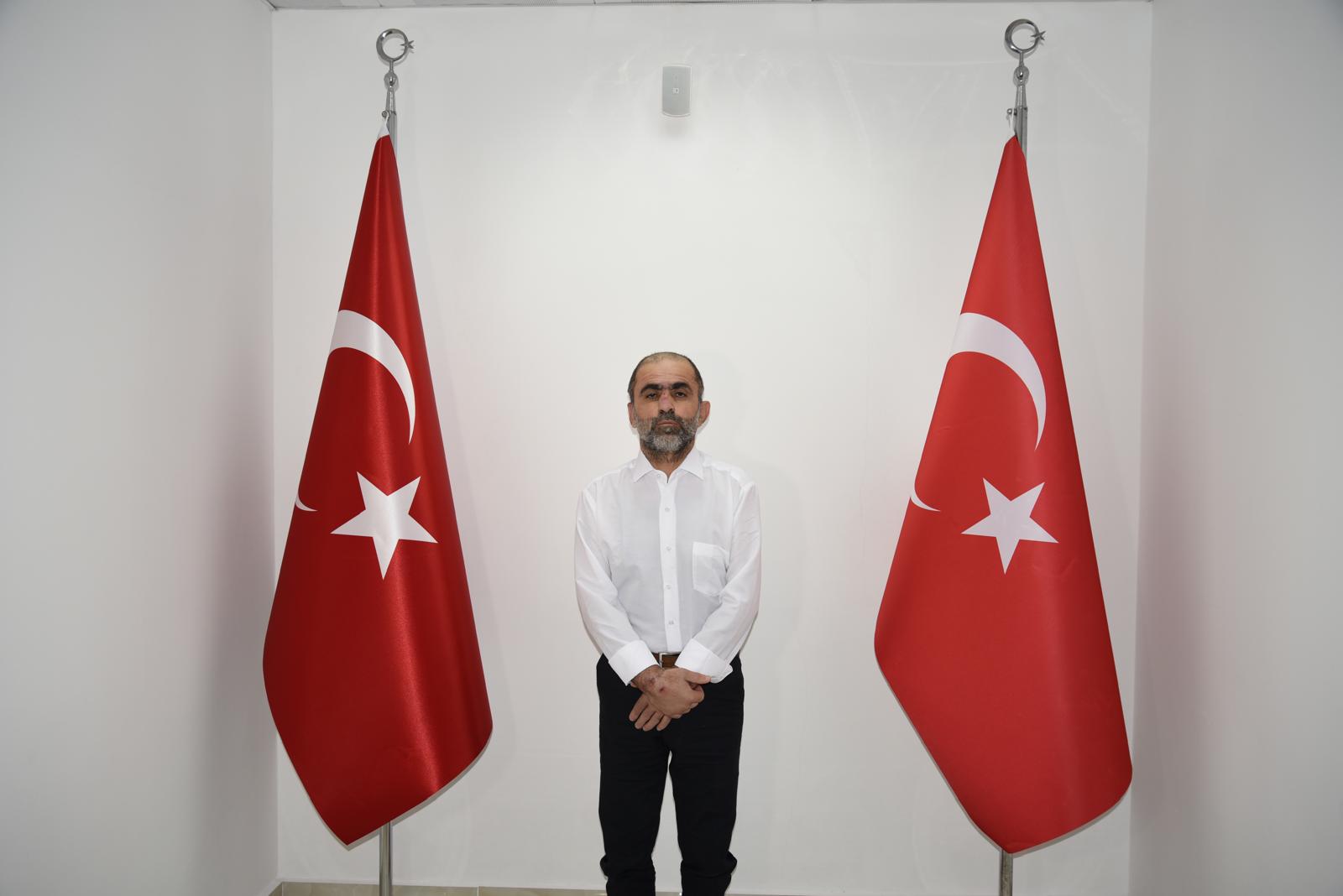
Türkiye's National Intelligence Organization (MIT) has captured Omar al-Khatib, a Syrian suspect in the 2013 Reyhanli bombing that killed 53 people, as he was preparing to flee to Europe by sea, security sources said on Thursday.
Khatib, wanted on an Interpol red notice, was involved in planning and organizing the attack and coordinated between the bombers and intelligence officials loyal to former Syrian President Bashar Assad, according to the sources.
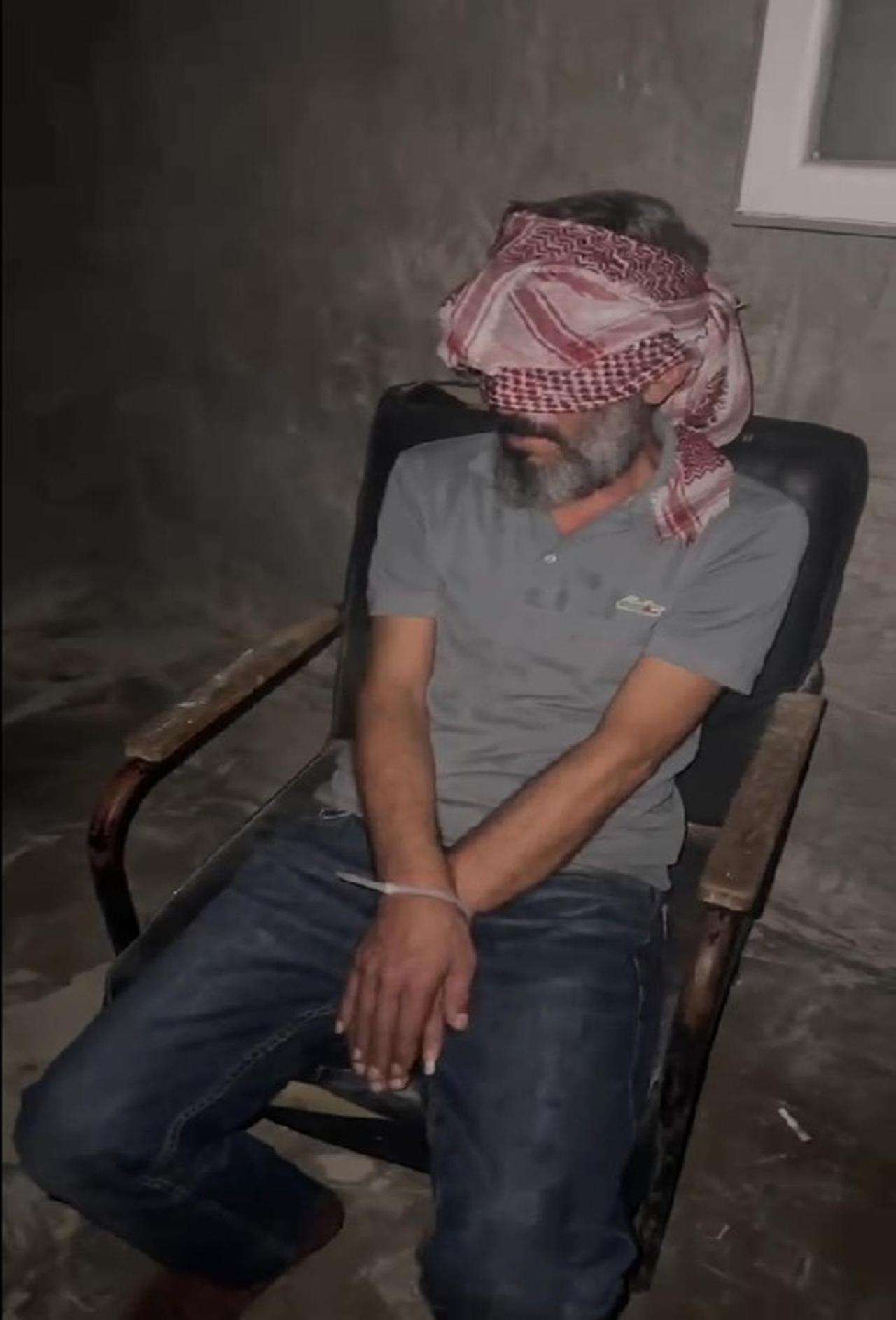
He has been brought to Türkiye.
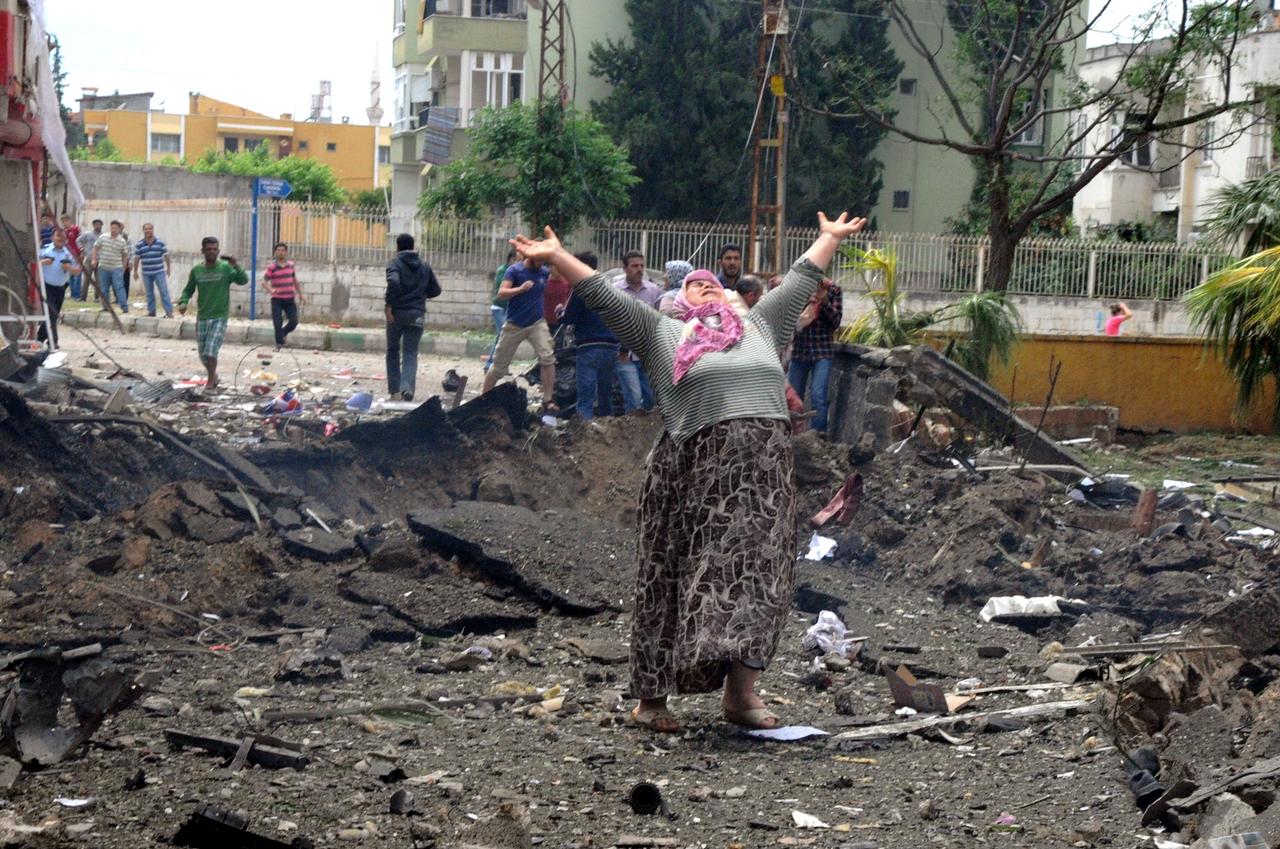
The twin car bombings in the border town of Reyhanli on May 11, 2013, were the second-deadliest terror attack in Türkiye's history after the 2015 Ankara bombing, leaving 53 dead and 146 injured.

In 2013, Khatib brought together Yusuf Nazik, who was planning attacks against Türkiye, and Kifah Melhem, then head of the Latakia branch of Syria's military intelligence, known as Amn al-Askari, the sources said.
The details of the attack were set during those meetings.
In February 2013, Khatib and Nazik entered Türkiye through Hatay to identify target locations, then received approval from Melhem in Latakia, according to the sources.
In May 2013, Khatib and Temir Dukanci collected materials for the bomb from the military intelligence branch in Latakia. Dukanci and Nazik drove the explosives-laden vehicle to Reyhanli, where it was detonated remotely.
After the attack, Khatib took Dukanci and Nazik, who had fled to Syria, to the Latakia intelligence branch, the sources said.
Khatib and the others involved were rewarded with a large sum of money by the Assad regime.
Born in Idlib in 1976, Khatib served in the Syrian army's 14th Division in Damascus.
He moved to Latakia in 2011 and joined the Shabiha, a pro-government militia operating under military intelligence against the opposition, where he met Melhem, according to sources.
MIT began working to capture the perpetrators immediately after the attack and closely tracked Khatib's activities in Syria, acting once it learned of his plan to escape to Europe, the sources said.
 1 min read
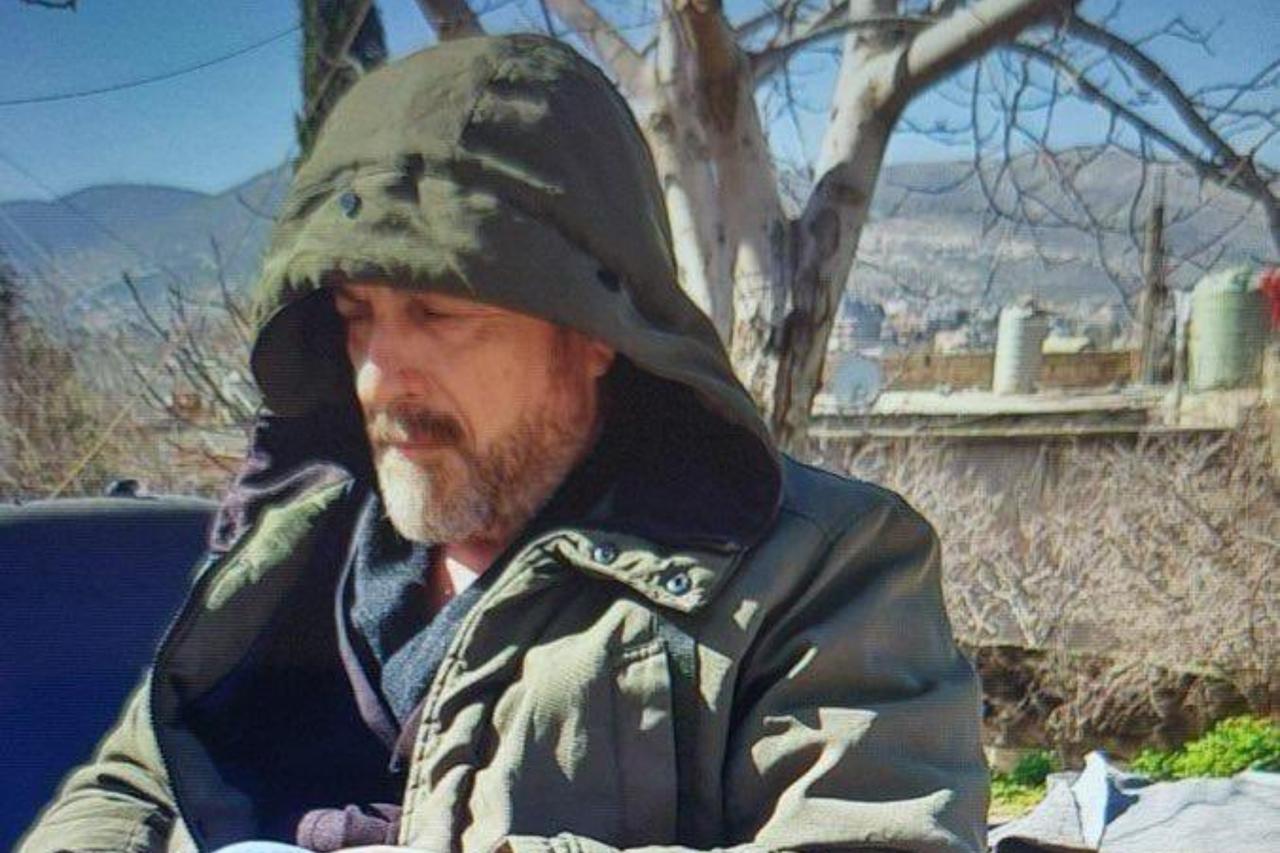
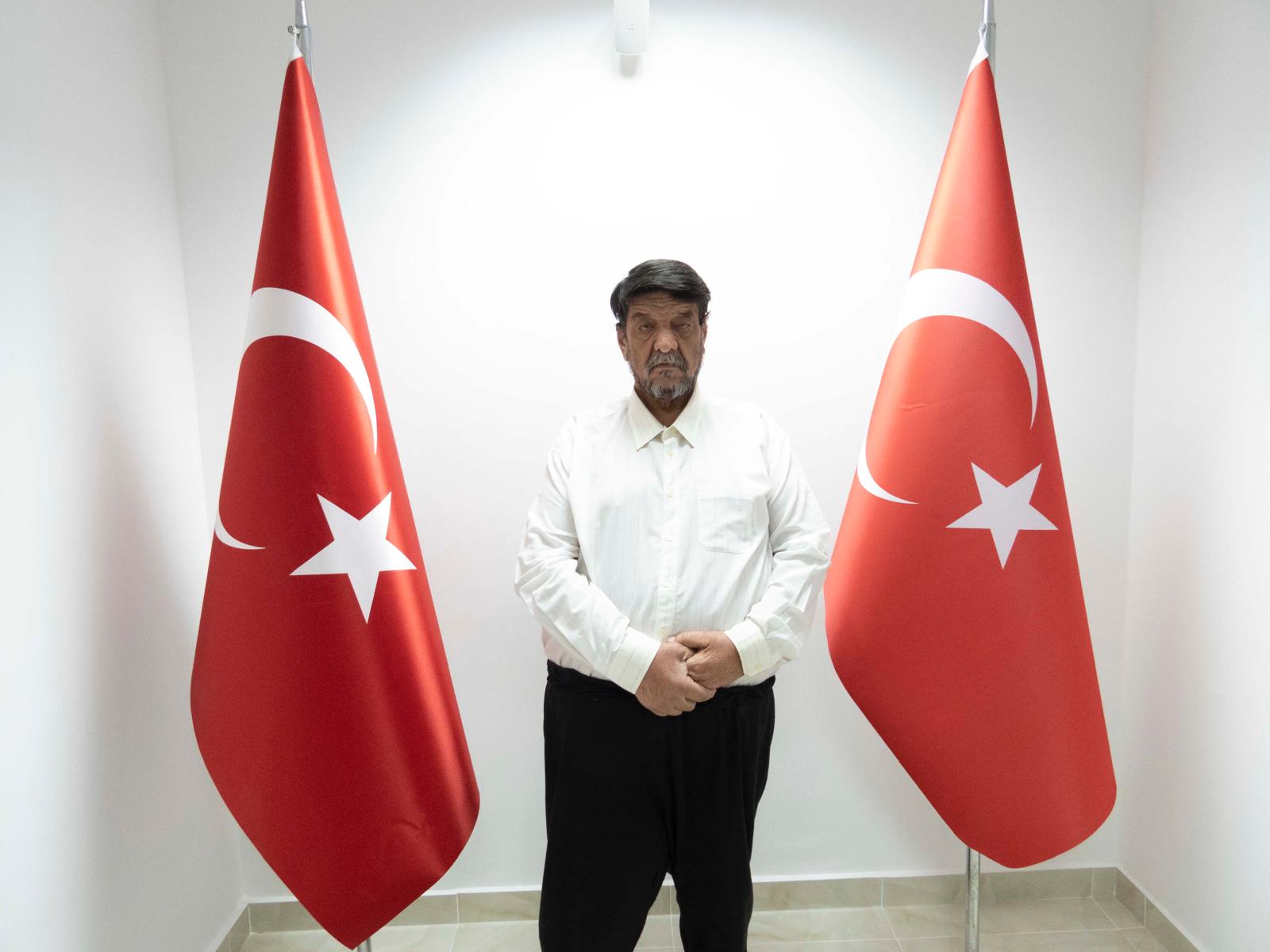
Other suspects captured include Nazik in 2018, Cengiz Sertel in 2024, and Muhammed Dib Korali and Dukanci in 2025. Nazik was sentenced in 2019 to 53 aggravated life sentences.
Melhem, who ordered the attack, was appointed head of Syria's National Security Bureau by Assad in February 2024 and fled abroad after the regime's fall, the sources said.
Khatib and Mihrac Ural, leader of the THKP-C/Acilciler terrorist group, had been listed as fugitive defendants in the Reyhanli bombing case.


 Set as preferred source
 Set as preferred source


 1 min read